

Travel to Benin
 2 photos
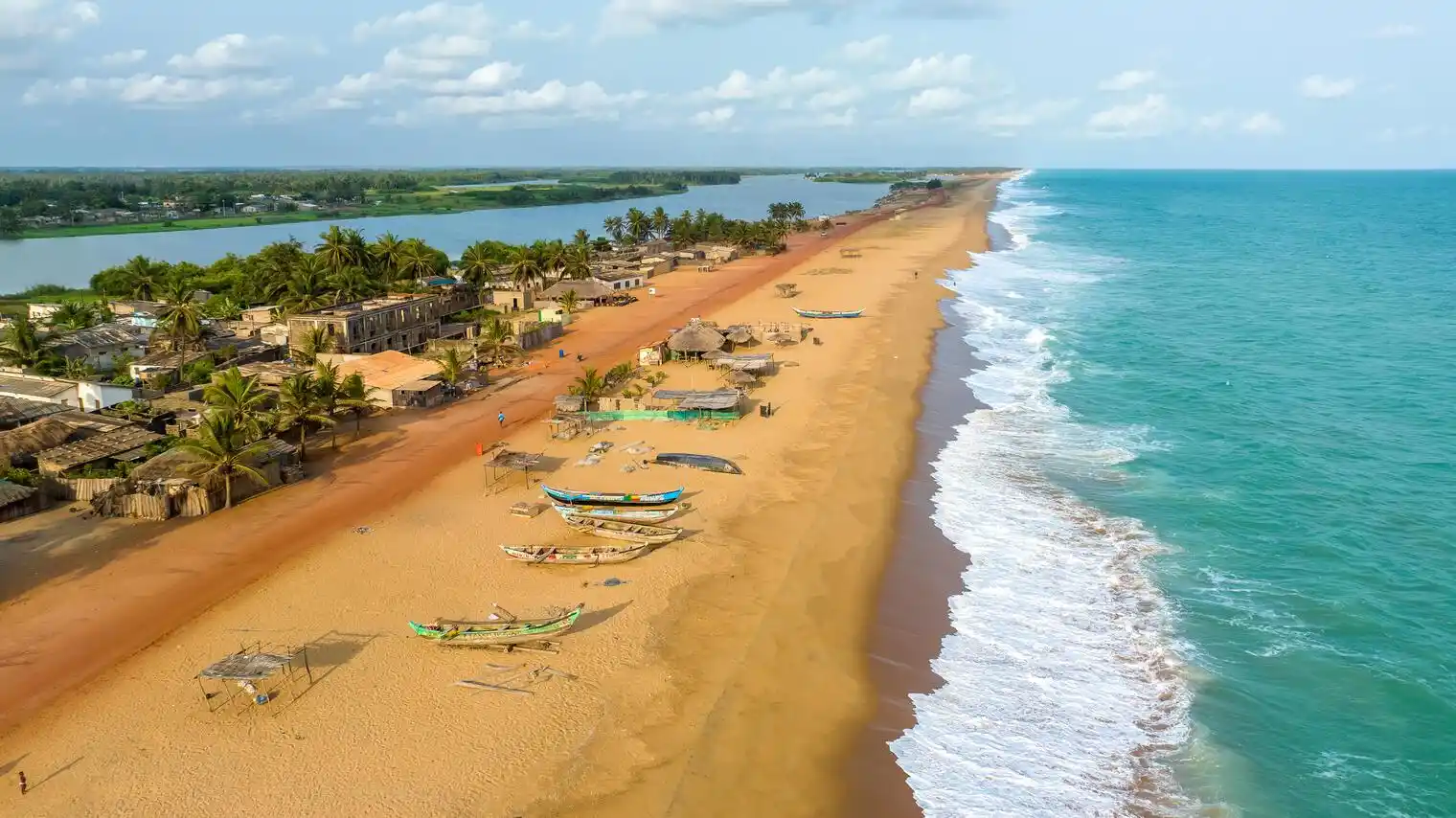
Benin, officially the Republic of Benin, is a West African country on the Gulf of Guinea. It stretches northward from a short Atlantic coastline between Togo and Nigeria to the Niger River. Benin is notable for its historical ties to the Kingdom of Dahomey and as one of Africa’s stable democracies since the 1990s.
The region’s history centers on the powerful Kingdom of Dahomey, established in the 17th century in Abomey. Under French rule from the late 19th century, it became the colony of French Dahomey and gained independence in 1960. After periods of coups and Marxist rule as the People’s Republic of Benin, the nation adopted a democratic constitution in 1990, marking one of Africa’s first successful transitions to multiparty democracy.
Hotels in Benin
 Ganvié
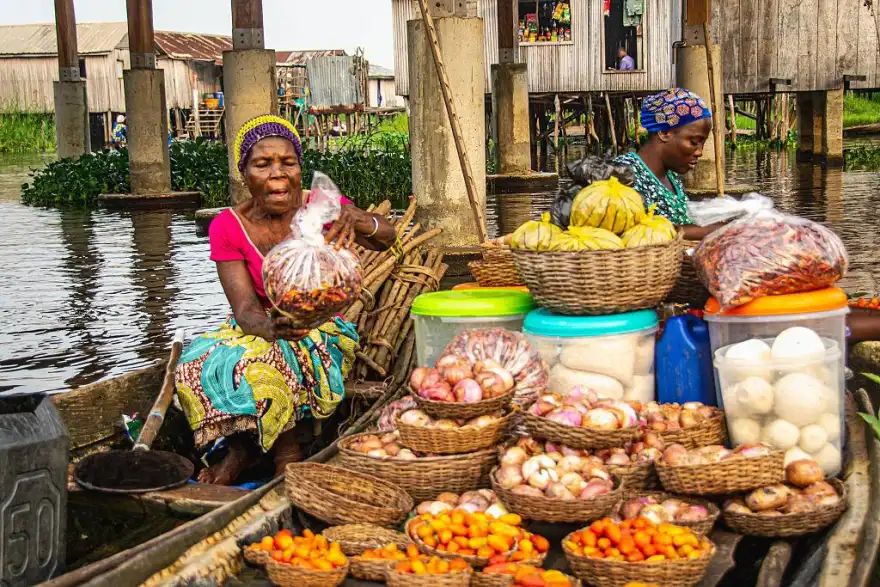
Ganvié is a stilt village built on Lake Nokoué, a few kilometers north of Cotonou. Known as the “Venice of Africa,” it is one of the largest lake settlements in the world and a symbol of the Benin’s cultural and historical heritage. The community of about 20,000 residents lives entirely on water, maintaining traditional fishing and trading practices. Ganvié’s economy centers on fishing and fish farming, supported by intricate underwater traps. The floating market is a hub of commerce where goods are exchanged between pirogues. Residents, often called “water people,” maintain traditions such as animist rituals blended with Christianity and Islam. Children attend floating schools, and families commute entirely by boat.
 Cotonou
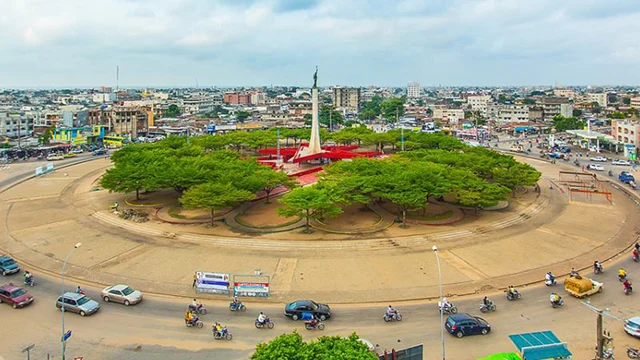
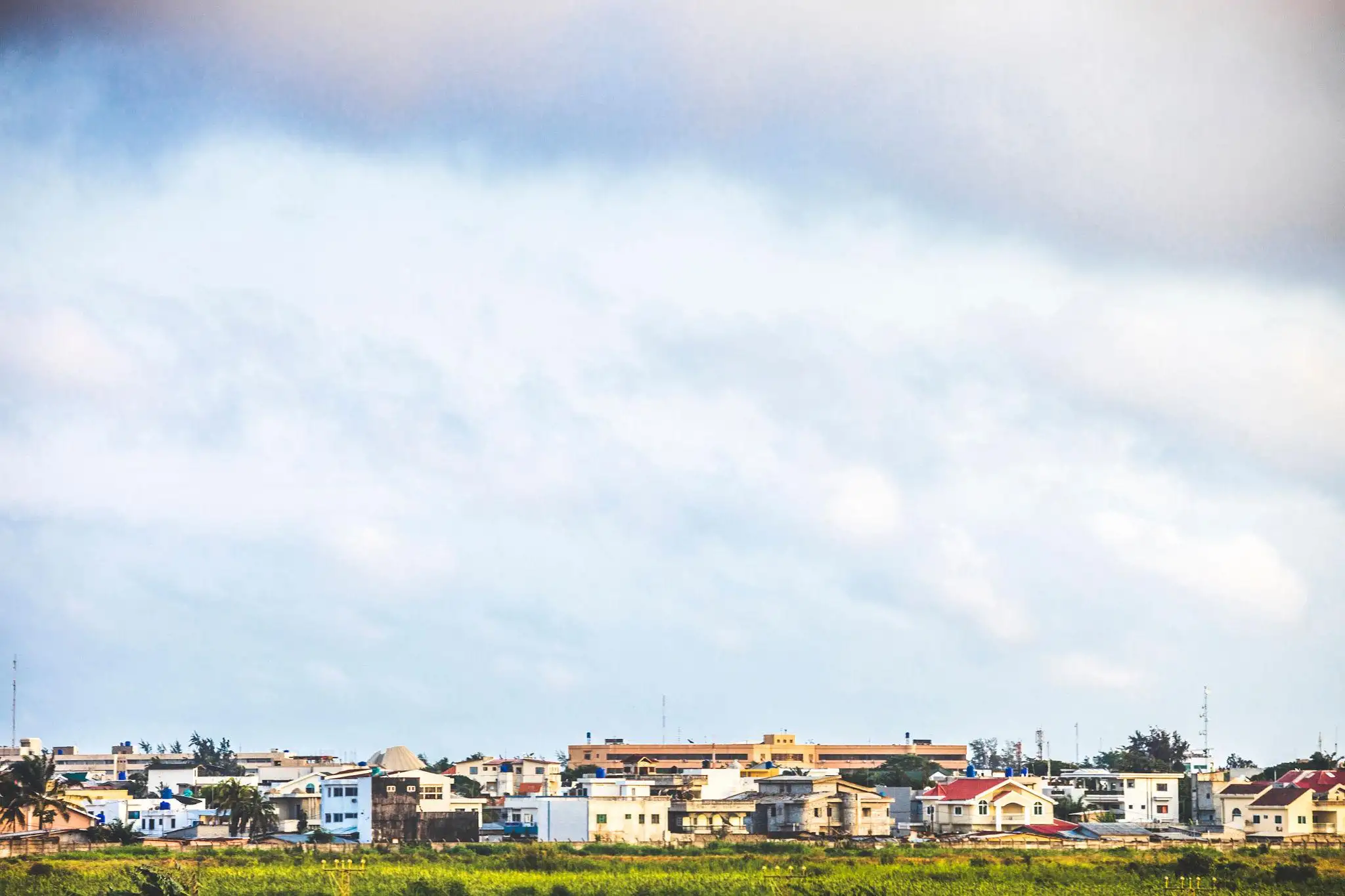
Cotonou is the largest city and economic capital of Benin, located on the country’s southern coast along the Gulf of Guinea between Lake Nokoué and the Atlantic Ocean. Though Porto-Novo is the official capital, Cotonou serves as Benin’s de facto administrative and diplomatic center. It is a vibrant port city central to trade, culture, and politics in West Africa. Originally part of the Dahomey Kingdom, Cotonou began as a fishing village and trading post in the early 1800s. The French established control in the late 19th century, making it a key colonial port. After Benin’s independence in 1960, the city expanded rapidly around its deepwater harbor (completed 1965), becoming a gateway for regional commerce and transport.
 Pendjari National Park
Pendjari National Park is a vast protected area in the Atakora Department of northwestern Benin, renowned for its rich biodiversity and striking savanna landscapes. It forms part of the larger W–Arly–Pendjari (WAP) complex, one of West Africa’s most significant ecosystems, spanning Benin, Burkina Faso, and Niger.
 Royal Palaces of Abomey
The Royal Palaces of Abomey are a complex of earthen royal residences in Abomey, southern Benin, that served as the political and spiritual heart of the Kingdom of Dahomey from the 17th to 19th centuries. Inscribed as a UNESCO World Heritage Site in 1985, the site preserves a rare material record of precolonial West African statecraft and architecture.