

Travel to Kenya
 4 photos
Traveling to Kenya is the kind of experience that stays with you long after the journey ends. It’s a destination that feels alive, not just because of its wildlife, but because of its landscapes, its culture, and the rhythm of everyday life. From the moment you arrive, there’s a sense that you’re stepping into something real and unforgettable.
Kenya is often known for its safaris, and rightly so. The country offers some of the most remarkable wildlife experiences in the world. Watching elephants move across open plains, spotting lions in their natural habitat, or witnessing the Great Migration in the Maasai Mara is something that can’t truly be described until you see it for yourself. It’s not just sightseeing but it’s a connection to nature at its purest.
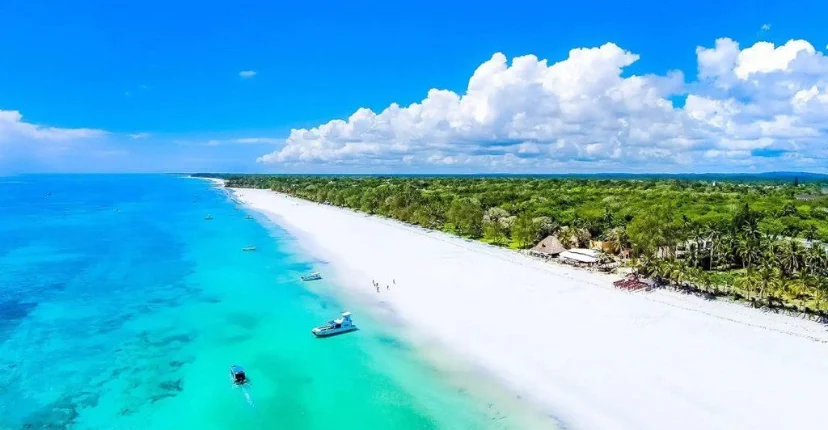
But Kenya is much more than wildlife. The country has a natural diversity that allows you to experience different environments within a single trip. In one moment, you can be exploring the busy streets of Nairobi, and in another, relaxing along the white sandy beaches of Diani on the Indian Ocean. This balance between city life and coastal calm makes Kenya a well-rounded destination for different types of travelers.
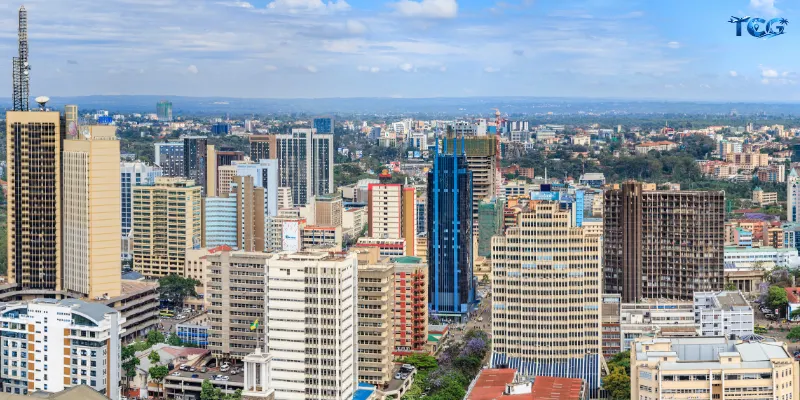
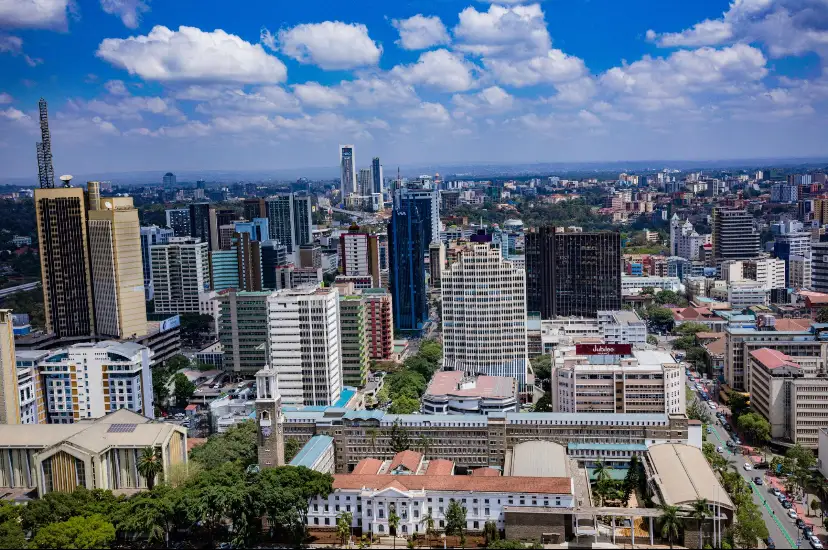
Nairobi, the capital, is a city full of movement and opportunity. It’s modern, growing, and filled with a mix of cultures. Here, you’ll find restaurants, markets, and attractions that reflect both local traditions and global influences. It’s also one of the few cities in the world where a national park exists right next to urban life, offering a unique contrast that you won’t easily find elsewhere.
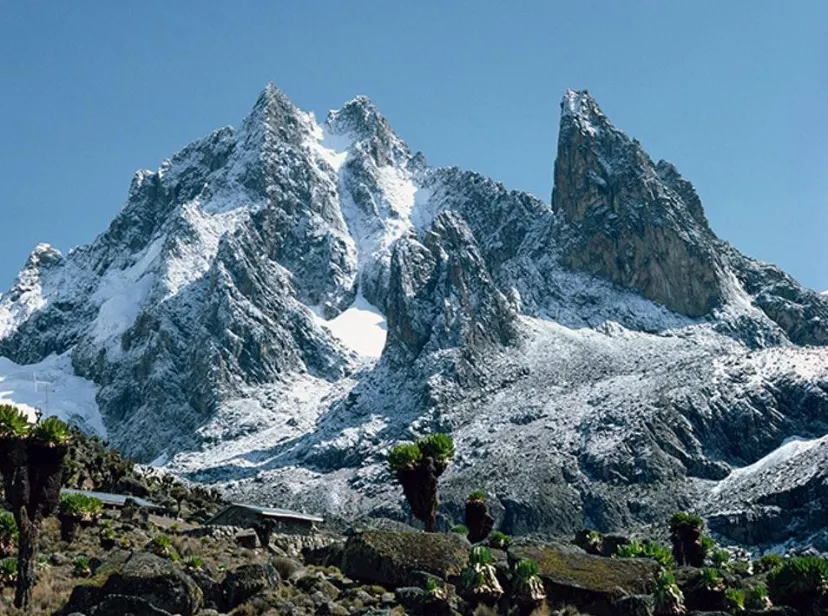
Beyond the city, Kenya opens up into landscapes that feel wide and uninterrupted. From the highlands around Mount Kenya to the vast savannahs of national parks, there’s a sense of space that allows you to slow down and take everything in. The coastline offers a completely different experience , calm waters, palm trees, and a more relaxed pace that invites you to unwind.
Culture is a strong part of the Kenyan experience. The country is home to many communities, each with its own traditions, languages, and way of life. Interacting with local people often becomes one of the most memorable parts of the journey. There’s a natural warmth and hospitality that makes visitors feel welcomed and comfortable.
Food in Kenya is simple, satisfying, and rooted in local ingredients. Whether you’re enjoying a meal in a city restaurant or at a lodge in the countryside, there’s a sense of authenticity in the way food is prepared and shared. It’s less about complexity and more about connection and flavor.
Traveling within Kenya is manageable with the right planning. Domestic flights make it easy to move between regions, especially for safari and coastal destinations, while road travel offers a closer look at everyday life. Whether you prefer a structured itinerary or a more flexible approach, there are options to suit your travel style.
Kenya also offers a range of accommodation choices, from luxury safari lodges and beachfront resorts to more affordable stays. This makes it accessible to both high-end travelers and those looking for value without missing out on the experience.
In many ways, Kenya offers something that feels complete adventure, relaxation, culture, and nature all in one place. It’s not just about where you go, but how it makes you feel while you’re there. For travelers looking for something meaningful, something different, and something memorable, Kenya stands out as a destination that delivers on all fronts.
Hotels in Kenya
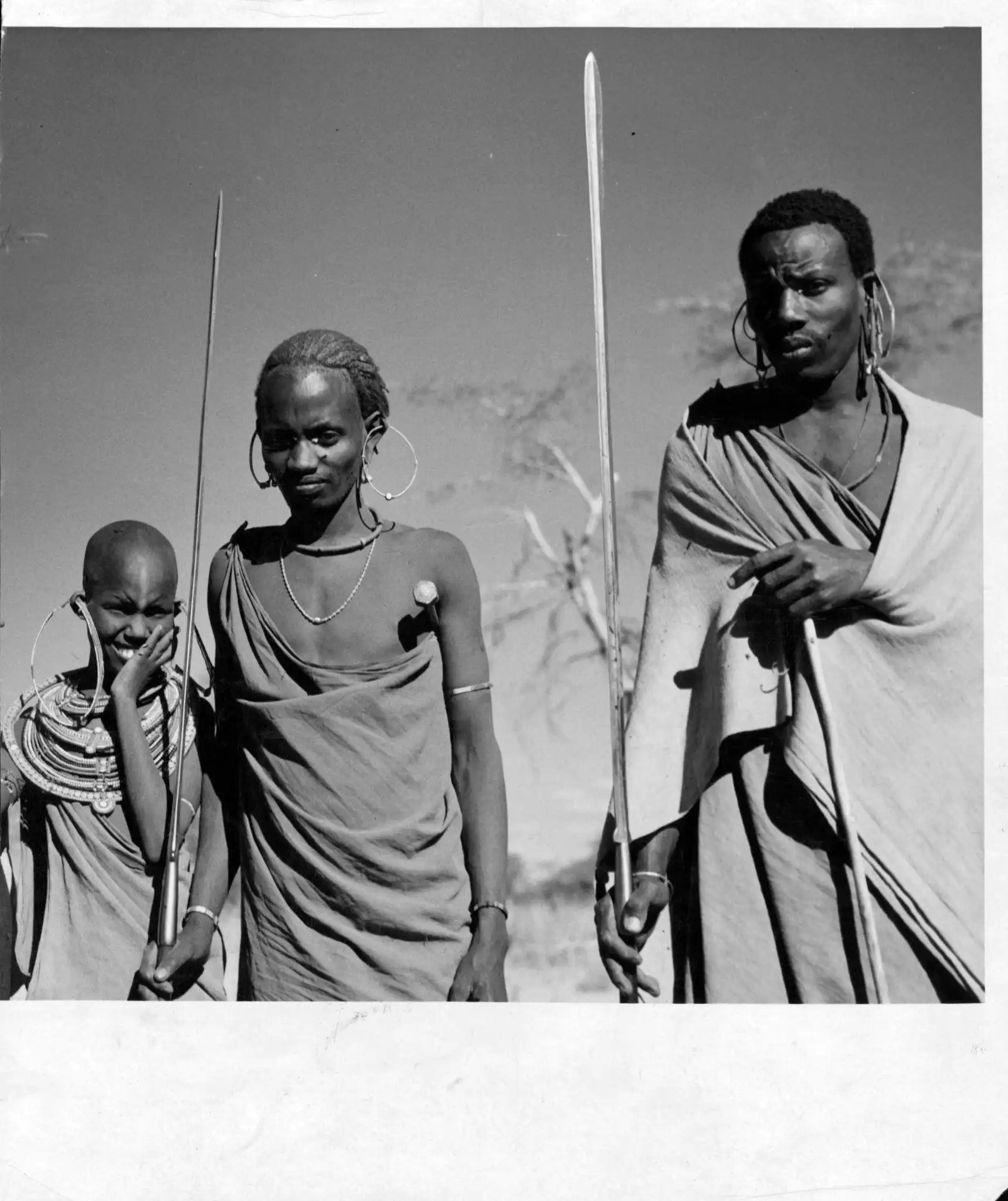 See The Masai People
The Maasai are a Nilotic ethnic group indigenous to southern Kenya and northern Tanzania, renowned for their pastoral traditions, age-set social structure, and distinctive red attire. They have maintained a semi-nomadic lifestyle centered on cattle herding while adapting to modern economic and environmental pressures. Linguistic and oral histories trace Maasai ancestry to Nilotic peoples migrating south from the Nile Valley and South Sudan regions between the 15th and 17th centuries CE. They settled across the Rift Valley grasslands, where abundant pasture supported a thriving cattle-based economy. By the 19th century their territory extended from northern Kenya to central Tanzania, a region now called Maasailand. The Maasai worship Enkai, a dual-natured deity embodying benevolence (Engai Narok) and retribution (Engai Nanyokie). Cattle hold spiritual and social centrality, symbolizing life and divine favor. Traditional attire features the red shúkà cloth and intricate beadwork whose colors signify bravery, purity, or fertility. Music, chants, and the jumping dance (adumu) mark rites of passage and communal celebration.
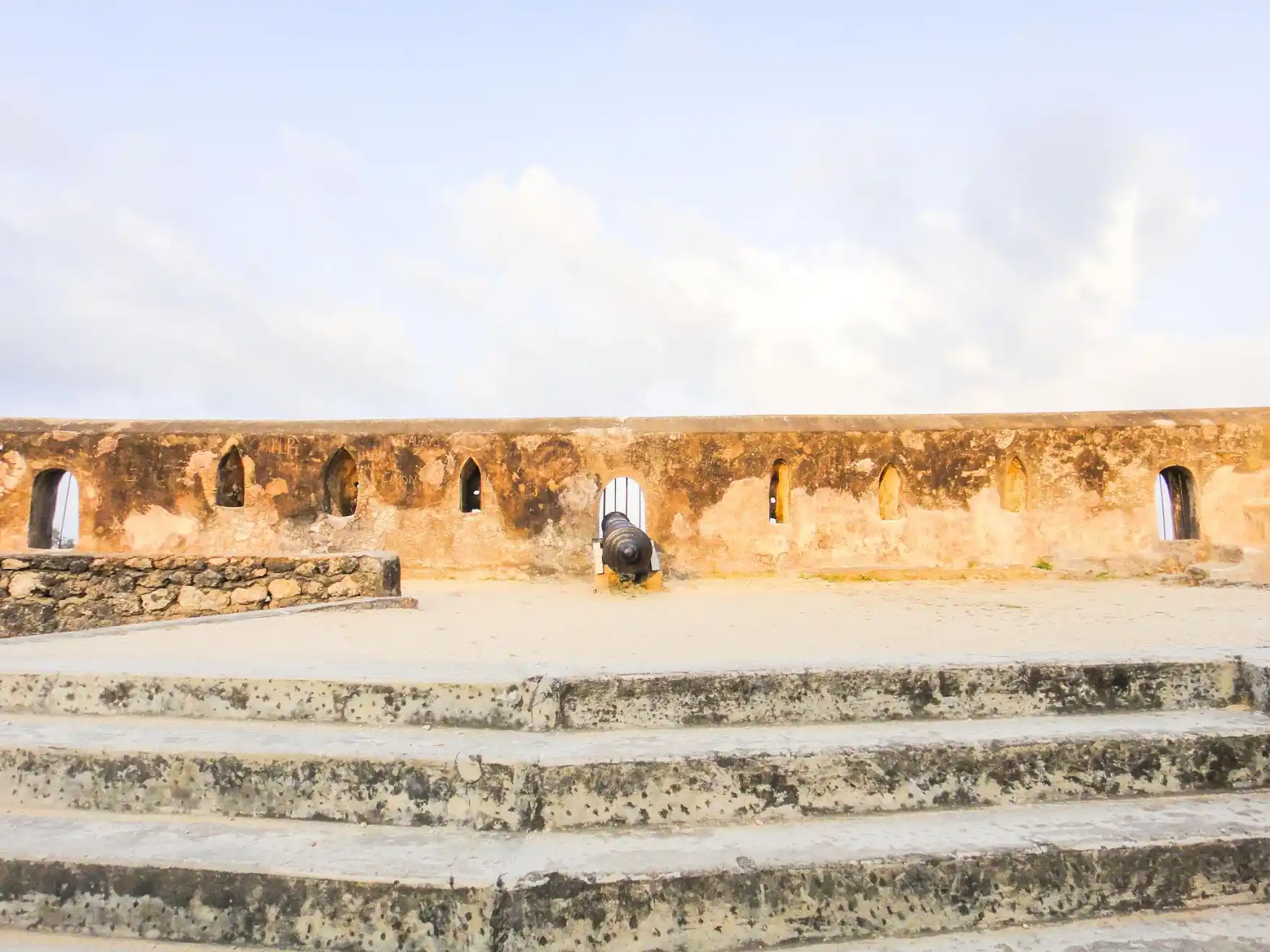 Visit The Historic Fort Jesus
Fort Jesus is a 16th-century Portuguese fort located in Mombasa, Kenya. Built to guard the Old Port and protect Portugal’s trade route to India, it is one of the most iconic examples of Portuguese military architecture in Africa. Today, the fort is a UNESCO World Heritage Site and a major historical attraction. Commissioned by King Philip II of Spain (then also ruler of Portugal), Fort Jesus symbolized Portugal’s bid to control the Indian Ocean trade. Its design followed Renaissance principles of geometry and symmetry, resembling a human figure when viewed from above. The fort was constructed using local coral stone, adapting European designs to the Swahili coast’s materials. The fort’s coral-stone walls, ramparts, and gun emplacements demonstrate a blend of European fortification techniques and local craftsmanship. Inside, visitors find courtyards, cisterns, and dungeons once used for prisoners. The adjacent museum exhibits artifacts from shipwrecks, trade routes, and daily life in the coastal settlements. Fort Jesus stands as a symbol of Mombasa’s layered colonial and Swahili history. It remains a key cultural and educational site, attracting both local and international visitors. Regular restorations and conservation projects preserve its structure as part of Kenya’s national heritage and global maritime history.
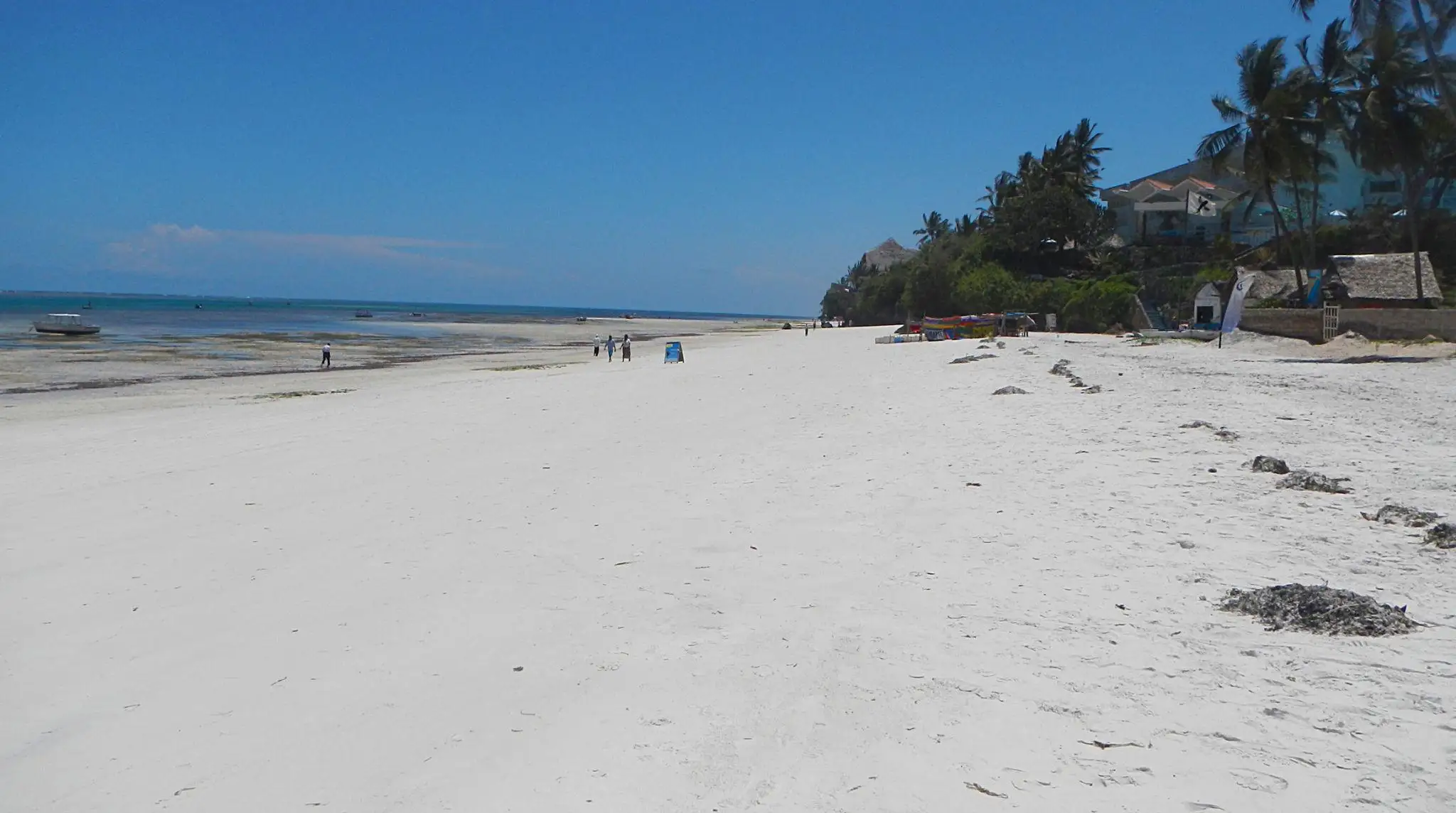 Unwind on the white sands of Diani Beach
Diani Beach is a renowned coastal resort area along the Indian Ocean in Kwale County, Kenya. It is celebrated for its pristine white sands, turquoise waters, and lush tropical surroundings, making it one of East Africa’s most popular beach destinations for tourism, water sports, and relaxation. Diani Beach lies along Kenya’s southern coast, bordered by the Kongo River to the north and Galu Beach to the south. The beach features soft coral sand and clear shallow lagoons protected by an offshore coral reef. The surrounding area is characterized by coconut palms, dense coastal forest, and proximity to the Shimba Hills National Reserve. Diani Beach hosts a mix of high-end resorts, boutique lodges, and beachfront restaurants catering to both domestic and international visitors. Popular activities include kitesurfing, diving, snorkeling, deep-sea fishing, and skydiving. The reef system supports vibrant marine biodiversity, including sea turtles and tropical fish, making it a major attraction for eco-tourism.
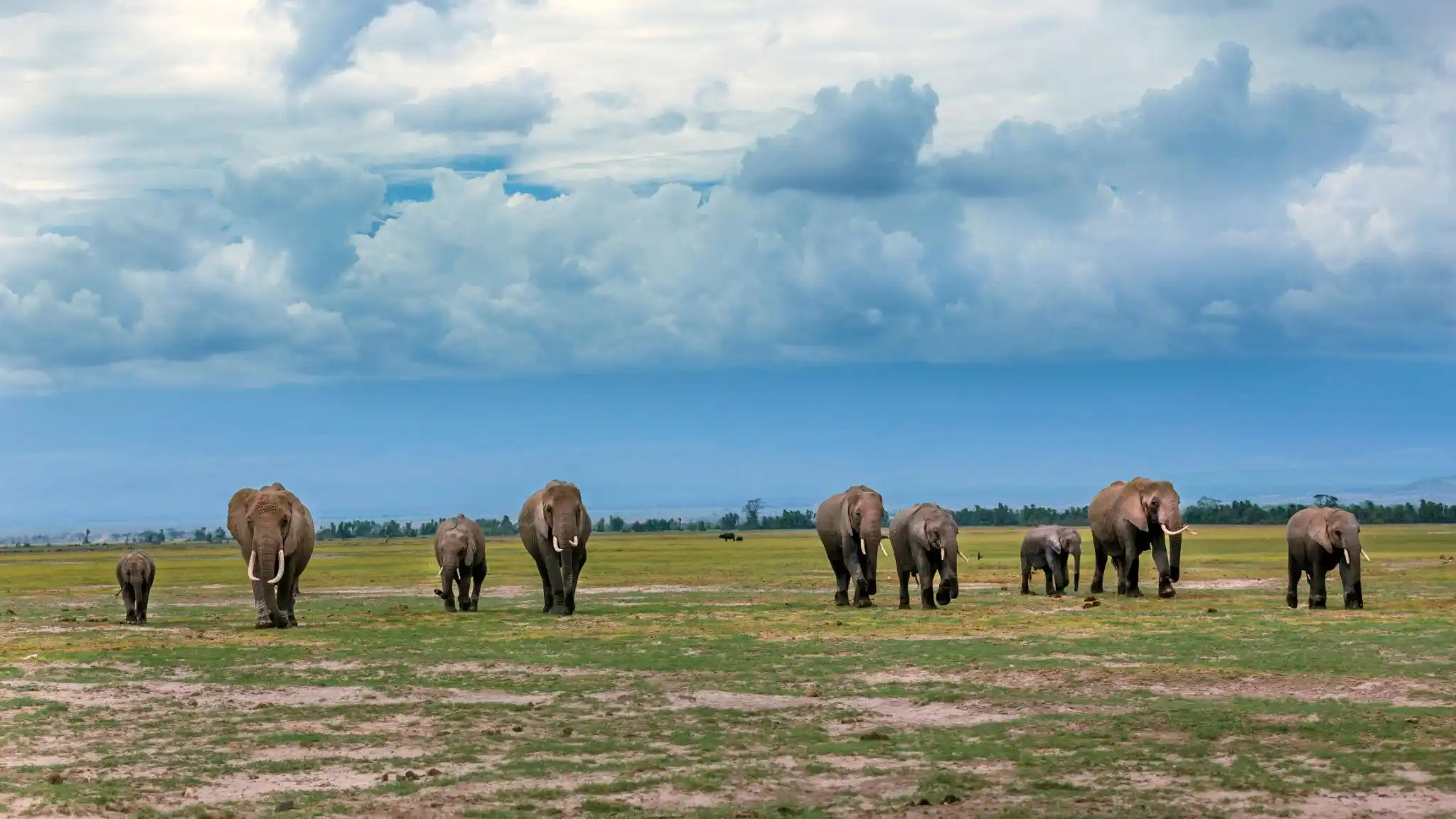 Explore Amboseli National Park
Amboseli National Park is a renowned wildlife reserve located in Kajiado County, southern Kenya, near the border with Tanzania. It is celebrated for its striking views of Mount Kilimanjaro and its large free-ranging herds of African elephants, making it one of the most photographed and visited safari destinations in East Africa. Amboseli’s landscape combines open savanna, acacia woodland, marshes, and seasonal lakes, dominated by the backdrop of snow-capped Kilimanjaro. It supports diverse wildlife including elephants, lions, cheetahs, giraffes, zebras, and hundreds of bird species. The park’s wetlands, fed by underground water from Kilimanjaro’s melting glaciers, provide a year-round water source crucial for its ecosystem. Amboseli is managed by the Kenya Wildlife Service and is part of the country’s vital eco-tourism circuit. Game drives, photography safaris, and cultural visits to Maasai villages attract visitors globally. Conservation challenges include habitat pressure from surrounding human activity and climate change impacts, but collaborative management efforts aim to preserve Amboseli’s rich natural heritage.
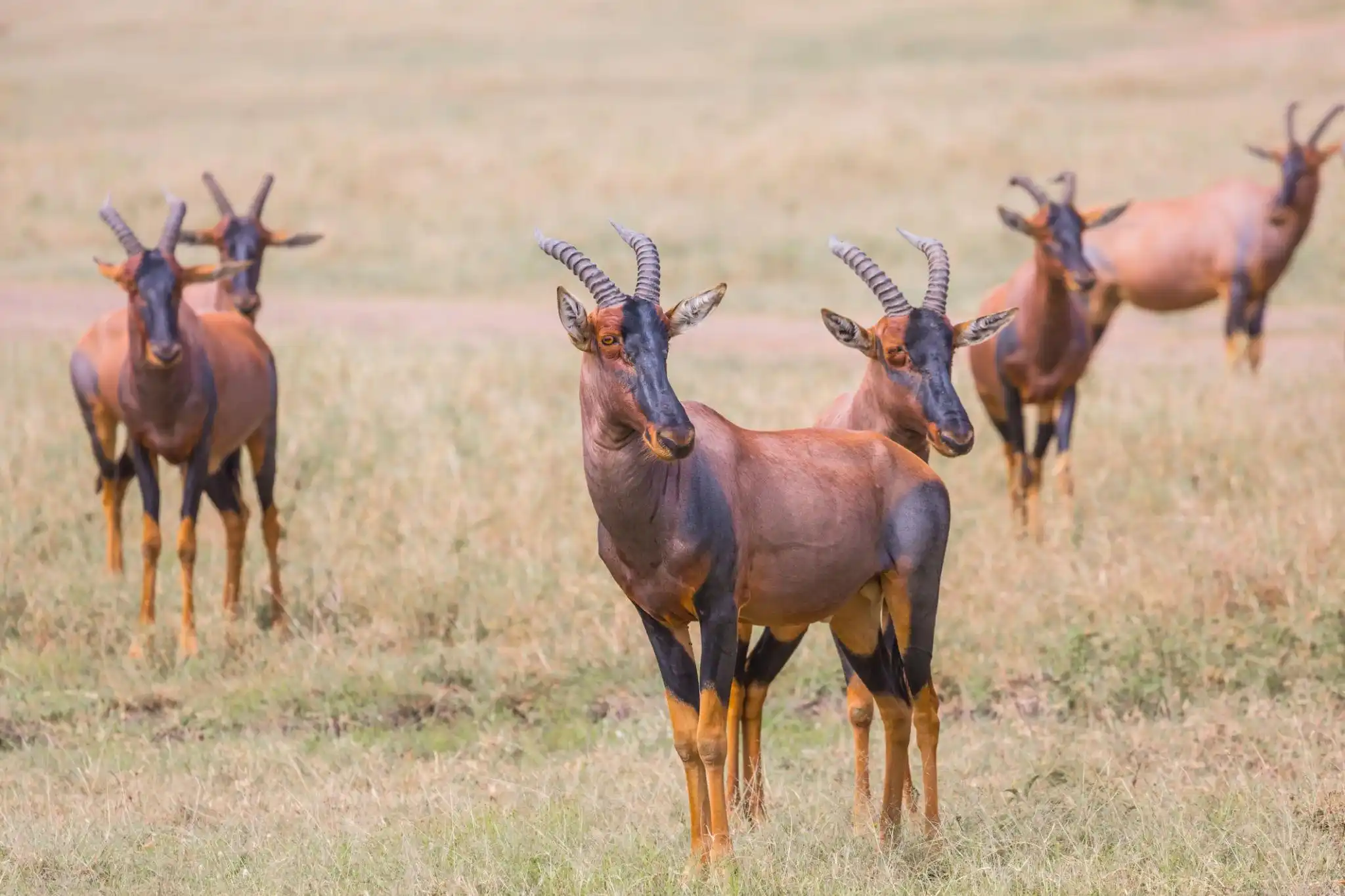 Visit the famous Maasai Mara National Reserve
The Maasai Mara National Reserve is a vast wildlife conservation area in southwestern Kenya, renowned for its exceptional biodiversity and dramatic landscapes of open savanna. It forms the northern continuation of Tanzania’s Serengeti National Park and is globally recognized for the Great Migration and its dense populations of predators and herbivores. The reserve lies along the Great Rift Valley’s western escarpment and is crossed by the Mara and Talek rivers, which sustain abundant wildlife year-round. Its rolling grasslands and scattered acacia trees support one of Africa’s richest ecosystems, hosting lions, elephants, buffalo, leopards, rhinoceroses, cheetahs, and hundreds of bird species. Tourism in the Maasai Mara is a cornerstone of Kenya’s economy, with activities including game drives, hot-air balloon safaris, and cultural village visits. Responsible tourism initiatives aim to minimize habitat impact while providing local livelihoods and supporting conservation through park fees and community partnerships.