
Travel to Panama
 3 photos
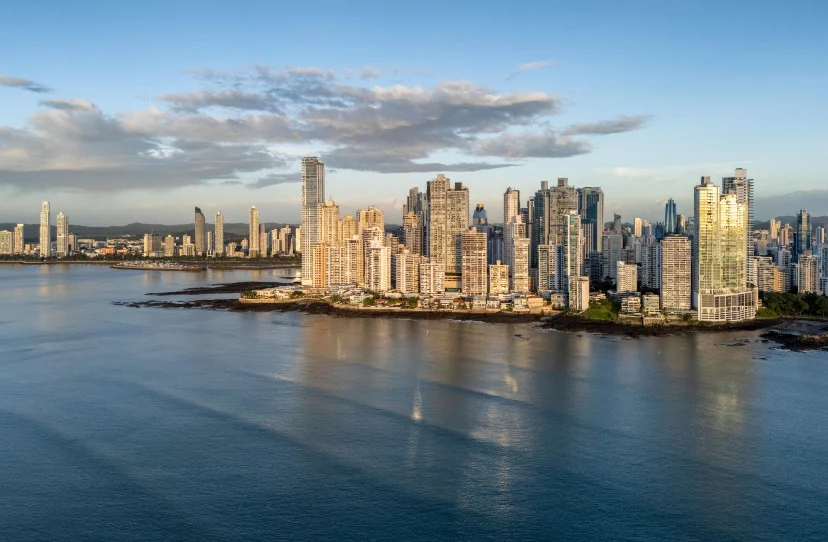
Panama is a Central American country situated on the Isthmus of Panama, the land bridge connecting North and South America. It is globally recognized for the Panama Canal, a vital maritime route linking the Atlantic and Pacific Oceans. The country combines tropical biodiversity, a strategic geographic position, and a service-oriented economy that anchors its regional significance.
Panama’s S-shaped territory is bounded by the Caribbean Sea to the north and the Pacific Ocean to the south, bordered by Costa Rica and Colombia. Mountain ranges run through its center, with fertile lowlands and more than 1,600 offshore islands. The country’s ecosystems include rainforests, cloud forests, and extensive mangroves, making it a hotspot for biodiversity.
Hotels in Panama
 Soberanía National Park
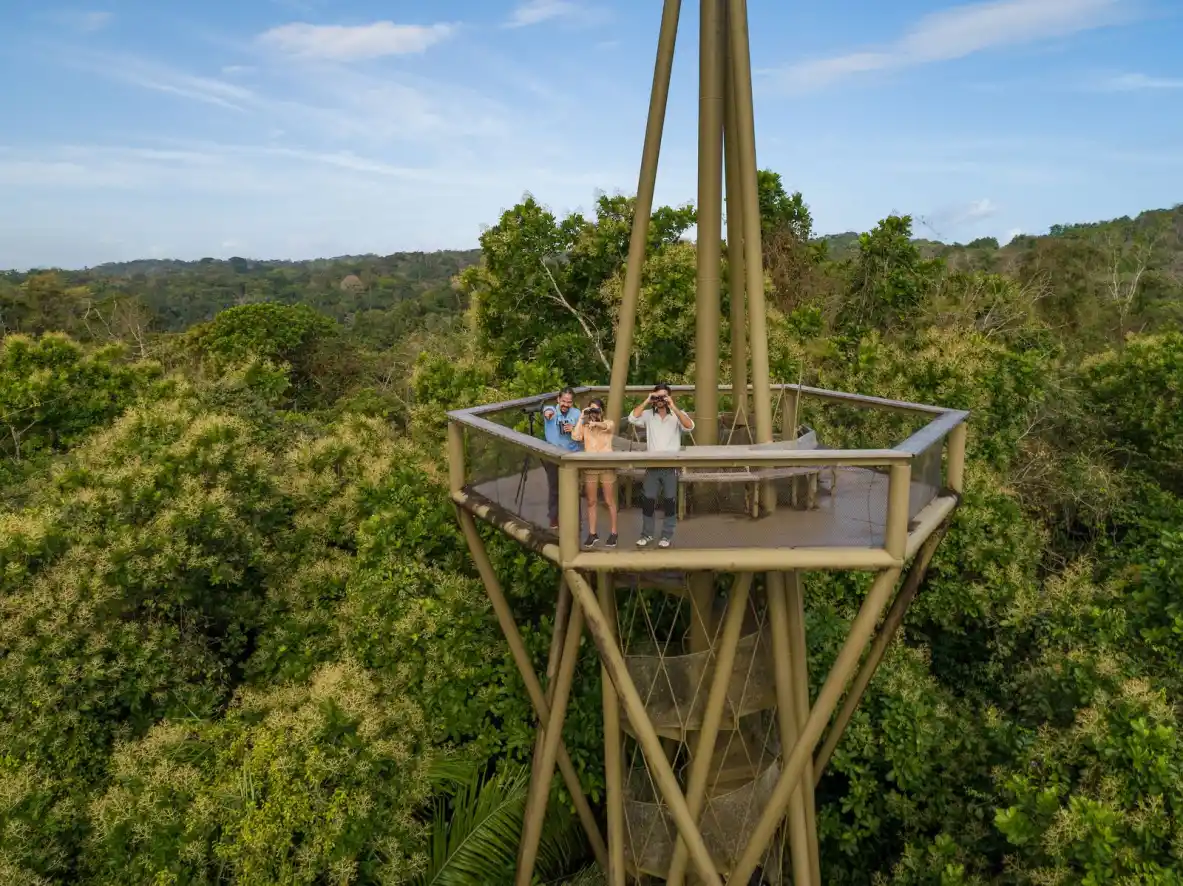
Soberanía National Park is a protected tropical rainforest in Panama Province, Panama, along the eastern bank of the Panama Canal. Established to safeguard the canal watershed, it’s one of Central America’s most accessible spots for bird-watching and wildlife observation. Its trails, rivers, and dense canopy lie only about 25 km from Panama City.
Volcan Baru
Volcán Barú is a dormant stratovolcano and the highest peak in Panama, rising 3,475 m (11,401 ft) above sea level in the province of Chiriquí. It forms the centerpiece of Parque Nacional Volcán Barú, a protected area renowned for its biodiversity and sweeping views of both the Pacific and Caribbean coasts on clear days. The national park protects a continuum of ecosystems from lowland tropical forest to alpine scrub. It harbors more than 400 species of animals, including pumas, ocelots, coatis, and the resplendent quetzal. Cloud forests filled with mosses, bromeliads, and orchids make the area a hotspot for birdwatching and botany.
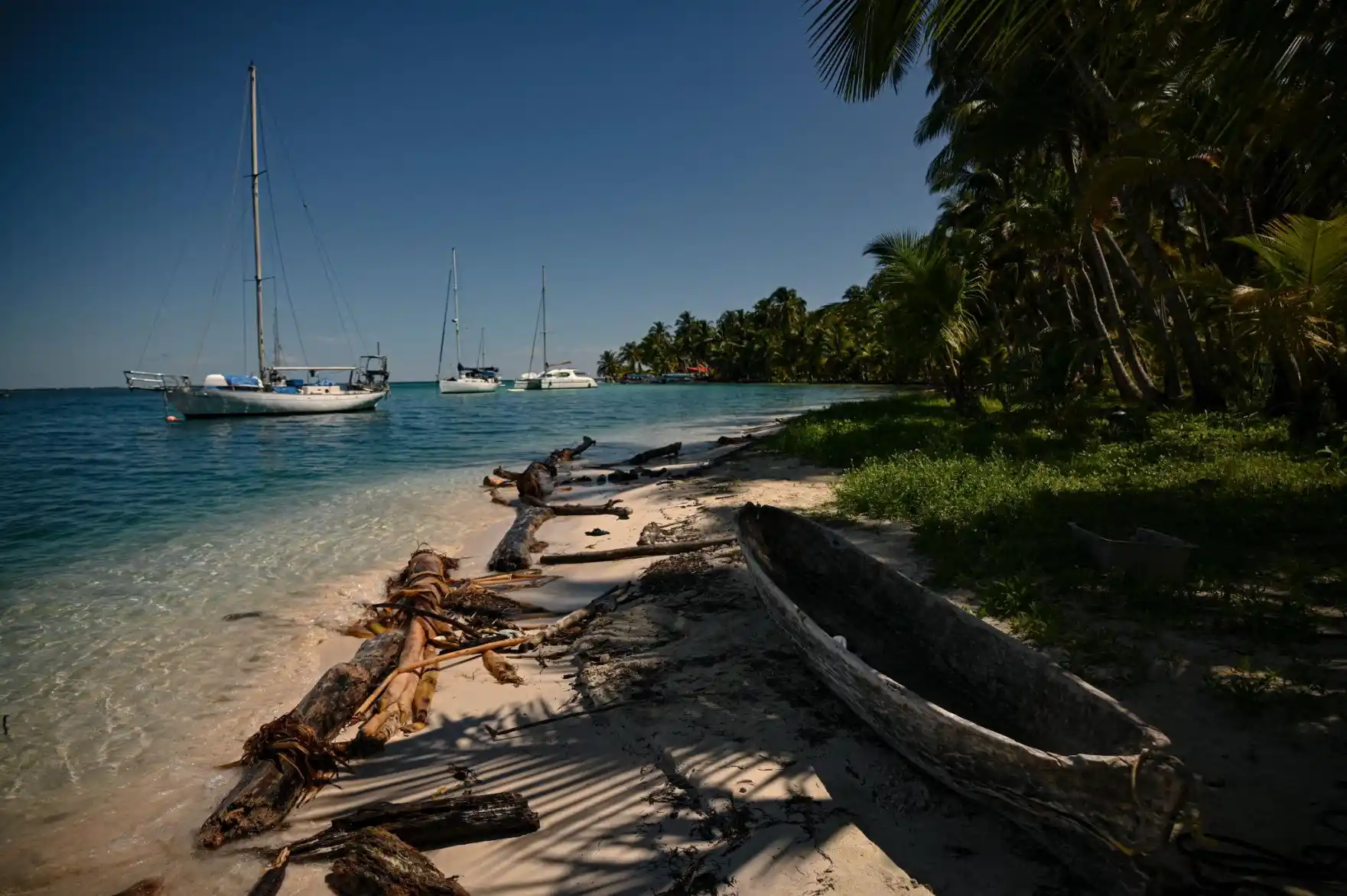 Guna Yala
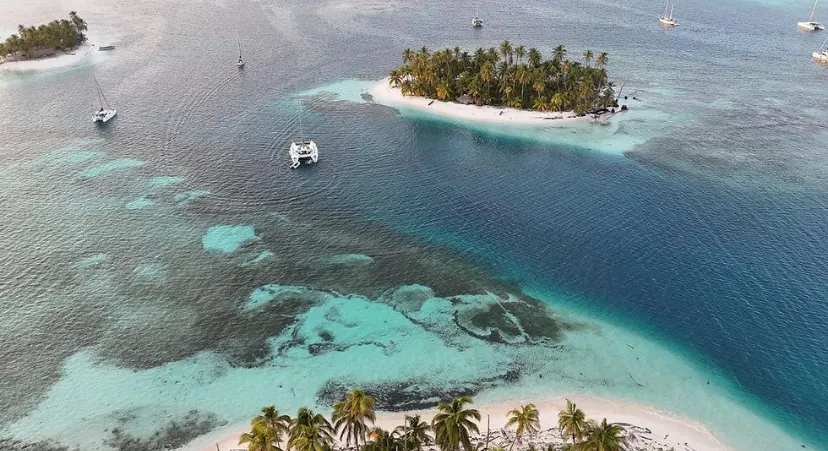
Guna Yala is an autonomous indigenous comarca (region) along the Caribbean coast of Panama, home to the Guna people. Known for its turquoise archipelago often called the San Blas Islands, it is both a center of Guna self-governance and one of Panama’s most distinct cultural and ecological areas. Guna Yala stands as a model of indigenous autonomy in Latin America balancing sovereignty, ecological preservation, and controlled tourism. Its ongoing stewardship of land and sea continues to shape debates about cultural resilience and sustainable development in Panama.
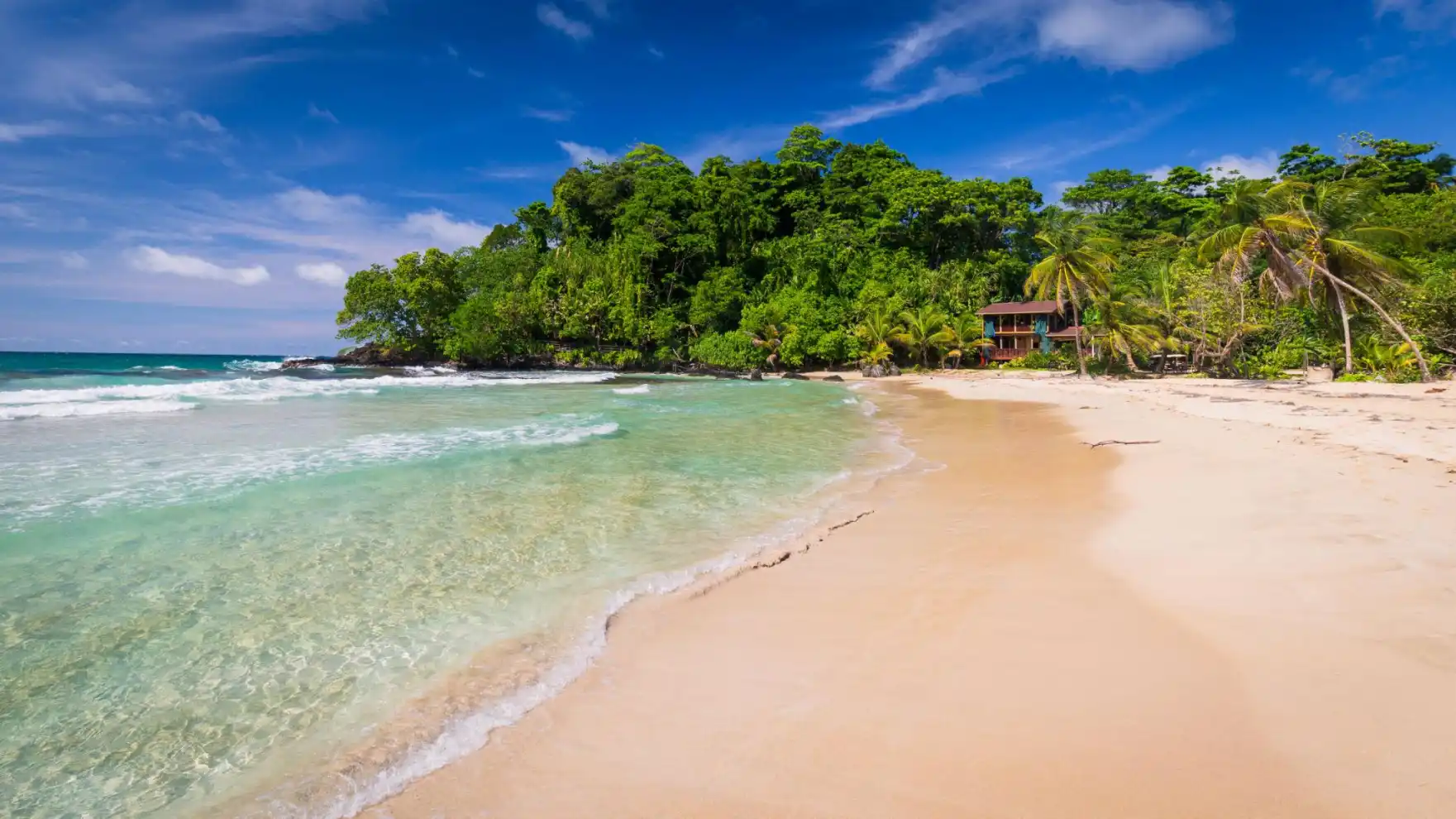 Bocas del Toro
Bocas del Toro is a province in northwestern Panama, known for its Caribbean archipelago, tropical rainforests, and rich cultural mix of Afro-Caribbean and Indigenous influences. It is a major eco-tourism destination celebrated for its coral reefs, beaches, and biodiversity within both land and marine protected areas. The province covers both mainland and island territories along the Caribbean coast. Its archipelago includes nine main islands and numerous cays. The region’s mangroves, coral reefs, and tropical forests form part of the Mesoamerican Biological Corridor, supporting species such as sloths, sea turtles, and poison dart frogs.
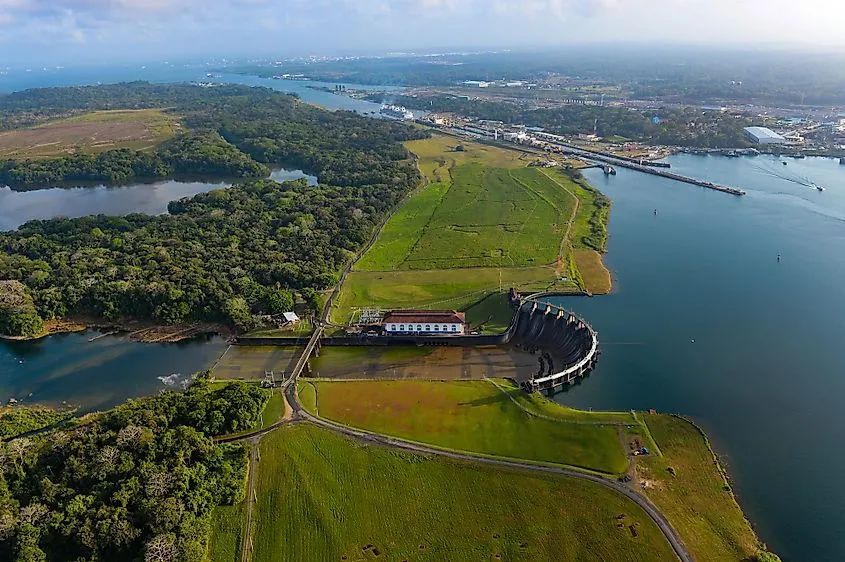 Panama Canal
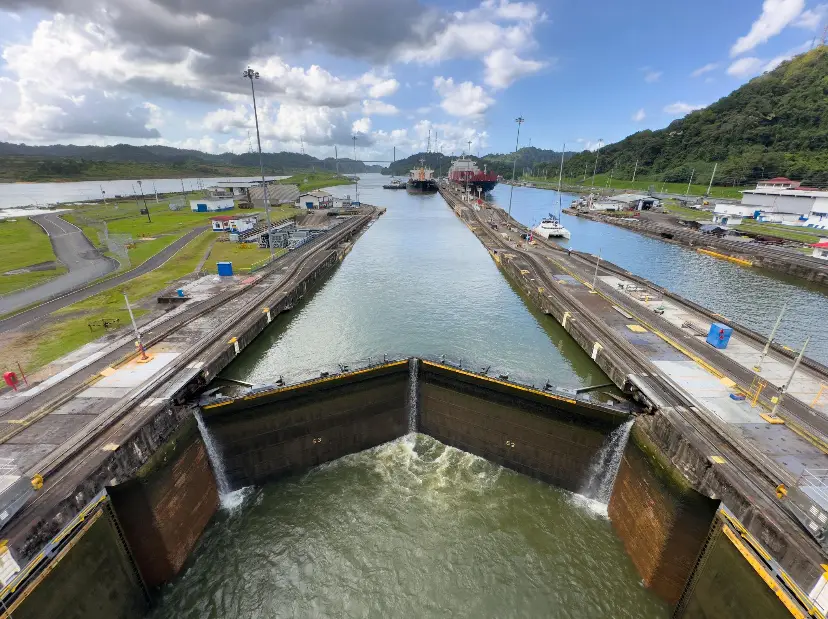
The Panama Canal is a man-made waterway connecting the Atlantic and Pacific Oceans through the Isthmus of Panama near Panama City, Panama. Completed in 1914, it revolutionized global maritime trade by dramatically shortening the voyage between the two oceans and remains one of the most strategically important shipping routes in the world. To accommodate growing maritime traffic, the Panama Canal Expansion Project (completed in 2016) added a third lane with larger locks, known as the “Neopanamax” locks. This expansion doubled capacity, enabling passage of vessels up to 366 meters long and 49 meters wide, further securing the canal’s relevance in 21st-century trade.