
Travel to United Kingdom
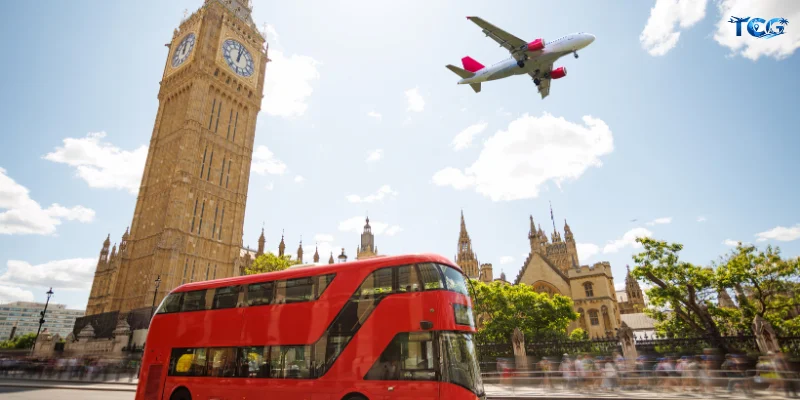
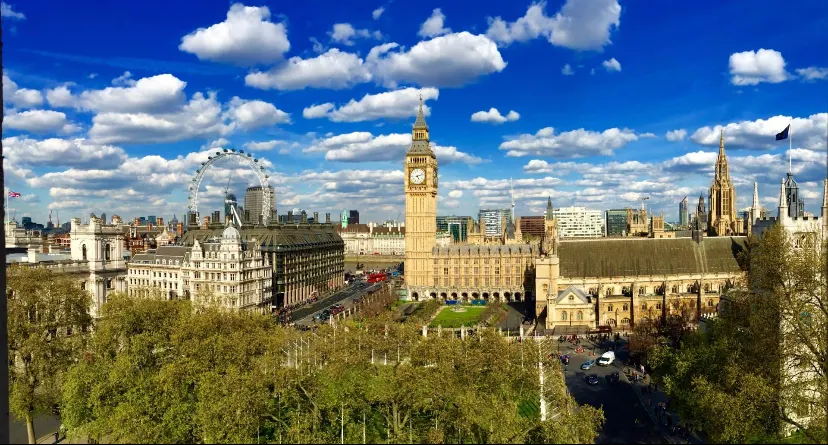
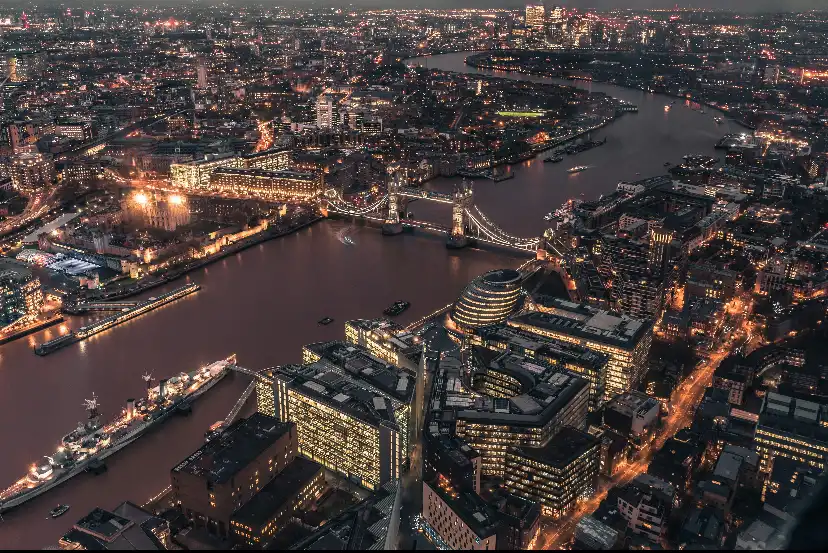 3 photos
Traveling to the United Kingdom feels like stepping into a place where history is not just preserved, but lived in every day. It’s a destination where centuries-old buildings stand alongside modern life, where tradition blends naturally with innovation, and where every city carries its own identity and story.
For many travelers, the UK is one of the easiest places to visit, especially from the United States. The shared language, familiar systems, and well-organized infrastructure make it comfortable from the start. But beyond that familiarity, there’s a depth to the experience that keeps people engaged, from the streets of London to the landscapes of Scotland and the quiet charm of the countryside.
London is often the first stop, and it delivers a little bit of everything. It’s fast-paced, diverse, and full of iconic landmarks. You can spend your day visiting historic sites, walking through museums, or simply exploring neighborhoods that each have their own character. From classic attractions to modern experiences, the city offers something for every type of traveler.
Outside of London, the United Kingdom opens up into a completely different experience. England’s countryside offers rolling hills, traditional villages, and a slower pace of life that feels peaceful and grounded. Scotland brings dramatic landscapes, castles, and a strong cultural presence that feels both proud and distinct. Wales adds rugged coastlines and scenic beauty, while Northern Ireland offers unique landscapes and a rich history shaped by its past.
What makes the UK particularly enjoyable is how easy it is to move around. The train system connects major cities efficiently, making it possible to explore multiple destinations in one trip without stress. Whether you’re traveling for a few days or a few weeks, you can create a journey that feels full without being overwhelming.
The cultural experience in the UK is also a major highlight. From theater shows in London’s West End to local festivals, live music, and sporting events, there is always something happening. Museums and galleries are widely accessible, with many offering free entry, giving visitors the chance to explore art, history, and science without limitation.
Food in the United Kingdom has evolved significantly over time. While traditional meals like fish and chips or a full English breakfast remain popular, the country now offers a wide range of global cuisines. Cities like London are especially known for their diverse food scene, reflecting cultures from all over the world.
Another part of the experience that stands out is the people. While the UK is often seen as reserved, visitors quickly notice a polite and respectful culture that makes interactions smooth and comfortable. There’s a sense of order and structure that helps everything feel organized, from transportation to everyday services.
Shopping, entertainment, and lifestyle all come together to create a well-rounded destination. Whether you’re browsing high-end stores, exploring local markets, or enjoying a quiet café, the UK offers a mix of experiences that feel both classic and modern.
In many ways, the United Kingdom offers a complete travel experience. It’s easy to navigate, rich in culture, and diverse enough to keep every part of your journey interesting. Whether you’re visiting for history, business, leisure, or exploration, the UK provides a destination that feels both familiar and deeply rewarding.
Hotels in United Kingdom
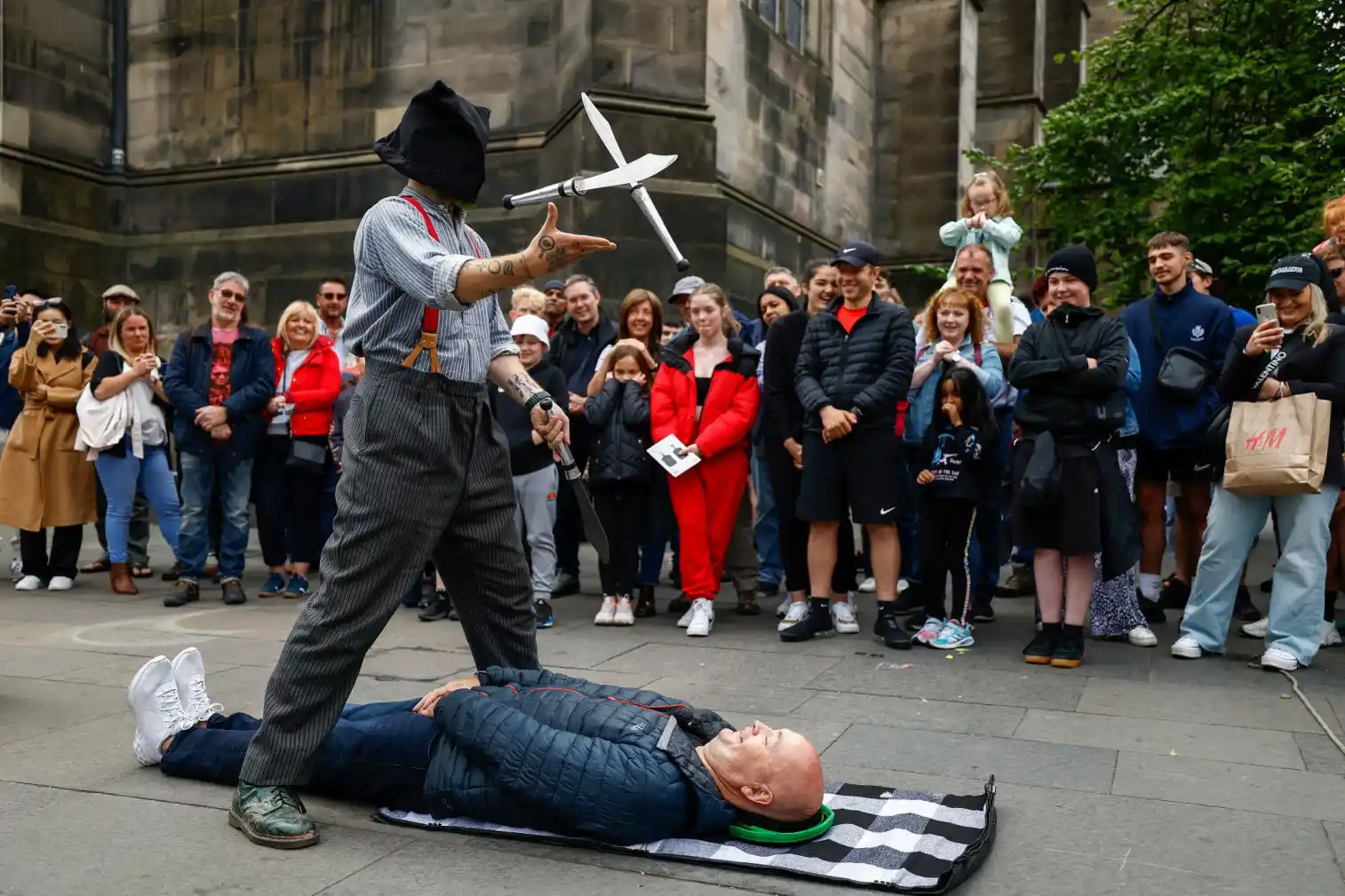 Edinburgh Festival Fringe
The Edinburgh Festival Fringe is the world’s largest open-access arts festival, held every August in Edinburgh, Scotland. For three weeks, it transforms the city into a global stage showcasing theater, comedy, music, dance, and performance art from both emerging and established artists. The Fringe spans every genre of live performance, from stand-up and spoken word to opera and circus. Venues range from grand theaters and churches to pubs, courtyards, and converted shipping containers. The Royal Mile becomes a hub of street performance and promotion, with artists handing out flyers and giving impromptu previews. The Fringe has launched the careers of many well-known performers, including Emma Thompson, Hugh Laurie, Robin Williams, and Phoebe Waller-Bridge. It is widely credited with reshaping modern British comedy and independent theater by providing a platform for experimentation and discovery.
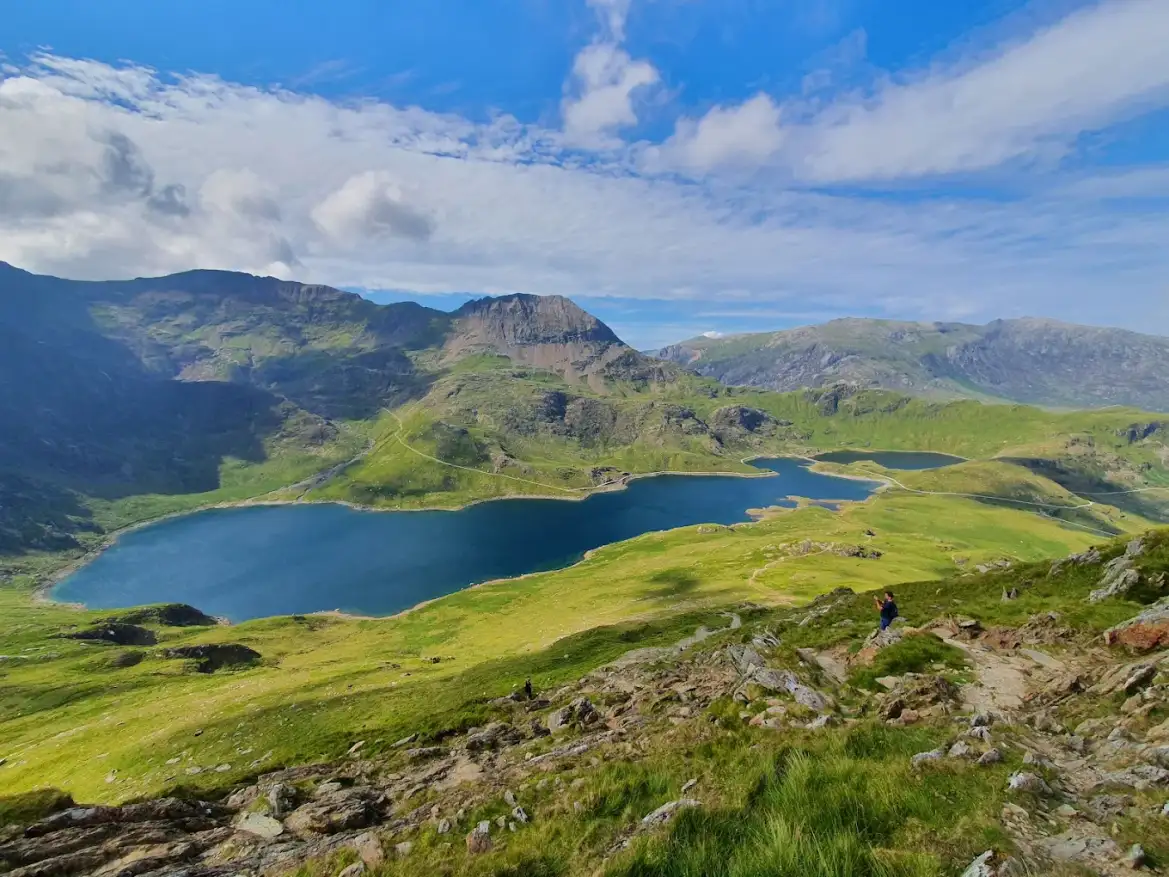 Snowdonia National Park
Snowdonia National Park, known in Welsh as Parc Cenedlaethol Eryri, is a protected mountainous region in northwest Wales. Established in 1951 as the country’s first national park, it covers about 823 square miles (2,132 sq km) of peaks, forests, rivers, and coastline. It is celebrated for its rugged beauty, cultural heritage, and the Welsh language that thrives among its 26,000 residents. Habitats range from alpine peaks to coastal wetlands, supporting peregrine falcons, red kites, otters, and the rare Snowdon lily. Conservation projects led by the Snowdonia National Park Authority include woodland restoration and peatland recovery to enhance biodiversity and carbon storage. Visitors come for hiking, climbing, cycling, kayaking, and stargazing. The Snowdon Mountain Railway (opened 1896) and the Sherpa’r Wyddfa bus connect trailheads and villages such as Llanberis, Betws-y-Coed, and Beddgelert. Cader Idris and Tryfan offer additional celebrated climbs, while Coed y Brenin forest is a national hub for mountain biking. Snowdonia remains both a working landscape and a national symbol of Welsh identity. Its combination of dramatic scenery, living culture, and accessible adventure make it one of Britain’s most treasured natural regions.
See The Big Ben
Big Ben is the nickname for the Great Bell housed in the Elizabeth Tower at the north end of the Palace of Westminster in London, England. Though the name is often used for the whole clock tower, it properly refers to the bell whose hourly chimes have become a sound emblem of Britain. The tower and its clock are among the most recognizable symbols of London and the United Kingdom. Construction followed the 1834 fire that destroyed the old Palace of Westminster. The first bell cracked in 1856; the current one was cast in 1858 and began service in 1859, later repaired after another crack. The tower was renamed Elizabeth Tower in 2012, and extensive conservation between 2017 and 2022 restored the clock, dials, and stonework. The tower is adjacent to Parliament Square and Westminster Abbey. UK residents can apply through their MP for tours; general visitors may explore the surrounding area and take tours of the Houses of Parliament. The nearest Underground station is Westminster, on the Jubilee, District, and Circle lines.
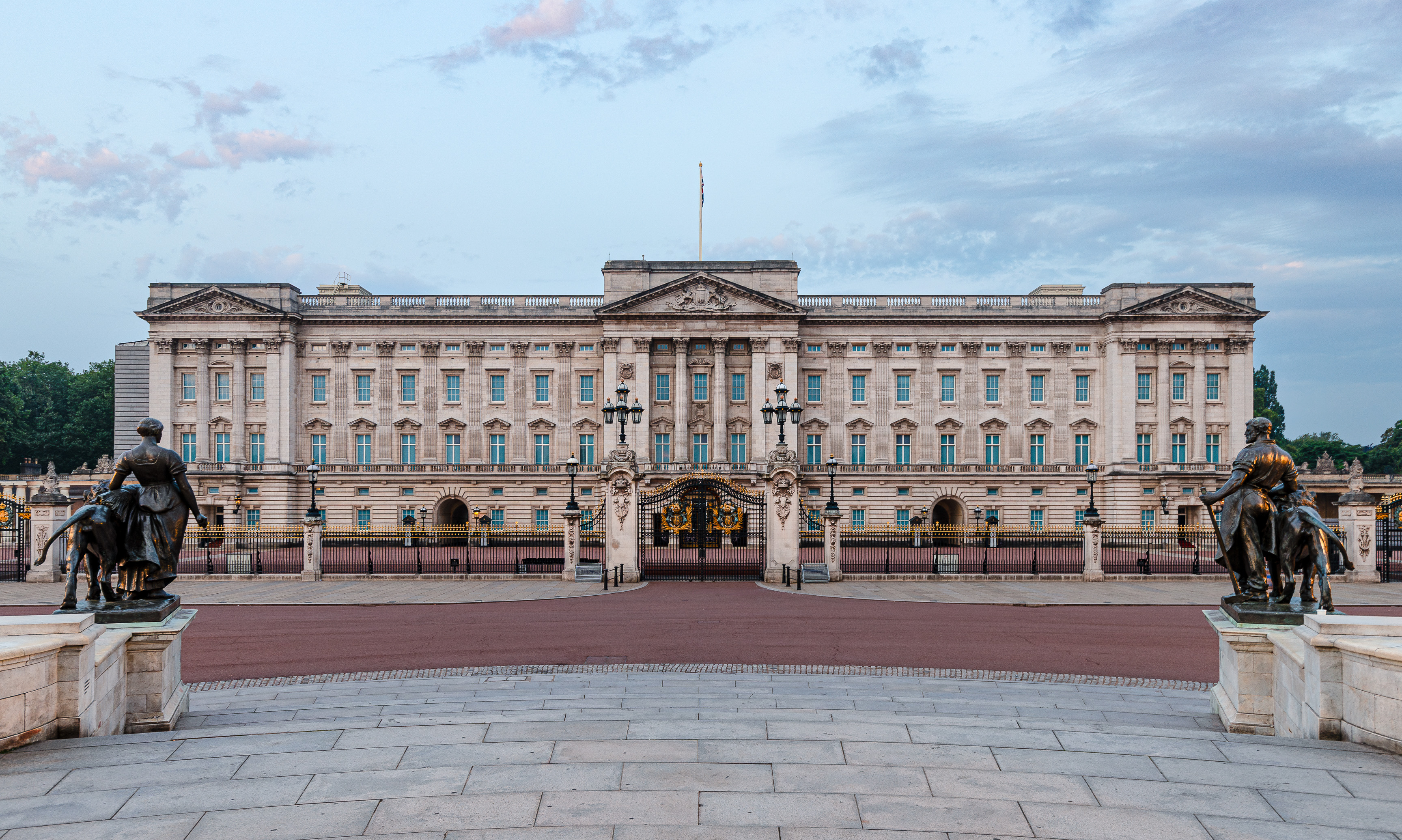 Buckingham Palace
Buckingham Palace is the official London residence and administrative headquarters of the British monarch. Located in Westminster, it serves both as a working royal palace and a national symbol of the United Kingdom’s constitutional monarchy. It remains a focal point for state ceremonies, official receptions, and national celebrations. Buckingham Palace remains an active workplace where the monarch meets foreign dignitaries, hosts garden parties, and marks national occasions. Its forecourt is the site of the Changing of the Guard, a centuries-old military ceremony performed by the Household Division. The palace balcony, overlooking the Queen Victoria Memorial, provides the setting for royal appearances during jubilees and national events.
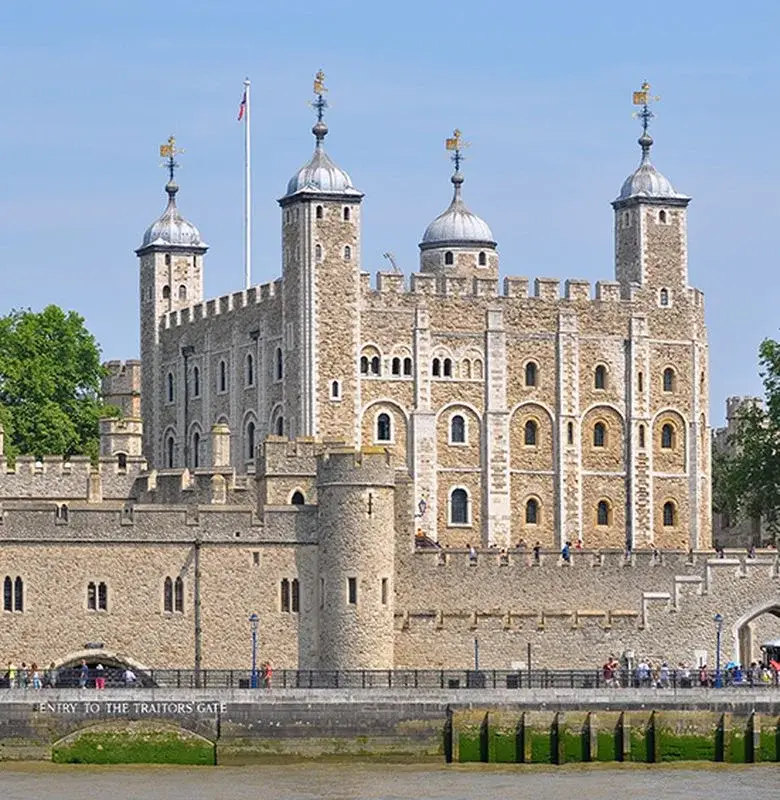 Visit The Tower Of London
The Tower of London is a historic castle and royal fortress on the north bank of the River Thames in central London, England. Built by William the Conqueror in the late 11th century, it has served as a palace, prison, armory, treasury, and symbol of royal authority for nearly a millennium. Today, it is one of Britain’s most visited landmarks and a UNESCO World Heritage Site. The White Tower exemplifies Norman military architecture, with thick limestone walls, rounded turrets, and a Romanesque chapel of St John the Evangelist. Surrounding it are inner and outer curtain walls reinforced by towers including the Bloody Tower, Wakefield Tower, and Beauchamp Tower. Once guarded by a moat fed by the Thames, the fortress now hosts ceremonial artillery and the living quarters of the Yeoman Warders, popularly known as Beefeaters. Managed by Historic Royal Palaces, the Tower draws over two million visitors annually. It continues to host military ceremonies like the nightly Ceremony of the Keys and gun salutes on royal occasions. Restoration and conservation efforts preserve its medieval fabric while maintaining its role as a living monument to nearly a thousand years of English history.