
Travel to Antigua and Barbuda
 4 photos
Antigua and Barbuda is a small island country located in the eastern Caribbean Sea. It is made up of two main islands, Antigua and Barbuda, along with several smaller islands. Despite its relatively small size, the country is known around the world for its beautiful beaches, rich history, and vibrant culture. Antigua and Barbuda is a member of the Commonwealth, with the British monarch serving as the head of state, while the country is governed by its own elected government.
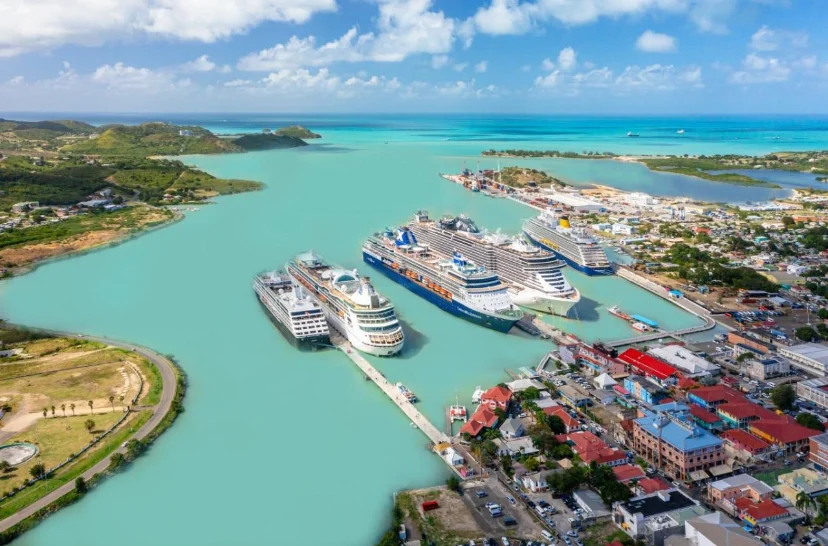
The capital city is St. John’s, situated on the island of Antigua. It is the country’s main commercial center and largest city, featuring colorful buildings, busy markets, and a lively harbor that welcomes cruise ships from around the world. English is the official language, making communication easy for many visitors, while the local dialect reflects the islands’ African and British heritage.
The history of Antigua and Barbuda dates back thousands of years, when indigenous peoples such as the Arawaks and Caribs inhabited the islands. In 1493, the islands were sighted by the explorer Christopher Columbus during his second voyage to the Americas. The British later colonized Antigua in the 17th century, establishing sugar plantations that depended heavily on enslaved African labor. This period greatly influenced the country’s demographics, culture, and traditions. Antigua and Barbuda eventually gained independence from the United Kingdom on November 1, 1981.
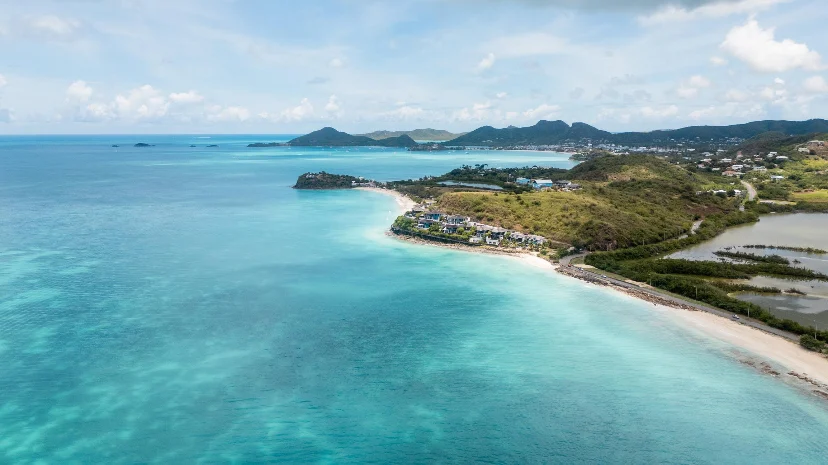
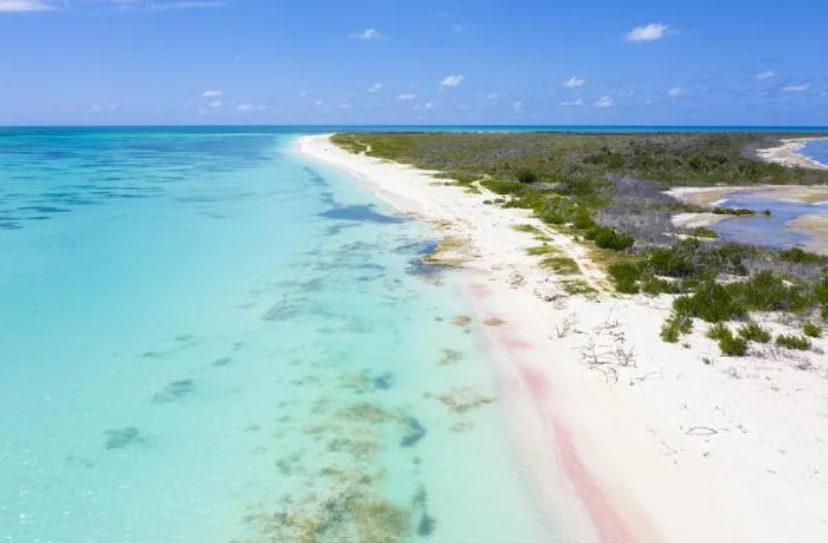
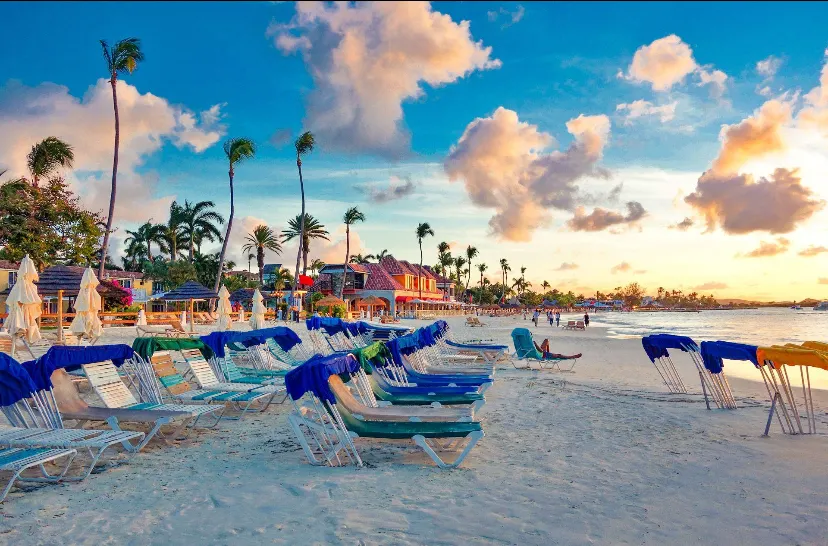
Tourism is the backbone of the nation’s economy. Antigua is famous for its claim of having 365 beaches—one for every day of the year. Visitors are attracted to pristine white sands, turquoise waters, and excellent sailing conditions. Popular attractions include Nelson’s Dockyard, a restored Georgian naval base and a UNESCO World Heritage Site. Barbuda, the smaller sister island, is renowned for its untouched natural beauty, pink sand beaches, and large frigate bird sanctuary.
Agriculture and financial services also contribute to the economy, although tourism remains the largest source of income and employment. The country has worked to diversify its economy and improve infrastructure, including roads, ports, and telecommunications, to support growth and attract investment.
The culture of Antigua and Barbuda is a vibrant blend of African, British, and Caribbean influences. Music and dance play an important role in everyday life, with genres such as calypso, reggae, and soca being especially popular. The annual Antigua Carnival is one of the country’s biggest celebrations, featuring colorful costumes, parades, music competitions, and street parties.
Today, Antigua and Barbuda is admired for its political stability, friendly people, and stunning natural environment. Its combination of historical significance, cultural richness, and breathtaking scenery makes it one of the Caribbean’s most attractive destinations and a unique nation with a proud identity.