

Travel to Botswana

 3 photos
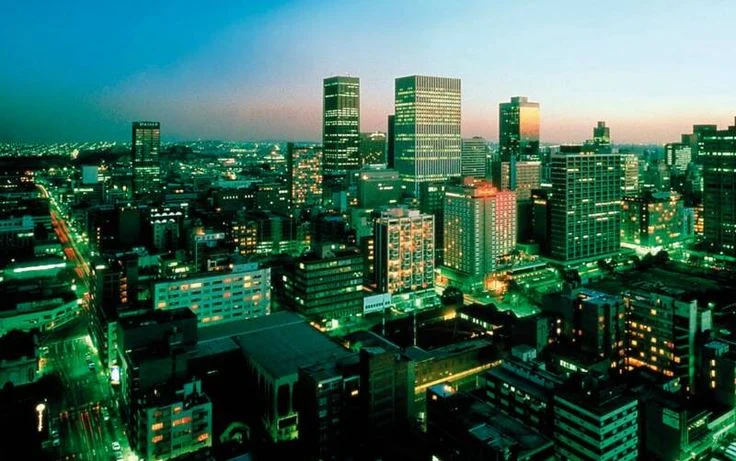
Botswana is a landlocked country in southern Africa bordered by South Africa, Namibia, Zimbabwe, and Zambia. Known for its stable democracy and abundant wildlife, it has transformed from one of the world’s poorest nations at independence in 1966 into an upper-middle-income state driven largely by diamond mining and tourism. Botswana occupies a gently rolling plateau averaging 1,000 m in elevation. Roughly 84 % of its surface is covered by the Kalahari Desert, while the Okavango Delta in the north forms one of the world’s largest inland wetlands. Rainfall is sparse and concentrated in the summer months, creating a semi-arid climate. Major wildlife areas such as the Chobe National Park and the Central Kalahari Game Reserve make the country a leading safari destination.
Hotels in Botswana
 The Makgadikgadi Pans
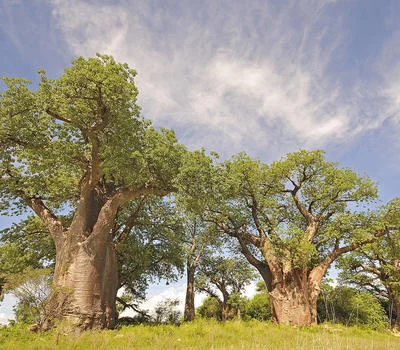
The Makgadikgadi Pans in Botswana form one of the world’s largest salt flat systems, a vast network of shimmering white basins in the country’s northeast. Once part of the prehistoric Lake Makgadikgadi, the area now offers an otherworldly landscape that transforms seasonally between arid desert and ephemeral wetland teeming with life. During the dry season, the pans appear barren, supporting only algae and hardy grasses along the fringes. Seasonal rains flood them into shallow lakes, drawing Africa’s second-largest zebra and wildebeest migration, followed by predators like lions, cheetahs, and brown hyenas. Flamingos and pelicans flock to Sowa Pan, one of southern Africa’s few regular flamingo-breeding sites. Year-round residents include meerkats, bat-eared foxes, and oryx adapted to the desert extremes.
 National Museum and Art Gallery
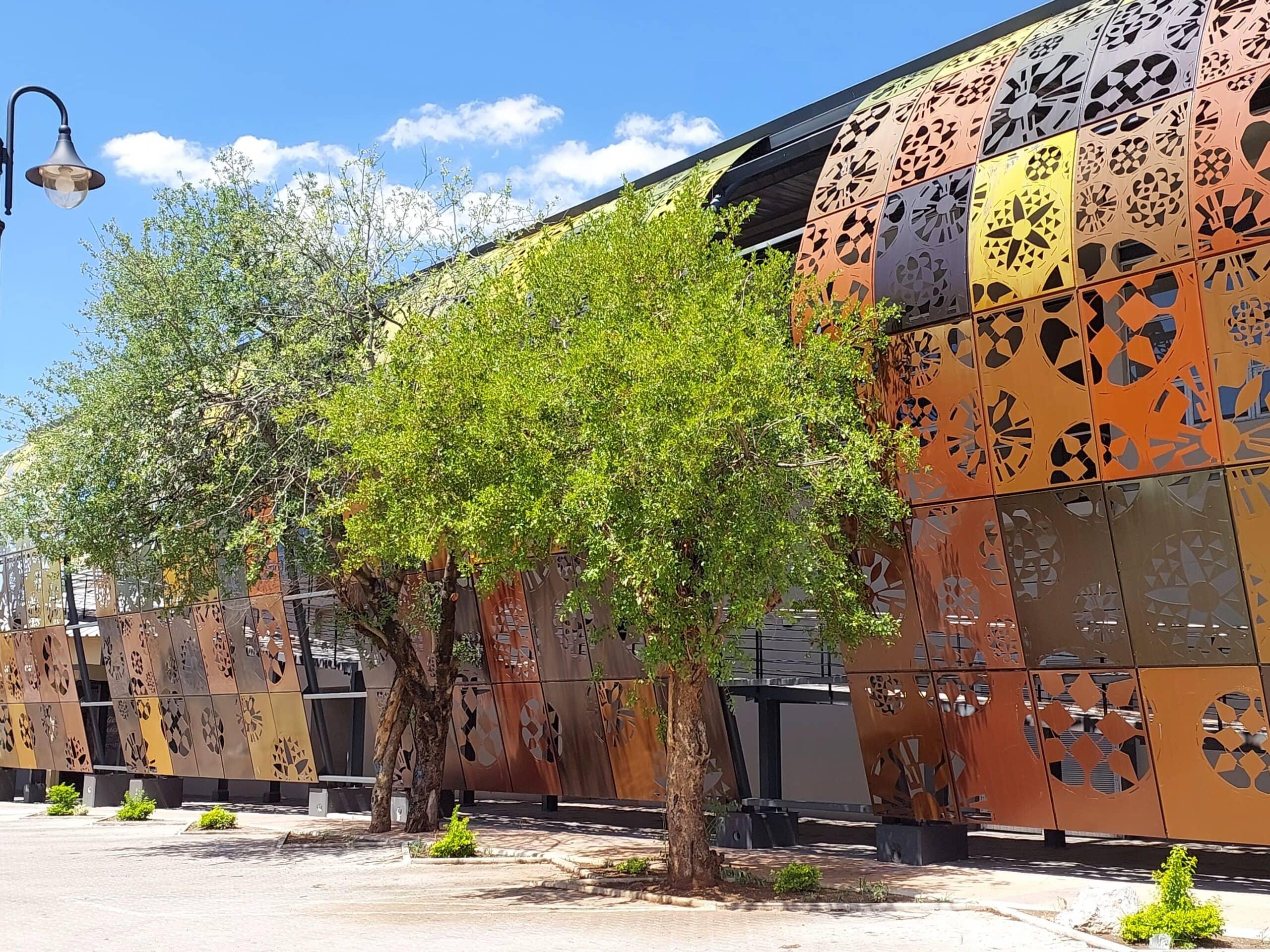
The National Museum and Art Gallery in Gaborone is Botswana’s principal cultural institution, dedicated to preserving and showcasing the nation’s heritage. Established in 1967, it houses ethnographic, archaeological, and artistic collections that reflect Botswana’s diverse cultures, natural history, and creative expression. The museum was inaugurated shortly after Botswana’s independence to safeguard the new nation’s cultural identity. Initially modest in scale, it expanded through international collaborations and government initiatives to include permanent galleries, archives, and educational programs. It has played a central role in national heritage preservation and research since its founding.
 Chobe National Park
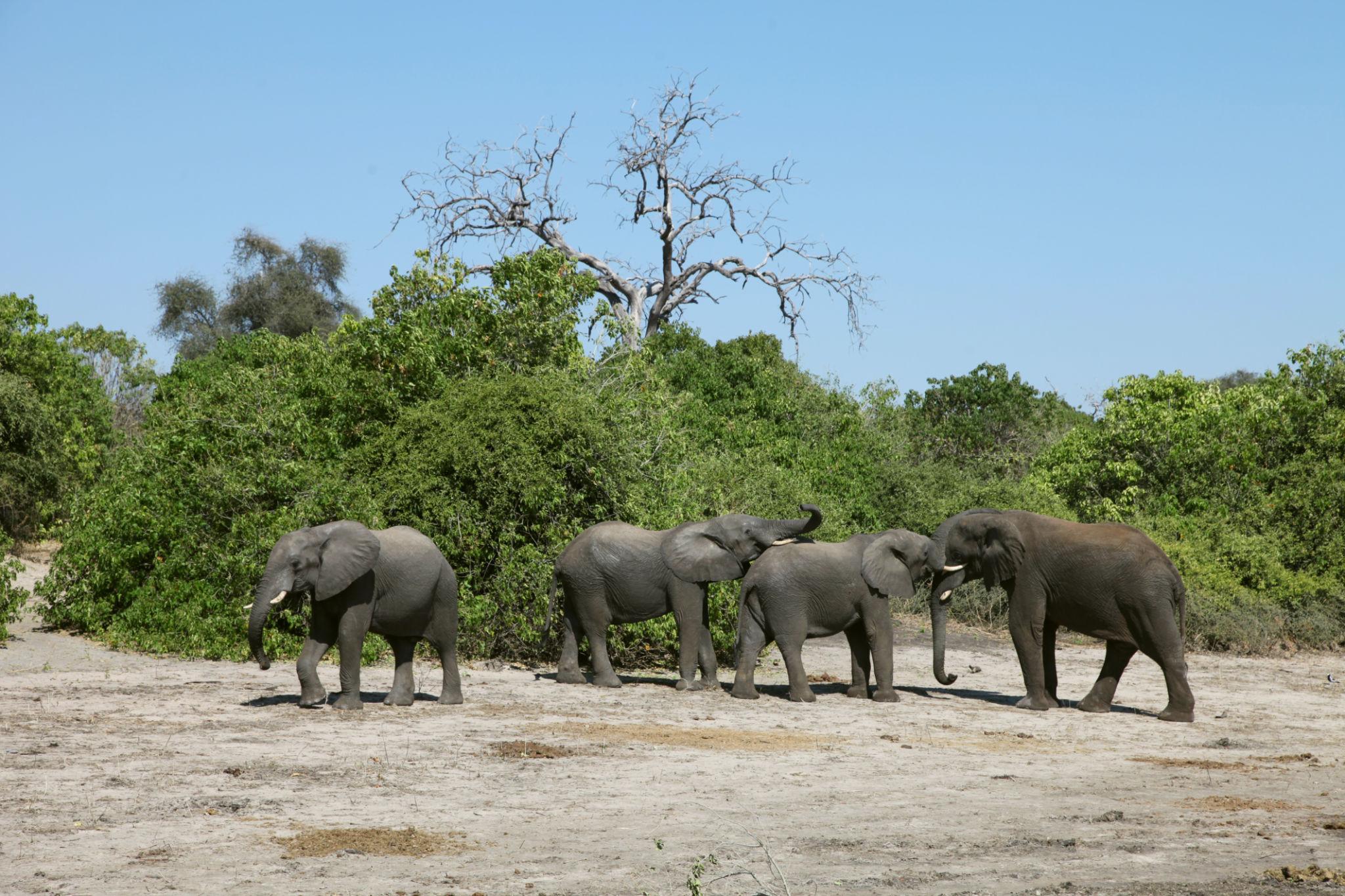
Chobe National Park is Botswana’s first national park and one of Africa’s premier wildlife reserves, spanning about 11,700 km² in the country’s north. It is world-renowned for harboring the continent’s largest concentration of elephants estimated between 50,000 and 120,000 and for the dramatic scenery along the Chobe River. The park’s northern edge follows the Chobe River, whose floodplains sustain dense wildlife year-round. Landscapes vary from lush riverine forests to dry mopane woodland and open savannah. Chobe comprises four main ecological zones: the Riverfront, Savuti Marsh, Linyanti Marshes, and Ngwezumba Pans. Each area hosts distinct habitats and species, from aquatic life to large predators.
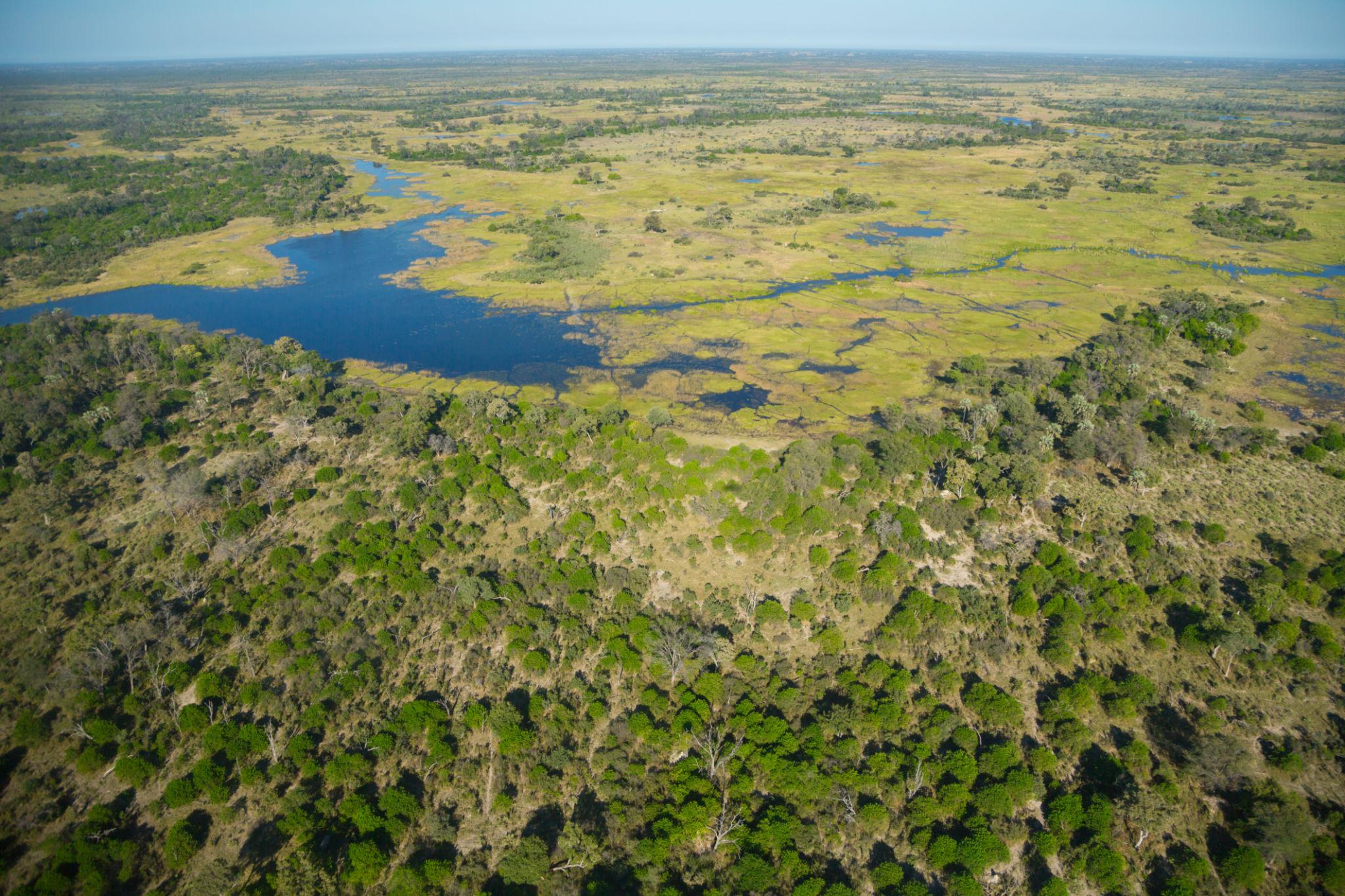 The Okavango Delta
The Okavango Delta is a vast inland river delta in northern Botswana, where the Okavango River spreads across the Kalahari Basin instead of reaching the sea. It forms one of the world’s largest and most pristine wetlands, sustaining a remarkable concentration of wildlife and serving as a critical ecological refuge. Fed by seasonal rainfall in Angola, the Okavango River flows south into Botswana, where it disperses across a tectonic trough in the Kalahari Desert. Annual flooding peaks between June and August, paradoxically during Botswana’s dry season, creating a dynamic mosaic of lagoons, channels, and islands that expand and contract with the water cycle.