

Travel to Burkina Faso
 1 photos
Burkina Faso is a landlocked nation in West Africa officially known as the People’s Republic of Burkina Faso. With its capital in Ouagadougou, it is bordered by Mali, Niger, Benin, Togo, Ghana, and Côte d’Ivoire. The country is part of the Sahel region and is notable for its agricultural economy, gold production, and evolving political landscape.
Formerly called Upper Volta under French colonial rule, the country was renamed Burkina Faso in 1984 by then-president Thomas Sankara, meaning “Land of Incorruptible People.” Since independence, Burkina Faso has undergone multiple coups, most recently in 2022, reflecting ongoing tensions between civilian governance and military control.
Hotels in Burkina Faso
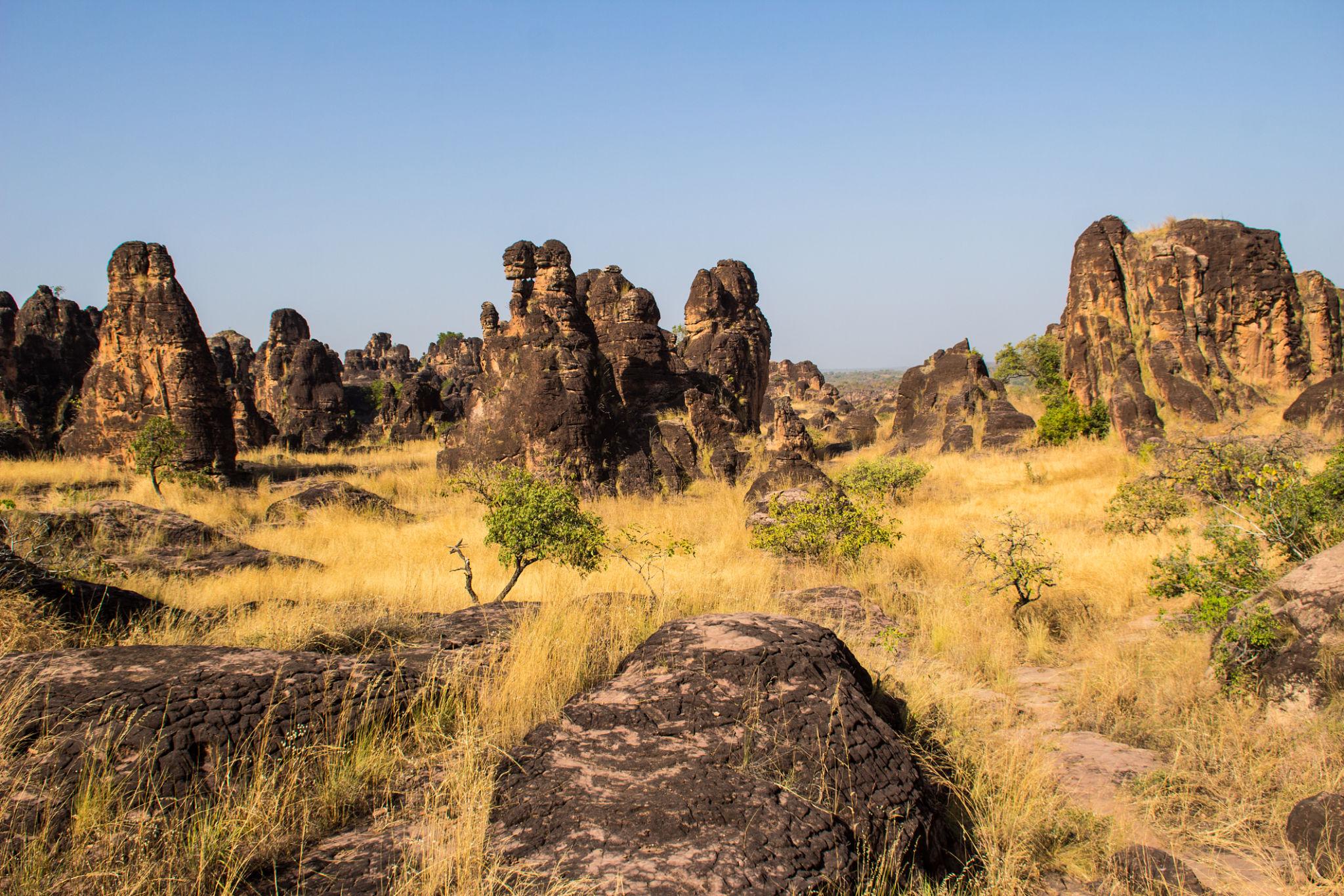 Sindou Peaks
The Sindou Peaks are a striking cluster of sandstone rock formations located near the town of Sindou in southwestern Burkina Faso. Characterized by dramatic spires and ridges sculpted by centuries of wind and water erosion, they are among the country’s most iconic natural landmarks and a popular destination for ecotourism and photography. The Sindou Peaks were formed from sedimentary sandstone deposited millions of years ago, later uplifted and eroded into intricate pinnacles and narrow ridges. The natural sculpting created maze-like corridors and needle-shaped towers, some reaching dozens of meters in height. The area’s orange-brown rock surface changes hue with the light, enhancing its visual appeal.
 Grand Mosque of Bobo-Dioulasso
The Grand Mosque of Bobo-Dioulasso, also known as the Grande Mosquée de Dioulassoba, is a historic mud-brick mosque in the Dioulassoba district of Bobo-Dioulasso, Burkina Faso. Built in the late 19th century, it is a leading example of Sudano-Sahelian architecture and one of the most iconic landmarks in West Africa. Construction began around 1870 under an agreement between the King of Sya and the Islamic leader Almamy Sidiki Sanou. Completed by the early 1880s, the mosque became the central place of worship for the city’s Muslim community. Its creation symbolized a political alliance and the spread of Islam in the region, marking Bobo-Dioulasso’s emergence as a spiritual and cultural center.
 Ouagadougou
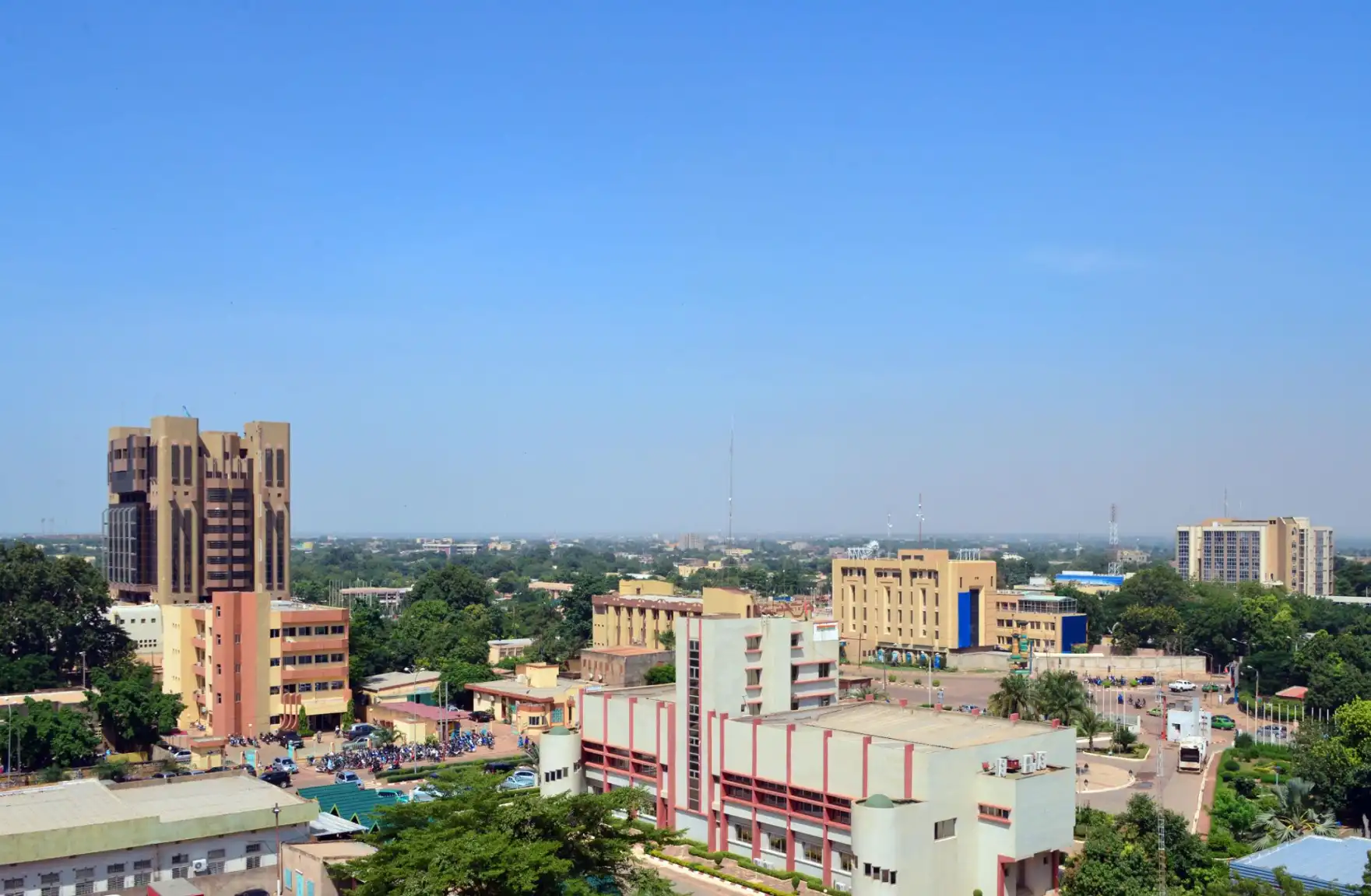
Ouagadougou is the capital and largest city of Burkina Faso, located in the central part of the nation. It serves as the administrative, economic, and cultural hub of the country, hosting major government institutions and a growing industrial base. The city is also a center for West African arts, film, and music. Ouagadougou has its origins as the capital of the Mossi Empire under the Moro-Naba dynasty. During French colonial rule, it became an administrative center and retained this role after Burkina Faso gained independence in 1960. The city’s name, meaning “place of honor,” reflects its historical importance as a royal seat. Ouagadougou is Burkina Faso’s main economic hub, focusing on services, manufacturing, and trade. Key sectors include textiles, food processing, and construction. It is connected by rail to Abidjan, a major seaport, and served by Ouagadougou International Airport. Rapid urbanization has led to expansion but also challenges in housing, water supply, and transport.
 National Museum of Burkina Faso
The National Museum of Burkina Faso (Musée National du Burkina Faso) is the country’s primary ethnographic and cultural museum, located in Ouagadougou. It preserves and promotes the diverse cultural heritage of Burkina Faso’s many ethnic groups through collections of artifacts, art, and traditional objects. Founded shortly after Burkina Faso’s independence in 1960, the museum was created to safeguard the material culture of the newly independent nation. It serves as a center for research, preservation, and education about the country’s ethnolinguistic diversity, representing more than 60 ethnic groups. The museum’s mission emphasizes cultural identity, national pride, and intergenerational knowledge sharing.