
Travel to Burundi
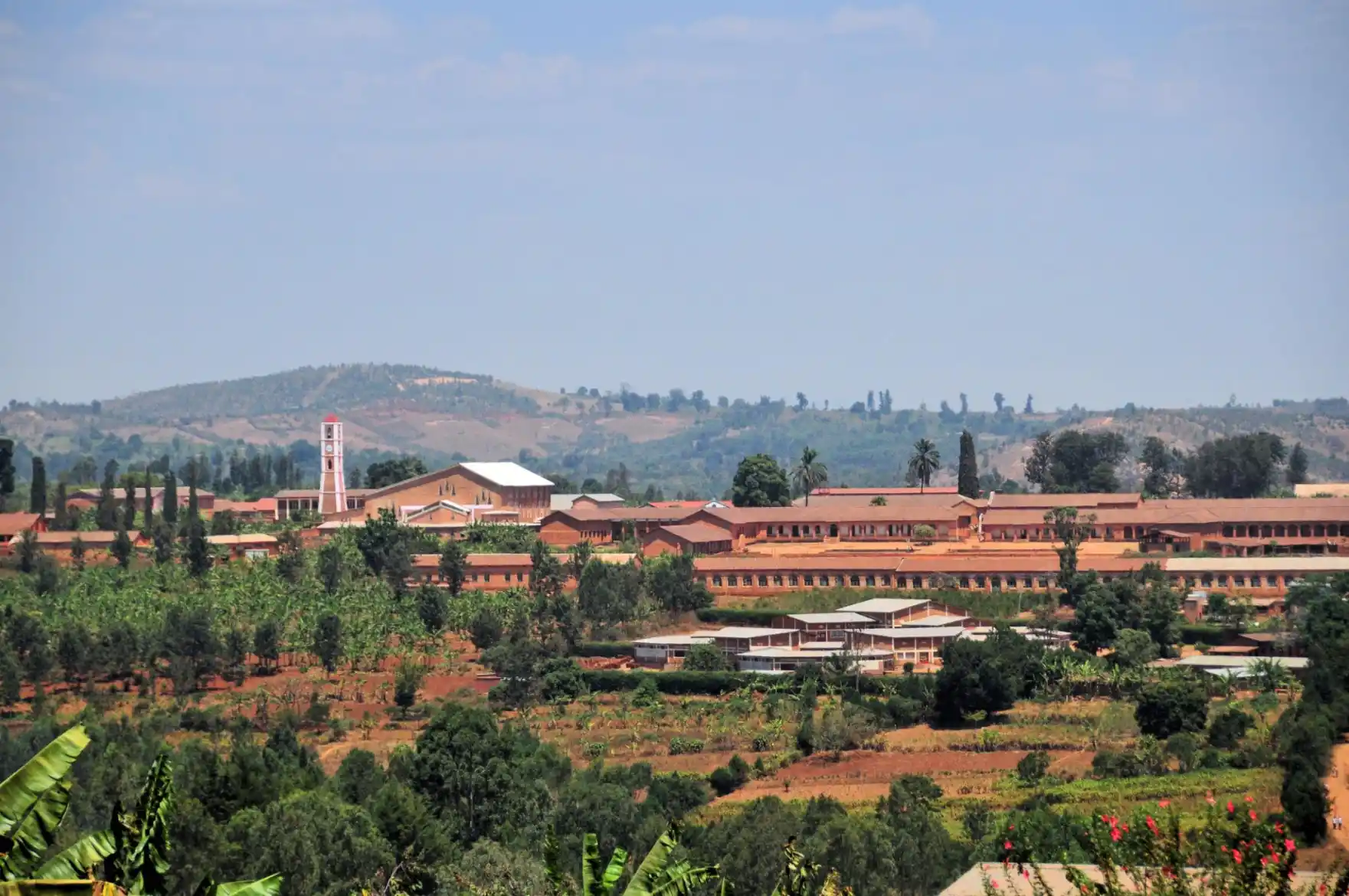

 3 photos
Burundi is a small, landlocked country in East Africa’s Great Lakes region bordered by Rwanda, Tanzania, and the Democratic Republic of the Congo. Despite its rich culture and scenic plateaus, it remains one of the world’s poorest nations, heavily dependent on subsistence agriculture and external aid for development.
Roughly 85 % of Burundians are Hutu, about 14 % Tutsi, and 1 % Twa. Kirundi is universally spoken, fostering linguistic unity despite historical ethnic divisions. Christianity, mainly Roman Catholicism, predominates. Traditional drumming, dance, and community life remain central to Burundian identity. Once part of the precolonial Kingdom of Burundi, the territory became a German colony in the late 19th century and later part of Belgian-administered Ruanda-Urundi. It gained independence in 1962. Post-independence Burundi experienced cycles of ethnic conflict between Hutu and Tutsi groups, leading to civil unrest until a peace process in the early 2000s stabilized governance.
Hotels in Burundi
 Source of the Nile Monument
The Source of the Nile Monument is a commemorative landmark located near Rutovu, in southern Burundi. It marks one of the claimed headwaters of the Nile River, the world’s longest river. The site holds cultural and geographical importance as part of the exploration and heritage of Africa’s great waterways. European explorers in the 19th century, including John Hanning Speke, sought to locate the Nile’s true source. While Speke identified Lake Victoria as the main source, later hydrological studies traced several tributaries to farther origins. The Rutovu site in Burundi was designated by local authorities as the southernmost spring feeding the Nile basin.
 Livingstone Stanley Monument
The Livingstone Stanley Monument is a historic memorial near Bujumbura, Burundi, commemorating the meeting between explorers David Livingstone and Henry Morton Stanley. It marks a symbolic moment in 19th-century exploration of central Africa, reflecting the era’s European geographic and missionary pursuits. The monument marks the place believed to be where Livingstone and Stanley met on November 25, 1871, though some accounts place the famous encounter at Ujiji, in present-day Tanzania. The Burundian site represents an alternative historical interpretation, as both explorers traveled along the northern shores of Lake Tanganyika during their journeys.
 Rusizi National Park
Rusizi National Park (Parc National de la Rusizi) is a protected wetland and savanna reserve in northwestern Burundi, about 15 km northwest of Bujumbura. Established in 1980, it safeguards the Rusizi River delta where the river empties into Lake Tanganyika, an ecologically rich corridor in the Great Rift Valley supporting high biodiversity and vital hydrological functions. Recognized as a Ramsar Site since 2002 and as a Key Biodiversity Area, the park contributes to regional ecological balance by trapping sediments and regulating the hydrology of the Rusizi basin. It faces threats from agricultural expansion, pollution, and poaching, yet remains vital for migratory birds and threatened mammals such as the hippopotamus. It also appears on UNESCO World Heritage Centre’s tentative list for potential inscription as a natural World Heritage Site.
 Lake Tanganyika
Lake Tanganyika is an ancient freshwater lake located in the western branch of the East African Rift Valley. It is shared by Burundi, the Democratic Republic of the Congo (DRC), Tanzania, and Zambia, and is the world’s longest freshwater lake and Africa’s deepest. Its immense biodiversity and vital regional role make it one of the planet’s most important inland waters. Formed by tectonic rifting about 9–12 million years ago, Lake Tanganyika lies within the Western (Albertine) Rift of the East African Rift system. Its elongated shape and steep surrounding escarpments reflect this origin. The lake drains westward via the Lukuga River into the Congo River, while inflows include the Ruzizi, Malagarasi, and Kalambo rivers. The water remains permanently stratified, with oxygenated upper layers and anoxic depths that preserve ancient “fossil water.”