

Travel to Central African Republic
 4 photos
Central African Republic, often abbreviated as CAR, is a landlocked country located in the heart of Central Africa. It shares borders with Chad to the north, Sudan to the northeast, South Sudan to the east, the Democratic Republic of the Congo and the Republic of the Congo to the south, and Cameroon to the west. The country covers an area of approximately 623,000 square kilometers and has a population of around five million people. Despite its rich natural resources and diverse wildlife, the Central African Republic remains one of the least developed countries in the world.
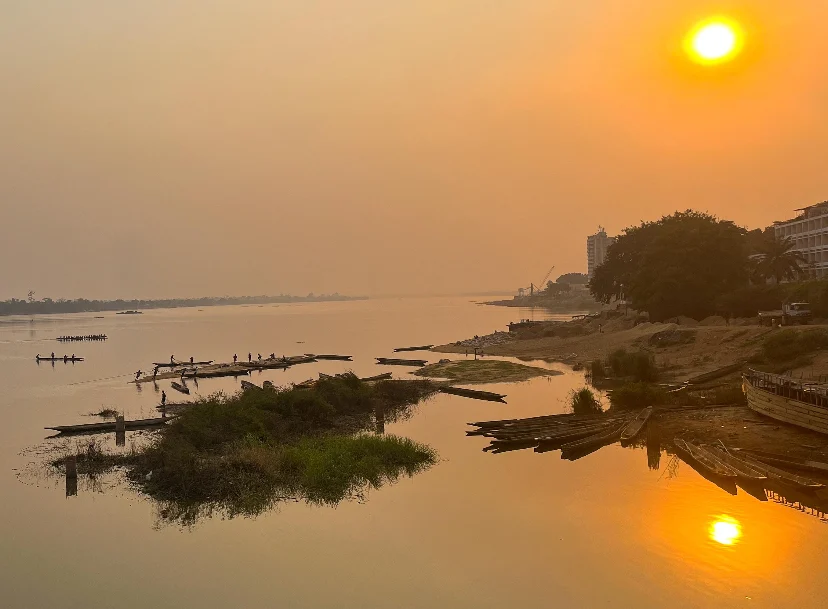
The capital and largest city of the country is Bangui. Situated on the banks of the Ubangi River, Bangui serves as the political, economic, and cultural center of the nation. The city contains government institutions, universities, markets, and businesses that play an important role in the country’s economy. Other notable towns include Berbérati, Bambari, and Bossangoa.
The history of the Central African Republic is long and complex. Before European colonization, various ethnic groups and kingdoms lived in the region and engaged in trade and agriculture. In the late nineteenth century, France colonized the territory, making it part of French Equatorial Africa. The country gained independence from France on August 13, 1960. Since independence, the Central African Republic has experienced periods of political instability, military coups, and internal conflict. Despite these challenges, efforts toward peace, development, and national unity continue.
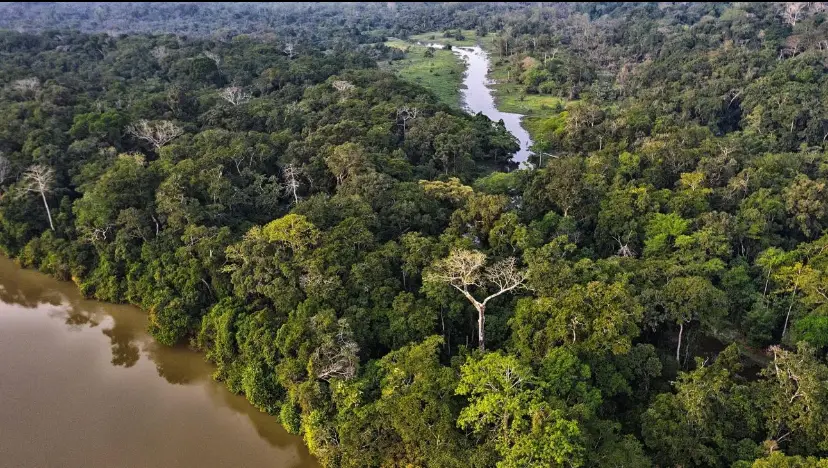
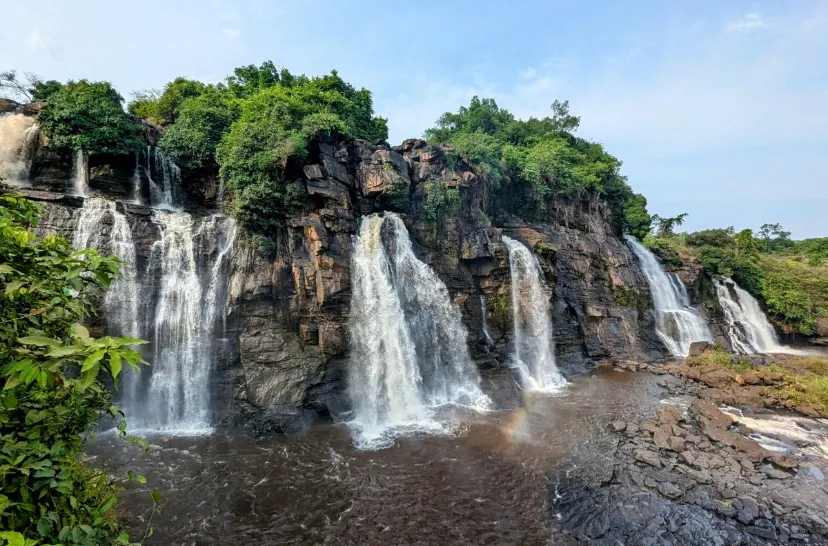
The geography of the Central African Republic is dominated by savannas, forests, rivers, and rolling plateaus. Much of the country lies within the Congo Basin, one of the world’s largest tropical rainforest regions. The climate is generally tropical, with a rainy season and a dry season each year. The country’s rich ecosystems support a wide variety of wildlife, including elephants, gorillas, chimpanzees, leopards, and numerous bird species.
One of the country’s most famous natural attractions is Dzanga-Sangha National Park, which forms part of a larger conservation area in the Congo Basin rainforest. The park is internationally recognized for its biodiversity and is home to forest elephants, western lowland gorillas, and many other rare animals. Ecotourism in such protected areas has the potential to contribute to the country’s economy while preserving its natural heritage.
The economy of the Central African Republic is based mainly on agriculture, mining, and forestry. Many people depend on farming for their livelihoods, producing crops such as cassava, maize, peanuts, cotton, and millet. The country is also rich in natural resources, including diamonds, gold, uranium, and timber. However, political instability and limited infrastructure have slowed economic development and prevented the country from fully benefiting from these resources.
The Central African Republic is home to many ethnic groups, each with its own customs and traditions. The official languages are French and Sango, with Sango serving as a widely spoken national language. Music, dance, storytelling, and traditional ceremonies are important parts of the country’s cultural life and help preserve its diverse heritage.
In conclusion, the Central African Republic is a country with immense natural beauty, abundant resources, and a rich cultural history. Although it faces significant challenges, it remains a nation of resilience and potential. Its forests, wildlife, and cultural diversity make it an important and fascinating country in Central Africa, with hopes for a more peaceful and prosperous future.