

Travel to Chad

 3 photos
Chad is a landlocked country in Central Africa bordered by Libya, Sudan, the Central African Republic, Cameroon, Nigeria, and Niger. Covering about 1.28 million km, it stretches from the Sahara Desert in the north to tropical savannas in the south. Chad is notable for its ethnic diversity, challenging geography, and regional strategic importance within the Sahel.
Situated south of the Sahara, Chad encompasses arid plains, the Tibesti Mountains, and fertile southern lowlands. Lake Chad, once among Africa’s largest lakes, sustains millions despite shrinking dramatically from climate change and irrigation. The north is desert, the center semi-arid Sahel, and the south tropical. Recurrent droughts and desertification are major environmental challenges.
Hotels in Chad
 N'Djamena
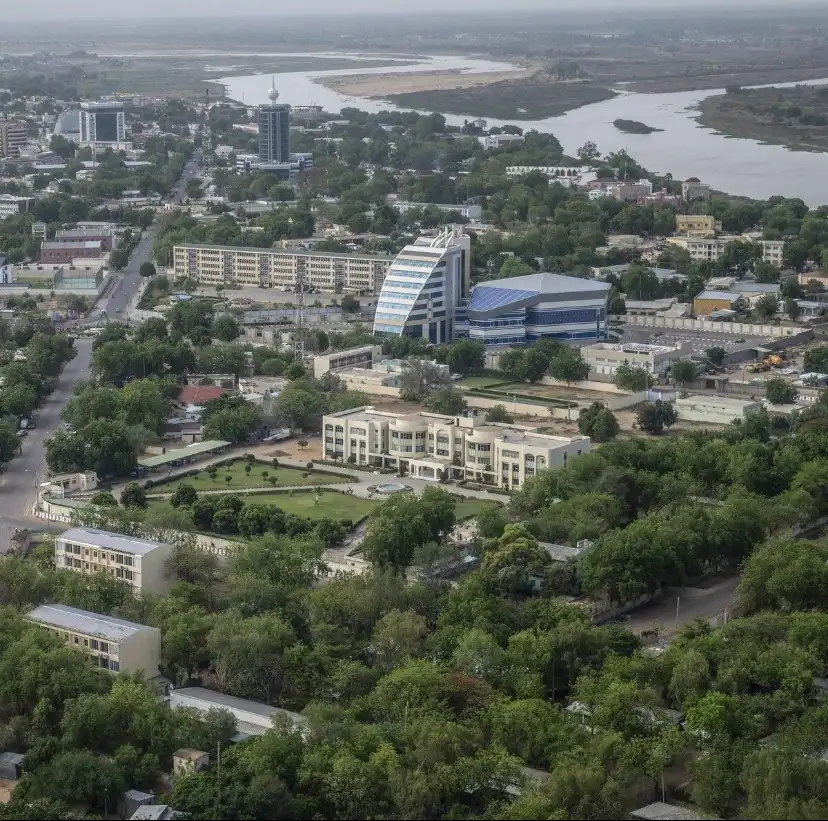
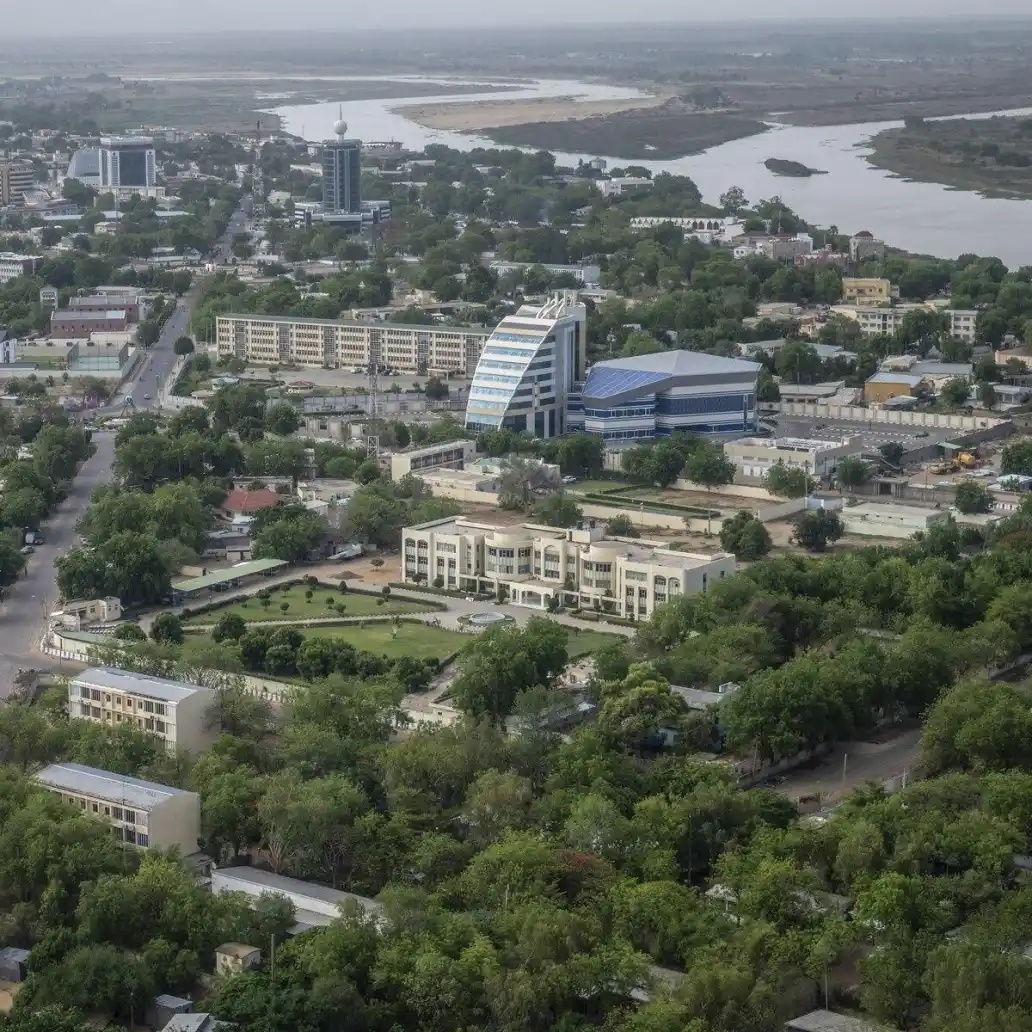
N'Djamena is the capital and largest city of Chad, located in the country's southwest on the banks of the Chari River, opposite Kousséri in Cameroon. It serves as Chad's political, economic, and administrative center and is the country's main hub for government, commerce, transportation, and higher education. Situated where the Chari and Logone river systems shape the surrounding landscape, N'Djamena experiences a hot semi-arid climate with a long dry season and a shorter rainy season. The city is a major crossroads linking southern Chad with neighboring Cameroon, and markets, government offices, and transport services play a central role in daily life. Founded in 1900 during the French colonial period as Fort-Lamy, the city was renamed N'Djamena in 1973, adopting an Arabic-derived name meaning "place of rest." It has experienced periods of conflict and reconstruction but remains the country's administrative heart and the focal point for national institutions.
 The Lakes of Ounianga
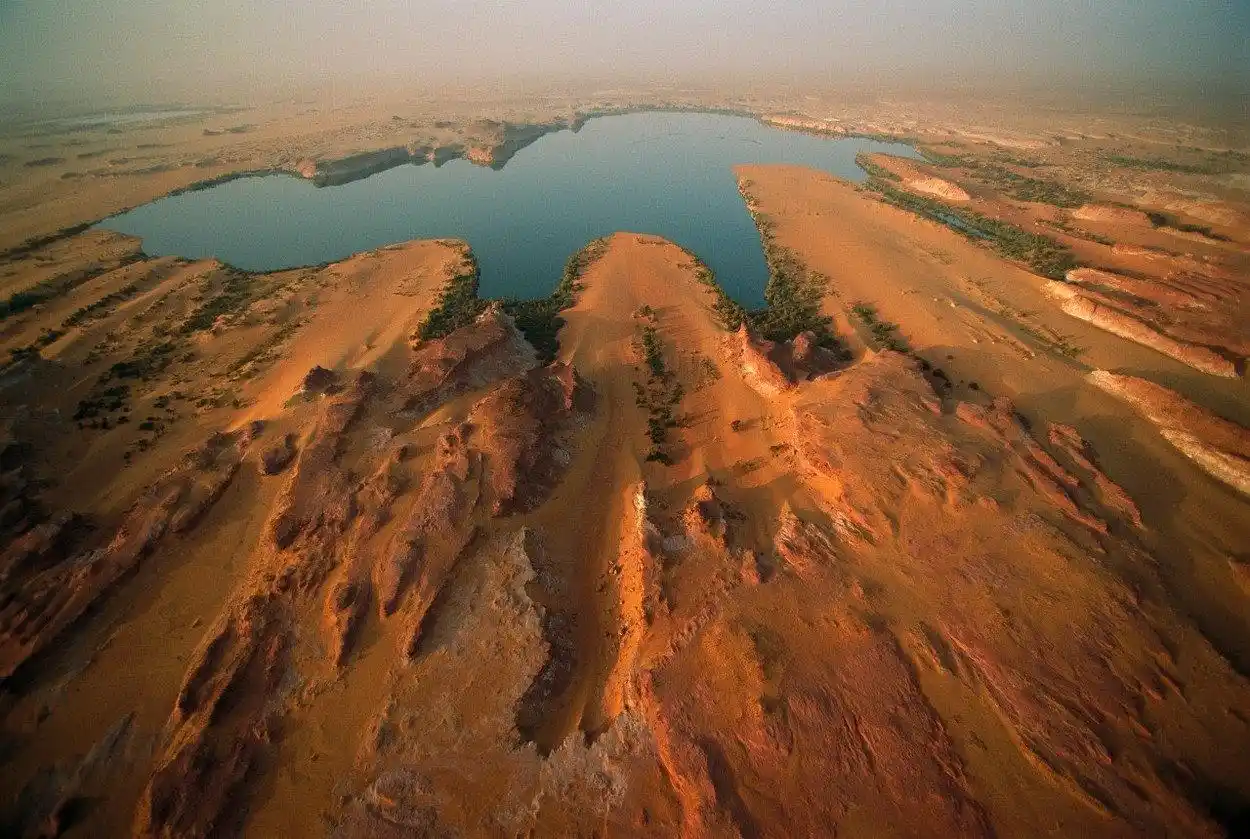
The Lakes of Ounianga are a remarkable group of desert lakes in northeastern Chad and a Lakes of Ounianga. Despite lying in one of the driest parts of the Sahara, the lakes persist through groundwater recharge, creating an extraordinary landscape that earned UNESCO World Heritage status in 2012 for its exceptional natural beauty. The lakes are sustained by ancient groundwater stored during wetter climatic periods thousands of years ago. Wind-shaped sand dunes, underground water flow, and dense reed beds interact to create an unusual hydrological system in which neighboring lakes can have dramatically different salinity. Some support freshwater ecosystems, while others are so saline that only specialized organisms can thrive. The sediments beneath lakes such as Lake Yoa preserve an exceptional record of environmental change spanning more than 10,000 years. These records help scientists reconstruct the Sahara's transformation from a much wetter landscape into today's desert and improve understanding of long-term climate change in North Africa. The isolated lakes also support distinctive plants and aquatic life that have evolved under unusual conditions.
 Visit the Ennedi Massif
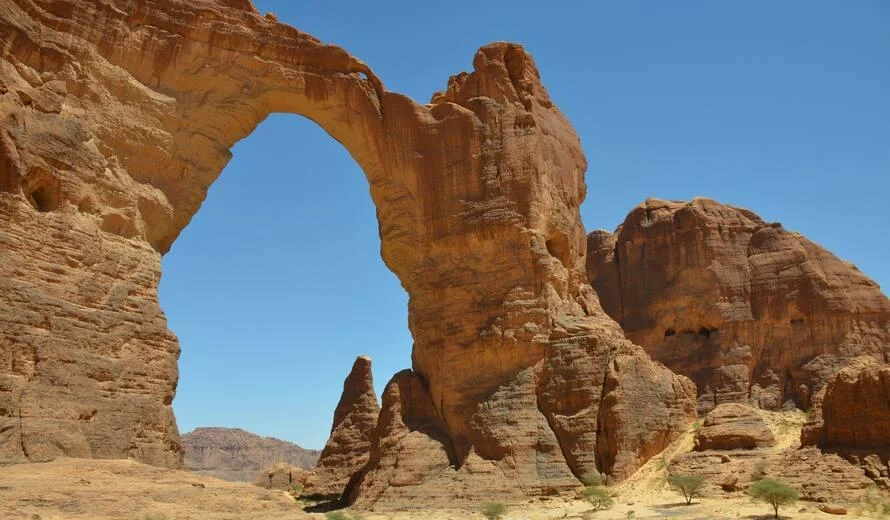
The Ennedi Massif is a vast sandstone plateau in northeastern Chad, renowned for its dramatic desert landscapes and exceptionally rich archaeological heritage. Recognized as a UNESCO World Heritage Site in 2016, it combines spectacular geological formations with thousands of prehistoric rock art sites, making it one of the Sahara's most remarkable natural and cultural landscapes. Over millions of years, wind and water erosion carved the massif into a maze of canyons, cliffs, towering rock pillars, natural arches, and narrow valleys. Permanent springs and gueltas (desert waterholes) create rare oases that sustain wildlife, vegetation, and the pastoral communities who have long depended on these scarce water sources. The massif preserves one of the Sahara's richest collections of prehistoric rock art, with paintings and engravings dating back as much as 7,000–8,000 years. These artworks depict cattle, wildlife, and human activities from a time when the region was considerably wetter, providing valuable evidence of changing climates and ancient pastoral societies.
 Zakouma National Park
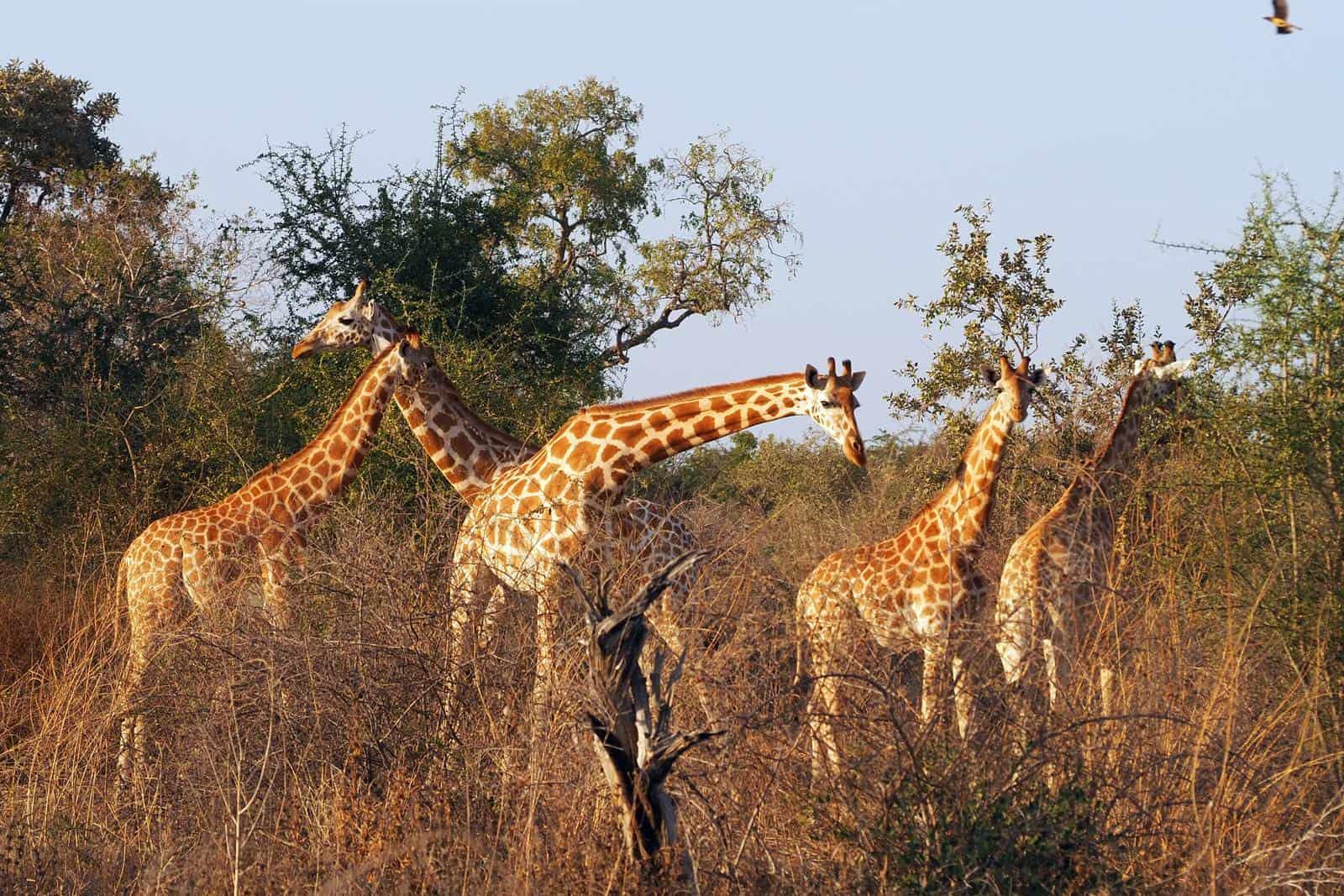
Zakouma National Park is one of Central Africa's most important protected wildlife areas, located in southeastern Chad. Renowned for its dramatic conservation recovery, the park has become a refuge for elephants, Kordofan giraffes, lions, and many other species, making it one of the continent's standout safari and biodiversity destinations. The park covers just over 3,000 square kilometers and forms the heart of the much larger Greater Zakouma Ecosystem, a mosaic of floodplains, seasonal wetlands, savanna, and acacia woodland. Around 66 mammal species and hundreds of bird species inhabit the area, while its seasonal water sources support large wildlife gatherings during the dry season. Zakouma is especially significant for the Kordofan giraffe, with roughly half of the world's population found there, alongside elephants, buffalo, lions, leopards, cheetahs, and numerous antelope species. Founded in 1963, the park suffered severe poaching during the early 2000s, particularly among its elephant population. A long-term conservation partnership launched in 2010 introduced stronger ranger protection, community engagement, and ecological management, leading to a substantial recovery in wildlife numbers and a marked reduction in poaching. The park is now widely cited as one of Africa's notable conservation success stories.