

Travel to Congo

 4 photos
Congo or Congo-Brazzaville, is a country located in Central Africa. It is bordered by Gabon to the west, Cameroon and the Central African Republic to the north, the Democratic Republic of the Congo to the east and south, and the Atlantic Ocean to the southwest. The country covers an area of approximately 342,000 square kilometers and has a population of about six million people. Although it is often confused with its larger neighbor, the Democratic Republic of the Congo, the Republic of the Congo is a separate and independent nation with its own history and culture.
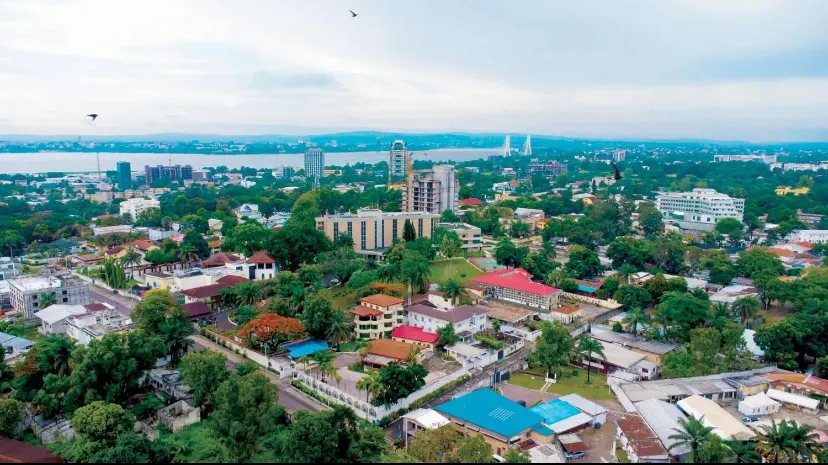
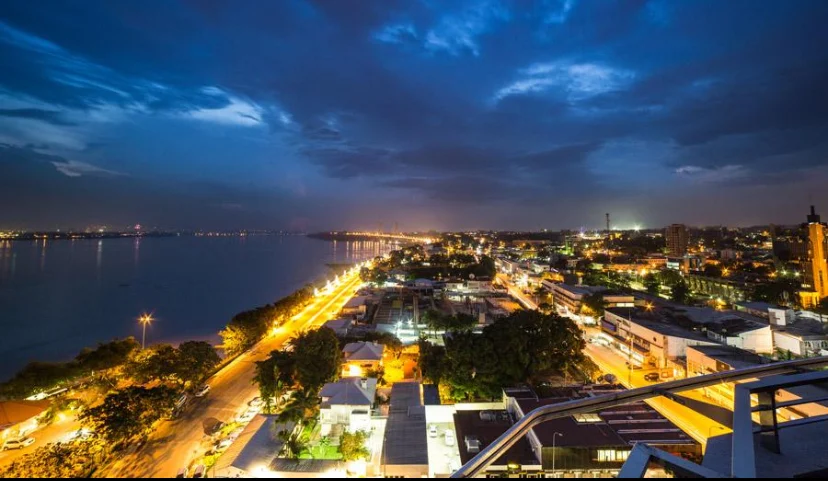
The capital and largest city is Brazzaville. Located on the northern bank of the Congo River, Brazzaville is one of the few capitals in the world that lies directly opposite another national capital, Kinshasa in the Democratic Republic of the Congo. Brazzaville serves as the country’s political, economic, and cultural center. The city is known for its lively markets, colonial architecture, and scenic riverfront.
The history of the Republic of the Congo dates back centuries. Before European colonization, the region was home to powerful kingdoms, including the historic Kingdom of Kongo, which flourished from the 14th to the 19th century. In the late nineteenth century, France established control over the territory, making it part of French Equatorial Africa. The country gained independence from France on August 15, 1960. Since then, Congo has experienced periods of political change and economic development while working toward greater stability.
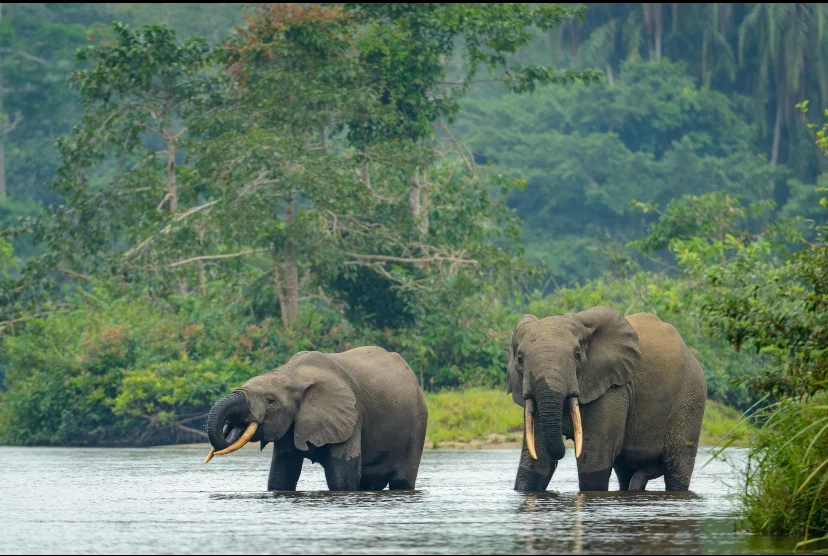
The geography of the Republic of the Congo is dominated by tropical rainforests, rivers, and coastal plains. Nearly two-thirds of the country is covered by dense forest, forming part of the vast Congo Basin, the second-largest rainforest in the world after the Amazon. This rainforest is home to an incredible variety of wildlife, including gorillas, chimpanzees, forest elephants, and numerous bird species. The country’s natural environment plays an important role in preserving global biodiversity and helping regulate the Earth’s climate.
The mighty Congo River is one of the country’s most important natural features. It is the second-longest river in Africa and the deepest river in the world. The Congo River serves as a major transportation route and supports fishing, trade, and agriculture. The river has shaped the country’s economy and culture for centuries.
The economy of the Republic of the Congo relies heavily on oil production, which accounts for a large portion of government revenue and exports. Other important sectors include agriculture, forestry, fishing, and mining. Farmers cultivate crops such as cassava, bananas, peanuts, and sugarcane, while timber from the country’s forests is also an important export product.
Culturally, the Republic of the Congo is rich and diverse. More than 60 ethnic groups live in the country, each contributing unique traditions, languages, and customs. Music and dance are central to Congolese life, with styles influenced by African rhythms and modern genres. Festivals, storytelling, and traditional crafts remain important parts of everyday life.
In conclusion, the Republic of the Congo is a country blessed with abundant natural resources, rich cultural traditions, and breathtaking landscapes. From the bustling streets of Brazzaville to the dense rainforests of the Congo Basin, the nation offers a unique blend of history, nature, and culture. Despite facing economic and social challenges, the Republic of the Congo continues to develop while preserving its remarkable heritage and natural beauty.