Travel to Congo (DRC)
 4 photos
Democratic Republic of the Congo, often called Congo or DR Congo, is a large country located in Central Africa. It is the second-largest country in Africa by land area, covering approximately 2.3 million square kilometers. The country shares borders with nine nations: the Republic of the Congo, Central African Republic, South Sudan, Uganda, Rwanda, Burundi, Tanzania, Zambia, and Angola. With a population of over 100 million people, DR Congo is one of the most populous countries in Africa and is known for its vast natural resources and cultural diversity.
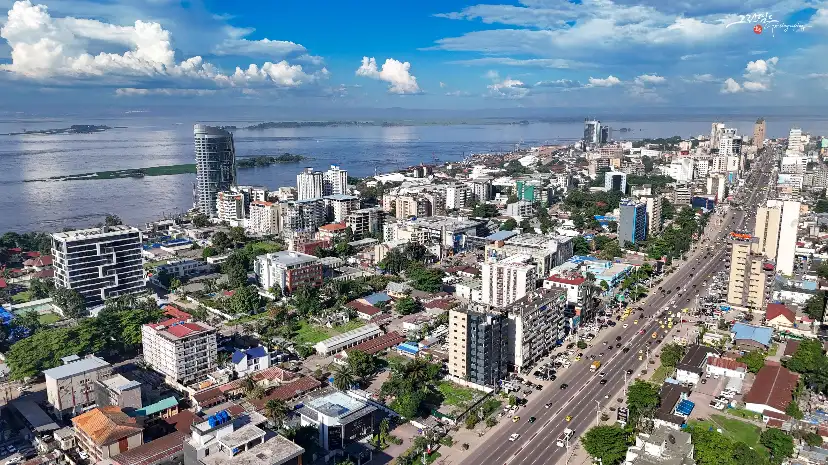
The capital and largest city of the country is Kinshasa. Located along the banks of the Congo River, Kinshasa is one of Africa’s largest cities and serves as the nation’s political, economic, and cultural center. The city is known for its vibrant music scene, bustling markets, and rapidly growing population. Other important cities include Lubumbashi, Goma, and Kisangani.
The history of DR Congo is long and complex. Before European colonization, the region was home to powerful kingdoms and thriving communities. In the late nineteenth century, the territory became the personal possession of Leopold II under the name Congo Free State. During this period, the local population suffered severe exploitation and human rights abuses. In 1908, Belgium took control of the territory, renaming it the Belgian Congo. The country gained independence in 1960, marking an important turning point in its history. Since independence, DR Congo has faced periods of political instability and conflict, while also striving for peace and development.
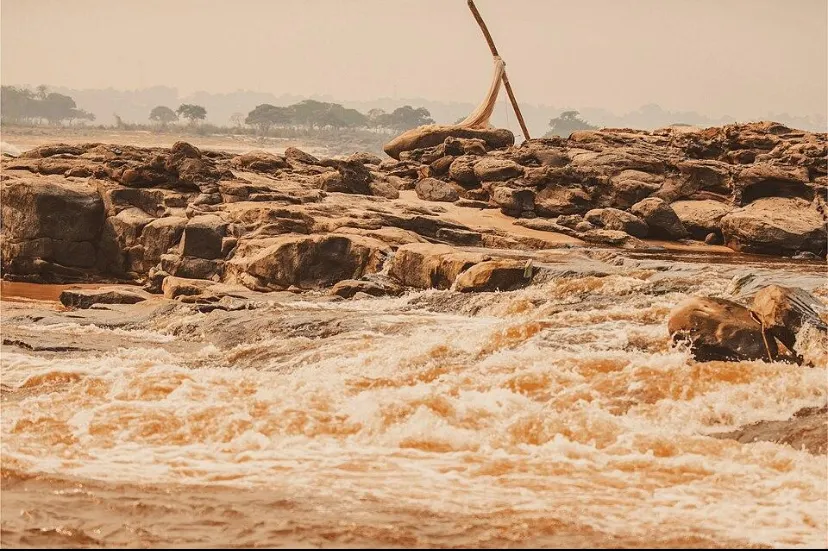
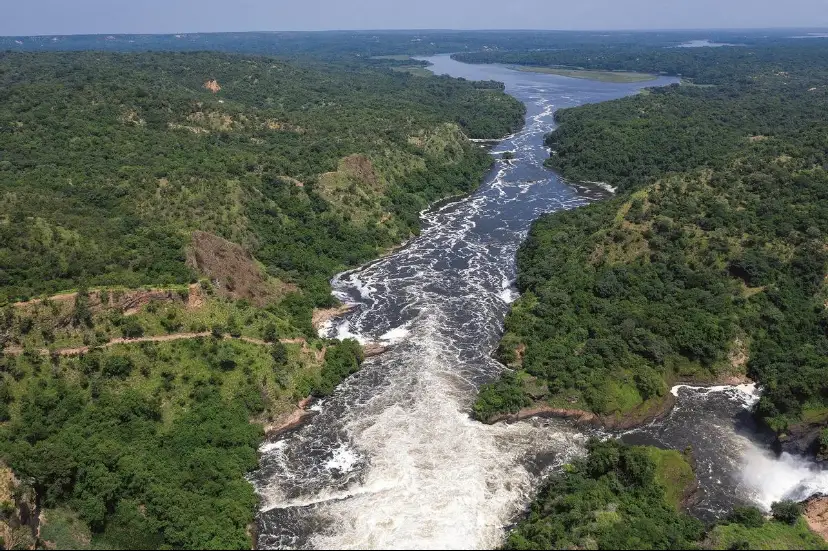
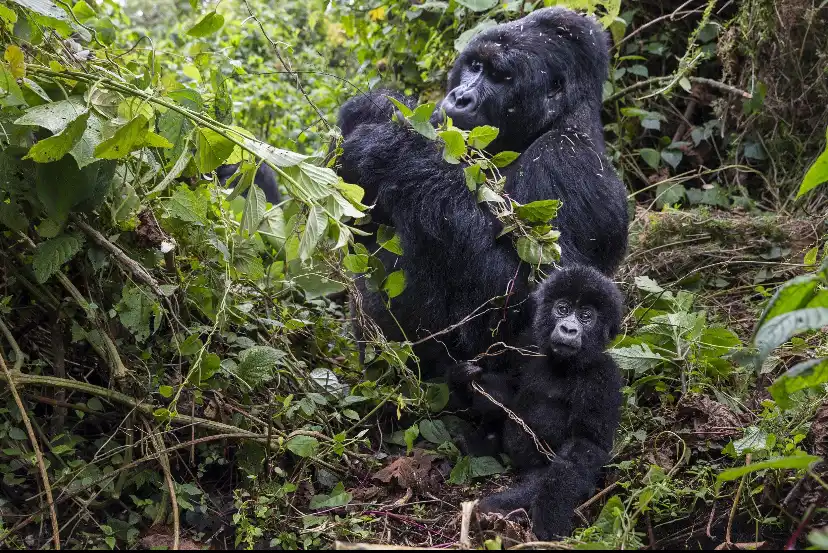
One of the country’s greatest assets is its extraordinary natural environment. The mighty Congo River, which is the second-longest river in Africa after the Nile, flows through the country and plays a vital role in transportation, fishing, and hydroelectric power generation. The Congo Basin rainforest, much of which lies within DR Congo, is the second-largest tropical rainforest in the world after the Amazon. It is home to an incredible variety of plants and animals, including gorillas, forest elephants, chimpanzees, and okapis.
DR Congo is also rich in mineral resources. The country possesses vast reserves of copper, cobalt, diamonds, gold, and coltan, which are essential for the production of electronics and batteries. These resources have the potential to contribute greatly to economic development. Agriculture is another important sector, with crops such as cassava, maize, coffee, and palm oil being widely cultivated.
The culture of DR Congo is diverse and vibrant. More than 200 ethnic groups live in the country, each with its own languages and traditions. Music is an important part of Congolese culture, and Congolese rumba has gained international recognition for its lively rhythms and influence on African music. Dance, storytelling, and traditional crafts are also cherished aspects of everyday life.
In conclusion, the Democratic Republic of the Congo is a country of immense natural wealth, cultural richness, and historical significance. Despite facing numerous challenges, it remains a nation with enormous potential. Its vast rainforests, powerful rivers, abundant resources, and resilient people make DR Congo one of the most fascinating and important countries in Africa.