

Travel to Djibouti

 3 photos
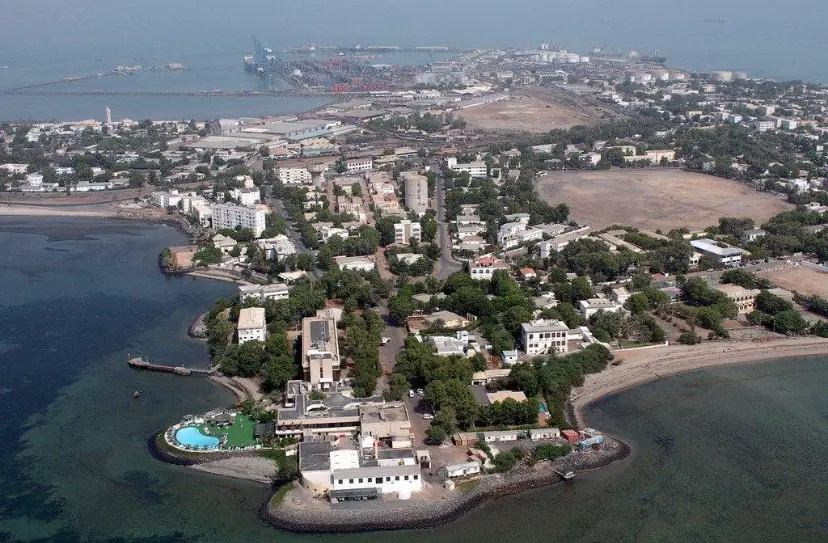
Djibouti is a small country on the Horn of Africa, bordered by Eritrea, Ethiopia, and Somalia, with coastlines along the Red Sea and the Gulf of Aden. Its location at the southern entrance to the Red Sea gives it major geopolitical importance as a maritime and military hub.
Djibouti’s economy revolves around its port and logistics services, serving as the main maritime outlet for landlocked Ethiopia. The Port of Djibouti and the Addis Ababa–Djibouti railway are key trade arteries. Economic growth is driven by logistics, services, and infrastructure projects financed by foreign investment, notably from China.
Hotels in Djibouti
 Experience the Grand Bara Desert
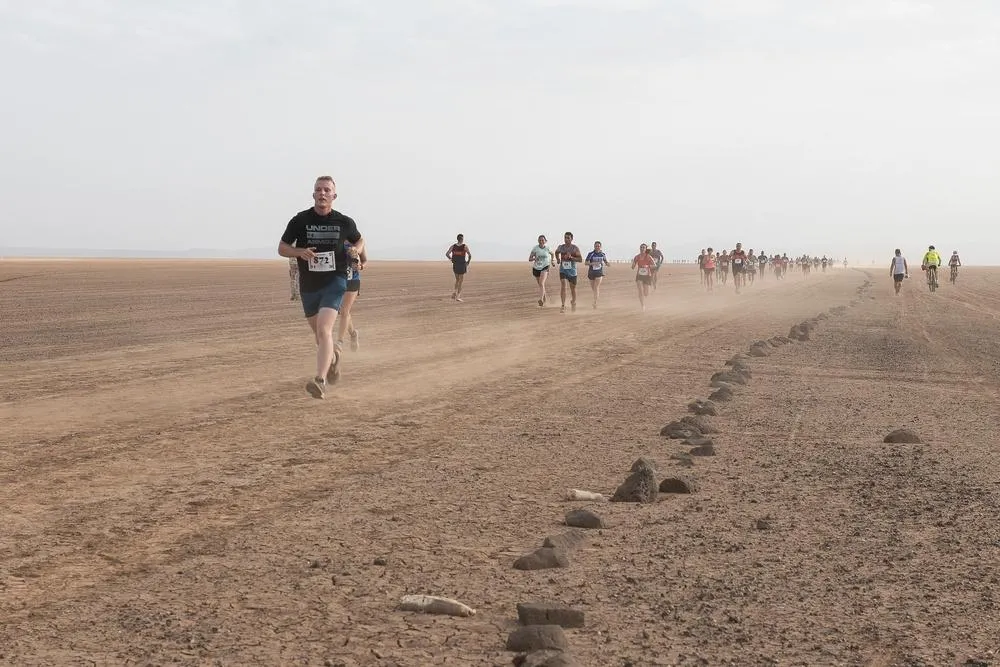
Grand Bara is a vast desert plain in southern Djibouti formed largely from ancient dried lake beds. Known for its broad, flat expanses and stark scenery, it is one of the country's most distinctive natural landscapes and serves as both a transportation corridor and a venue for endurance events. The Grand Bara and neighboring Petit Bara are the remnants of prehistoric lakes that have dried out over time, leaving extensive clay and sand flats. The plain marks a transition between Djibouti's volcanic terrain and its sedimentary regions. During the rainy season, poorly drained clay allows shallow water to collect temporarily before grasses emerge across parts of the plain.
 Lake Abbe
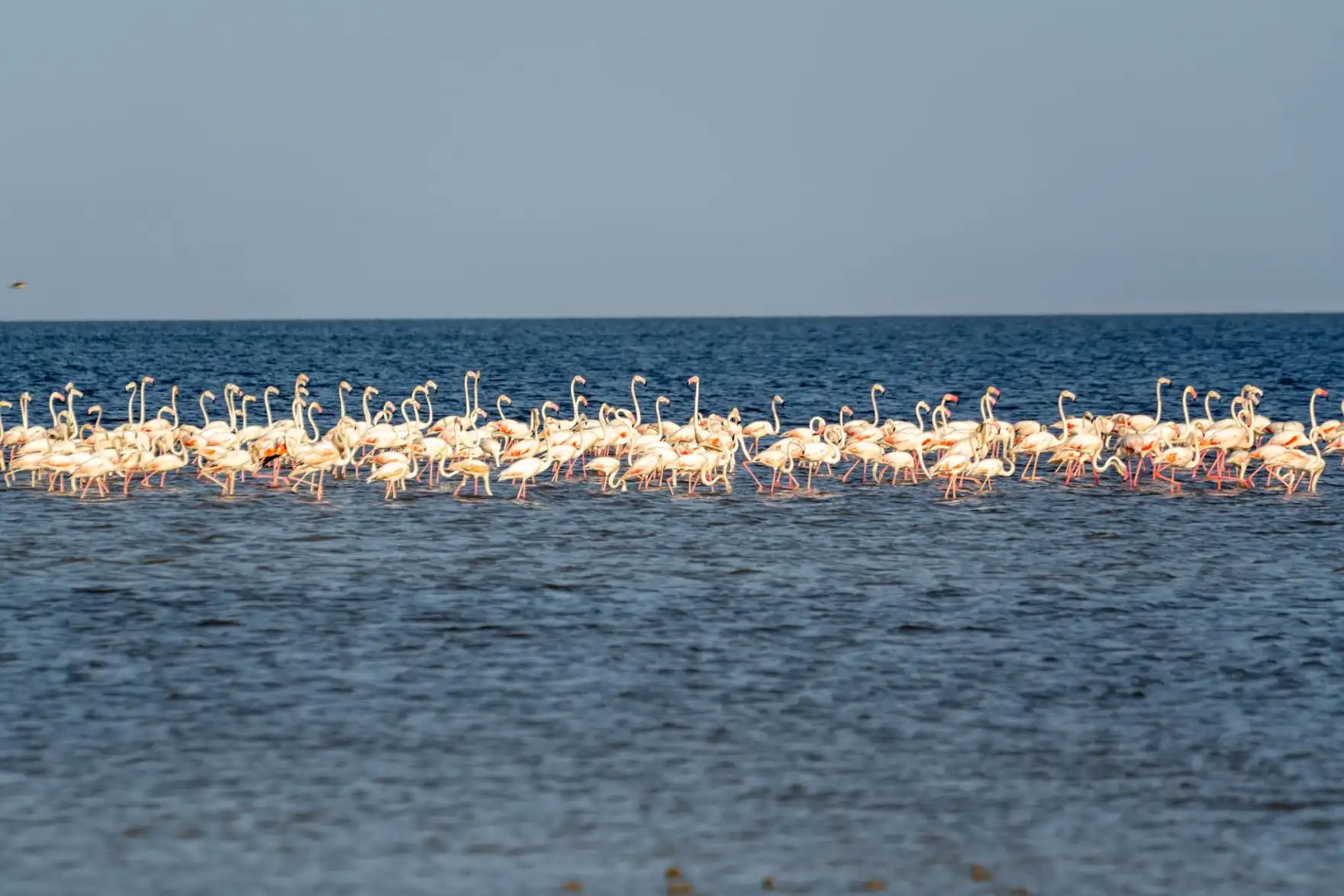
Lake Abbe is a striking salt lake on the border between Djibouti and Ethiopia, located in the Afar Depression where the Awash River ends. It is internationally known for its towering limestone chimneys, geothermal activity, and surreal desert scenery, making it one of the Horn of Africa's most distinctive natural landscapes. Despite the harsh, arid surroundings, the lake supports important birdlife. Flamingos are among its best-known inhabitants, while other waterbirds gather around the shallow, mineral-rich waters. As a hypersaline lake with no natural outlet, minerals accumulate as water evaporates, creating extensive salt flats around the shoreline. The lake forms the final destination of the Awash River and is one of a chain of interconnected lakes in the region. Over recent decades, reduced inflow from drought and upstream water use has lowered the lake level, exposing more of the famous limestone formations that were once submerged beneath the water.
 Djibouti City
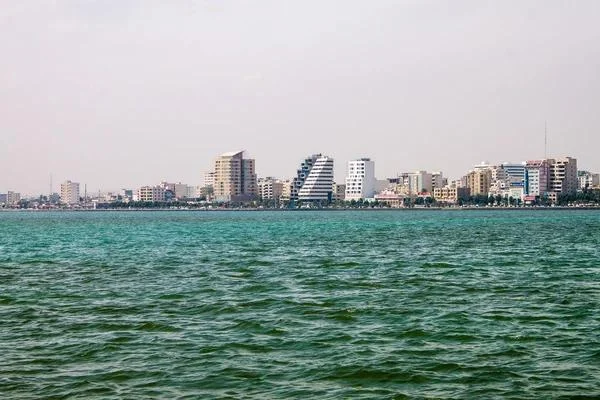
Djibouti City is the capital and largest city of the country of Djibouti, located on the Gulf of Aden in the Horn of Africa. It serves as the nation's political, economic, and maritime center, and its strategic position near the Bab el-Mandeb Strait has made it one of the world's most significant shipping and logistics hubs. Djibouti City sits on the southern shore of the Gulf of Aden, close to the entrance of the Red Sea. The city has a hot desert climate, with extremely warm temperatures for much of the year and relatively little rainfall, making it one of Africa's hottest national capitals. The city's economy is centered on port operations, logistics, transportation, and services. Its modern port handles cargo for Djibouti and neighboring landlocked countries, especially Ethiopia, while the city's location along one of the world's busiest maritime routes has attracted international investment and several foreign military bases. Djibouti City reflects a blend of African, Arab, and French influences. The population is culturally diverse, with Somali and Afar communities forming the largest groups, while French and Arabic are official languages alongside widely spoken Somali and Afar. Waterfront cafés, lively markets, and seafood restaurants contribute to the city's distinctive coastal atmosphere.
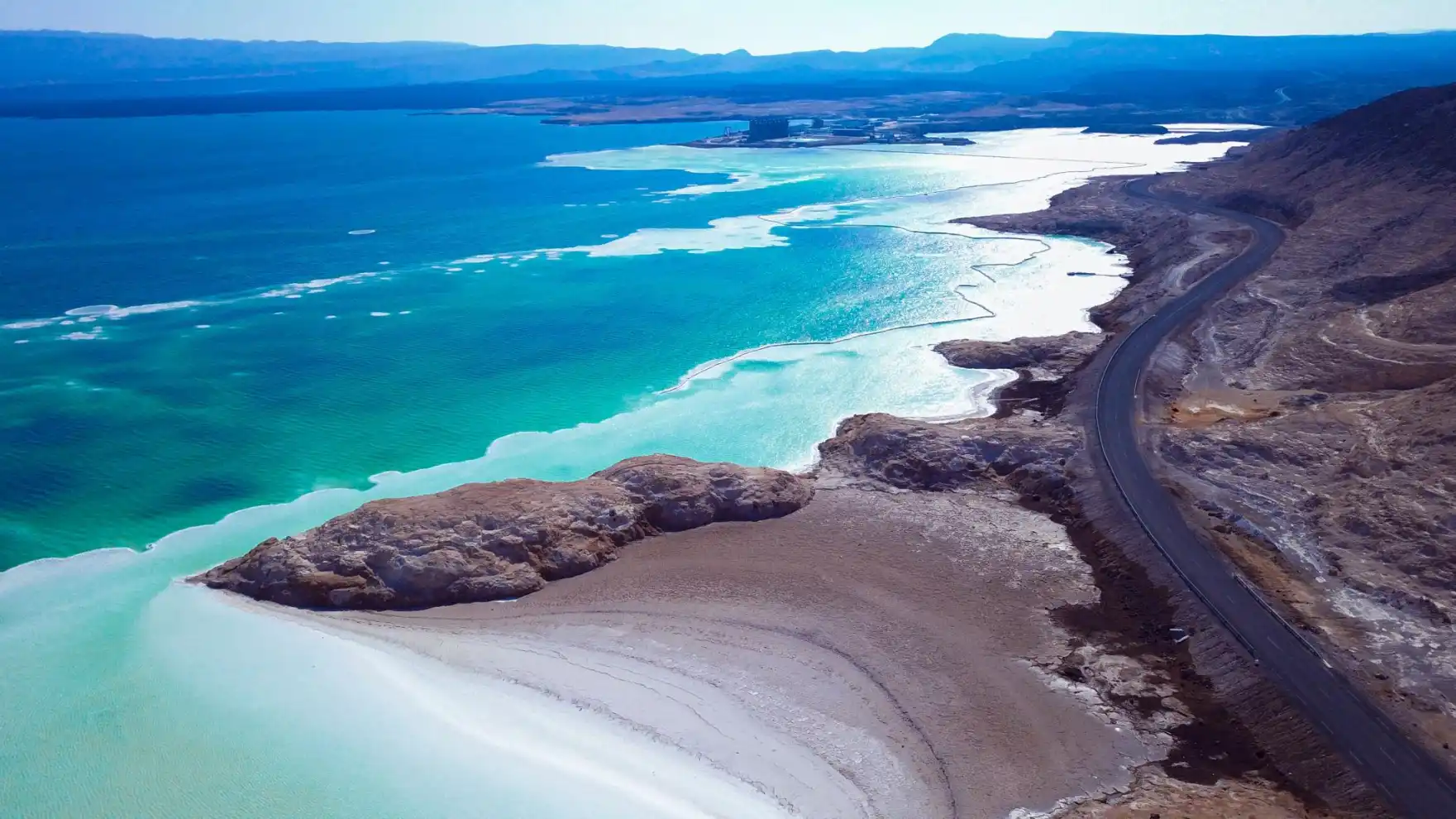 Lake Assal
Lake Assal is a striking crater lake in central Djibouti, renowned for its brilliant white salt flats and vivid turquoise waters. It sits about 155 meters (509 feet) below sea level, making it the lowest point in Africa and one of the saltiest bodies of water on Earth, shaped by the region's active volcanic and tectonic landscape. Lake Assal is both a geological landmark and an economic resource. Its exceptionally high salinity supports commercial salt harvesting, while its unusual setting attracts geologists, photographers, and travelers interested in volcanic landscapes. The lake's extreme environment also provides valuable opportunities for studying evaporation, tectonics, and life adapted to highly saline conditions.Visitors typically come to admire the expansive salt flats, volcanic scenery, and sweeping desert views. The area is remote, with extremely hot temperatures for much of the year, so trips are commonly made with experienced local guides and adequate supplies of water, sun protection, and suitable transportation.