

Travel to Egypt
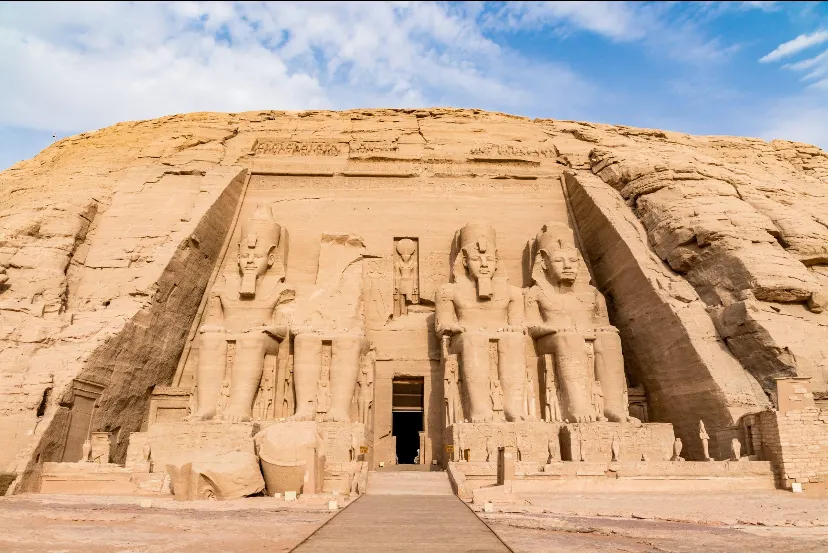

 3 photos
Egypt is a land where geography, history, and culture intertwine so tightly that it often feels less like a single nation and more like a living archive of human civilization. Situated in the northeastern corner of Africa, with a land bridge reaching into Asia via the Sinai Peninsula, Egypt has long served as a crossroads between continents, cultures, and ideas. Its story stretches back thousands of years, yet it remains a dynamic and evolving society in the modern world.
At the heart of Egypt lies the Nile River, the lifeline that has shaped its destiny since antiquity. Without the Nile, Egypt would largely be an expanse of desert, dominated by the Sahara Desert. Instead, the river transforms a narrow strip of land into fertile soil capable of sustaining millions. Ancient Egyptians called their land “Kemet,” meaning “the black land,” a reference to the rich, dark silt deposited by the Nile’s annual floods. This natural cycle enabled one of the earliest agricultural societies to flourish, laying the foundation for a civilization that would influence the world.
Egyptian culture is rich and multifaceted. Family plays a central role, and social bonds are highly valued. Hospitality is a defining characteristic; guests are often welcomed warmly and generously. Traditional cuisine features dishes like koshari, ful medames, and molokhia, combining simple ingredients into flavorful meals. Food is not just sustenance but a social experience that brings people together.
Tourism remains a crucial sector of the Egyptian economy. Visitors from around the world come to explore its ancient monuments, cruise along the Nile, and relax by the Red Sea. Sites like Luxor, often described as the world’s greatest open-air museum, offer unparalleled glimpses into the past. The temples of Karnak and the Valley of the Kings reveal the grandeur of ancient Egyptian civilization, drawing historians, archaeologists, and travelers alike.
Hotels in Egypt
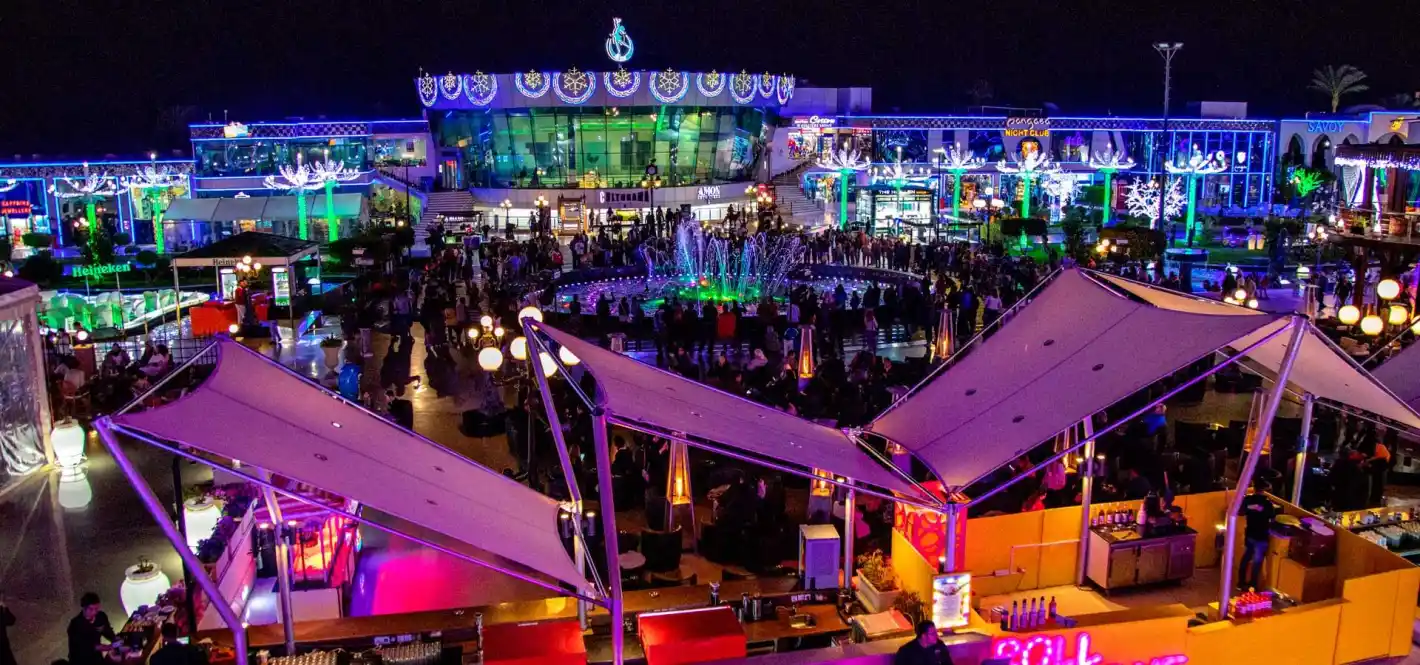 Sharm El Sheikh
Sharm El Sheikh is a resort city at the southern tip of Egypt’s Sinai Peninsula, where the Gulfs of Suez and Aqaba meet on the Red Sea. Known as the “City of Peace,” it is a major international tourism hub celebrated for its coral reefs, luxury resorts, and role in hosting global diplomatic conferences. Sharm El Sheikh lies between desert mountains and the Red Sea coast, overlooking the Strait of Tiran. Its arid desert climate brings year-round sunshine, hot summers, and mild winters. Offshore, the waters host rich marine biodiversity, with over 250 coral species and 1,000 species of fish. Protected areas such as Ras Mohammed National Park and Nabq Nature Reserve safeguard reefs, mangroves, and desert wildlife. Tourism anchors Sharm El Sheikh’s economy. Naama Bay forms the city’s entertainment heart with beaches, nightlife, and resorts, while SOHO Square offers restaurants and live performances. The surrounding waters attract divers to sites like Tiran Island and the Shark and Yolanda Reefs. Inland, visitors explore desert safaris, Bedouin camps, and excursions to Saint Catherine's Monastery.
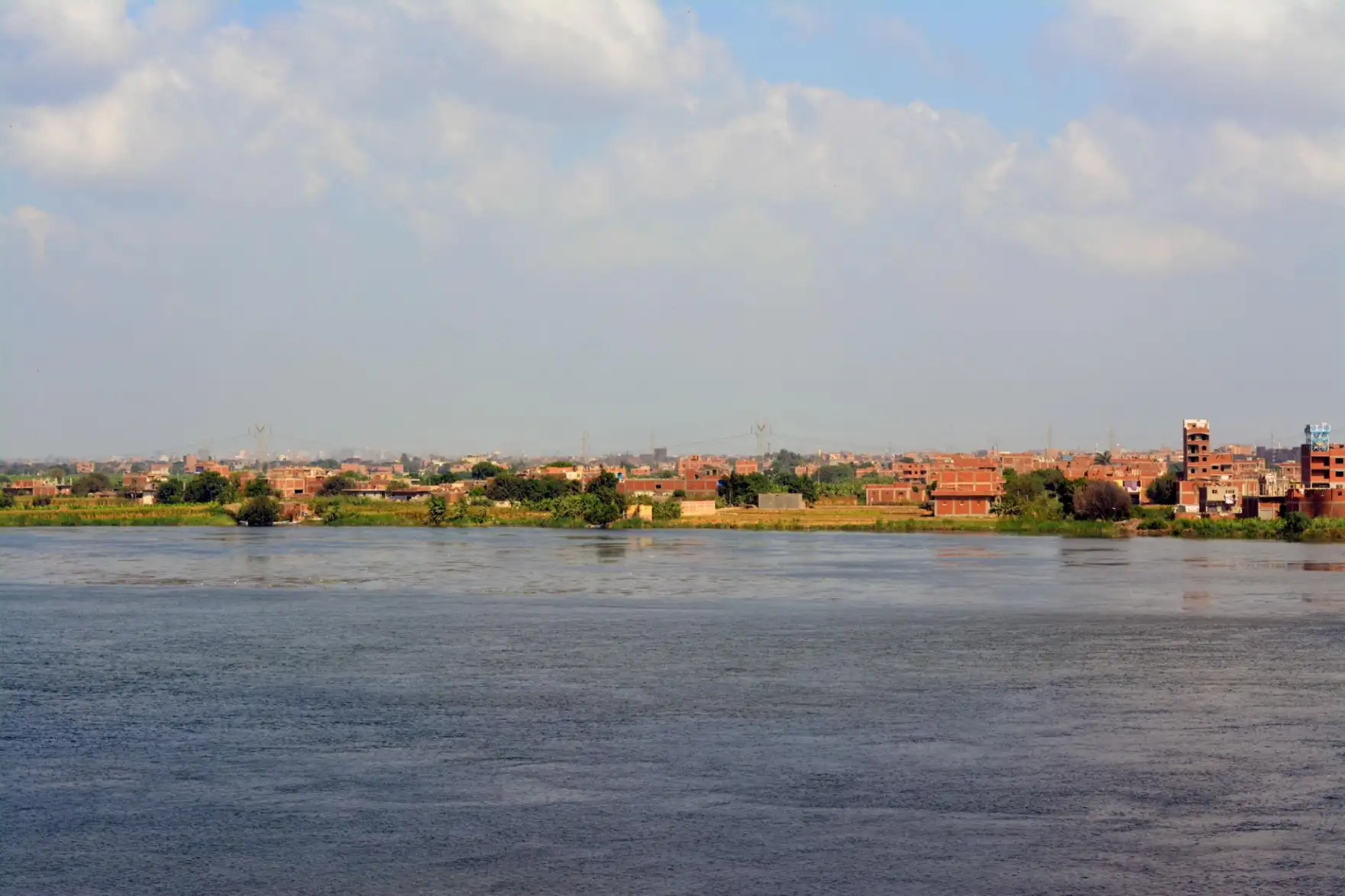 Cruise On The Nile River
The Nile River is a major north-flowing river in northeastern Africa and is traditionally regarded as the longest river in the world. Extending about 6,650 kilometers (4,130 miles), it has supported human civilization for thousands of years, most notably as the foundation of ancient Egyptian life and culture. Today, it remains a vital source of water, power, and agriculture for 11 African nations. The Nile’s two principal tributaries, the White Nile and the Blue Nile, converge at Khartoum. The White Nile originates in the Great Lakes region of East Africa, while the Blue Nile rises in Ethiopia’s highlands from Lake Tana. From their confluence, the river flows northward through Sudan and Egypt, cutting across deserts and fertile floodplains before spreading into the broad Nile Delta that empties into the Mediterranean. The Nile sustains diverse habitats across its basin, hosting species like Nile crocodiles, hippos, tigerfish, and numerous migratory birds. Papyrus reeds once lined its banks, providing the raw material for ancient paper production. Conservation efforts now focus on mitigating pollution and habitat loss caused by population growth and industrial activity.
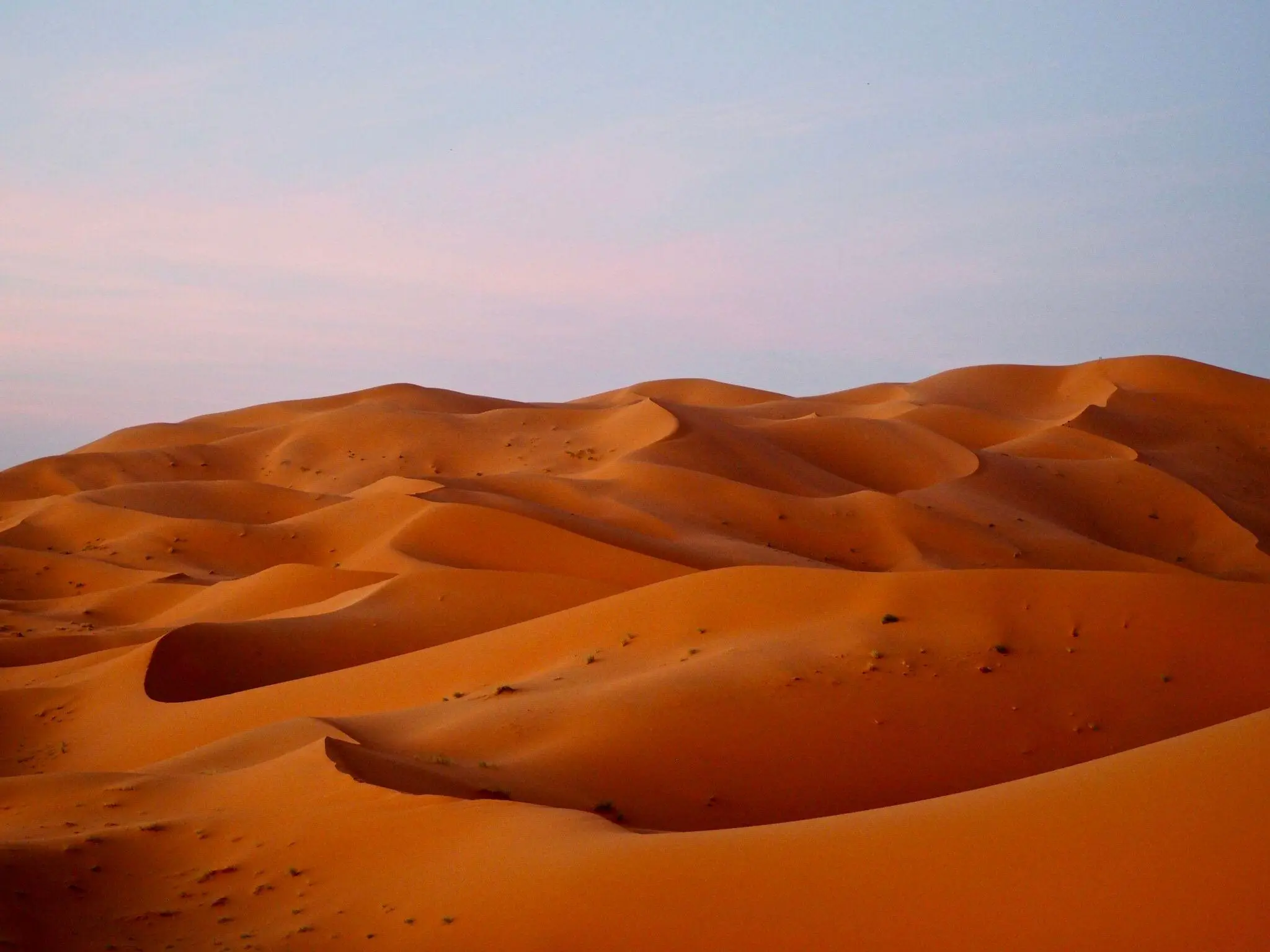 Explore The Sahara Desert
The Sahara Desert is the world’s largest hot desert, spanning most of northern Africa. Covering roughly 9 million km² (3.5 million sq mi), it stretches from the Atlantic Ocean to the Red Sea and from the Mediterranean coast southward to the semi-arid Sahel. It defines much of the continent’s geography and climate, influencing ecosystems, trade, and settlement patterns across Africa. The Sahara’s climate ranks among the harshest on Earth. Annual rainfall averages under 100 mm (4 in), with some regions remaining dry for years. Daytime summer temperatures often exceed 50 °C (122 °F), while nights can drop below freezing in winter. Strong northeast trade winds generate dust storms that transport Saharan sand across the Atlantic. The desert alternates between dry and “green” phases every 20,000 years as Earth’s axial tilt alters monsoon patterns. Roughly 2.5 million people live in the Sahara, mainly along river valleys and oases. Nomadic groups such as the Tuareg, Berber, and Bedouin have long traversed its caravan routes, trading salt, gold, and livestock. Modern settlements have grown around water sources and mineral deposits, especially oil and phosphates. The Sahara remains central to North Africa’s cultural heritage and a focus of scientific study on climate change and ancient human migration.
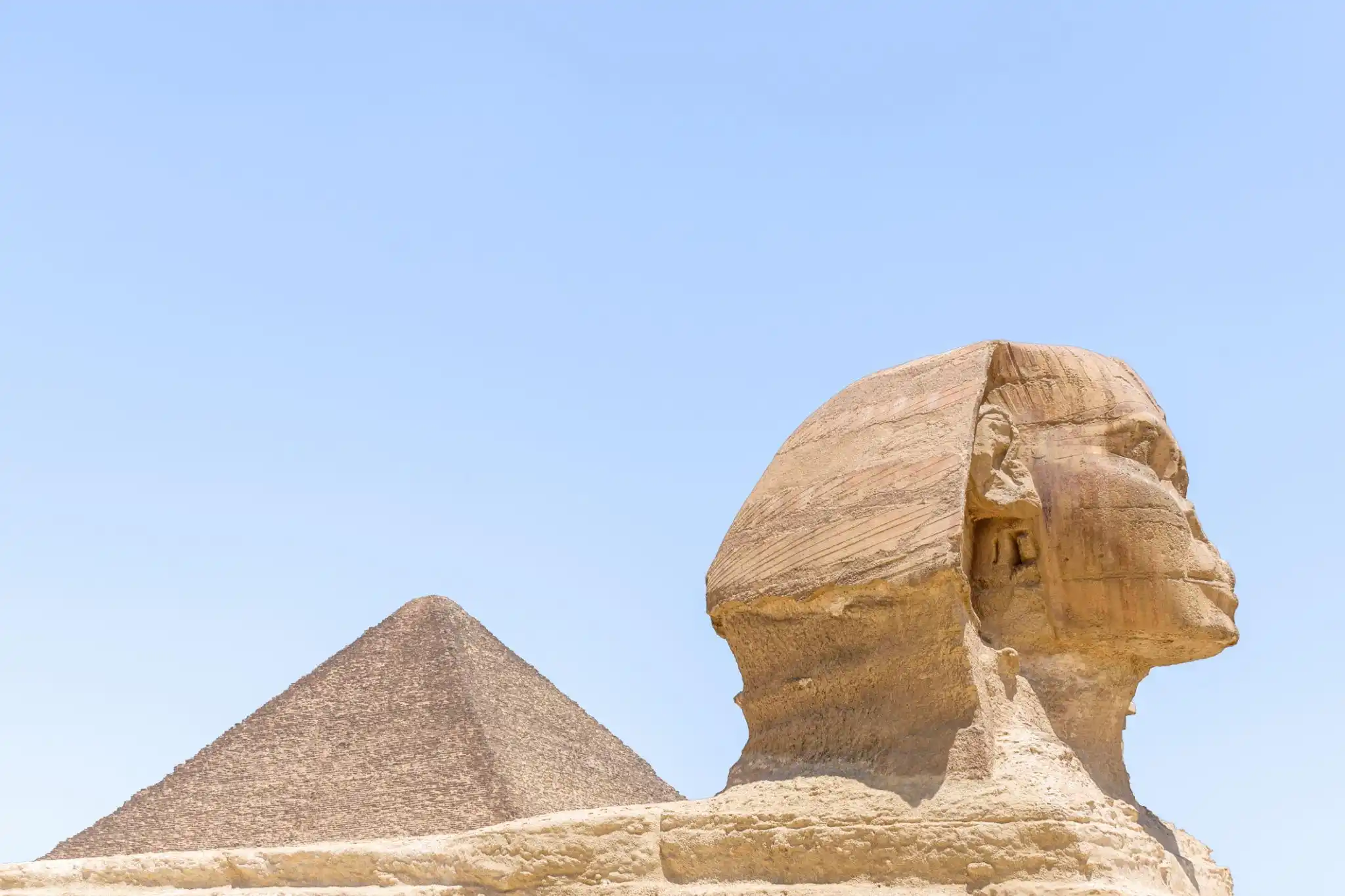 Great Sphinx of Giza
The Great Sphinx of Giza is a colossal limestone statue depicting a recumbent lion with a human head, located on Egypt’s Giza Plateau near the Great Pyramids. Believed to date from the reign of Pharaoh Khafre (c. 2558–2532 BCE), it is the world’s largest monolithic sculpture and among the most iconic symbols of ancient Egypt. Facing directly east, the Great Sphinx aligns with the rising sun, linking it to the solar cult of the god Ra. Ancient Egyptians viewed it as both royal protector and divine guardian of the necropolis. Inscriptions from the New Kingdom identify it as Hor-em-akhet (“Horus of the Horizon”), a manifestation of the sun god and a symbol of rebirth. The Great Sphinx inspired reverence throughout Egypt’s history and fascination worldwide. Classical travelers marveled at its scale, while later generations associated it with riddles, hidden chambers, and esoteric power. Today it stands beside the pyramids as a UNESCO World Heritage landmark, enduring as a global emblem of ancient ingenuity and mystery.
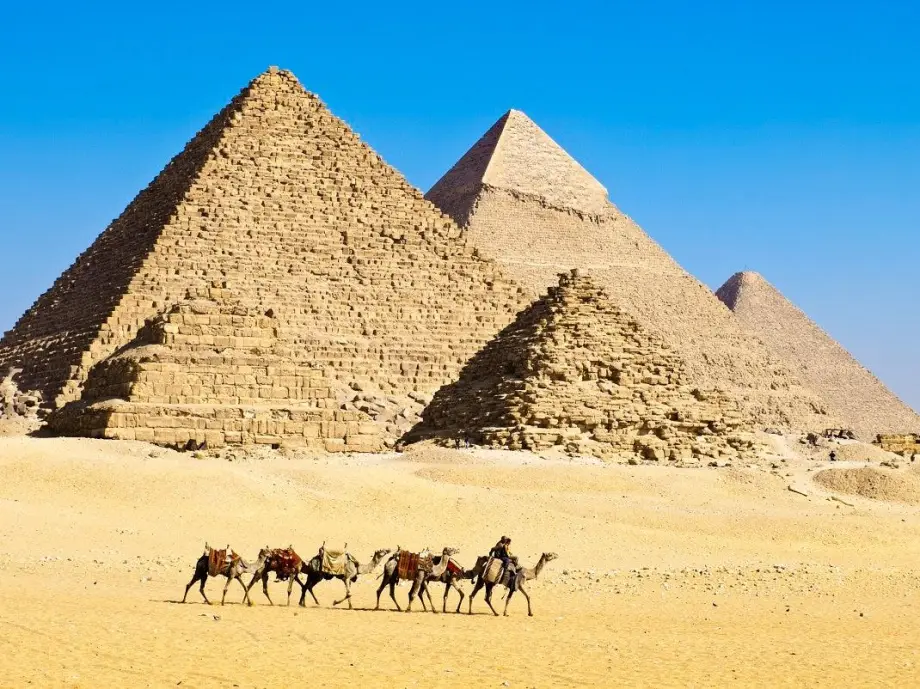 Stand Before The Giza Pyramid
The Giza Pyramids are an ancient pyramid complex located on the Giza Plateau, near Cairo. Built during Egypt’s Fourth Dynasty (circa 2600–2500 BCE), the site includes the Great Pyramid of Khufu, the Pyramids of Khafre and Menkaure, and the Great Sphinx of Giza. It remains one of the most iconic and enduring symbols of ancient Egyptian civilization. The pyramids were constructed using massive limestone and granite blocks, transported and arranged with extraordinary precision. The Great Pyramid of Khufu, originally about 146.6 meters tall, was the tallest man-made structure for over 3,800 years. Each pyramid formed part of a funerary complex including mortuary temples, causeways, and subsidiary pyramids for queens and officials. The site has been a focal point of archaeological exploration since antiquity. Modern research employs tools such as 3D scanning and muon imaging to study internal chambers and construction techniques. Conservation efforts by the Egyptian government and international partners aim to mitigate threats from urban expansion, tourism, and environmental factors.