

Travel to Equatorial Guinea
 3 photos
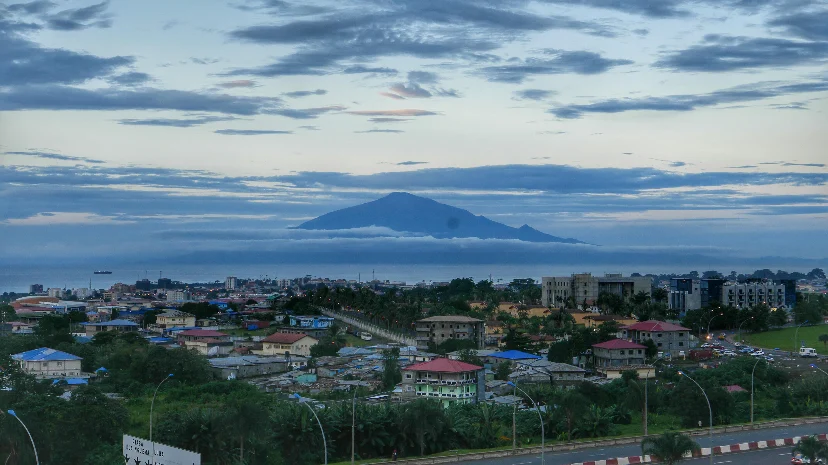
Equatorial Guinea’s territory includes the mainland Río Muni and five main islands. Bioko, dominated by extinct volcano Pico Basile (3,008 m), faces Cameroon across the Bight of Biafra; Annobón lies far to the southwest. The mainland borders Cameroon and Gabon, featuring tropical rainforests and coastal plains. The population is largely Bantu-speaking Fang, with Bubi communities on Bioko. The nation remains the only Spanish-speaking country in Africa.
Originally a Portuguese Empire holding ceded to Spain in 1778, the area became Spanish Guinea until independence in 1968. The first president, Francisco Macías Nguema, ruled brutally until overthrown by his nephew, Teodoro Obiang, who has since maintained near-total control. Despite constitutions adopted in 1982 and 1991, the Partido Democrático de Guinea Ecuatorial (PDGE) dominates politics, and opposition is minimal.
Hotels in Equatorial Guinea
 Ureka
Ureka
Ureka is a remote coastal village on the southern tip of Bioko Island, part of Equatorial Guinea. It is one of the wettest inhabited places on Earth and serves as a gateway to the island’s lush rainforests, pristine beaches, and ecological reserves. The settlement is notable for its biodiversity and role in eco-tourism.
 Pico Basile
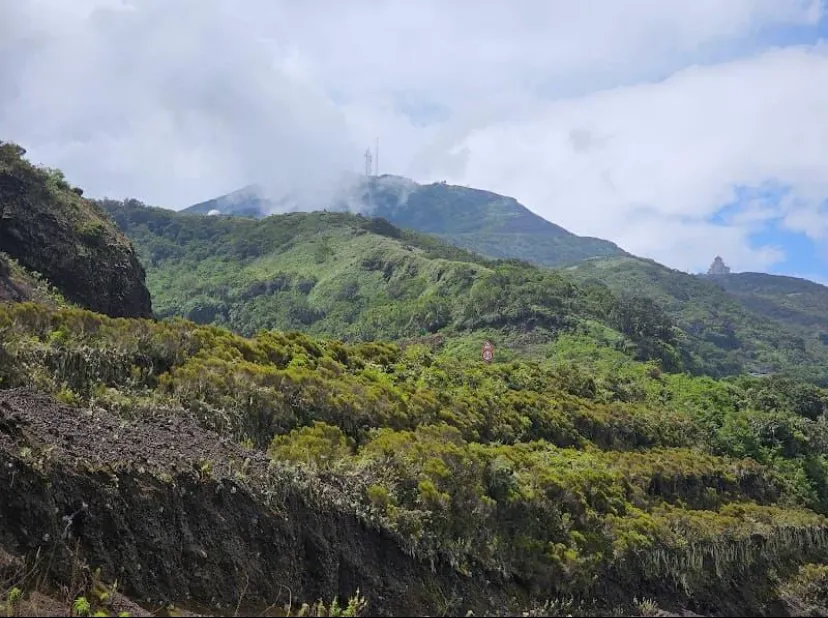
Pico Basile (formerly Pico de Santa Isabel) is the highest mountain in Equatorial Guinea, rising 3,011 m (9,878 ft) above sea level on Bioko Island. This dormant shield volcano dominates the island’s skyline and holds both ecological and cultural importance within the country. Pico Basile forms part of the Cameroon Volcanic Line, a geologic chain extending from the Gulf of Guinea to mainland Cameroon. The mountain comprises overlapping basaltic cones created by repeated lava flows, with gently sloping sides typical of shield volcanoes. It shares this volcanic lineage with nearby islands such as São Tomé and Príncipe, as well as Mount Cameroon.
 Malabo Cathedral
Malabo Cathedral, formally known as the Cathedral of Santa Isabel (Catedral de Santa Isabel), is a Roman Catholic cathedral in Malabo, the capital of Equatorial Guinea. It serves as the seat of the Archdiocese of Malabo and is one of the most recognizable colonial-era landmarks in the city and on Bioko Island. Built during the Spanish colonial period, Malabo Cathedral reflects Neo-Gothic design with twin spires, pointed arches, and stained-glass windows. Its construction was funded in part by the parish community and Spanish colonial authorities, and it was consecrated in 1916. The building’s light-colored façade and detailed ornamentation make it a central feature of Malabo’s skyline.
 Bioko Island
Bioko Island is a volcanic island and province of Equatorial Guinea located in the Gulf of Guinea, about 32 km off the coast of Cameroon. Known for its dramatic terrain and biodiversity, it hosts the nation’s capital, Malabo, and serves as Equatorial Guinea’s economic and political hub. Bioko rises steeply from the Gulf of Guinea, forming two volcanic massifs separated by the Musola depression. The north hosts Pico Basile, the country’s tallest mountain, while the south features the Luba Crater and Pico Biao volcanoes.