

Travel to Niger
 4 photos
Niger is a landlocked country in West Africa named after the Niger River, which runs along its southwestern edge and serves as a vital source of water, agriculture, and settlement. It shares borders with seven countries: Algeria, Libya, Chad, Nigeria, Benin, Burkina Faso, and Mali. Much of its territory lies within the Sahara Desert, making it one of the hottest and driest countries in the world.
The geography of Niger is dominated by desert and semi-desert landscapes, especially in the north. The Sahara covers more than half of the country, with vast sand dunes, rocky plateaus, and extremely low rainfall. In contrast, the southern region is part of the Sahel, a transitional zone between the desert and the savanna. This southern belt is more suitable for farming and supports most of the country’s population.
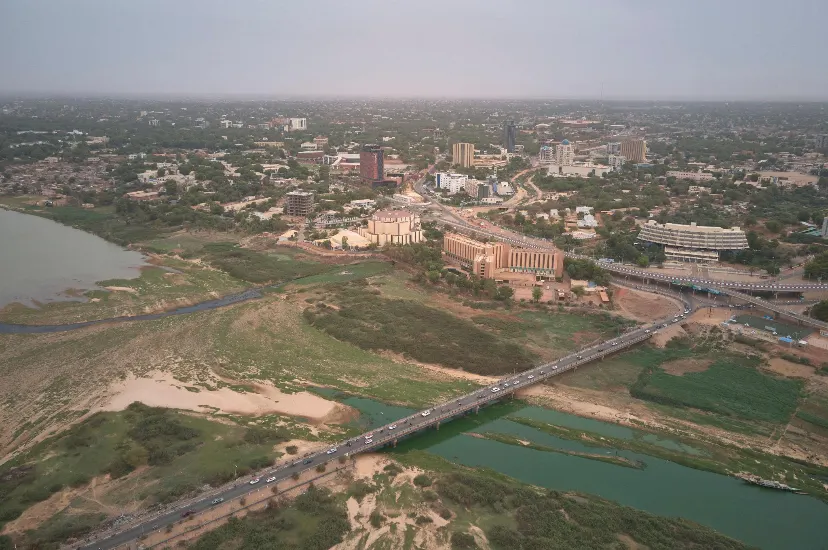
The capital city, Niamey, is located along the Niger River in the southwest. It is the largest city and the political, economic, and cultural center of the country. Niamey is home to government institutions, markets, universities, and growing infrastructure. Despite being the capital, much of Niger remains rural, with people living in small villages and relying heavily on subsistence agriculture and livestock herding.
Niger has a rich cultural and ethnic diversity. Major ethnic groups include the Hausa, Zarma-Songhai, Tuareg, Fulani, and Kanuri. Each group has its own language, traditions, and lifestyle. Hausa and Zarma are widely spoken alongside French, which is the official language due to colonial history. Traditional music, storytelling, and festivals play an important role in preserving cultural identity across the country.
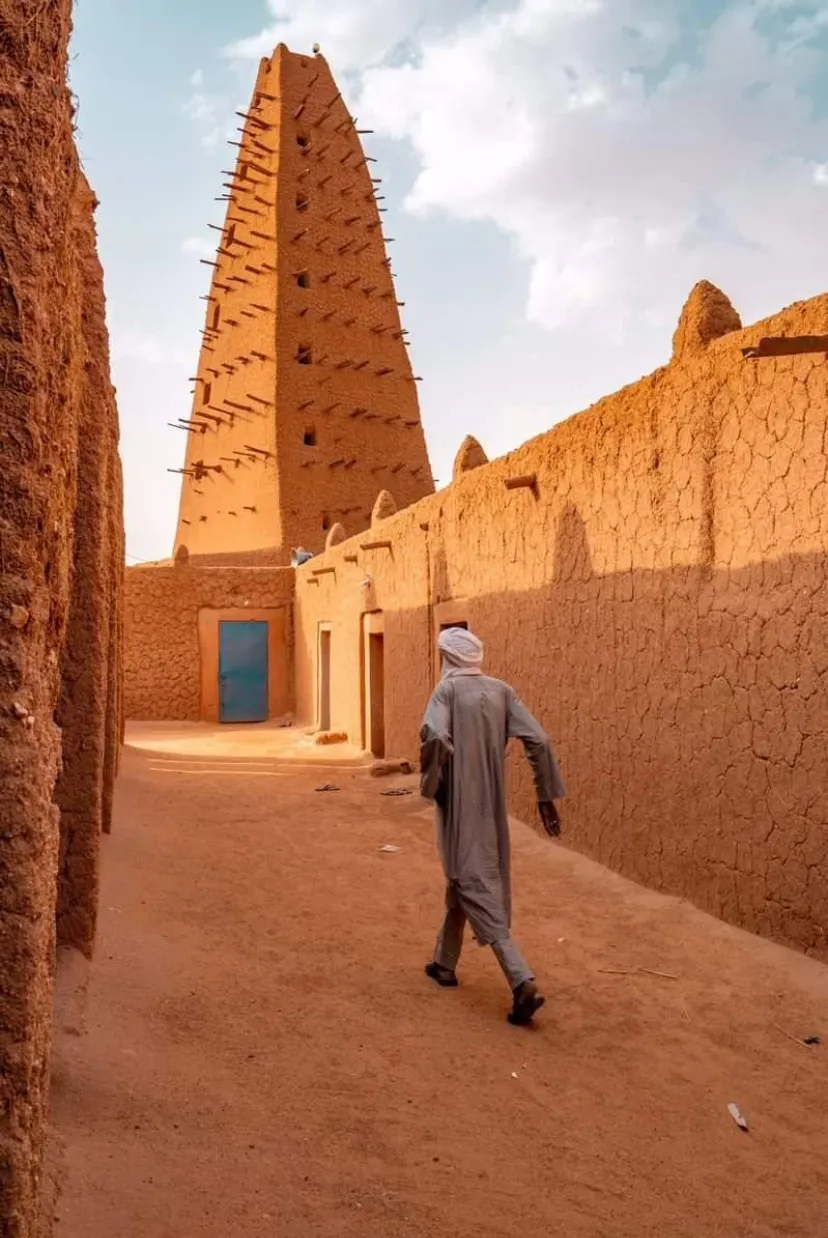
Historically, Niger has been part of several powerful West African empires, including the Songhai Empire and earlier trans-Saharan trade networks. Cities like Agadez in the north became important caravan stops for trade in salt, gold, and other goods between North Africa and sub-Saharan Africa. Agadez is still known today for its ancient mud-brick architecture and as a gateway to the desert.
The economy of Niger is one of the least developed in the world and relies heavily on agriculture, livestock, and uranium mining. Uranium is one of its most important exports, making Niger one of the world’s major producers. However, the economy is vulnerable due to climate change, desertification, and fluctuating global commodity prices. Many rural communities depend on rainfall, which is unpredictable, leading to frequent food insecurity.
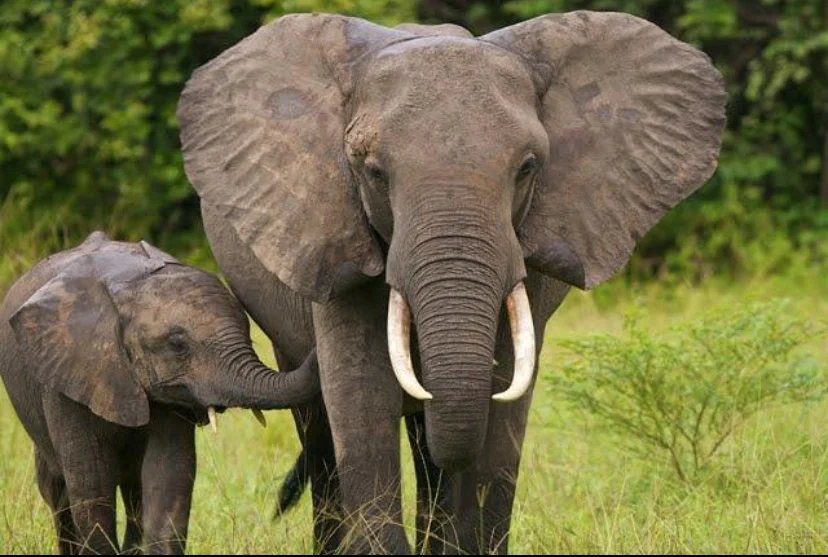
One of Niger’s most important natural areas is W National Park, a UNESCO-listed reserve shared with Benin and Burkina Faso. It is home to elephants, lions, buffalo, antelopes, and many bird species. Conservation efforts are ongoing to protect wildlife despite challenges such as poaching and habitat loss.
The climate in Niger is extremely hot and mostly arid. Temperatures often rise above 40°C (104°F) in the dry season. Rainfall is limited and concentrated in the short wet season from June to September in the southern region. The northern desert receives almost no rainfall at all.
Politically, Niger has experienced periods of instability, but it continues to play an important role in regional security and cooperation in West Africa. It also receives international support for development, education, and climate resilience programs.
Overall, Niger is a country defined by its desert landscapes, cultural diversity, and resilience in harsh environmental conditions. Despite economic and environmental challenges, it remains an important part of the Sahel region with a deep historical legacy and strong community traditions.