

Travel to Rwanda
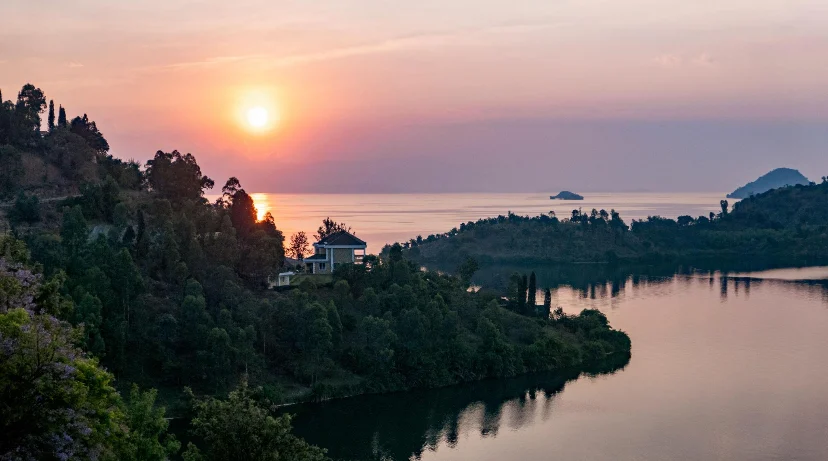

 3 photos
Rwanda is often described as the “land of a thousand hills,” a phrase that captures both its physical beauty and the layered complexity of its history and identity. Nestled in the heart of East Africa, Rwanda is one of the continent’s smallest countries, yet it holds an outsized place in global consciousness. Its story is one of deep tragedy, remarkable resilience, and ongoing transformation.
Geographically, Rwanda is defined by its rolling highlands, lush greenery, and temperate climate. Unlike many African countries associated with vast savannahs or arid deserts, Rwanda’s terrain is dominated by hills and mountains that stretch across the landscape in rhythmic patterns. The western part of the country is particularly dramatic, with the Virunga Mountains forming a natural border with neighboring countries. These mountains are not only visually striking but also ecologically significant, providing habitat for rare wildlife, including the endangered mountain gorillas.
At the center of Rwanda’s modern identity is its capital, Kigali. Kigali is often praised for its cleanliness, organization, and forward-looking atmosphere. It is a city that reflects Rwanda’s aspirations: orderly streets, growing infrastructure, and a sense of cautious optimism. Yet beneath this modern veneer lies a deep awareness of the country’s past, particularly the events of the 20th century that continue to shape its trajectory.
Economically, Rwanda has made significant strides. Once heavily dependent on agriculture, the country has diversified into sectors such as technology, services, and tourism. Kigali has emerged as a hub for innovation and entrepreneurship in East Africa, attracting investment and hosting international conferences. The government’s focus on digital infrastructure and ease of doing business has positioned Rwanda as a model for development in the region.
Tourism is a growing sector, driven largely by the country’s natural attractions and its reputation for safety and organization. In addition to gorilla trekking, visitors are drawn to Rwanda’s lakes, forests, and cultural experiences. Lake Kivu, one of Africa’s Great Lakes, offers opportunities for relaxation and water-based activities, contrasting with the more rugged terrain of the interior.
Hotels in Rwanda
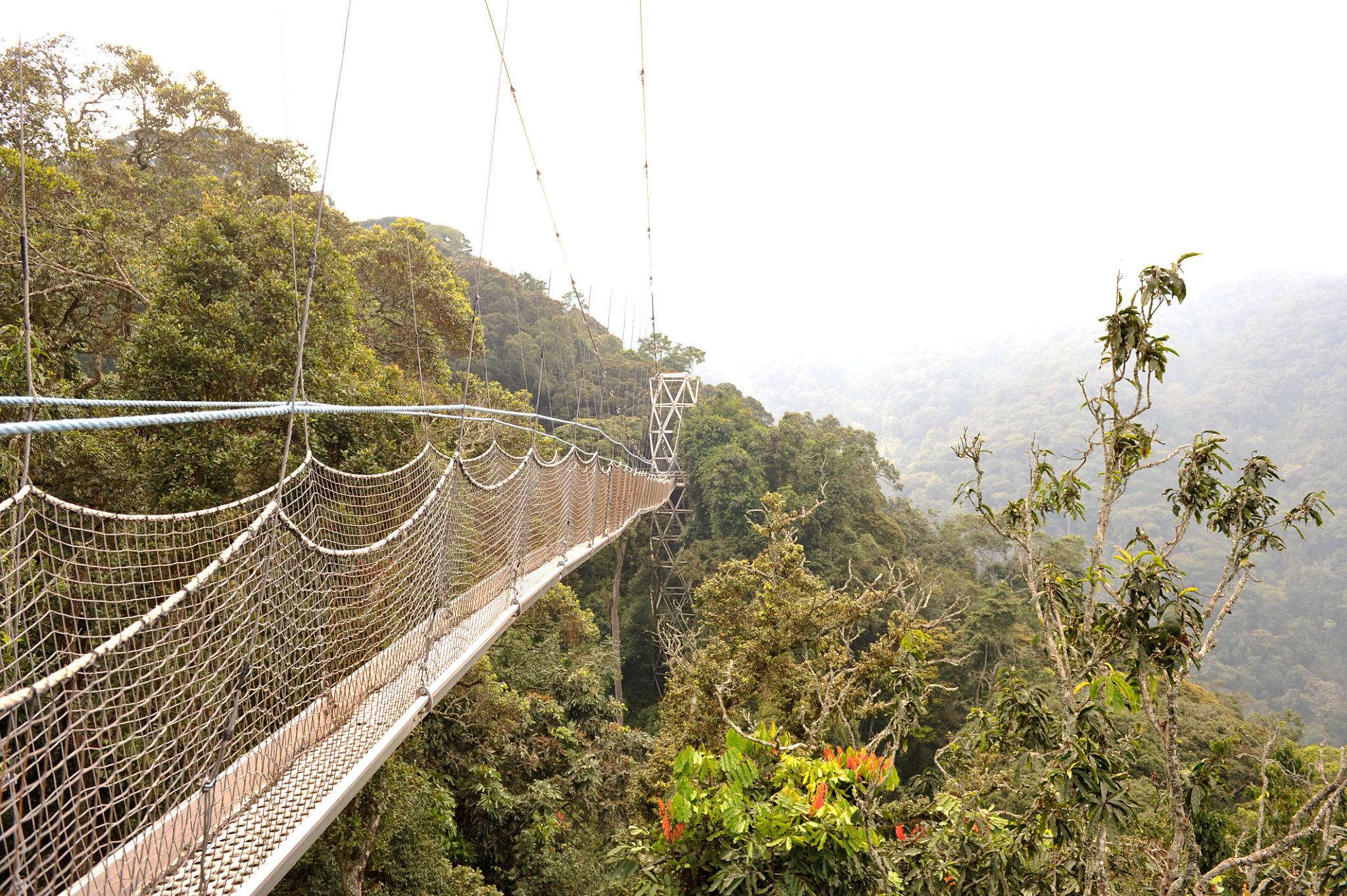 Nyungwe Forest National Park
Nyungwe Forest National Park is a protected rainforest in southwestern Rwanda, known for its remarkable biodiversity and scenic montane landscapes. Covering one of Africa’s oldest rainforests, it is a key site for primate tracking, birdwatching, and conservation research, contributing significantly to Rwanda’s ecotourism economy. Nyungwe Forest hosts over 1,000 plant species, more than 300 bird species, and 13 recorded primate species. The park shelters chimpanzees, the endangered L’Hoest’s monkey, and large groups of Ruwenzori colobus monkeys. Its diverse habitats range from bamboo and swamps to dense primary rainforest, fostering exceptional ecological richness. Nyungwe plays a crucial role in Rwanda’s biodiversity strategy, protecting vital watersheds that feed the Nile River and the Congo River basins. The park supports ecological monitoring, reforestation, and local community engagement through employment and ecotourism initiatives that reduce pressure on natural resources.
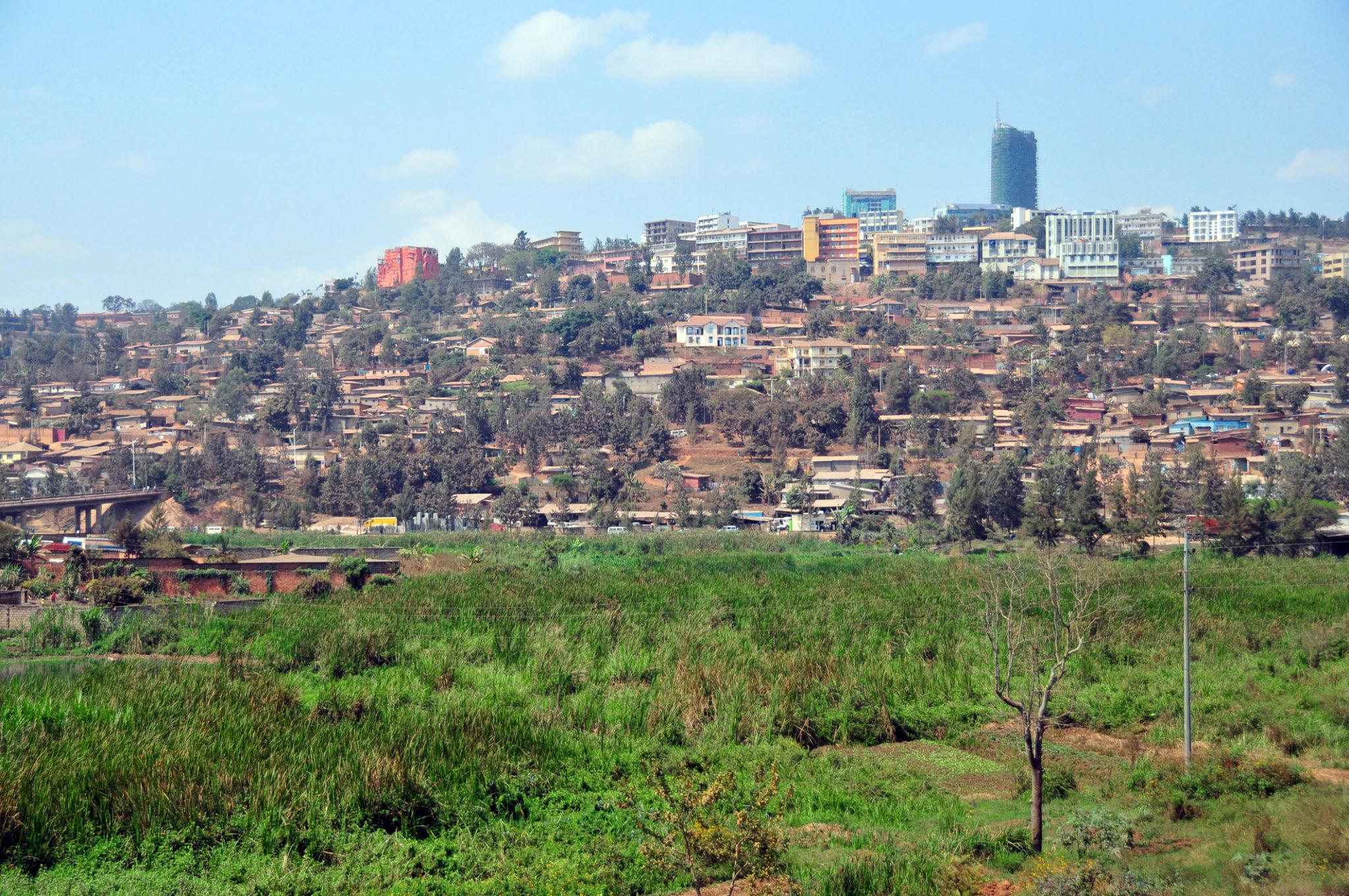 Discover Kigali
Kigali is the capital and largest city of Rwanda, located near the country’s geographic center. It serves as the political, economic, and cultural heart of Rwanda, known for its cleanliness, safety, and rapid modernization since the 1990s. Founded under German colonial rule in 1907, Kigali remained relatively small until Rwanda’s independence in 1962, when it became the national capital. After the 1994 genocide against the Tutsi, Kigali underwent major reconstruction and reconciliation efforts. The city has since become a symbol of Rwanda’s stability and development, featuring modern infrastructure and international investments. Kigali blends traditional Rwandan heritage with modern urban life. Cultural landmarks include the Kigali Genocide Memorial, museums, and art galleries such as Inema Arts Center. The city promotes cleanliness and environmental sustainability, earning global recognition for its monthly community cleanup initiative, Umuganda.
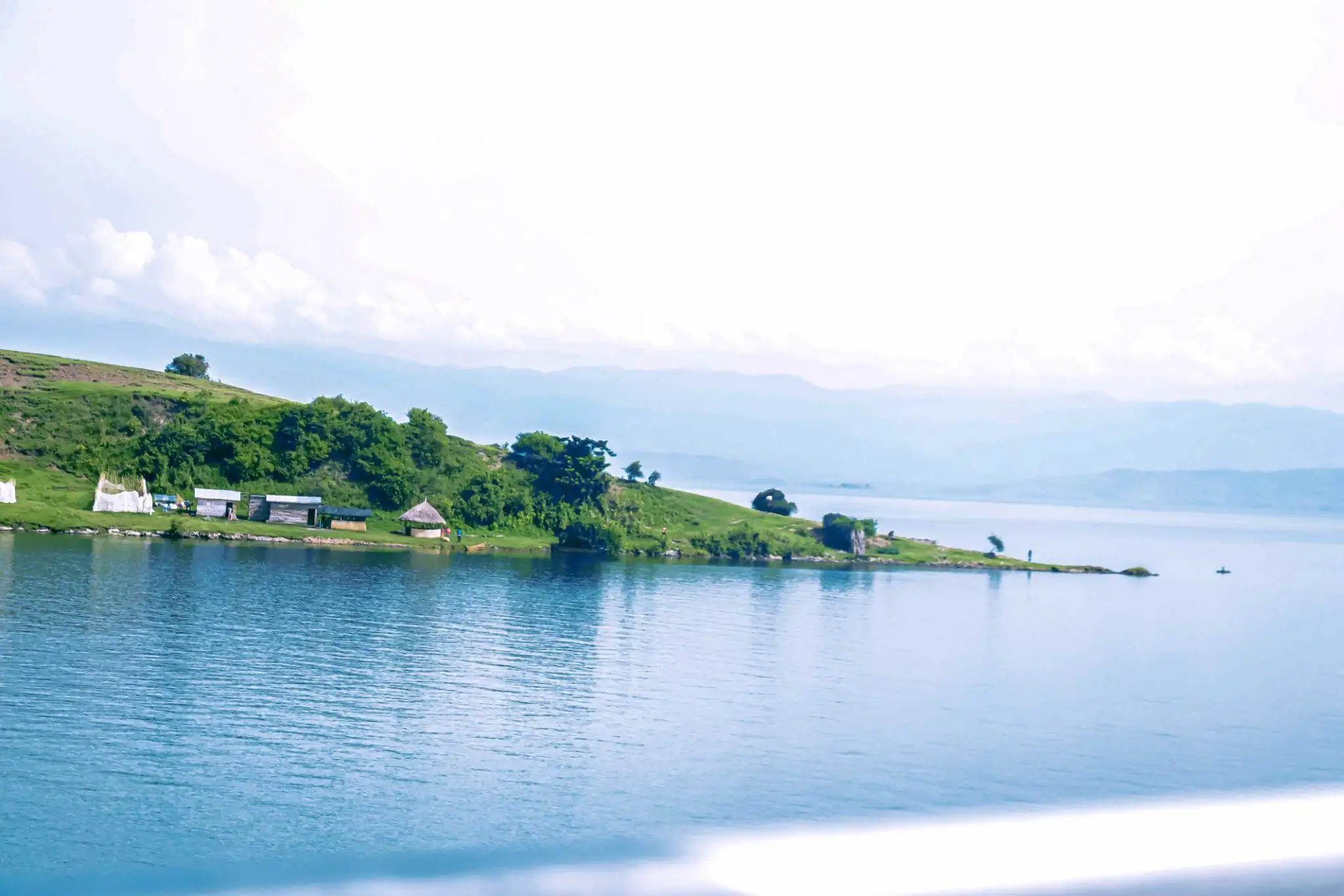 Lake Kivu
Lake Kivu is a large freshwater lake located on the border between Rwanda and the Democratic Republic of the Congo. It is one of Africa’s Great Lakes and a vital component of the upper Congo River basin. The lake is notable for its striking scenery, dense surrounding population, and unique limnological features. The lake supports a range of fish species, including endemic cichlids, though overfishing and environmental pressures have affected biodiversity. Its catchment area sustains dense human settlement and agriculture. The combination of nutrient inflow and stratification influences the lake’s productivity and water quality. Methane extraction projects, notably near Gisenyi, aim to generate electricity while reducing gas buildup. The lake also supports local fisheries, tourism, and transport links between Rwandan and Congolese towns. Its scenic volcanic backdrop makes it a popular regional destination for visitors.
 Akagera National Park
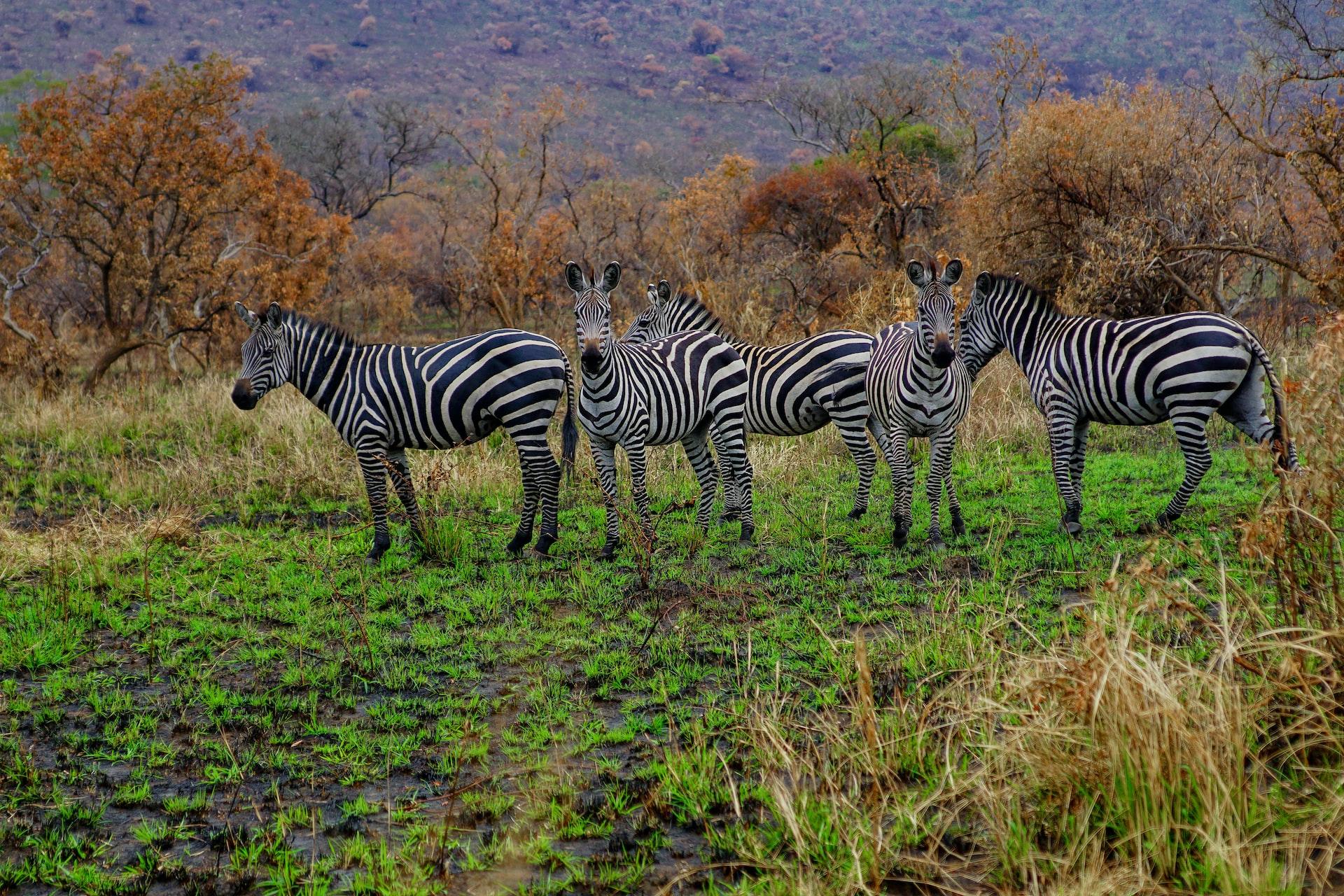
Akagera National Park is a savannah conservation area in eastern Rwanda along the border with Tanzania. It protects diverse ecosystems of grassland, woodland, wetland, and lakes, making it the country’s primary refuge for large African wildlife and a centerpiece of Rwanda’s conservation revival. The park’s landscape blends open savannah with acacia woodland, rolling hills, and a chain of lakes including Lake Ihema, Gishanju, and Shakani. Wetlands and papyrus swamps along the Akagera River form one of the largest protected freshwater systems in East Africa, supporting crocodiles, hippos, and numerous waterbirds. Eco-tourism in Akagera provides guided game drives, boat safaris, and birding opportunities. Revenue-sharing programs benefit surrounding communities through infrastructure and employment, helping align conservation goals with local livelihoods. Visitor facilities include a central lodge, tented camps, and self-drive routes that showcase wildlife and scenic vistas.
Volcanoes National Park (Parc National des Volcans) is a protected area in northwestern Rwanda within the Virunga Mountains. Established in 1925, it is Africa’s oldest national park and a global center for mountain gorilla conservation and eco-tourism. The park’s mist-covered volcanoes, rich biodiversity, and cultural heritage make it one of East Africa’s premier wildlife destinations. Volcanoes National Park is best known for regulated gorilla trekking, offering intimate encounters with habituated gorilla families such as Susa and Amahoro. Other experiences include golden monkey tracking, hiking to volcanic summits like Mount Bisoke or Mount Karisimbi, visiting the Musanze Caves, and walking the Dian Fossey Tomb and Karisoke Research Center trail. The annual Kwita Izina ceremony celebrates newborn gorillas and symbolizes Rwanda’s community-based conservation success. The park lies about 104 km (a two- to three-hour drive) northwest of Kigali near the town of Musanze. Treks begin from Kinigi headquarters, where permits and guides are arranged. Visits are possible year-round, though the drier months from June to September and December to February offer easier hiking conditions. Well-regulated tourism and high-value gorilla permits support ongoing conservation and local livelihoods.