

Travel to Sao Tome and Principe
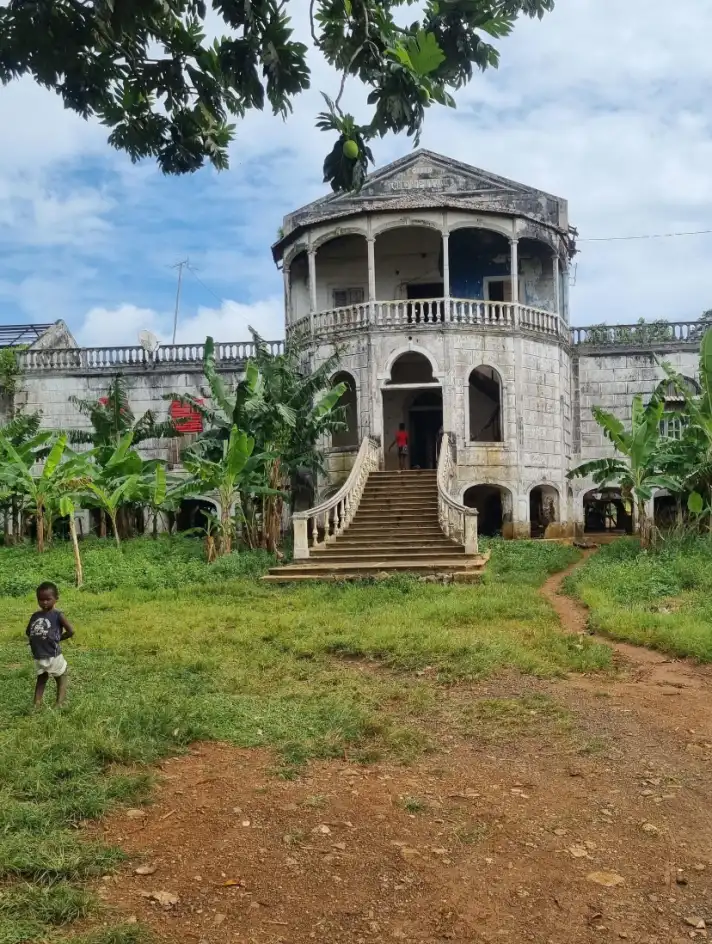
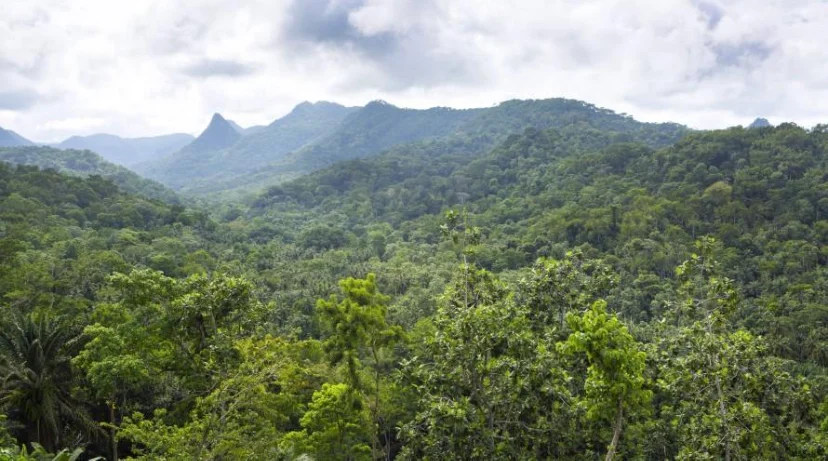
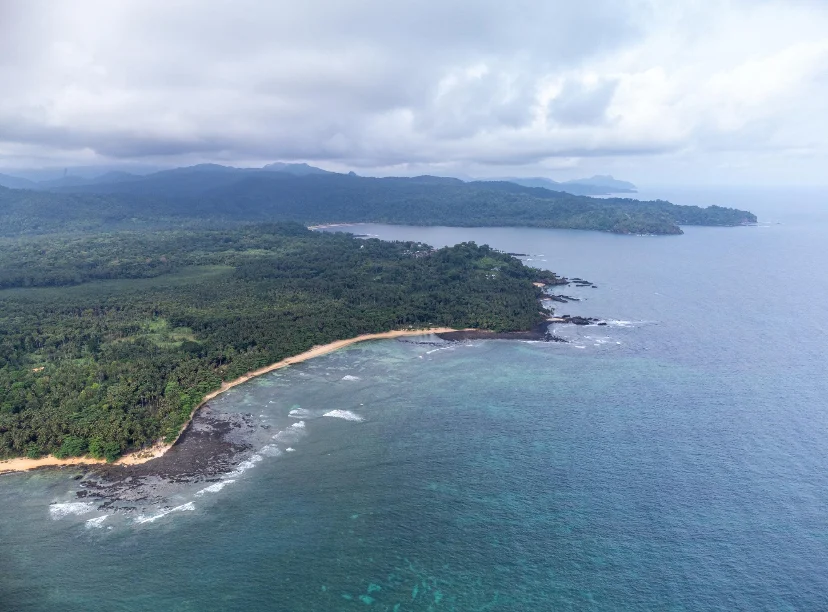 3 photos
São Tomé and Príncipe is a small island nation located in the Gulf of Guinea, off the western equatorial coast of Central Africa. It is Africa’s second-smallest country, notable for its volcanic landscapes, biodiversity, and relative political stability within the region.
Discovered and colonized by Portugal in the late 15th century, the islands became major sugar and later cocoa producers using enslaved African labor. São Tomé and Príncipe gained independence in 1975 and initially adopted a one-party socialist system. Today, it operates as a multiparty democracy, with a semi-presidential form of government. Its political scene is relatively peaceful compared to many regional counterparts.
The nation is known for its volcanic origin, which has created dramatic mountains, fertile soils, and rich biodiversity. Much of the land is covered in tropical rainforest, home to unique plants and animals found nowhere else. The economy is based mainly on agriculture, especially cocoa production, fishing, and growing tourism. Portuguese is the official language due to its colonial history. The country is peaceful and scenic, offering beautiful beaches, plantations, and protected natural parks that attract visitors seeking nature and relaxation.
Hotels in Sao Tome and Principe
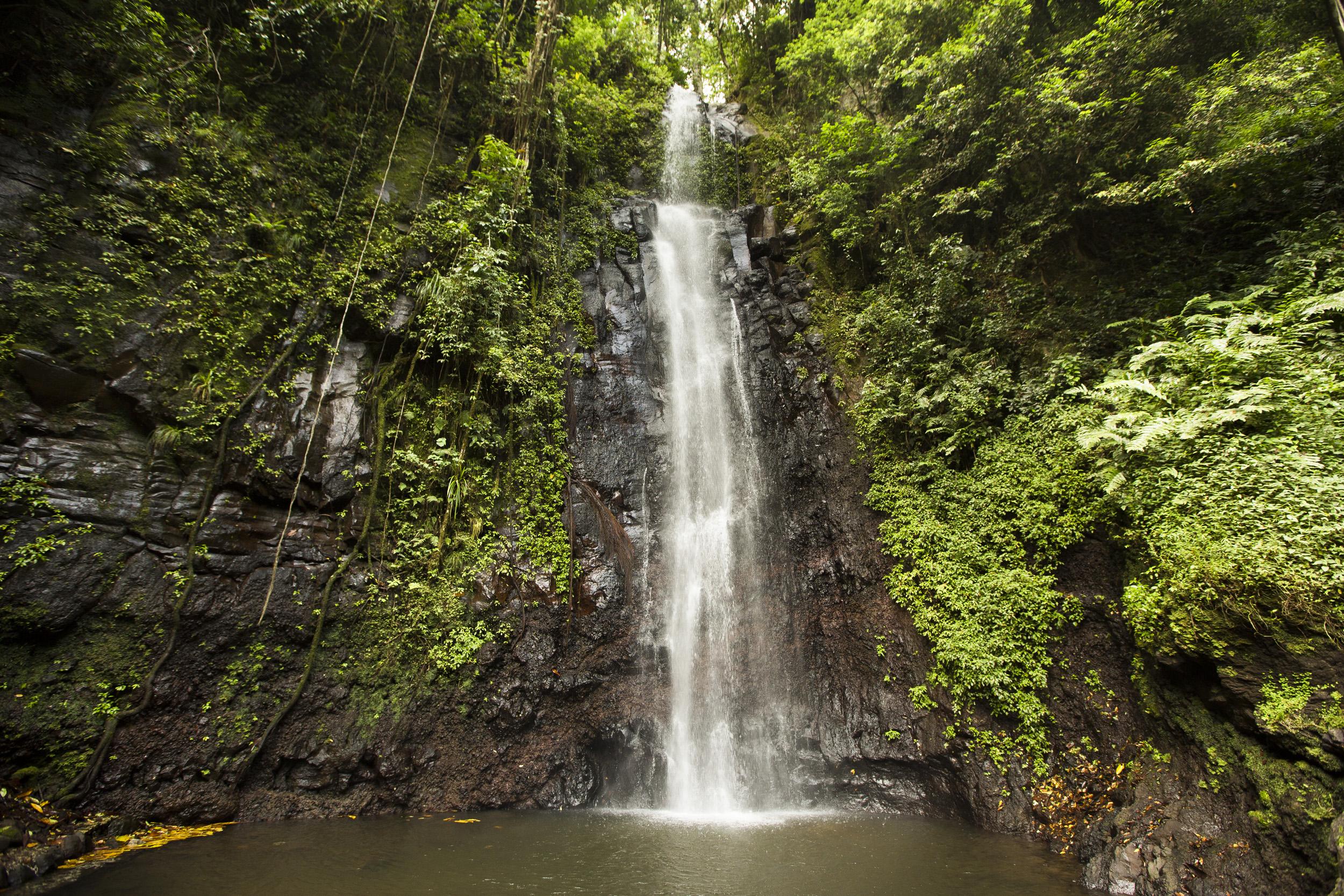 Visit waterfalls
São Nicolau Waterfall (Portuguese: Cascata de São Nicolau) is a scenic waterfall in the central highlands of São Tomé Island, São Tomé and Príncipe. Surrounded by dense tropical rainforest and volcanic landscapes, it is one of the island's best-known natural attractions and is frequently included on visits to the nearby coffee-growing region around Monte Café. The waterfall plunges roughly 30 meters (about 100 feet) down a dark volcanic rock face into a small pool below. Its lush setting of ferns, moss, and rainforest vegetation gives it a distinctive tropical character, particularly during the rainy season when water flow is at its strongest. São Nicolau Waterfall is notable for being relatively easy to access compared with many of São Tomé's more remote waterfalls. A road reaches close to the falls, and a short path and steps lead to the viewing area, where a small bridge crosses the stream at the base. Because of this accessibility, it is a popular stop for travelers exploring the island's central interior.
 Visit Príncipe Island
Príncipe is the smaller of the two main islands that make up the nation of São Tomé and Príncipe, located in the Gulf of Guinea off the west coast of Central Africa. Known for its volcanic landscapes, exceptionally rich biodiversity, and relatively low levels of development, it is recognized as one of Africa's most important island ecosystems. Much of Príncipe is covered by dense tropical rainforest shaped by its volcanic origin, with rugged peaks, dramatic sea cliffs, and secluded beaches. The island forms part of the Obo National Park, which protects habitats containing numerous endemic plants, birds, and other species found nowhere else on Earth. The island's isolation has made it a significant site for biological research and conservation.
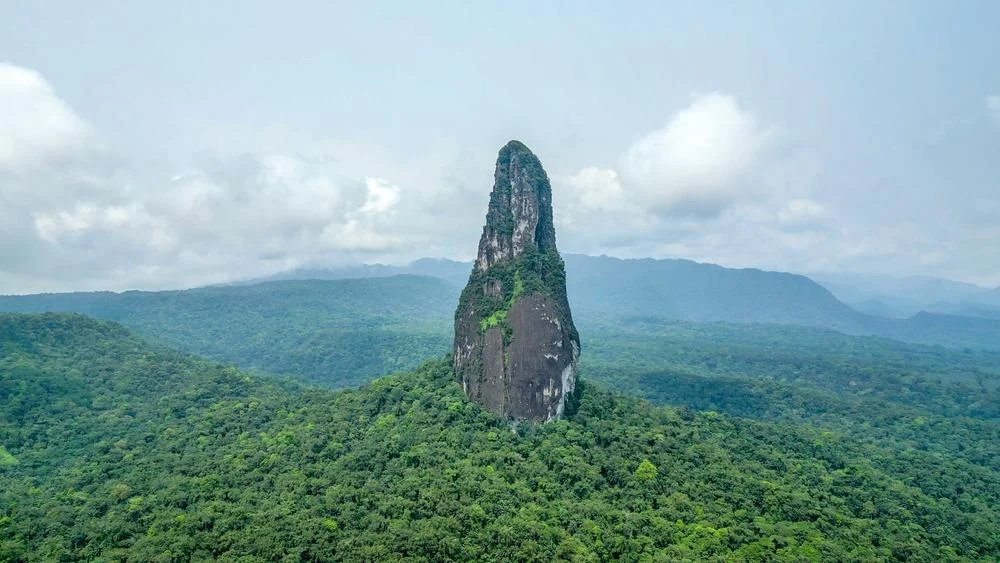 Hike Pico Cão Grande
Pico Cão Grande is a dramatic volcanic rock pinnacle on the island of São Tomé and Príncipe. Rising to 663 meters (2,175 feet) above sea level and towering roughly 370 meters above the surrounding rainforest, it is one of the world's most recognizable volcanic plugs and a defining landmark of the country's southern landscape. The pinnacle is a volcanic plug, created when magma solidified inside the vent of an ancient volcano. Over millions of years, the softer surrounding rock eroded away, leaving the much harder core standing as a near-vertical spire. It formed about 3.5 million years ago as part of the Cameroon Volcanic Line, a chain of volcanoes extending from mainland Africa into the Gulf of Guinea. Its rock is composed primarily of phonolite, an igneous rock that resists erosion well. Pico Cão Grande lies within Parque Natural Obô de São Tomé in the Caué District of São Tomé Island. Dense tropical rainforest surrounds the spire, creating one of the country's most photographed landscapes. The humid environment supports many endemic plants and animals, and mist frequently shrouds the summit, adding to its distinctive appearance.
Obo National Park
Obo National Park is a protected rainforest reserve spanning parts of the islands of São Tomé and Príncipe in the Gulf of Guinea. Established in 2006, it safeguards one of Africa's richest centers of endemic biodiversity and is internationally recognized for its exceptional tropical forests, volcanic landscapes, and rare wildlife. The park encompasses mountain rainforests, cloud forests, mangroves, coastal habitats, and volcanic peaks, creating an unusual variety of ecosystems within a relatively small area. On São Tomé, iconic landmarks such as Pico São Tomé and the dramatic volcanic spire Pico Cão Grande lie within or adjacent to protected landscapes, while dense primary forest remains one of the park's defining features. Visitors primarily experience the park through guided hikes that pass waterfalls, volcanic ridges, and lush rainforest. Trails vary from relatively accessible forest walks to challenging mountain routes, and local guides are commonly recommended because of the terrain and to help identify the park's distinctive flora and fauna.