

Travel to Sierra Leone


 4 photos
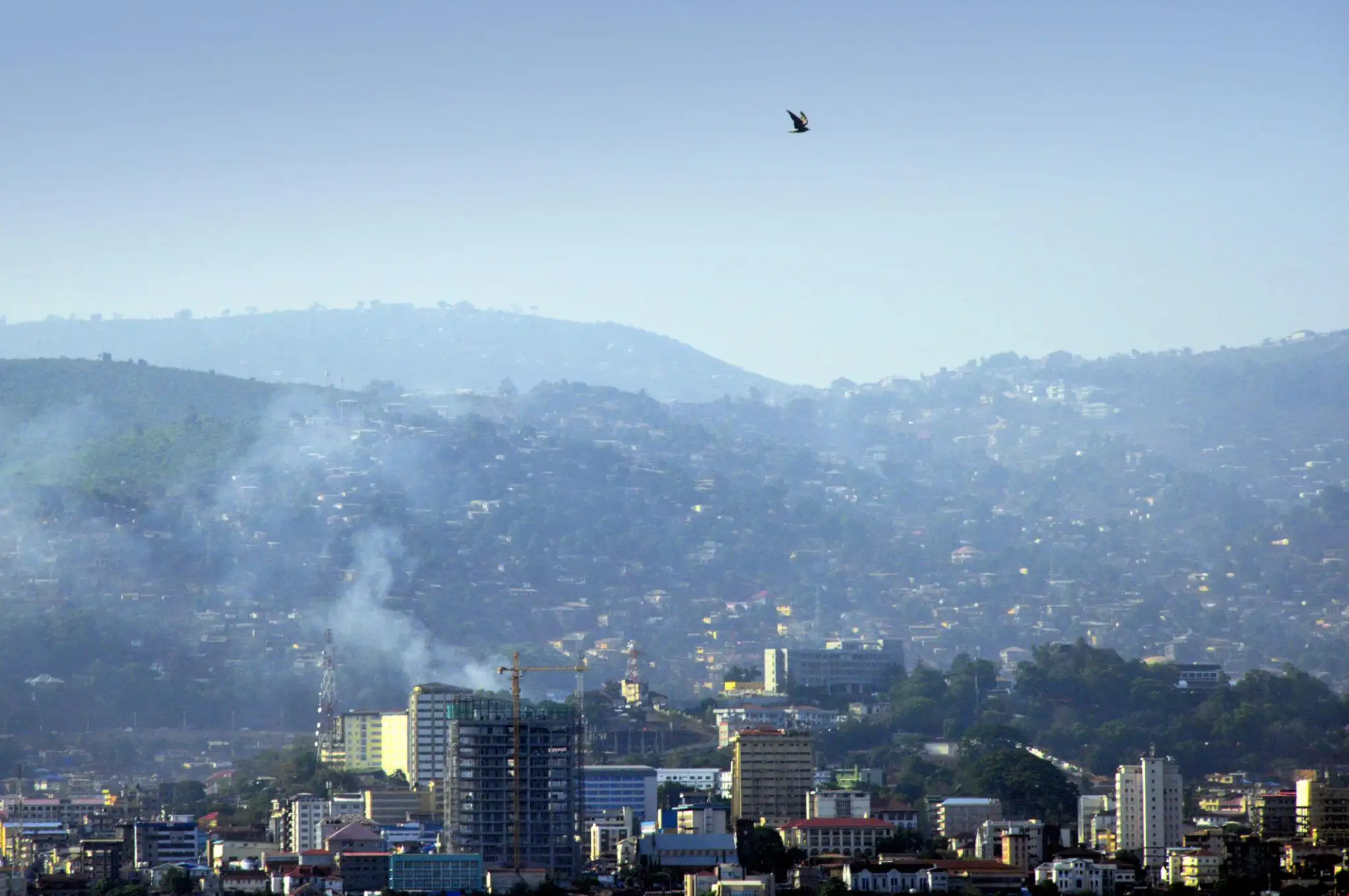
Sierra Leone is a coastal country in West Africa, bordered by Guinea to the north and east, Liberia to the south, and the Atlantic Ocean to the west. Its capital, Freetown, sits on one of the world’s largest natural harbors. Known for its tropical landscapes, rich mineral resources, and complex history, Sierra Leone has rebuilt from civil conflict to a growing democratic republic.
Agriculture employs most of the population, with rice, cassava, coffee, and cocoa as key crops. The country is also resource-rich, producing diamonds, rutile, bauxite, and gold. Despite this, Sierra Leone remains a low-income economy challenged by infrastructure gaps and high poverty rates, though democratic stability since 2002 has supported gradual recovery and reform.
Hotels in Sierra Leone
 Outamba-Kilimi National Park
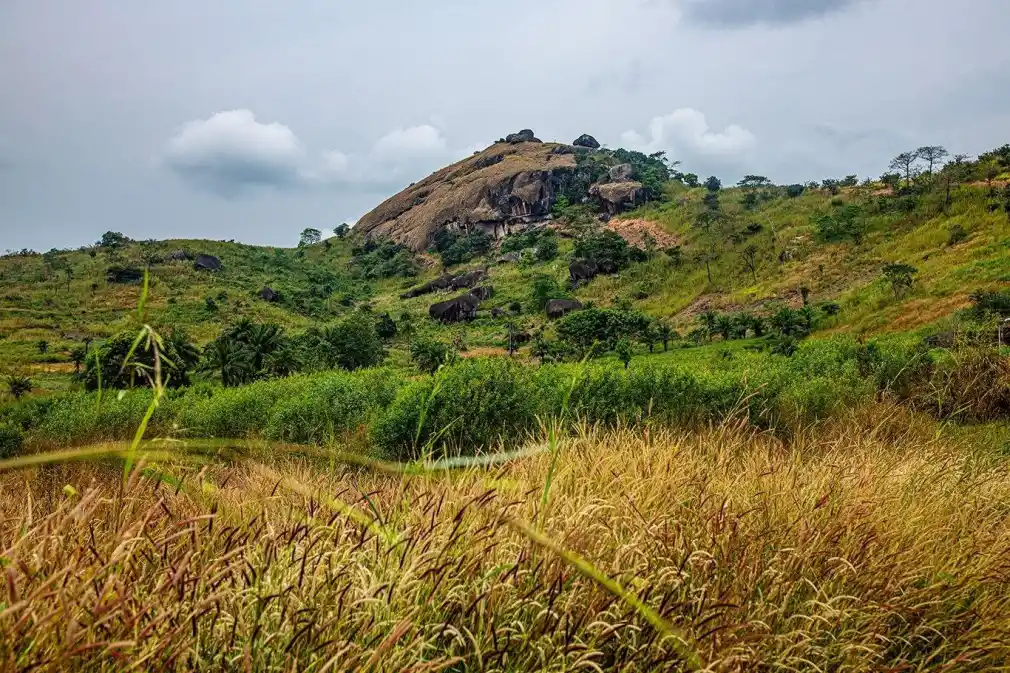
Outamba-Kilimi National Park is a protected area in northern Sierra Leone near the Guinean border, encompassing savanna woodland, rainforest, and riverine wetlands. Established in 1986, it was the country’s first national park and remains one of its most important wildlife sanctuaries, supporting rare primates and large mammals in a relatively undisturbed habitat. Outamba-Kilimi harbors one of West Africa’s strongest populations of western chimpanzees, along with colobus and Diana monkeys, sooty mangabeys, and the elusive pygmy hippopotamus. Forest elephants, leopards, buffalo, duikers, and bongo antelopes roam the area. More than 250 bird species have been recorded, including the white-necked picathartes, African fish eagle, and Goliath heron, making it a regional birdwatching hotspot.
 The Cotton Tree
The Cotton Tree was a centuries-old kapok tree and one of the most important historic and cultural landmarks in Freetown, symbolizing freedom and the founding of the city. It was revered as a national emblem of Sierra Leone and a central gathering place in Freetown’s collective memory. In May 2023, the tree was uprooted by a violent storm, shocking the nation. The government and conservationists moved to preserve its remains, with parts of the trunk and roots earmarked for memorial use and replanting projects. The site continues to be maintained as a heritage location, with efforts to grow new cotton trees from its seedlings. For generations, the Cotton Tree served as a meeting point and civic landmark at the heart of the city. Locals used it as a reference point and a site for public celebration or mourning. Its vast canopy made it one of Freetown’s most photographed and recognizable features.
Tiwai Island Wildlife Sanctuary
Tiwai Island Wildlife Sanctuary is a protected forest island on the Moa River in Sierra Leone’s Southern Province. It is recognized for its exceptional biodiversity, particularly its population of primates and rare wildlife species. The sanctuary serves as both a vital conservation area and an ecotourism destination supporting local communities. Tiwai Island is notable for hosting 11 primate species, including the endangered Diana monkey and western chimpanzees. The pygmy hippopotamus, a globally threatened species, is occasionally sighted here. The island’s conservation initiatives focus on habitat protection, scientific research, and sustainable community involvement to prevent poaching and deforestation. The sanctuary offers guided tours, river safaris, and forest walks that highlight its wildlife and cultural heritage. Ecotourism revenue supports local villages, reinforcing conservation through education and livelihood programs. Visitors can stay in eco-lodges or campsites managed in partnership with community members.
 River Number Two Beach
River Number Two Beach is a scenic coastal destination located in Sussex, Western Area, Sierra Leone. It is renowned for its white sand, turquoise waters, and tranquil setting at the mouth of the River Number Two, making it one of the country’s most picturesque and popular beaches for both locals and visitors. River Number Two Beach lies along the Western Area Peninsula, about 20 kilometers south of Freetown. The beach sits where the River Number Two meets the Atlantic Ocean, bordered by lush hills and mangrove vegetation. Its shallow, calm waters make it suitable for swimming and family recreation, while its pristine environment attracts photographers and filmmakers. The site is managed by the River No. 2 Community Tourism Association, a locally run cooperative established to promote sustainable tourism. Profits from entrance fees and hospitality services are reinvested in community development, environmental protection, and education initiatives in Sussex village. This model has made the beach a leading example of community-based eco-tourism in Sierra Leone.
 Tacugama Chimpanzee Sanctuary
Tacugama Chimpanzee Sanctuary is a conservation and ecotourism site located within the Western Area Peninsula National Park near Freetown, Sierra Leone. It serves as both a refuge for rescued chimpanzees and a center for wildlife education and community-based conservation, playing a vital role in protecting the country’s national animal. Established by conservationist Bala Amarasekaran and his wife Sharmila, Tacugama began as a response to illegal pet trading and habitat destruction threatening chimpanzees. The sanctuary’s mission expanded beyond rescue operations to include public education, advocacy, and habitat preservation initiatives throughout Sierra Leone. The sanctuary sits in lush forest terrain about 30 minutes from central Freetown. It houses over 100 chimpanzees in large forested enclosures designed to simulate natural habitats. Tacugama also operates eco-lodges, a visitor center, and guided tours, blending wildlife protection with sustainable tourism.