

Travel to South Africa
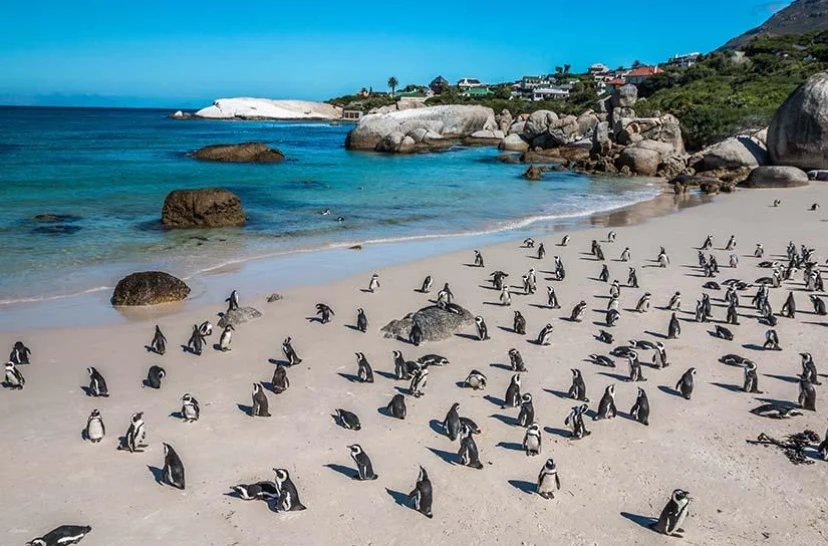
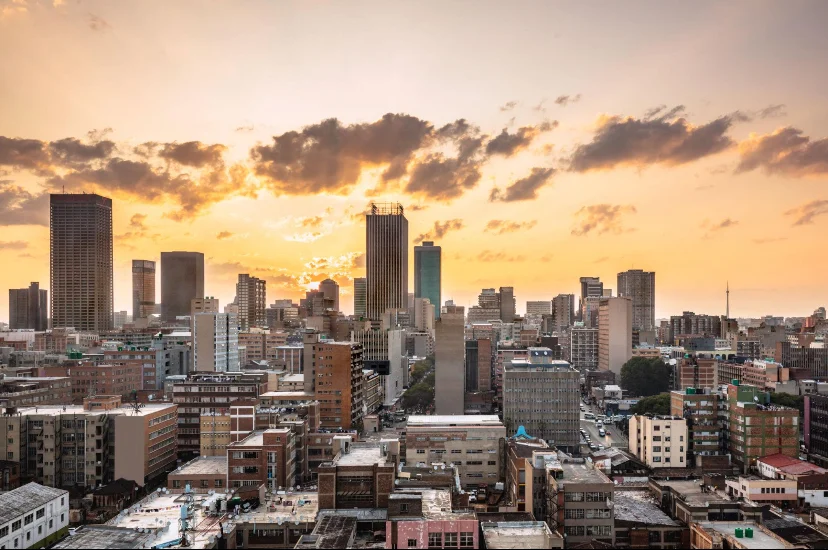
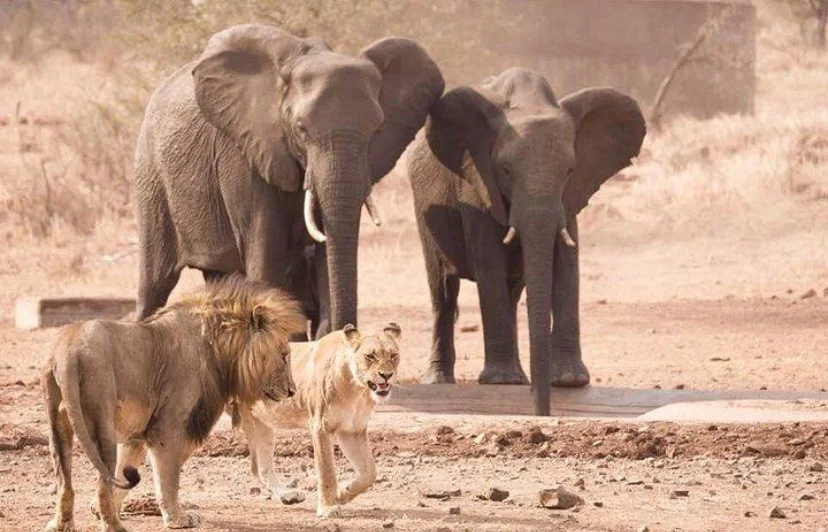 3 photos
South Africa is the southernmost country on the African continent, bordered by Namibia, Botswana, Zimbabwe, Mozambique, and Eswatini, and completely surrounding Lesotho. Known for its cultural diversity, natural beauty, and complex history, it plays a leading political and economic role in the Southern African region. Since the end of apartheid in 1994, it has been a constitutional democracy with vibrant civil institutions and regional influence.
South Africa stretches from desert to subtropical coastlines, bordered by the Atlantic and Indian Oceans. Its nine provinces include Gauteng, KwaZulu-Natal, and the Western Cape. The country is home to around 64 million people, about 81 percent of whom are Black African. Major urban centers include Johannesburg, Cape Town, and Durban. Kruger National Park and multiple UNESCO World Heritage Sites highlight its rich biodiversity.
Hotels in South Africa
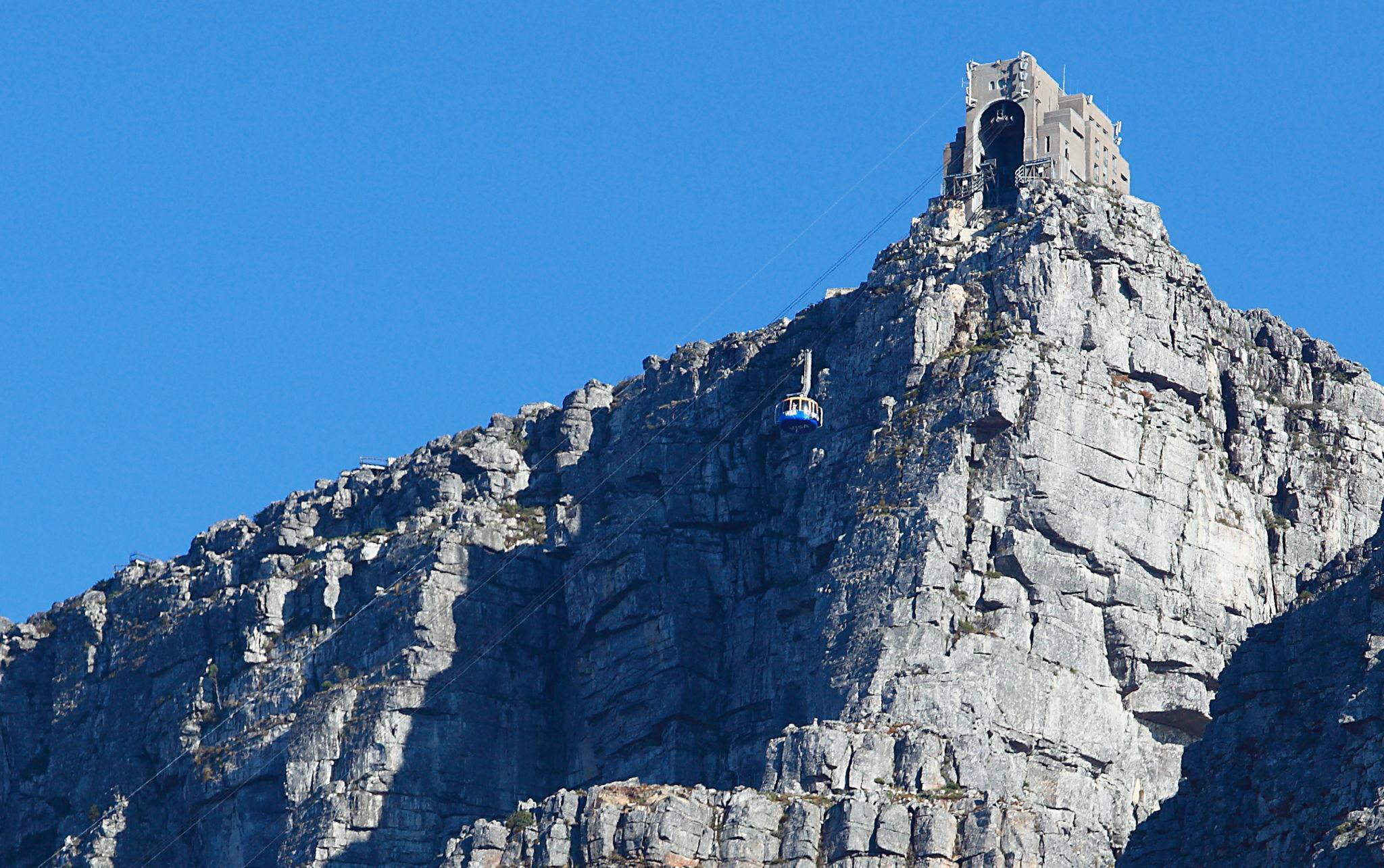 Table Mountain
Table Mountain is a flat-topped mountain forming a prominent landmark overlooking Cape Town, South Africa. Known for its distinctive plateau and sweeping views over the city and Table Bay, it is one of the most iconic natural features on the African continent and a major tourist destination. Accessible by the Table Mountain Aerial Cableway or via several hiking routes, the summit offers panoramic views of Cape Town, Robben Island, and the Cape Peninsula. Activities include hiking, rock climbing, abseiling, and guided nature tours. The mountain’s often-visible “tablecloth” of cloud adds to its dramatic scenery.
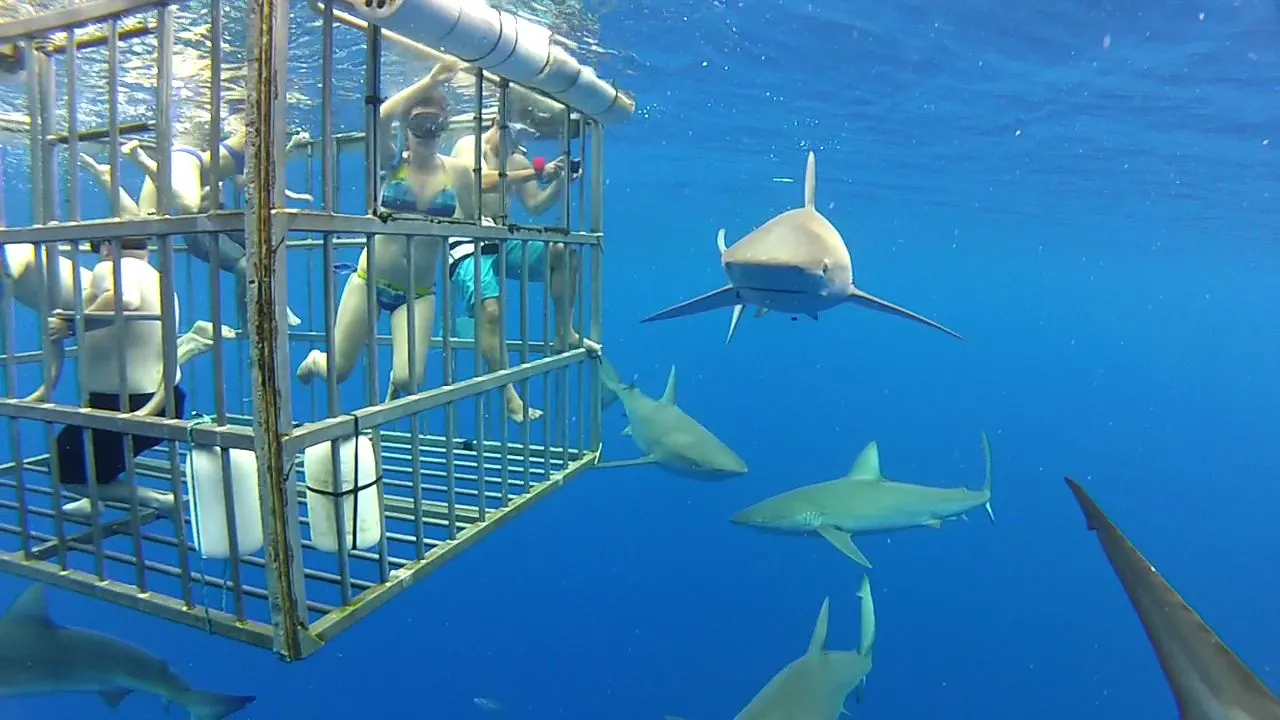 Go Shark Diving
Shark cage diving is a premier wildlife adventure in South Africa, offering up-close encounters with apex predators like Great White and Bronze Whaler sharks. The activity is primarily centered around the Western Cape, particularly in Gansbaai, which is globally recognized as the "Great White Shark Capital". The most popular hub, located about 2.5 hours from Cape Town. It offers consistent sightings and is home to "Shark Alley," a channel between Dyer Island and Geyser Rock teeming with seals and sharks. Most tours use surface cages that float next to the boat; no diving certification is required as participants typically use a simple breath-hold or "hookah" air system.
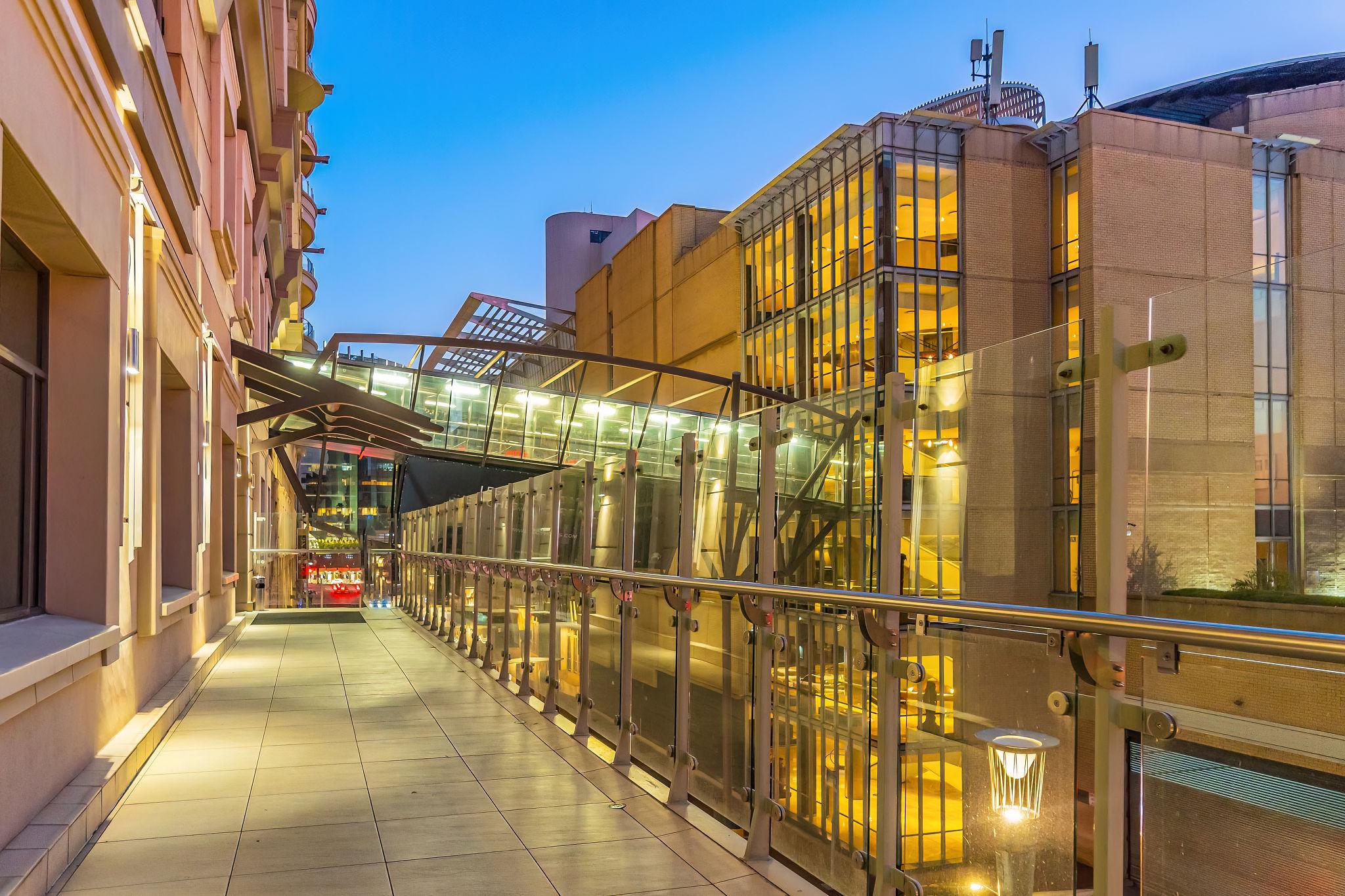 Visit Johannesburg
Johannesburg is the largest city in South Africa and the capital of Gauteng province. Established during the 1886 gold rush, it grew into the country’s economic and financial hub, home to major corporations and stock exchanges. Known locally as “Jozi” or “Joburg,” it remains a focal point of South Africa’s cultural and political life. Johannesburg features modern skyscrapers in Sandton, leafy suburbs, and expansive townships. It faces challenges such as inequality, infrastructure strain, and urban sprawl, yet remains dynamic and resilient. Ongoing regeneration projects aim to balance economic growth with inclusivity and sustainability.
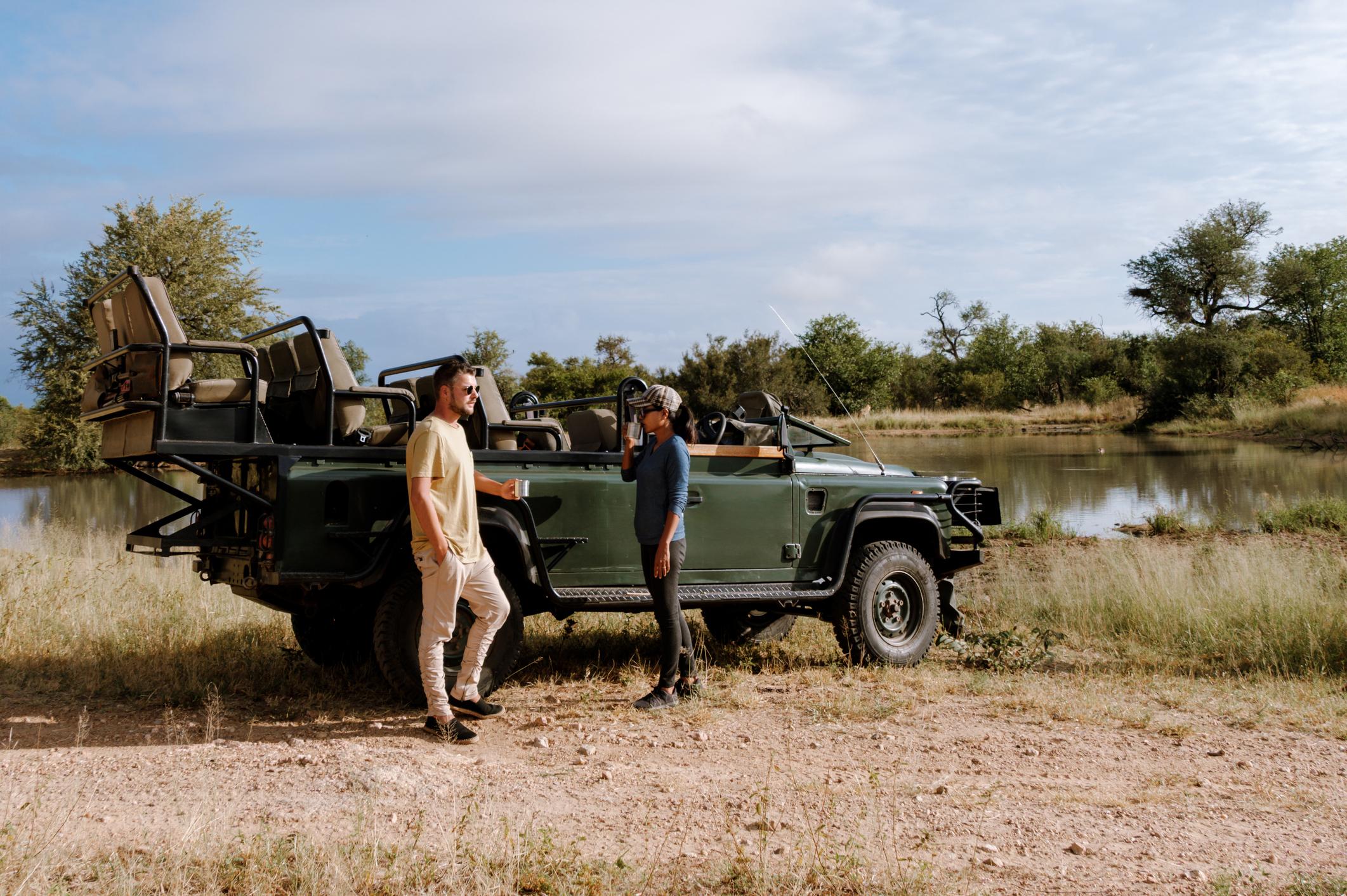 Go on a Safari at Kruger National Park
Kruger National Park is South Africa’s largest and most famous wildlife reserve, located in the country’s northeastern region along the borders with Mozambique and Zimbabwe. Established in 1898, it is renowned for its exceptional biodiversity and as one of Africa’s premier safari destinations. Stretching nearly 360 kilometers north to south, Kruger encompasses vast savannas, woodlands, and riverine forests. The park lies within the Lowveld region, where the Sabie River, Olifants, and Letaba rivers sustain diverse flora and fauna. The climate ranges from hot, wet summers to mild, dry winters, shaping seasonal wildlife behavior and vegetation patterns.
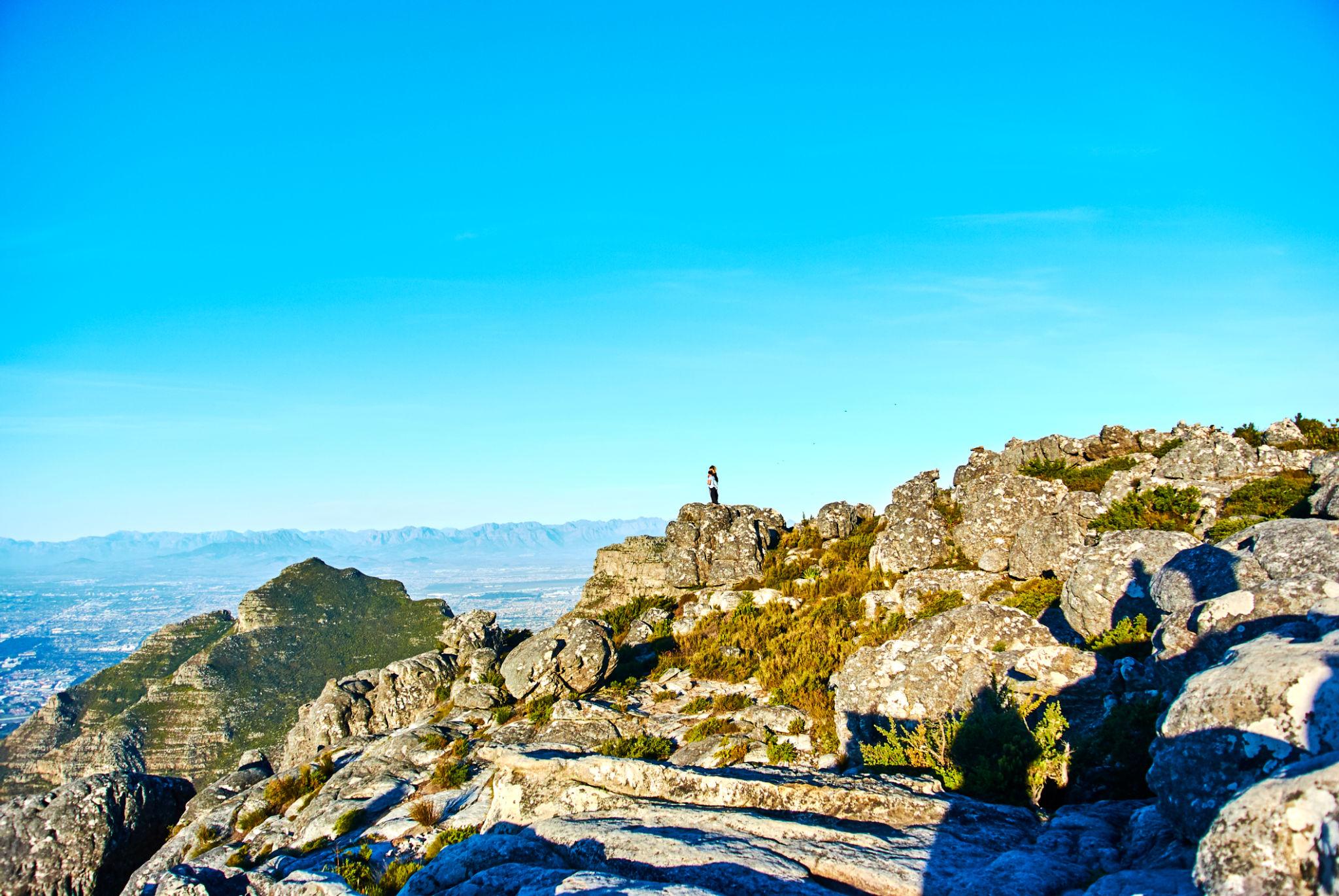 Visit Cape Town
Cape Town is a major coastal city in the Western Cape province of South Africa, located at the foot of Table Mountain. It serves as the country’s legislative capital and is a major hub for tourism, culture, and commerce in southern Africa. Cape Town lies on the Cape Peninsula, where the Atlantic and Indian Oceans converge. The city’s skyline is dominated by Table Mountain, a flat-topped massif offering panoramic views. Nearby natural landmarks include Cape Point and Kirstenbosch National Botanical Garden, both part of the Table Mountain National Park. The region’s Mediterranean climate supports rich biodiversity, including endemic fynbos vegetation. Cape Town’s economy blends finance, tourism, manufacturing, and creative industries. The city hosts the Parliament of South Africa and attracts multinational businesses. Its cultural life is marked by music, art, and cuisine reflecting African, European, and Asian influences. Attractions such as the V&A Waterfront, Robben Island, and colorful neighborhoods like Bo-Kaap highlight its heritage.