

Travel to South Sudan
 4 photos
South Sudan is a landlocked country in East-Central Africa that gained independence from Sudan in 2011, becoming the world’s newest nation. It is notable for its cultural diversity, vast wetlands, and ongoing efforts to stabilize after decades of civil conflict. The country sits along the White Nile and possesses substantial oil reserves.
South Sudan borders Sudan, Ethiopia, Kenya, Uganda, the Democratic Republic of the Congo, and the Central African Republic. Its terrain is dominated by the Sudd, one of the world’s largest wetlands, formed by the White Nile. The country has tropical and semi-arid regions, with seasonal flooding affecting agriculture and transport.
Hotels in South Sudan
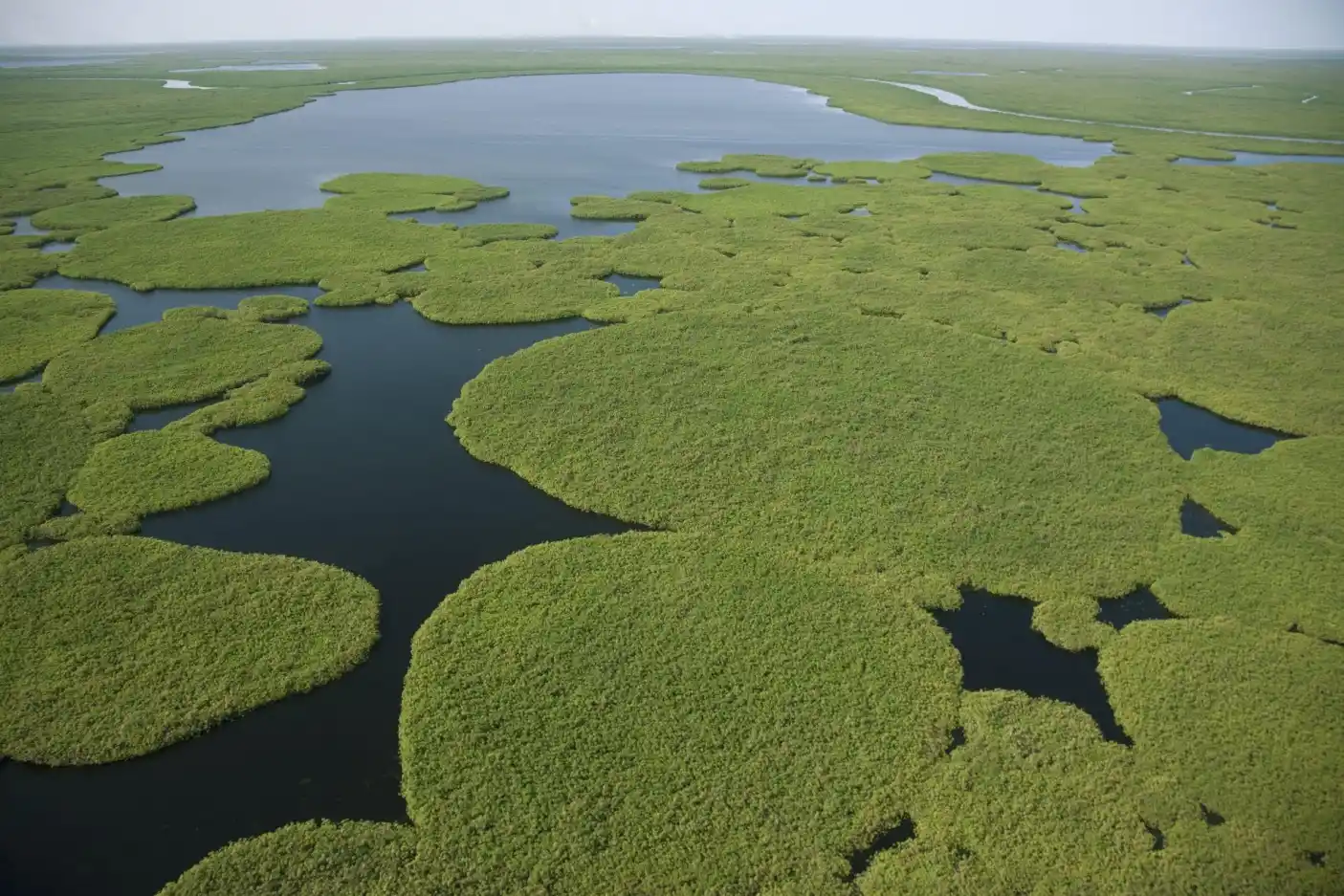 The Sudd
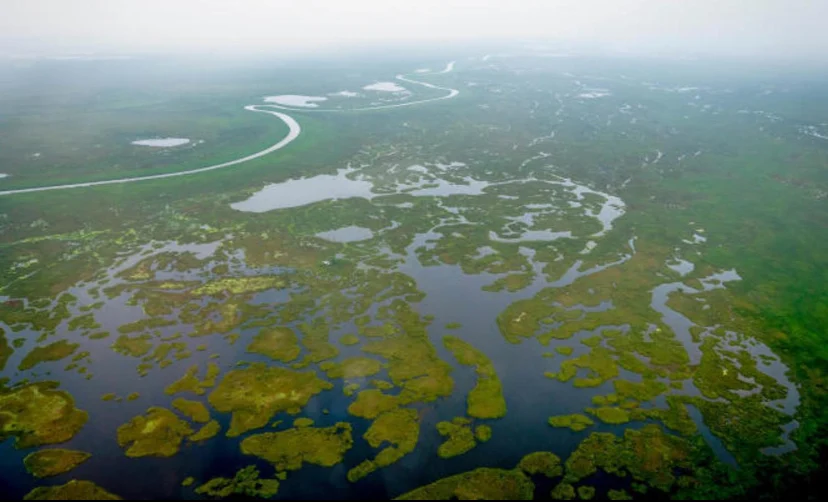
The Sudd consists of an ever-changing mosaic of open water, papyrus swamps, floating vegetation, flooded grasslands, and seasonal lakes. Its size varies dramatically between dry and wet seasons, expanding and contracting with annual flood pulses. These natural cycles create habitats for hundreds of bird species, numerous fish, and large mammals, making the wetland one of Africa's most important ecological regions. The Sudd is a vast tropical wetland in central South Sudan formed by the White Nile (Bahr el Jabal), and it is among the largest freshwater wetlands on Earth. Its immense seasonal floodplain supports exceptional biodiversity, sustains local livelihoods, and plays a major role in the hydrology of the Nile Basin. The wetland acts as a vast natural reservoir. Floodwaters entering the Sudd spread across the floodplain, where large amounts of water evaporate before continuing downstream. This process influences the flow of the White Nile, traps sediments, regulates water quality, and shapes the climate and ecosystems of the broader Nile Basin.
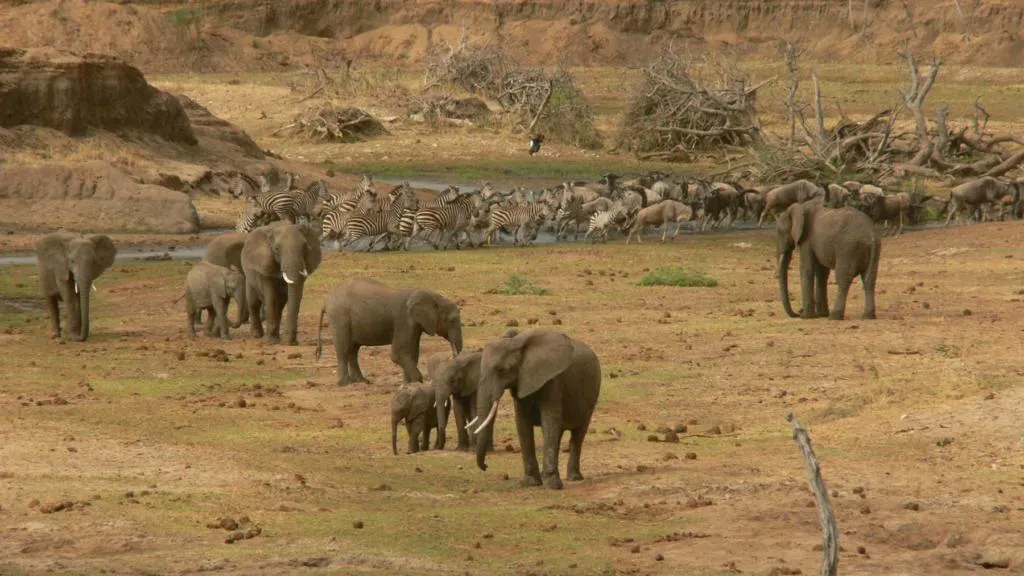 Boma National Park
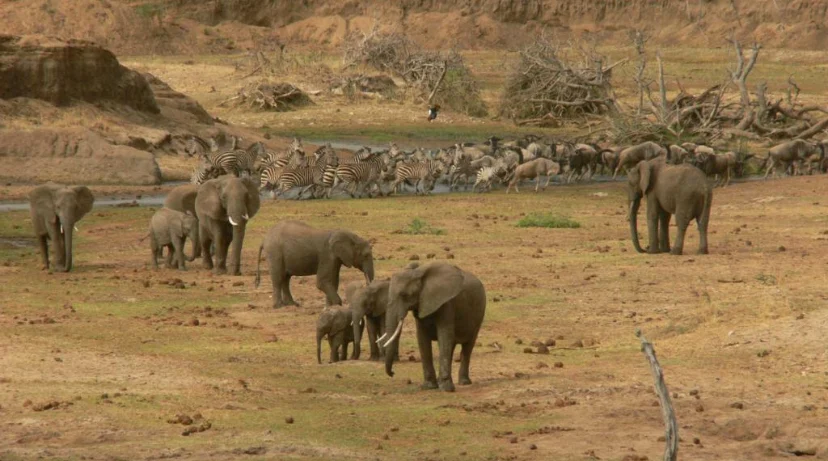
Boma National Park is a vast protected area in eastern South Sudan near the Ethiopian border. Established in 1977, it is one of Africa's largest national parks and forms the heart of a globally important savanna ecosystem renowned for its extraordinary wildlife migrations and conservation significance. The park's defining natural phenomenon is its role in the Great Nile Migration Landscape, where millions of antelope travel between Boma National Park, neighboring Badingilo National Park, and Ethiopia's Gambella National Park. Recent aerial surveys indicate that this migration involves around six million antelope, making it the largest known land mammal migration on Earth, surpassing the better-known Serengeti migration in total numbers. Decades of conflict, poaching, and limited infrastructure have made conservation in Boma especially challenging. In 2022, the Government of South Sudan entered a long-term management partnership with African Parks to strengthen protection, restore ecosystems, improve wildlife monitoring, and support sustainable tourism. The wider Boma–Badingilo landscape has also been advanced as a candidate for UNESCO World Heritage recognition because of its exceptional ecological value.
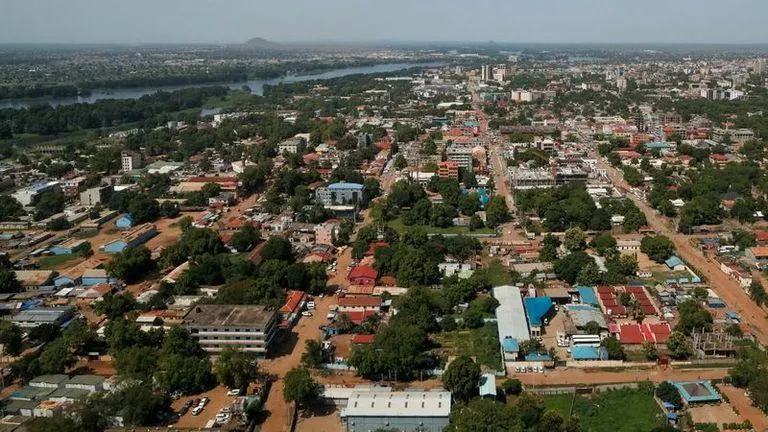 Juba
Juba
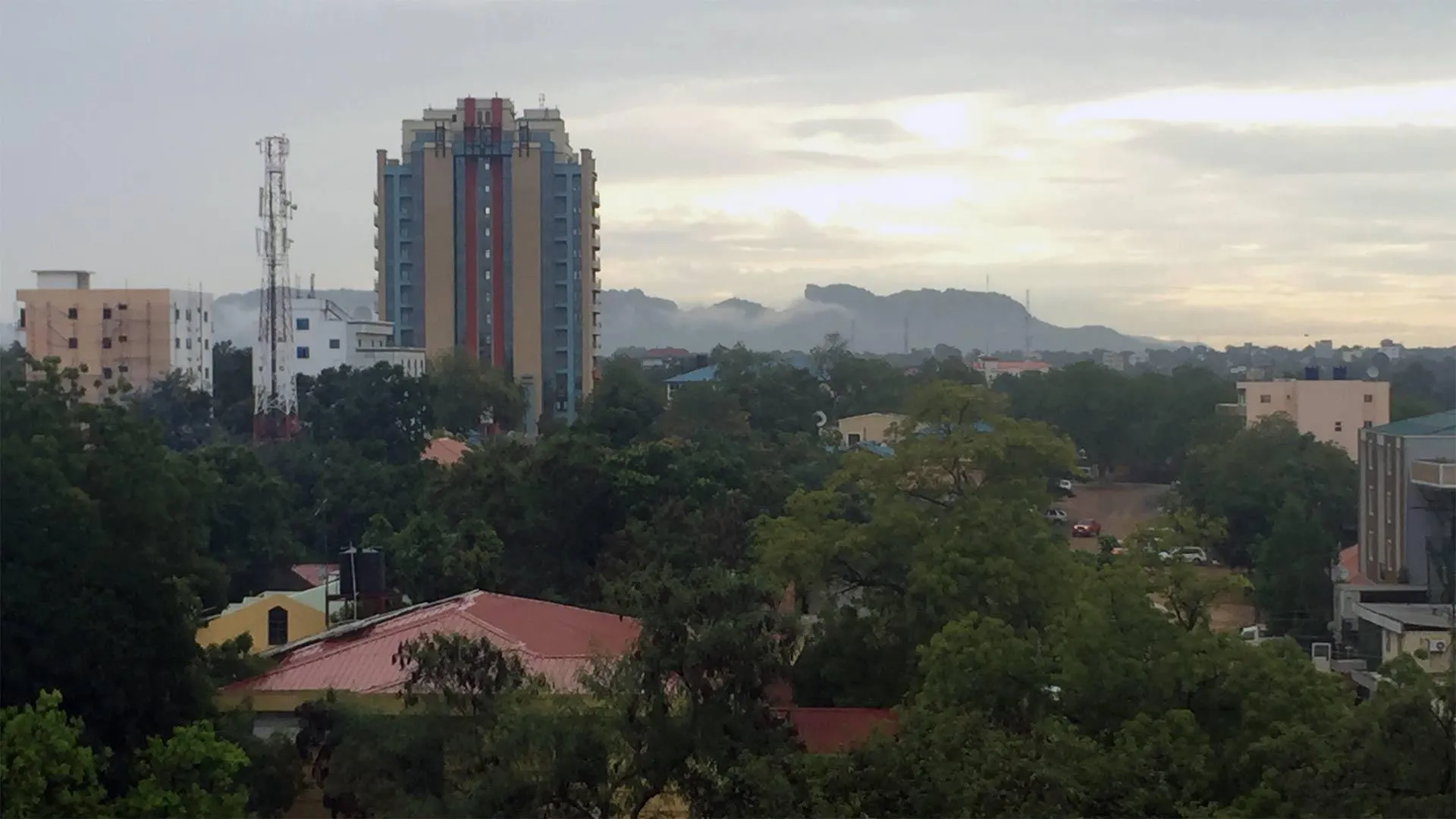
Juba is the capital and largest city of South Sudan, situated along the White Nile in the country's south-central region. It serves as the nation's political, economic, and transportation hub, and has grown rapidly since South Sudan gained independence in 2011, despite significant challenges related to conflict and development. Juba lies on the banks of the White Nile, giving it strategic importance for transportation and trade. The city experiences a tropical savanna climate, with a pronounced rainy season and consistently warm temperatures throughout the year. Its population is culturally diverse, reflecting the many ethnic communities found across South Sudan. Originally established as a small administrative post during the colonial period, Juba expanded after becoming the capital of the autonomous Government of Southern Sudan in 2005. When South Sudan became independent in 2011, the city assumed the role of national capital, hosting the country's principal government institutions and diplomatic missions.
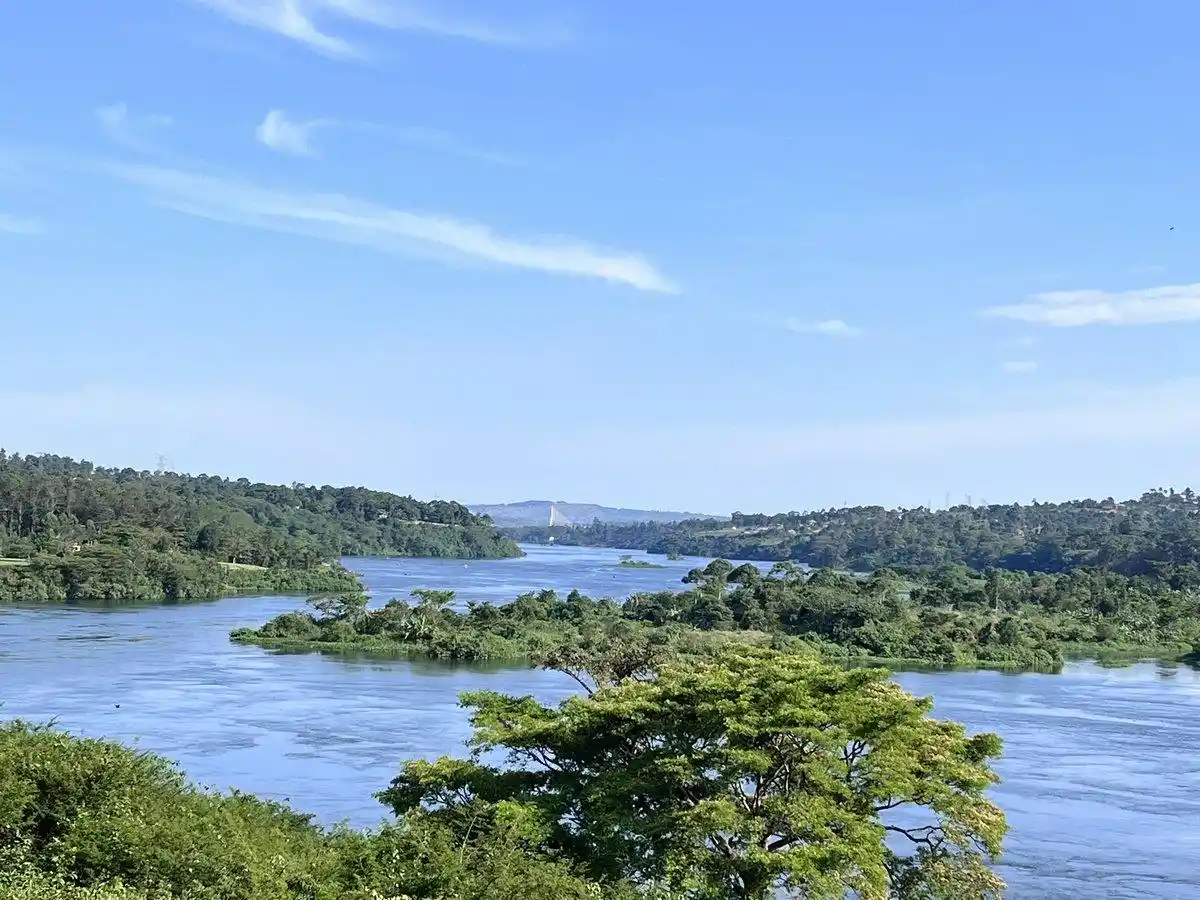 The White Nile
The White Nile is one of the two principal tributaries of the Nile River and flows through eastern and northeastern Africa. It is notable for its long course, relatively steady year-round flow, and its vital role in supplying water to communities, agriculture, and ecosystems before joining the Blue Nile at Khartoum to form the main Nile. The White Nile is commonly considered to originate from the African Great Lakes region, with its most distant headwaters traced through rivers feeding Lake Victoria. From there it flows north through Uganda, crosses South Sudan, and continues into Sudan, where it meets the Blue Nile at Khartoum to form the Nile. Unlike the Blue Nile, whose flow varies dramatically with seasonal rains in the Ethiopian Highlands, the White Nile provides a more consistent year-round discharge because its water is regulated by the large equatorial lakes. Along its route it passes through vast wetlands, especially Sudd, one of the world's largest freshwater marshes. The Sudd supports exceptional biodiversity while also causing significant water loss through evaporation. For centuries, the White Nile played a central role in exploration, trade, and debates over the true source of the Nile. European expeditions during the nineteenth century sought its headwaters, but the river had long been known and navigated by African communities. Today it remains essential for transportation, fishing, irrigation, hydroelectric generation, and livelihoods across several countries.