

Travel to Sudan
 4 photos
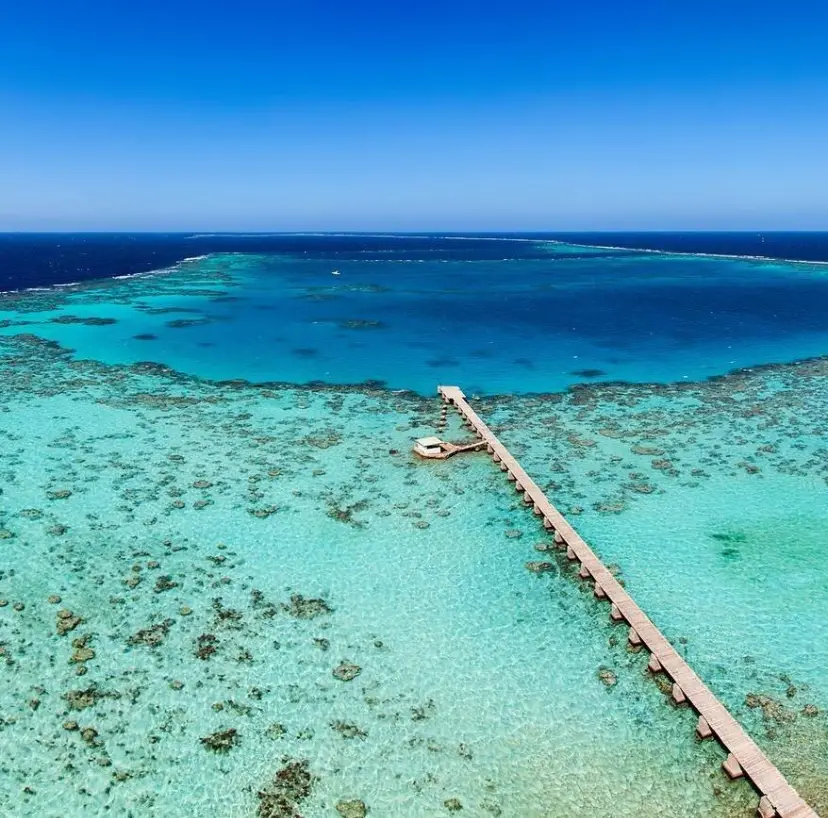
Sudan is a country located in northeastern Africa, with a diverse geography, deep history, and a complex modern political landscape. It is bordered by Egypt, Libya, Chad, the Central African Republic, South Sudan, Ethiopia, and Eritrea, and it also has access to the Red Sea, giving it an important strategic coastline for trade and shipping.
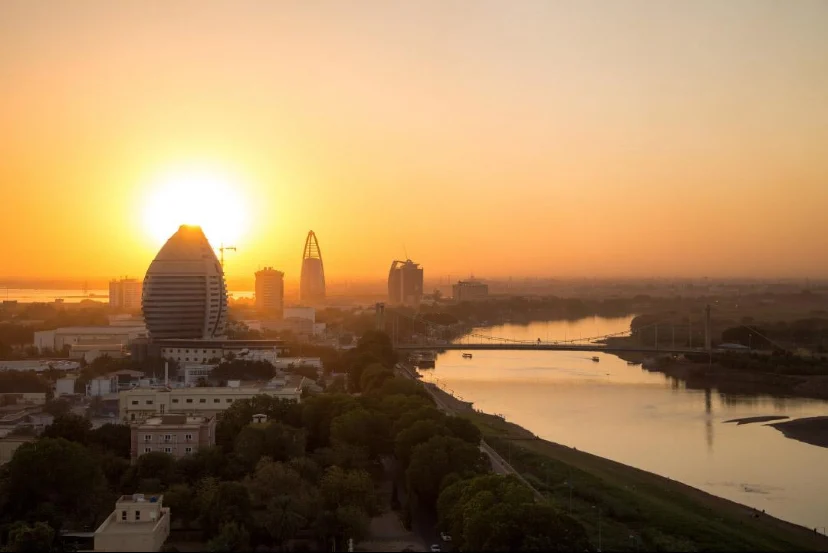
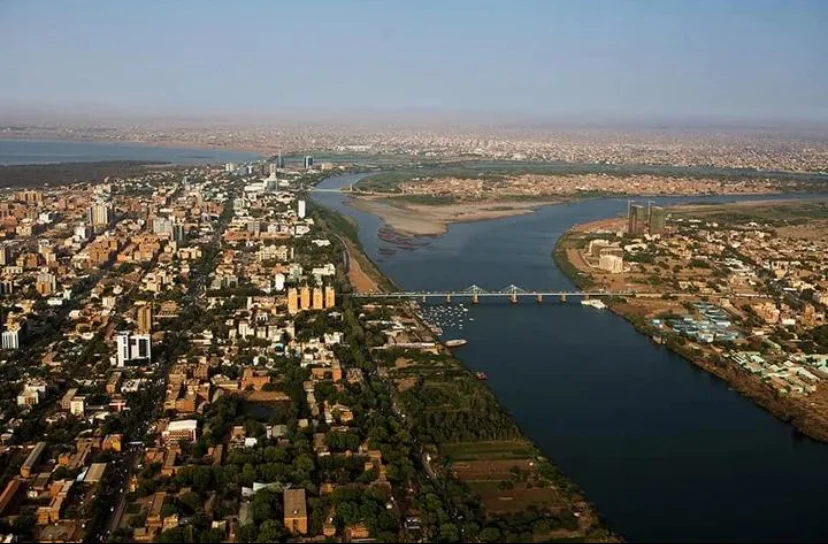
One of Sudan’s most defining physical features is the Nile River, which flows through the country and meets in the capital city, Khartoum. The Nile has historically supported agriculture, settlement, and trade, making Sudan one of the earliest regions of human civilization in Africa. Fertile land exists mainly along the riverbanks, while much of the rest of the country is made up of desert and semi-desert terrain, especially in the north.
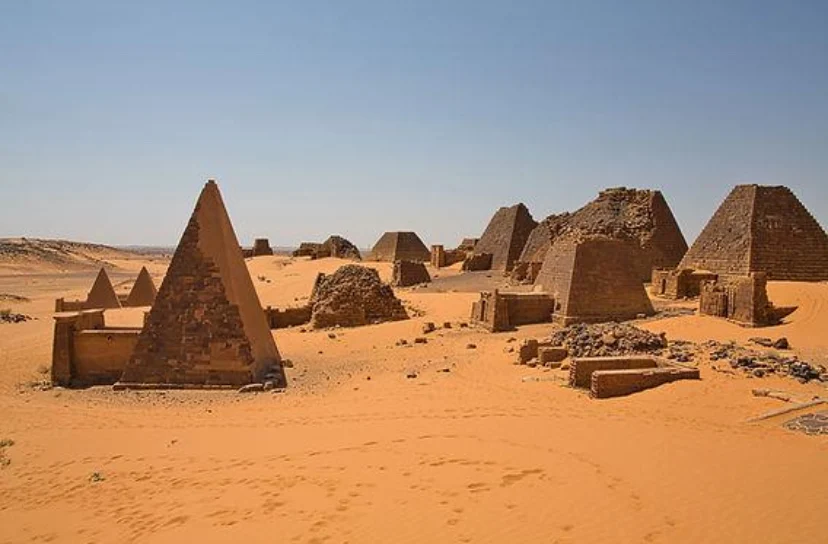
Sudan has a rich ancient history that dates back thousands of years. One of the most significant early civilizations in the region was the Kingdom of Kush, which rivaled ancient Egypt and even ruled over it during certain periods. Today, archaeological sites such as the pyramids of Meroë remain as powerful reminders of this heritage. These pyramids are smaller but more numerous than those in Egypt and are located in the desert, showcasing Sudan’s historical importance in African civilization.
The capital city, Khartoum, is where the White Nile and Blue Nile meet. It is the political and economic center of the country, with government institutions, universities, and commercial areas. Nearby cities such as Omdurman and Khartoum North form a large metropolitan area that is home to millions of people.
Sudan’s population is made up of diverse ethnic and cultural groups, with Arabic being the official language and Islam being the dominant religion. However, many local languages and cultural traditions exist across different regions, especially in rural and tribal communities. This diversity has contributed to a rich cultural identity expressed through music, poetry, clothing, and traditional customs.
The economy of Sudan is largely based on agriculture, livestock, and natural resources. Major crops include sorghum, millet, wheat, and cotton. In addition, Sudan has significant mineral resources, including gold, which has become one of its most important exports in recent years. Oil was also a major part of the economy, but after the separation of South Sudan in 2011, most oil reserves became part of the new country.
Sudan’s geography varies widely. The north is dominated by the Sahara Desert, while central regions are more fertile due to the Nile’s influence. In the east, the Red Sea coastline includes Port Sudan, the country’s main seaport and a key hub for imports and exports. The western region of Darfur is known for its desert landscapes and has experienced significant conflict in recent decades.
The country has faced political instability and conflict in modern times, especially in the 21st century, which has affected development and living conditions. Despite these challenges, Sudan remains a nation with deep historical roots, cultural richness, and significant geographic importance in Africa and the Arab world.
Climate conditions in Sudan are generally hot and dry, especially in desert regions, with very high temperatures in summer. Rainfall is limited and mostly occurs in southern areas, supporting seasonal agriculture and grazing.
Overall, Sudan is a country shaped by ancient civilizations, the life-giving Nile, and a mix of desert and fertile landscapes. It holds both historical significance and modern challenges, making it one of the most complex and important nations in northeastern Africa.