

Travel to Zambia


 4 photos
Zambia is a landlocked country located in the southern part of the African continent. It is bordered by eight countries: Tanzania, Malawi, Mozambique, Zimbabwe, Botswana, Namibia, Angola, and the Democratic Republic of the Congo. Despite having no coastline, Zambia is rich in natural resources, wildlife, and scenic landscapes, making it one of the most geographically diverse countries in Africa.
One of Zambia’s most famous natural landmarks is Victoria Falls, known locally as “Mosi-oa-Tunya,” meaning “The Smoke That Thunders.” This massive waterfall on the Zambezi River is shared with Zimbabwe and is considered one of the largest and most spectacular waterfalls in the world. The mist and thunderous sound created by the falling water can be seen and heard from miles away, and it is a major attraction for tourism and adventure activities such as bungee jumping, white-water rafting, and helicopter tours.
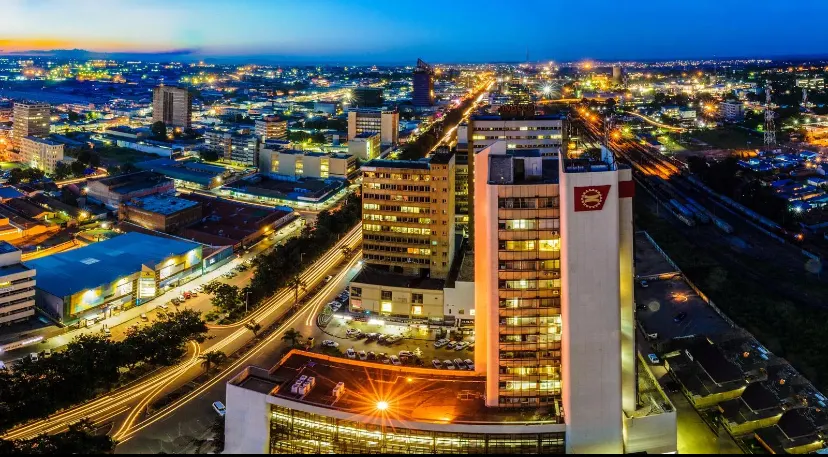
Zambia’s capital city is Lusaka, which is also the largest city in the country. Lusaka serves as the political, economic, and cultural center. It is a fast-growing urban area with markets, modern shopping centers, government institutions, and a vibrant street life. While Lusaka is the hub of business activity, many Zambians still live in rural areas where agriculture is the main source of livelihood.
The country has a population made up of over 70 ethnic groups, each with its own language and traditions. English is the official language, but widely spoken local languages include Bemba, Nyanja, Tonga, and Lozi. This cultural diversity contributes to Zambia’s rich heritage, which is expressed through music, dance, festivals, and traditional ceremonies such as the Kuomboka ceremony of the Lozi people.
Zambia’s economy is heavily dependent on copper mining. In fact, it is one of the largest copper producers in Africa, and copper exports play a major role in the country’s revenue. However, agriculture is also important, with crops such as maize, tobacco, cotton, and sugarcane being widely grown. Many rural communities rely on farming both for food and income.
The country is also known for its vast wildlife and protected national parks. South Luangwa National Park, Kafue National Park, and Lower Zambezi National Park are among the most famous. These parks are home to elephants, lions, leopards, hippos, crocodiles, and hundreds of bird species. Zambia is often considered one of the best safari destinations in Africa due to its relatively untouched wilderness and low tourist crowds compared to neighboring countries.
Zambia gained independence from British colonial rule on October 24, 1964. Since then, it has maintained a reputation as one of the more politically stable countries in the region. The nation has experienced both economic challenges and periods of growth, but it continues to develop infrastructure, education, and healthcare systems.
In terms of climate, Zambia experiences a tropical climate with three main seasons: a rainy season from November to April, a cool dry season from May to August, and a hot dry season from September to October. This seasonal variation supports both agriculture and wildlife cycles.
Overall, Zambia is a country defined by its natural beauty, cultural richness, and resource-based economy. From the thunderous power of Victoria Falls to the quiet wilderness of its national parks, it offers a blend of adventure, tradition, and resilience that makes it a unique and important part of Southern Africa.