
Travel to Afghanistan
 4 photos
Afghanistan is a landlocked country located in Central and South Asia. It shares borders with Pakistan to the east and south, Iran to the west, Turkmenistan, Uzbekistan, and Tajikistan to the north, and China to the northeast. Covering an area of about 652,000 square kilometers, Afghanistan has a population of more than 40 million people. Its strategic location at the crossroads of Asia has made it an important center of trade, culture, and history for thousands of years.
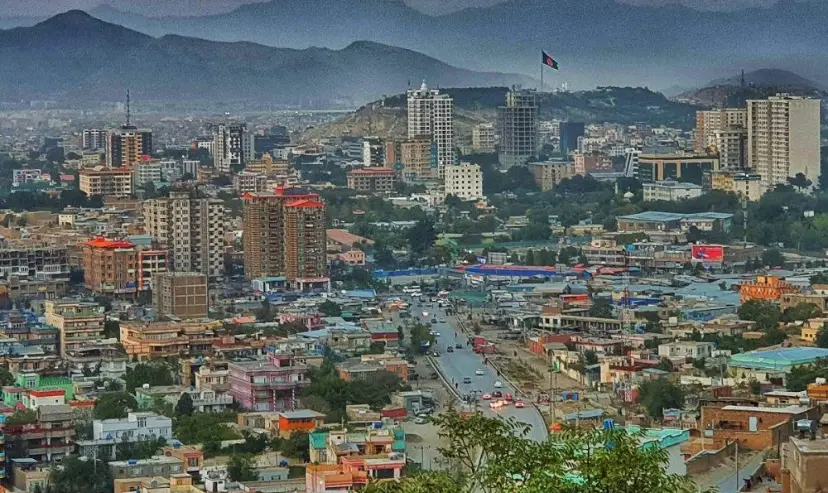
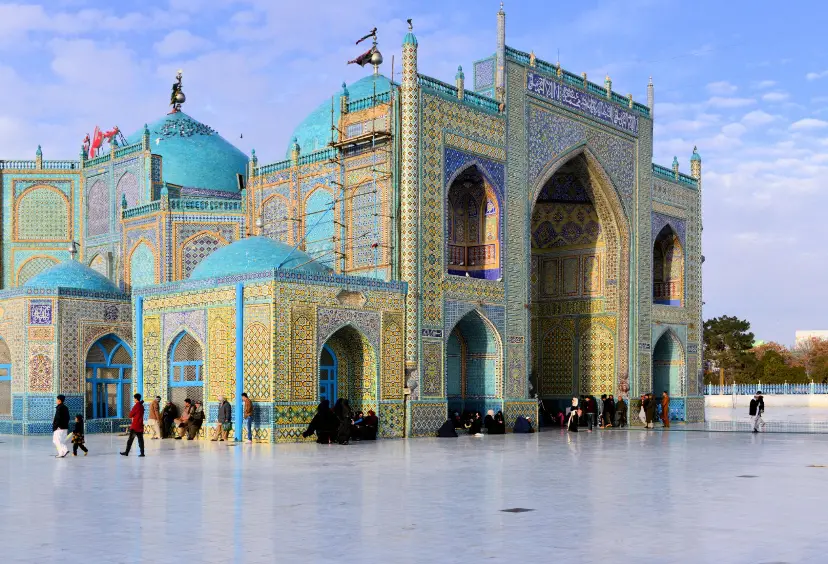
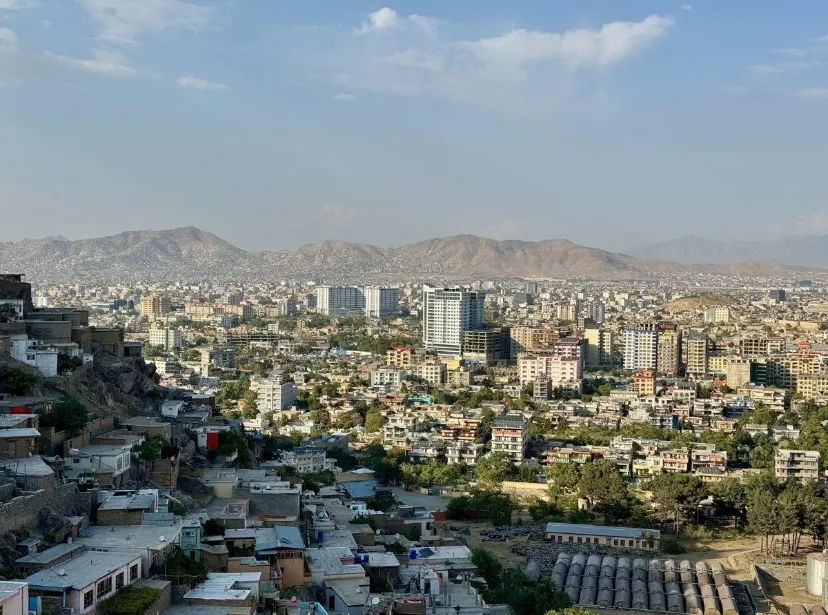
The capital and largest city of Afghanistan is Kabul. Kabul is one of the oldest cities in the world and has served as the country’s political, cultural, and economic center for centuries. Other major cities include Kandahar, Herat, and Mazar-i-Sharif. Throughout its history, Afghanistan has been influenced by many civilizations, including the Persians, Greeks, Mongols, and Mughals, each of which has left a lasting mark on the country’s culture and traditions.
Afghanistan has a rich and complex history. It was once an important part of the ancient Silk Road, the network of trade routes that connected Asia, the Middle East, and Europe. Merchants traveling along these routes exchanged goods, ideas, and cultures, making Afghanistan a meeting point for different civilizations. In the nineteenth century, the country became the focus of rivalry between the British and Russian Empires during a period known as the “Great Game.” Afghanistan gained full independence from Britain in 1919 and has since experienced periods of reform, conflict, and political change.
The geography of Afghanistan is dominated by rugged mountains and arid plains. The Hindu Kush stretches across much of the country and contains some of the highest peaks in the region. These mountains have shaped Afghanistan’s climate, transportation, and settlement patterns for centuries. The country also features fertile valleys, deserts, and beautiful lakes, including those found in Band-e Amir National Park, Afghanistan’s first national park, which is famous for its striking blue lakes and dramatic scenery.
Afghanistan is home to a diverse population made up of many ethnic groups, including Pashtuns, Tajiks, Hazaras, Uzbeks, and others. The official languages are Dari and Pashto, although many other languages are spoken throughout the country. Afghan culture places great importance on hospitality, family, poetry, and storytelling. Traditional music, handicrafts, carpets, and embroidery are highly valued and reflect the country’s rich artistic heritage.
Agriculture has long been an important part of Afghanistan’s economy. Farmers grow crops such as wheat, fruits, nuts, and saffron, while livestock farming is also common. The country is rich in natural resources, including copper, iron ore, lithium, and precious stones. However, decades of conflict have affected economic development and infrastructure.
In conclusion, Afghanistan is a country with a long history, diverse cultures, and remarkable natural beauty. Despite facing many challenges over the years, it remains a nation with a strong sense of identity and resilience. Its strategic location, cultural heritage, and breathtaking landscapes continue to make Afghanistan an important and fascinating country in Asia.