
Travel to India
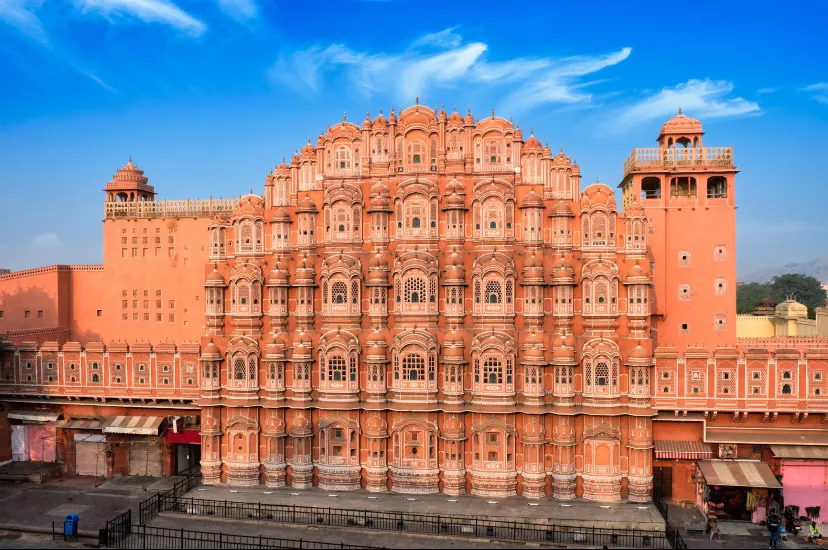

 3 photos
India is a vast and diverse country in South Asia, known for its rich history, cultural diversity, and rapid development. India is a large and culturally diverse nation located in South Asia. It is known for its ancient history, colorful traditions, and rapidly growing economy. The country is home to many languages, religions, and ethnic groups, making it one of the most diverse places in the world. India has famous landmarks such as the Taj Mahal, beautiful landscapes ranging from the Himalayas to tropical beaches, and a rich heritage of art, music, dance, and cuisine. It is also recognized for its achievements in technology, science, and education, while maintaining deep cultural and spiritual traditions.
Hotels in India
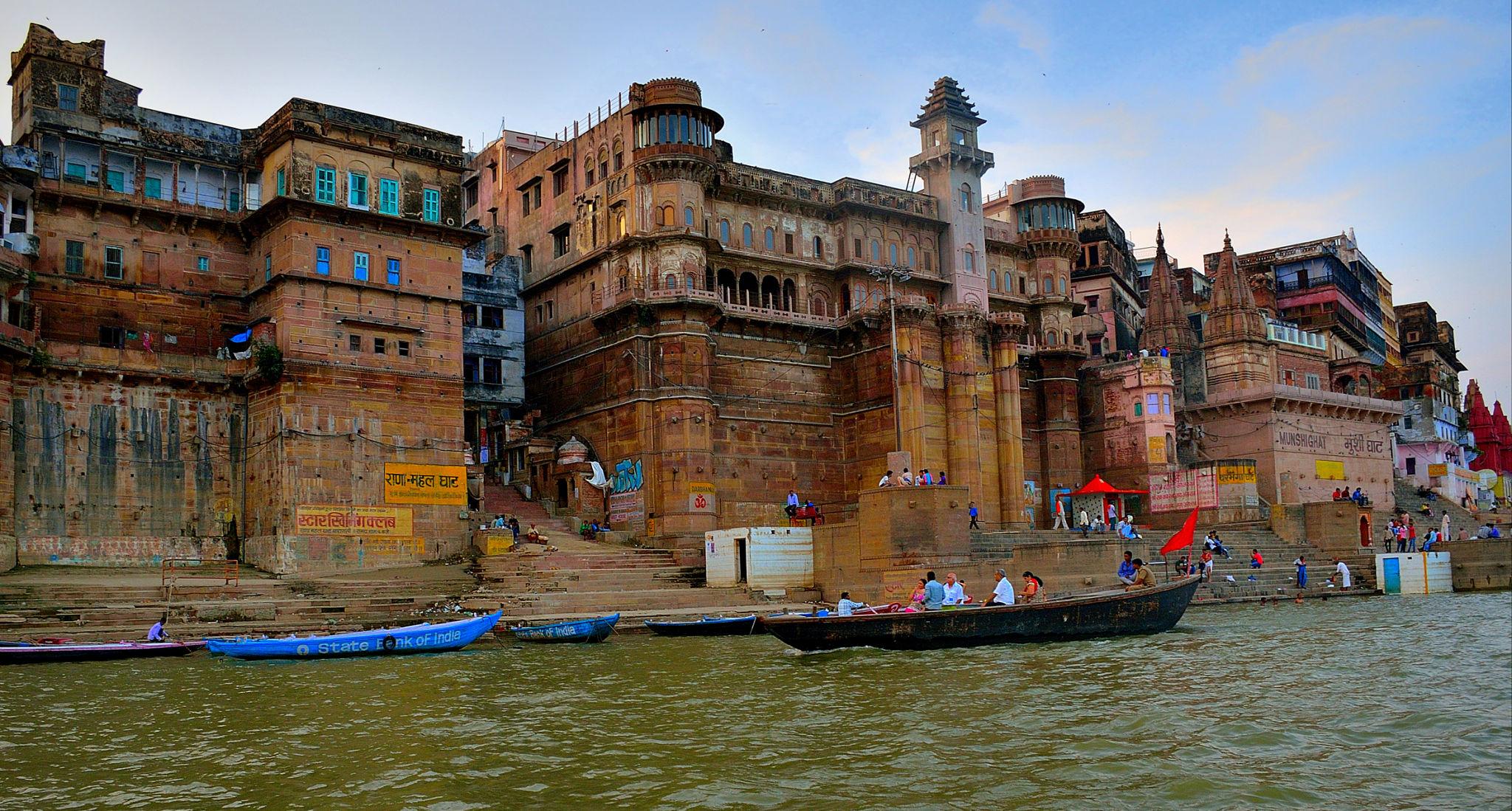 Varanasi
Varanasi, also known as Benares or Kashi, is a historic city on the banks of the Ganges River in Uttar Pradesh, India. It is one of the world’s oldest continuously inhabited cities and a major cultural and spiritual center of Hinduism. Revered as the “City of Light,” Varanasi attracts millions of pilgrims and visitors yearly for ritual bathing, cremation rites, and festivals. Varanasi’s recorded history extends back to the 2nd millennium BCE, making it among the oldest living cities. It has long been a center for religion, philosophy, and learning, home to ancient universities and revered figures such as Gautama Buddha, who preached nearby at Sarnath. The city was a major urban hub under successive Hindu, Buddhist, and Mughal influences.
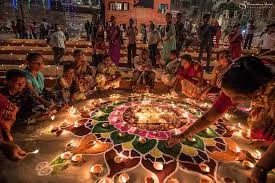 Diwali
Diwali, also called Deepavali, is a major festival celebrated across India and among the global Indian diaspora. Known as the “Festival of Lights,” it symbolizes the triumph of light over darkness, good over evil, and knowledge over ignorance. Observed by Hindus, Jains, Sikhs, and some Buddhists, Diwali marks a period of renewal, joy, and spiritual reflection. For Jains, Diwali commemorates Mahavira’s attainment of nirvana. Sikhs celebrate Bandi Chhor Divas, marking Guru Hargobind’s release from captivity. In Nepal, Tihar, a related festival, honors animals, nature, and family bonds. Despite differing narratives, all share the unifying belief that spiritual light dispels ignorance and darkness.
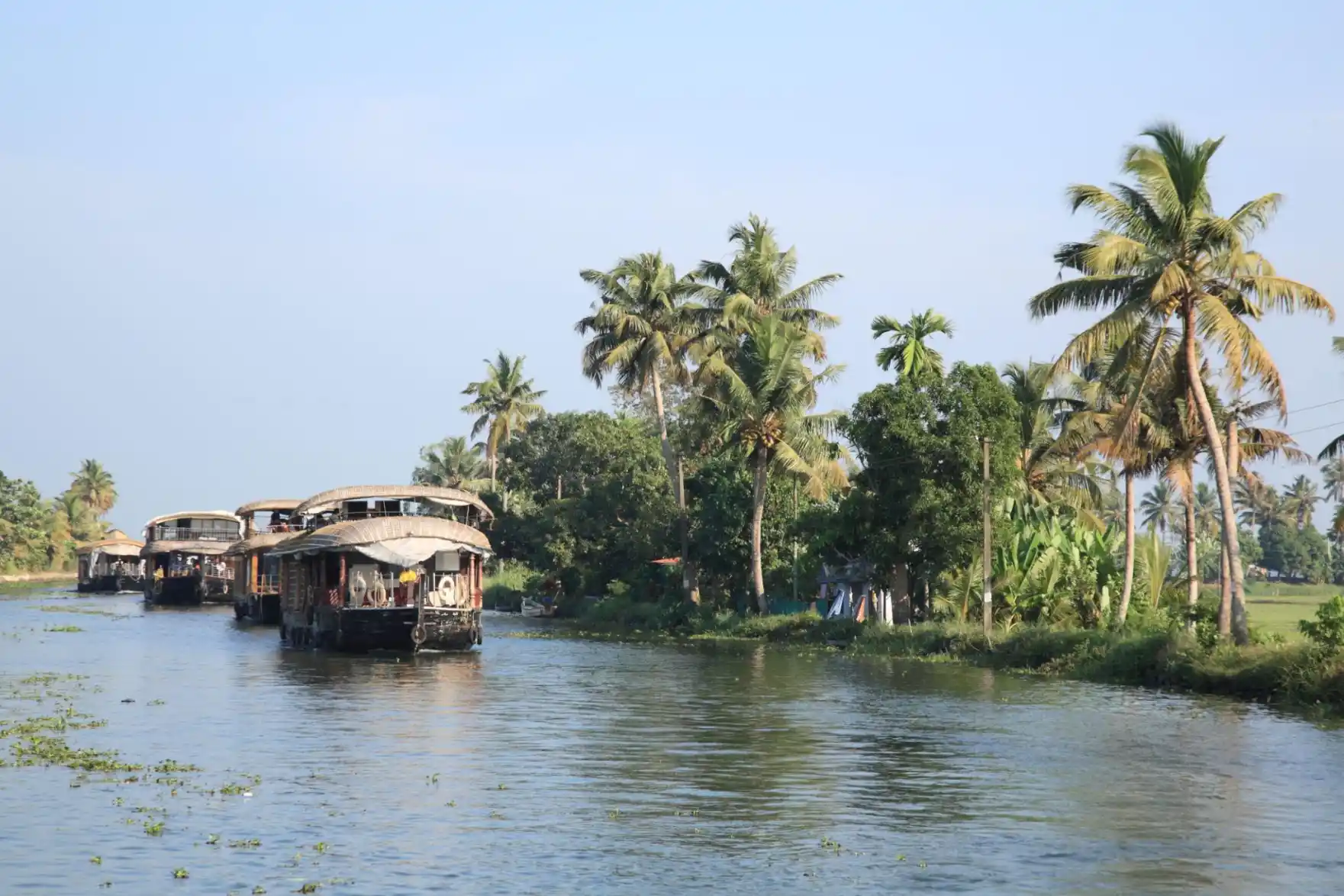 Cruise through the backwaters of Kerala on a houseboat.
Kerala is a coastal state in southern India, bordered by the Arabian Sea to the west and the Western Ghats to the east. Known as “God’s Own Country,” it is celebrated for its tropical landscapes, high literacy rate, and distinctive blend of natural beauty and cultural richness. Its economy relies on tourism, remittances, spices, and information technology. Stretching roughly 580 km along India’s southwest coast, Kerala features a narrow coastal plain flanked by high mountain ranges. Forty-four rivers flow westward to the Arabian Sea, forming lagoons and wetlands that sustain the famed backwaters. The tropical monsoon climate brings heavy rains from June to September and a mild, dry season from October to March.
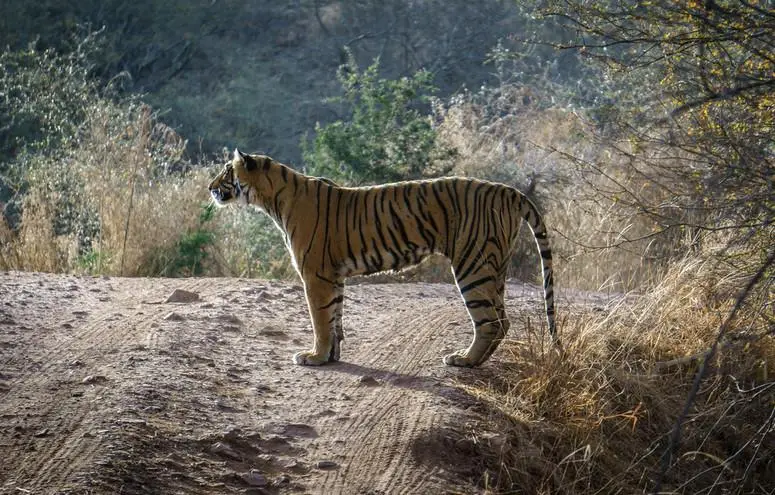 Go on a tiger safari in Ranthambore National Park.
Ranthambore National Park is a major wildlife sanctuary located in the Sawai Madhopur district of Rajasthan, India. Once a royal hunting ground, it is now one of India’s most renowned protected areas for observing Bengal tigers in their natural habitat. Situated between the Aravalli and Vindhya hill ranges, Ranthambore features a mix of dry deciduous forest, open grasslands, and rocky ridges. Its lakes, such as Padam Talao and Rajbagh Talao, attract wildlife and add to the park’s scenic appeal. The region supports numerous species of mammals, birds, and reptiles, making it a significant biodiversity hotspot.
Visit Taj Mahal
The Taj Mahal is a 17th-century marble mausoleum located in Agra, Uttar Pradesh, India. Built by Mughal emperor Shah Jahan in memory of his wife Mumtaz Mahal, it is celebrated as one of the most exquisite examples of Mughal architecture. Recognized globally for its beauty and symmetry, it remains a UNESCO World Heritage Site and one of the world’s most visited monuments. Construction began in 1632, shortly after Mumtaz Mahal’s death, and took over two decades to complete. More than 20,000 artisans and laborers were employed under the supervision of court architect Ustad Ahmad Lahauri. The complex served as a dynastic mausoleum and a testament to the Mughal Empire’s architectural and cultural zenith.