
Travel to Japan

 4 photos
Traveling to Japan feels like stepping into a place where everything is intentional. There’s a sense of order, detail, and quiet precision that shapes the entire experience from the way trains arrive exactly on time to how even the smallest spaces are thoughtfully designed. It’s a country that manages to feel both highly modern and deeply traditional at the same time.
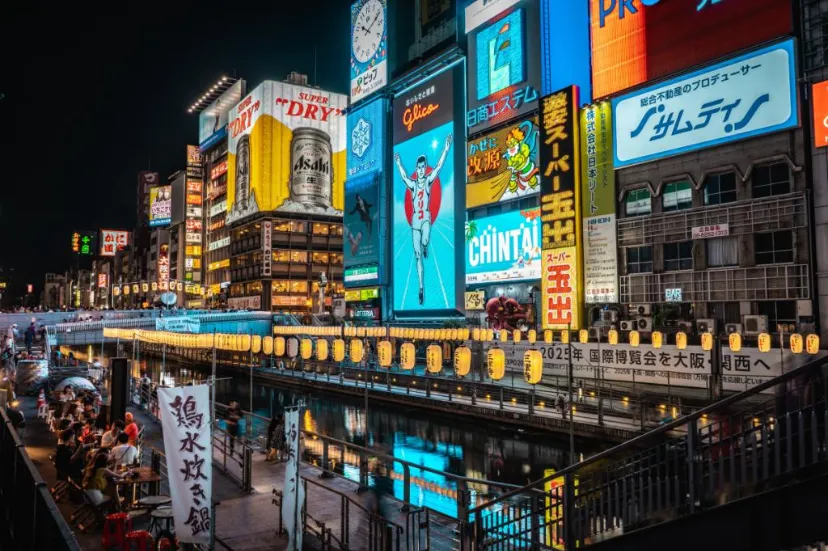
For many visitors, Japan begins with Tokyo. It’s fast, bright, and constantly moving, yet still organized in a way that never feels chaotic. Walking through areas like Shibuya or Shinjuku, you’re surrounded by lights, people, and energy. But just a short distance away, you can find quiet neighborhoods, small cafés, and spaces that feel calm and personal. That balance is part of what makes Tokyo so unique.
Beyond Tokyo, Japan reveals a completely different side of itself. Kyoto, for example, feels more reflective and rooted in tradition. Temples, shrines, and narrow streets give you a sense of history that has been carefully preserved over time. It’s a place where you slow down, observe, and take in the details—whether it’s the architecture, the gardens, or the way people move through daily life.
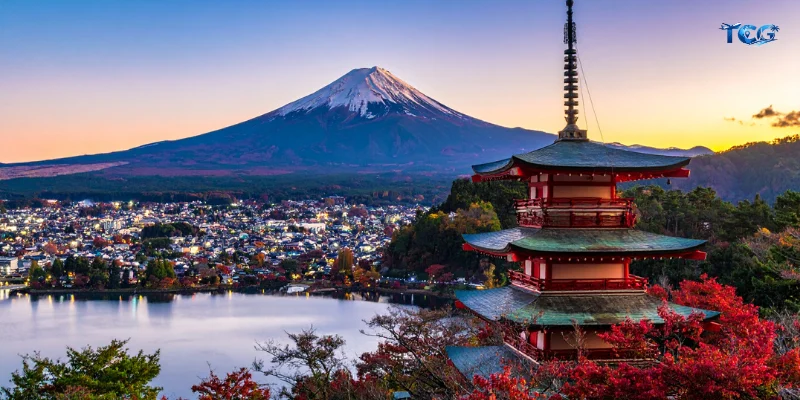
Nature also plays a strong role in the Japanese experience. From the iconic view of Mount Fuji to peaceful countryside landscapes, there’s a connection to the environment that feels intentional and respected. Seasonal changes are especially important in Japan, with cherry blossoms in spring and colorful leaves in autumn creating moments that draw both locals and visitors outdoors.
Food in Japan is an experience on its own. It’s not just about taste, but presentation, quality, and care. Whether you’re having sushi at a local spot, ramen in a small shop, or a carefully prepared traditional meal, there’s a level of attention that makes every dish feel meaningful. Even simple meals are approached with a level of respect that stands out.
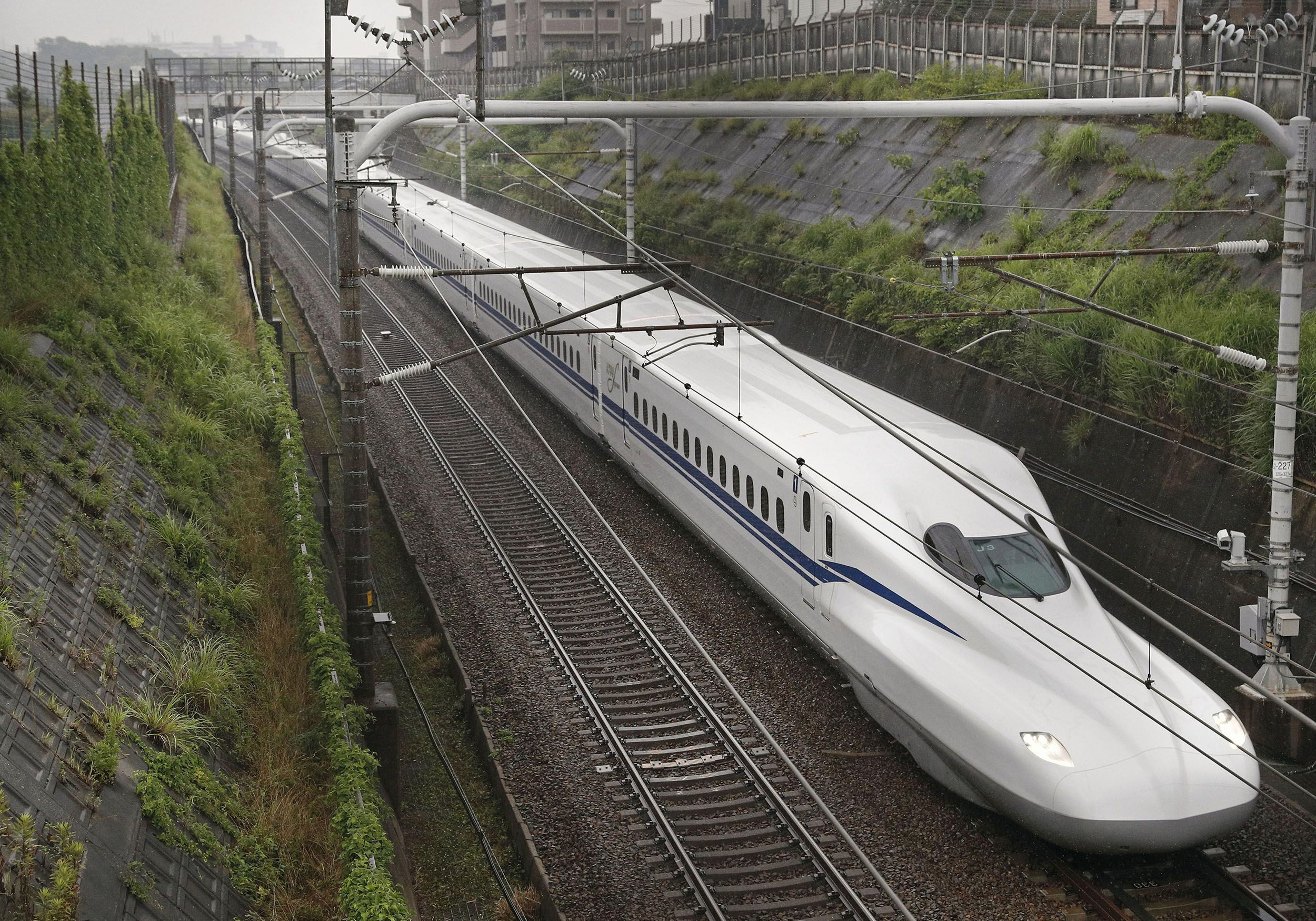
One of the most noticeable parts of traveling in Japan is how smooth everything feels. Transportation is efficient, cities are clean, and systems are easy to follow even if it’s your first time visiting. High-speed trains connect major cities, making it possible to explore different regions without difficulty. This makes Japan ideal for both short trips and longer, more detailed journeys.
The culture is built around respect; respect for space, for time, and for people. You notice it in how quiet public spaces can be, how organized crowds are, and how interactions are handled. It creates an environment that feels calm and structured, even in busy areas.
Japan is also a place of contrast. You can move from a high-tech city environment to a quiet temple within the same day. You can experience modern innovation and centuries-old traditions without them feeling disconnected. Everything exists together in a way that feels natural.
For travelers from the United States, Japan may feel different at first, but it quickly becomes comfortable. The clarity of systems, the helpfulness of people, and the overall safety make it easier to navigate than many expect.
Japan offers different experiences depending on how you choose to travel. It can be cultural, relaxing, adventurous, or even food-focused. Whether you’re exploring cities, visiting historic sites, or simply observing everyday life, the country gives you space to experience things at your own pace.
In many ways, Japan is not a place you rush through. It’s a destination that encourages you to pay attention to notice details, to appreciate simplicity, and to be present in the moment. That’s what makes it memorable.
For travelers looking for something different, something structured yet deeply cultural, Japan offers an experience that feels both unique and complete. It’s a place that stays with you, not just for what you see, but for how it makes you feel while you’re there.
Hotels in Japan
 Ride The Shinkansen
The Shinkansen (literally “new trunk line”) is Japan’s pioneering high-speed rail network, internationally known as the bullet train. First opened in 1964, it connects most major Japanese cities across Honshu, Kyushu, and Hokkaido with speeds up to 320 km/h, symbolizing Japan’s postwar modernization and transport innovation. Aerodynamic trainsets like the N700 and E5 Series minimize noise and energy use while offering quiet, comfortable cabins. Classes range from standard and Green Car (first class) to the luxury GranClass. Services operate at frequencies as high as every four minutes between Tokyo and Osaka, transporting hundreds of thousands of passengers daily. The Shinkansen reshaped Japanese geography by enabling day-trip business travel between major cities and spurring regional development. It carries over 10 billion passengers cumulatively and remains central to Japan’s low-carbon transport strategy. The system now also supports limited high-speed freight through JR East’s Hako-Bun logistics service, further extending its role in national connectivity
 Visit The Himeji Castle
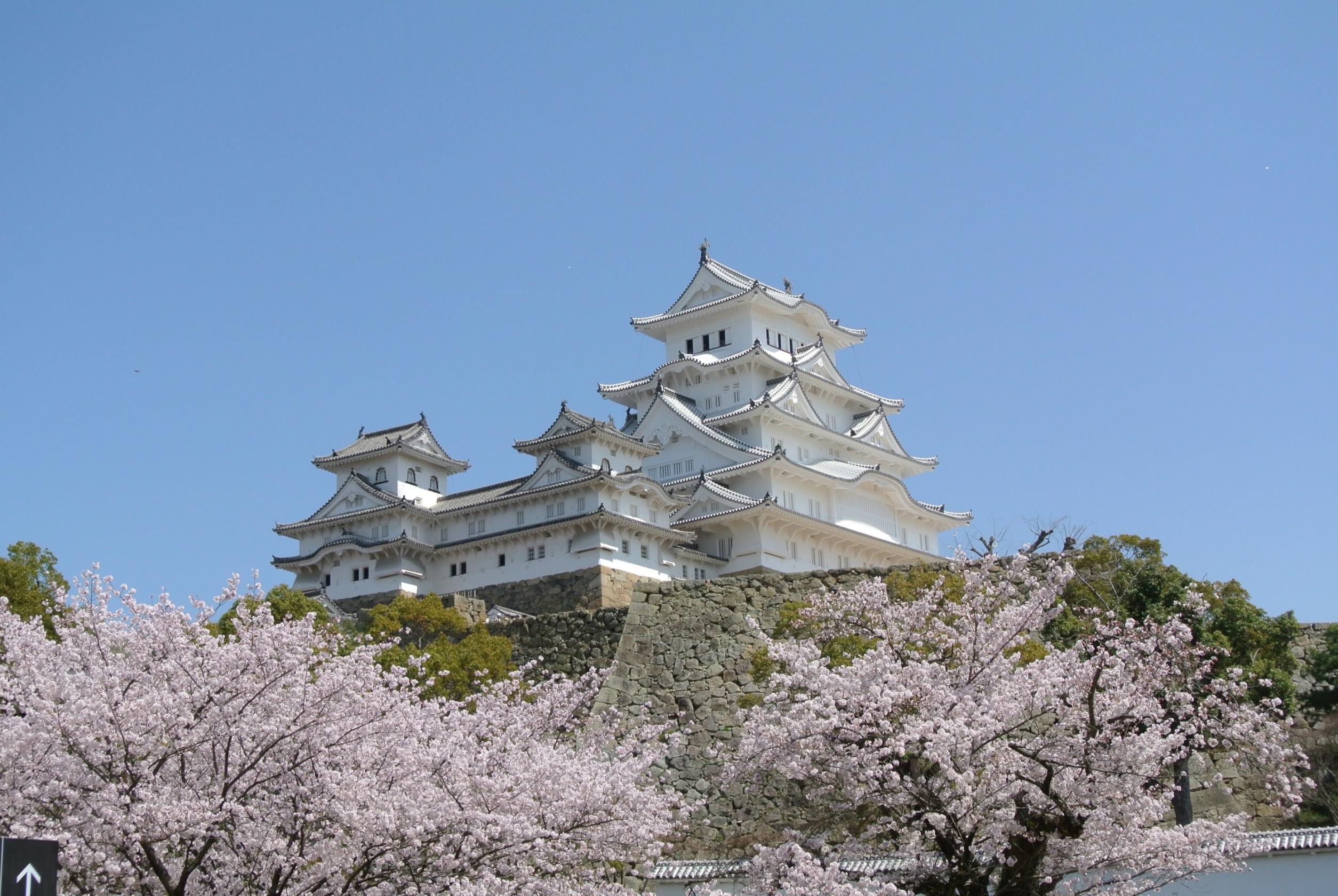
Himeji Castle is a Japanese feudal-era fortress in Himeji, Hyogo Prefecture. Renowned for its brilliant white plaster walls and elegant silhouette, the “White Heron Castle” is celebrated as Japan’s most complete surviving example of early 17th-century castle architecture. It is both a National Treasure and a UNESCO World Heritage Site. The site originated as a hilltop fort in 1333 by Akamatsu Norimura and was later fortified by Toyotomi Hideyoshi in 1581. Its present form took shape between 1601 and 1609 under Ikeda Terumasa, who built a vast complex of over 80 structures linked by labyrinthine paths. Remarkably, the castle has never been destroyed by warfare, earthquake, or fire, even surviving heavy bombing of Himeji during World War II when an unexploded bomb landed on its top floor. Himeji Castle is a 15–20-minute walk north of JR Himeji Station along the broad Ōtemae-dōri avenue. Highlights include the Ōtemon Gate, the West Bailey (Nishi-no-maru) with its “Hundred-Meter Corridor,” and Okiku’s Well—linked to the ghost legend Banshū Sarayashiki. Seasonal attractions include over 1,000 cherry trees blooming around the moats each spring and evening illuminations. Nearby, Kokoen Garden offers Edo-style landscaped gardens that complement the castle’s scenery.
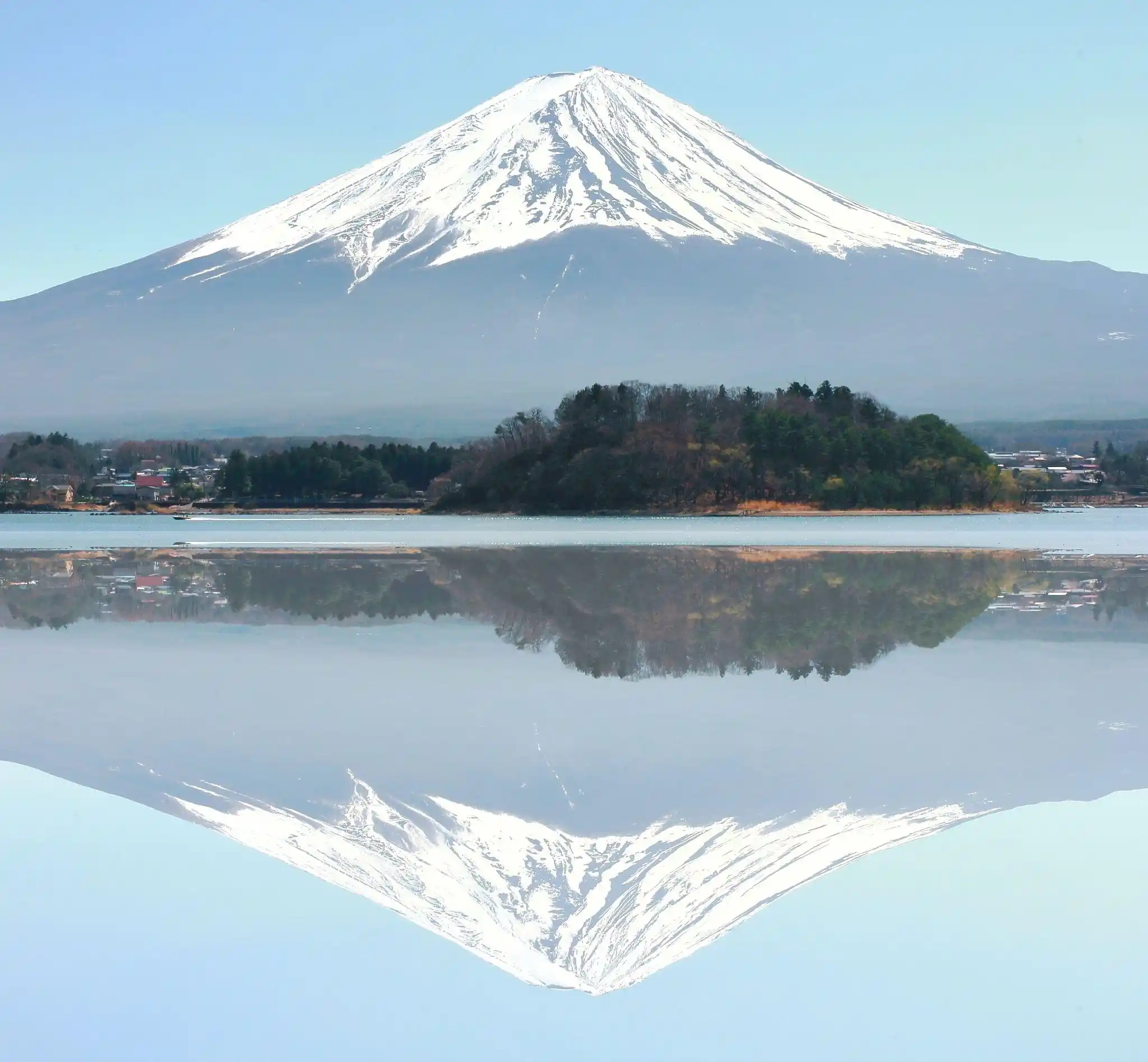 Mount Fiji
Mount Fuji is Japan’s highest peak and one of the world’s most recognizable volcanic mountains. Rising 3,776 meters (12,389 feet) on Honshu Island between Shizuoka and Yamanashi Prefectures, this nearly symmetrical stratovolcano is both a sacred symbol in Japanese culture and a UNESCO World Heritage Site. It draws millions of climbers and sightseers each year for its spiritual, cultural, and scenic value. Mount Fuji lies about 100 km southwest of Tokyo. It is part of the Fuji-Hakone-Izu National Park and was formed by overlapping volcanic activity from several older peaks. Though currently quiescent, it remains an active volcano, monitored closely for seismic changes. Its snow-capped cone is visible from great distances on clear winter days. The official climbing season runs from July to early September, when snow-free trails open and huts operate. The Yoshida Trail from the 5th Station is the most accessible route for beginners. Recent regulations require climbers to register and pay a conservation fee to manage crowds and preserve the environment. Surrounding attractions include the Fuji-Q Highland amusement park, hot-spring resorts (onsen), and the annual Fuji Shibazakura Festival, where pink moss carpets the foothills each spring.
Visit The Senso-Ji Temple
Senso-ji is Tokyo’s oldest and most significant Buddhist temple, located in the Asakusa district. Founded in the 7th century, it is dedicated to Kannon, the Bodhisattva of compassion, and serves as a cultural and spiritual landmark attracting millions of visitors each year. According to legend, Senso-ji was established after two fishermen discovered a statue of Kannon in the Sumida River in 628 CE. A temple was built nearby to honor the deity, and by 645 CE it had become an official Buddhist site. The temple developed into a major pilgrimage destination and played a central role in Edo-period spiritual life. As one of Japan’s most visited religious sites, Senso-ji symbolizes Tokyo’s blend of history and spirituality. It hosts major events such as the Sanja Matsuri, one of Tokyo’s largest festivals, held annually in May. The temple’s lanterns, incense, and rituals offer visitors an enduring glimpse of Japan’s Buddhist traditions amid the city’s modern landscape. Although much of Senso-ji was destroyed during World War II, it was meticulously rebuilt in the postwar era. Today, it functions both as an active place of worship and a prominent tourist attraction, embodying resilience and continuity in Japan’s cultural heritage.
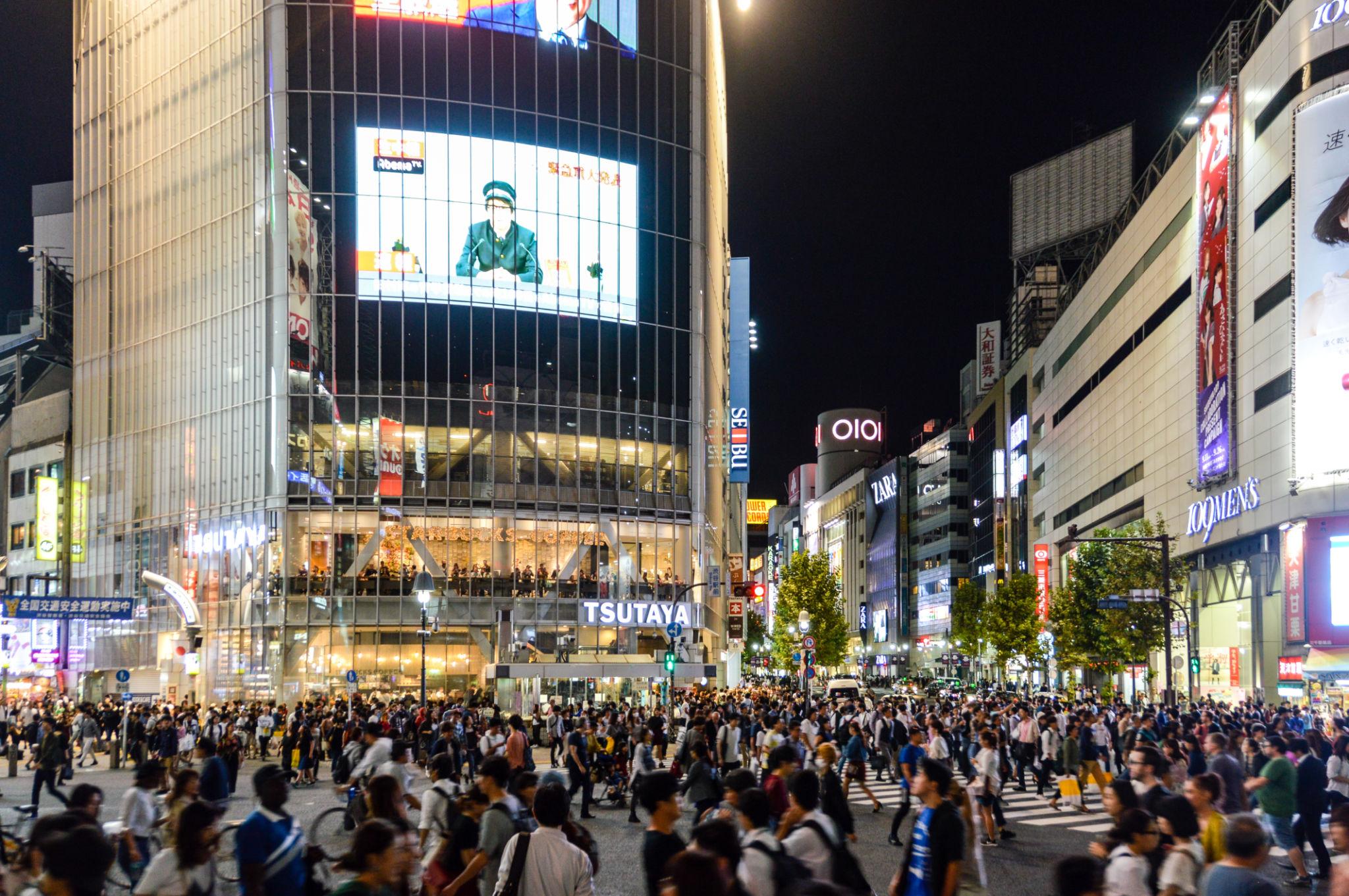 The Famous Shibuya Crossing
Shibuya Crossing is a world-famous pedestrian intersection in front of Shibuya Station in Tokyo, Japan. Known as the planet’s busiest crossing, it epitomizes Tokyo’s blend of discipline and motion, where up to 3,000 people traverse simultaneously at each green light in perfectly choreographed “scramble” fashion. Every two minutes the lights stop traffic and thousands surge diagonally across, creating a spectacle best viewed from above. Notable vantage points include the second-floor Starbucks Tsutaya overlooking the intersection, the rooftop Shibuya Sky atop Shibuya Scramble Square, and the MAG’s Park deck at Magnet by Shibuya 109. Evening rush hour (6–9 p.m.) showcases the neon-lit intensity, while early mornings offer emptier, photogenic views. Arrive via the JR Yamanote Line or Tokyo Metro Ginza, Hanzōmon, or Fukutoshin lines to Shibuya Station’s Hachiko Exit. Wait for the all-green pedestrian signal, walk with the flow, and avoid stopping mid-crossing for photos.