
Travel to Jordan


 4 photos
The Hashemite Kingdom of Jordan is a Middle Eastern country situated at the crossroads of Asia, Africa, and Europe. It is recognized for its political stability, deep historical heritage, and role as a diplomatic bridge in a volatile region. Jordan combines ancient civilizations with a modern, reform-oriented state structure.
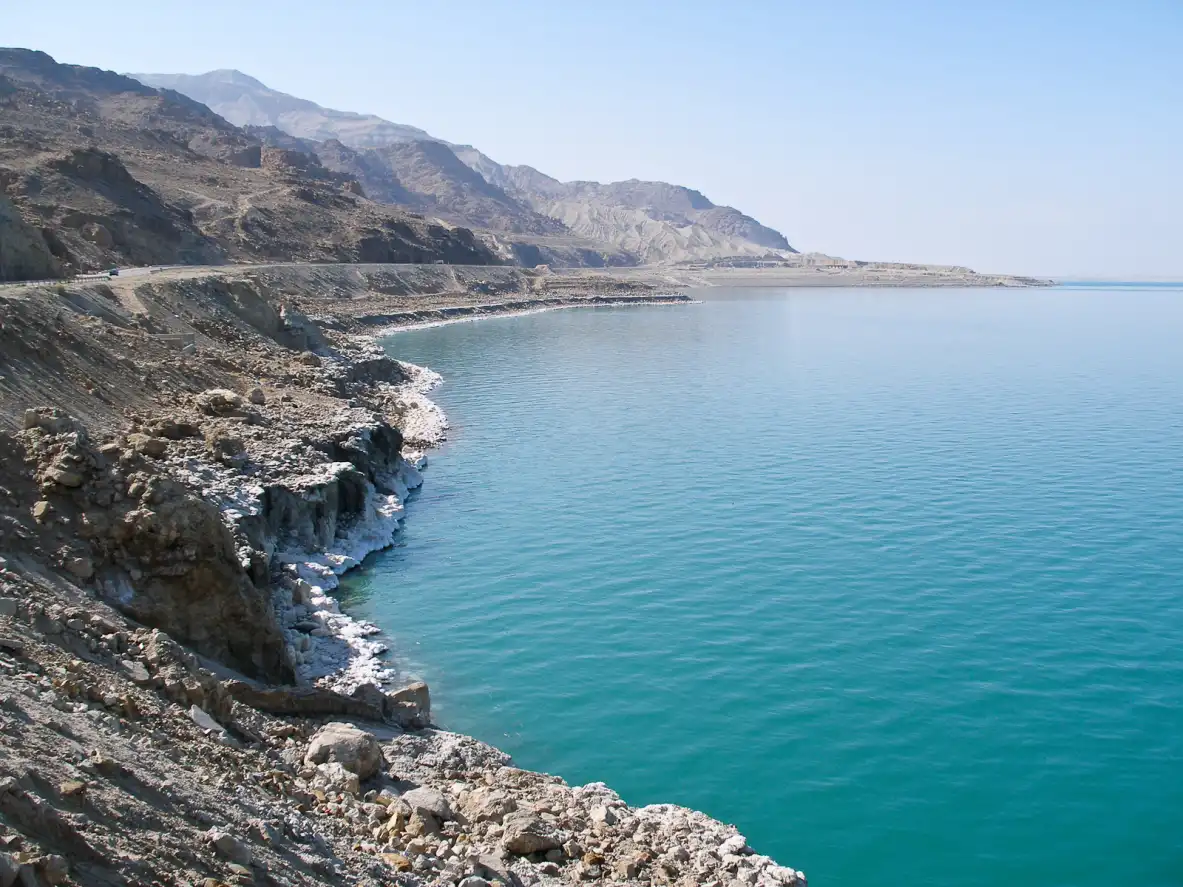
Jordan borders Syria, Iraq, Saudi Arabia, Israel, and the Palestinian territories, with a short Red Sea outlet at Aqaba. Its terrain varies from the fertile Jordan Valley to the arid eastern desert (Badia). The country’s highest point is Mount Umm al-Dami (1,854 m) and its lowest is the Dead Sea at about 408 m, the Earth’s lowest land elevation. The climate is mostly arid, featuring hot, dry summers and cool, wet winters.
Modern Jordan emerged from the 1916 Great Arab Revolt and the British Mandate of Transjordan. It gained full independence in 1946 and became the Hashemite Kingdom. The monarchy, led by King Abdullah II since 1999, operates under a 1952 constitution that defines a parliamentary system with two legislative houses and an independent judiciary. Jordan remains a close ally of Western and regional partners and signed a peace treaty with Israel in 1994.
Jordan’s economy is small but diversified, emphasizing services, trade, and manufacturing over natural resources. It exports clothing, fertilizers, pharmaceuticals, and agricultural products while relying heavily on imported energy and water. Reforms such as the 2022 Economic Modernisation Vision aim to enhance competitiveness and attract investment, particularly in renewable energy, ICT, and tourism.