
Travel to Lebanon
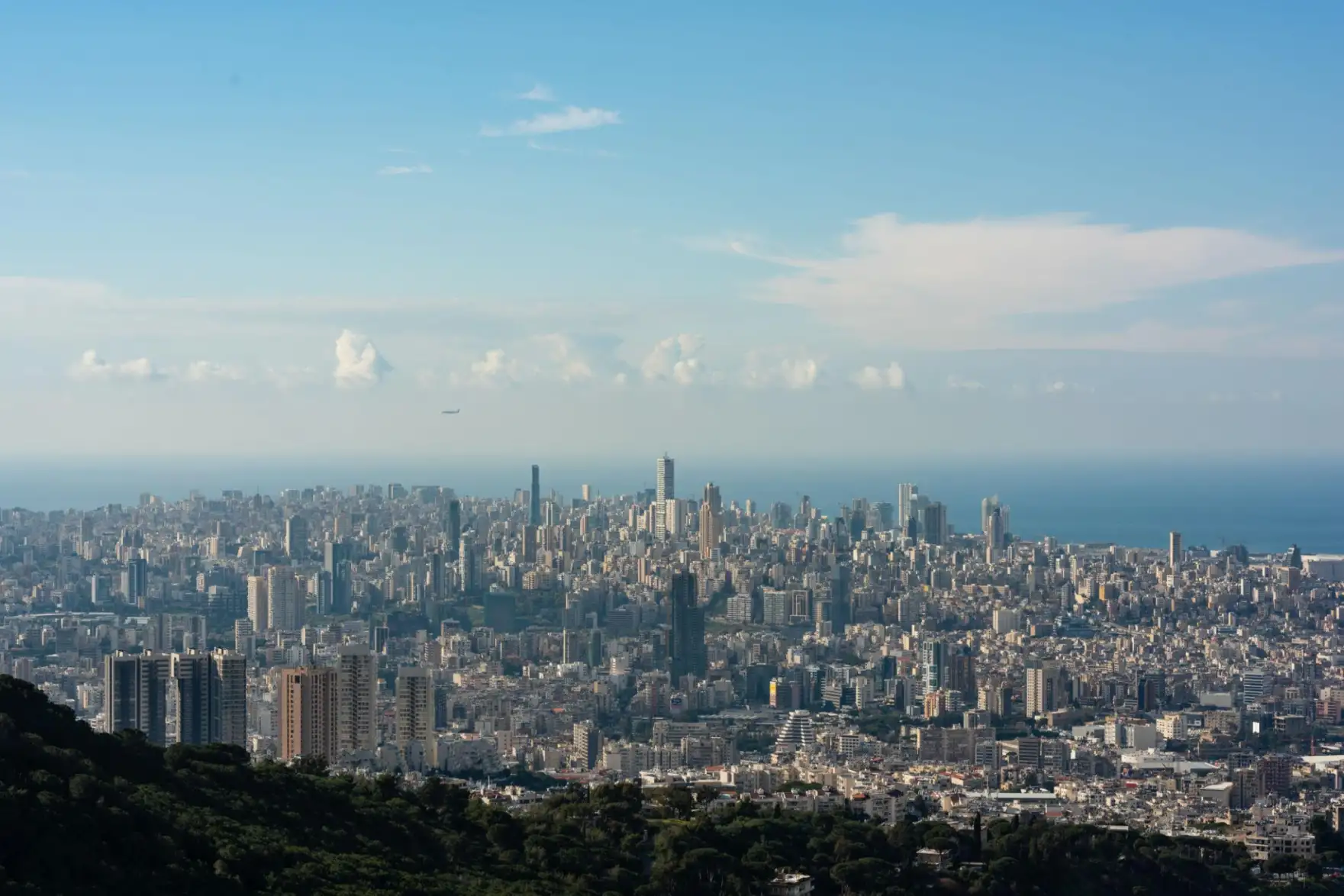


 4 photos
Lebanon, officially the Republic of Lebanon (Al-Jumhūriyyah al-Lubnāniyyah), is a small Middle Eastern country on the eastern Mediterranean coast bordered by Syria and Israel. Known for its mountainous terrain, cultural diversity, and ancient heritage, Lebanon has long served as a crossroads between East and West, though it faces persistent political and economic challenges.
The Lebanese population is ethnically Arab with significant Armenian and other minorities. Society is organized around 18 officially recognized religious communities, including Maronite Christians, Sunni and Shia Muslims, and Druze. This sectarian diversity underpins Lebanon’s political power-sharing system. Urbanization exceeds 89%, and literacy rates are above 95%.
Lebanon is a confessional parliamentary democracy. By convention, the president is a Maronite Christian, the prime minister a Sunni Muslim, and the speaker of parliament a Shia Muslim. The 128-member National Assembly divides seats equally between Christians and Muslims. The country’s politics remain shaped by regional influences and the role of Hezbollah, a Shia political and militant organization. Traditionally a service-based and trade-oriented economy centered on banking, tourism, and real estate, Lebanon’s prosperity has been severely undermined by an economic collapse since 2019. Hyperinflation, currency devaluation, and debt default have pushed much of the population into poverty. Agriculture in the Bekaa Valley and remittances from the diaspora remain vital economic lifelines.