
Travel to Maldives

 3 photos
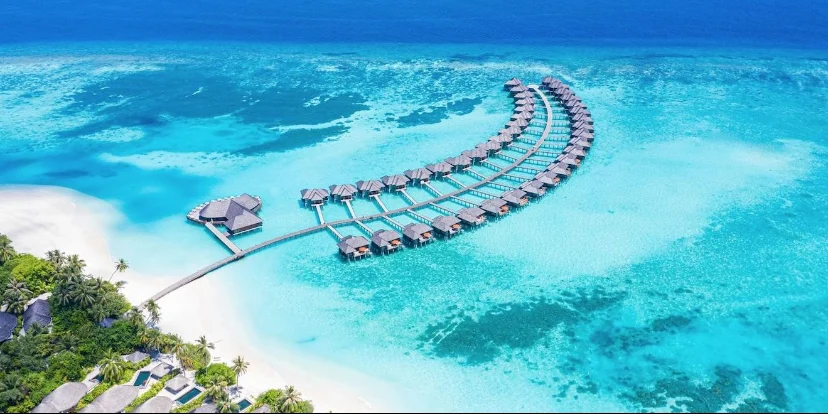
The Maldives is an island country and archipelagic state in the north-central Indian Ocean, southwest of Sri Lanka and India. It consists of about 1,200 coral islands grouped into 26 natural atolls spread across 870 km. The country is known for its pristine beaches, turquoise lagoons, and marine biodiversity, making it a global symbol of tropical luxury and climate vulnerability.
Tourism and fisheries anchor the economy. The Maldives pioneered the “one island, one resort” model in the 1970s, drawing millions of visitors for diving and luxury stays. Tuna fishing, notably pole-and-line, remains vital and environmentally sustainable. The nation faces economic exposure to global travel trends and environmental threats such as sea-level rise and coral bleaching.
Hotels in Maldives
 Maldivian Seafood Dishes
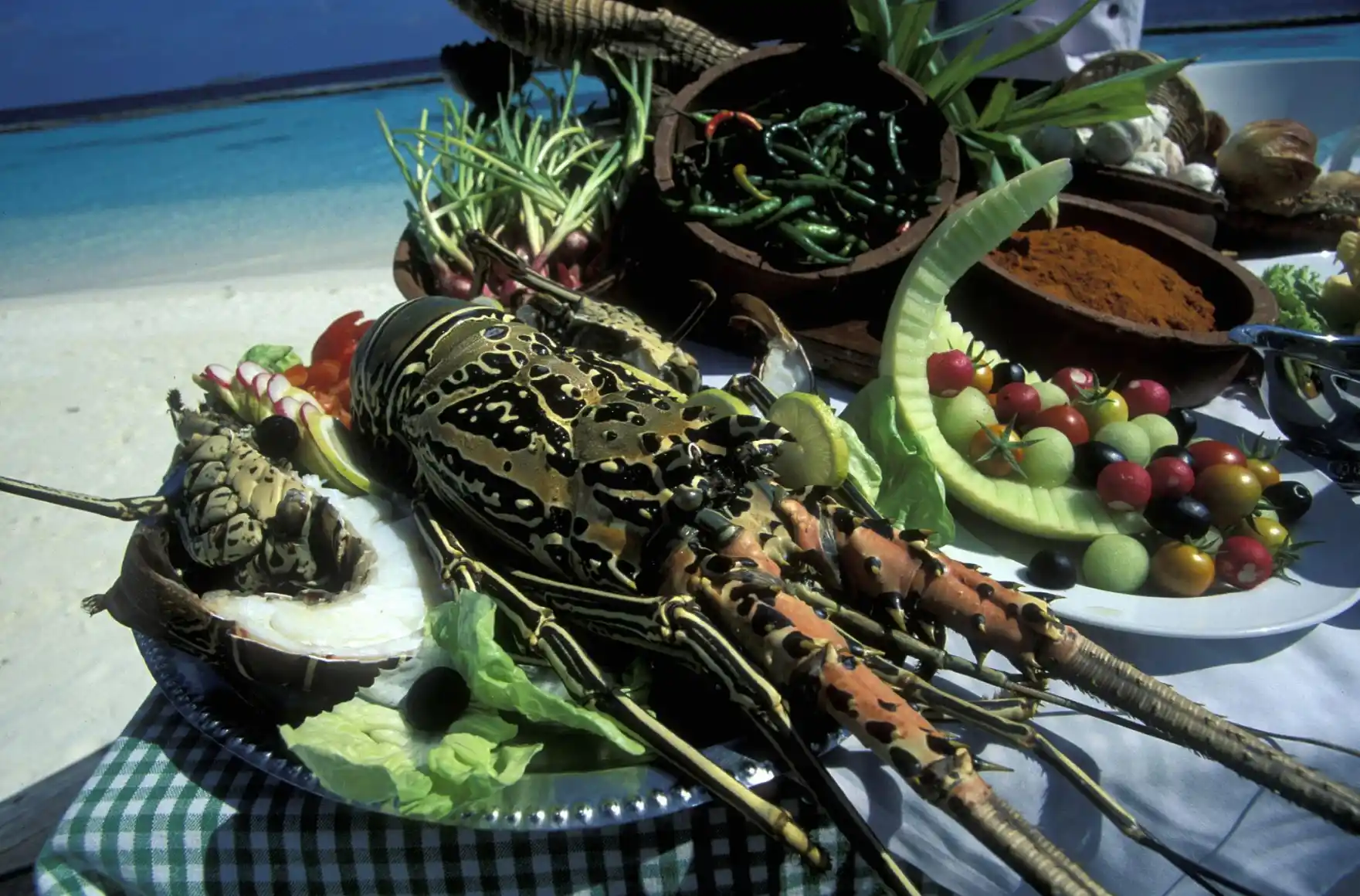
Maldivian cuisine is heavily based on fresh seafood, coconut, rice, and local spices. Tuna is the most common ingredient because fishing is a major part of Maldivian culture. Garudhiya A traditional clear fish soup usually made with tuna, served with rice, lime, chili, and onions. Mas Huni A popular breakfast dish made with shredded smoked tuna, coconut, onion, and chili, often eaten with flatbread called roshi. Rihaakuru A thick tuna-based fish paste cooked for many hours and commonly eaten with rice or bread. Maldivian Seafood Curry Made with fish, prawns, or lobster cooked in coconut milk with aromatic spices. Fried Reef Fish Freshly caught reef fish seasoned with local spices and fried until crispy.
 Visit the Glowing Beach
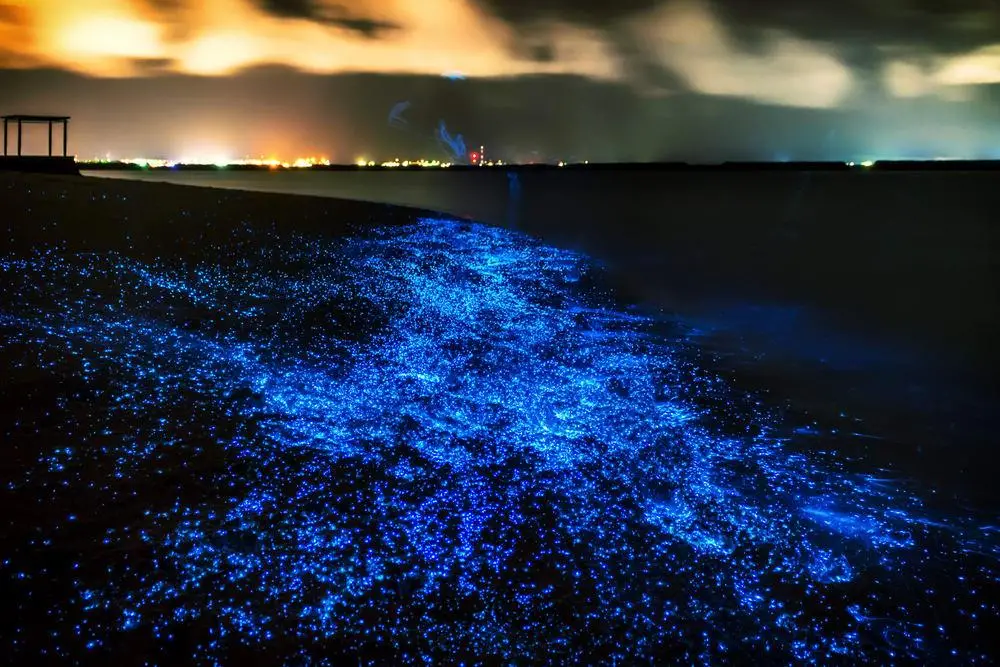
Vaadhoo Island is a small inhabited island in the Raa Atoll of the Maldives, known for its striking natural phenomenon called the “Sea of Stars.” At night, the surrounding waters glow with blue bioluminescence, creating one of the most photographed sights in the country. The island is both a local community and a growing eco-tourism destination. Vaadhoo is one of several inhabited islands in Raa Atoll, characterized by white coral beaches and turquoise lagoons. The local population engages mainly in fishing and small-scale tourism. The island’s traditional Maldivian village life coexists with modest guesthouses and eco-resorts catering to visitors.
 Snorkeling & Scuba Diving
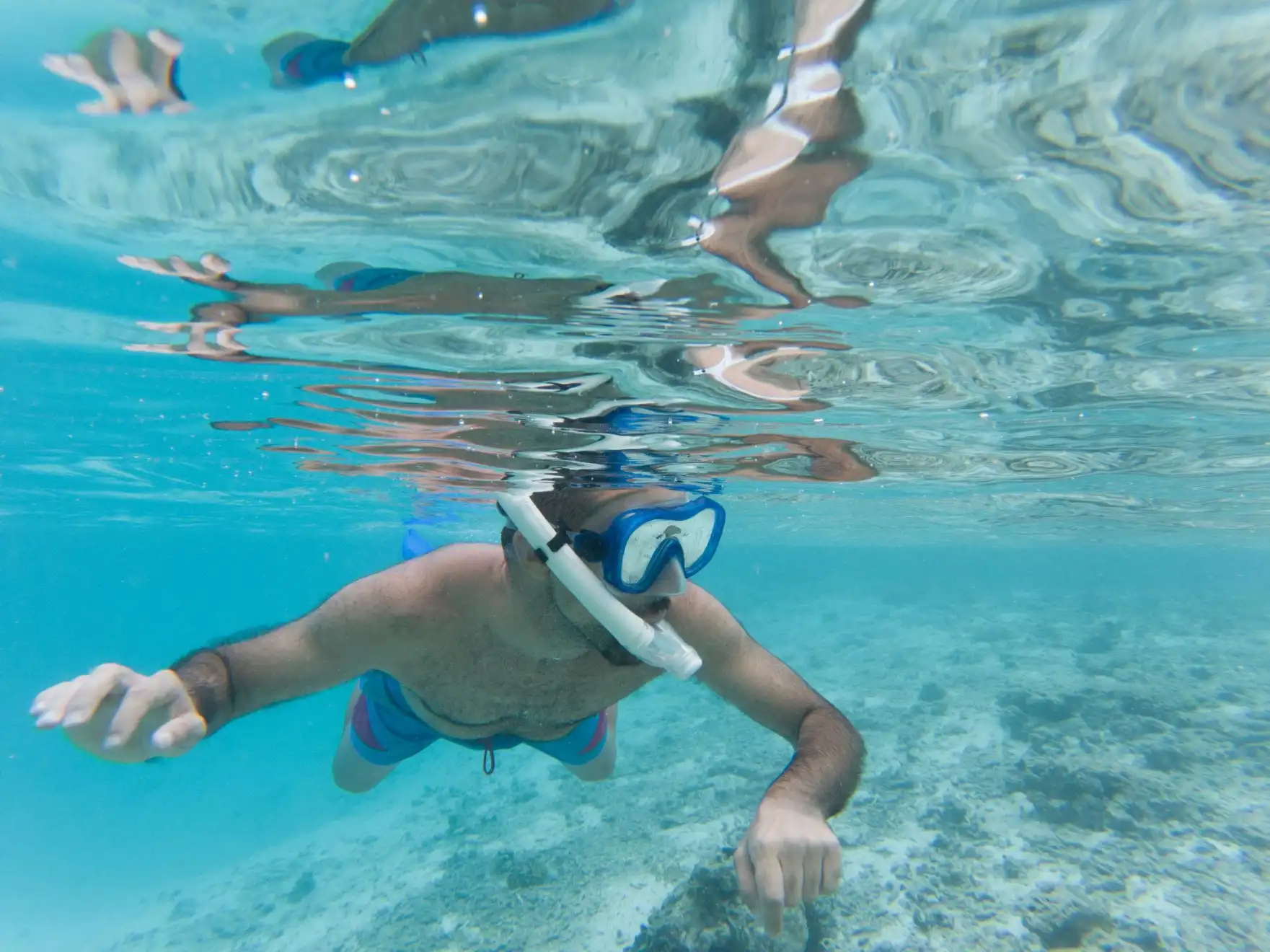
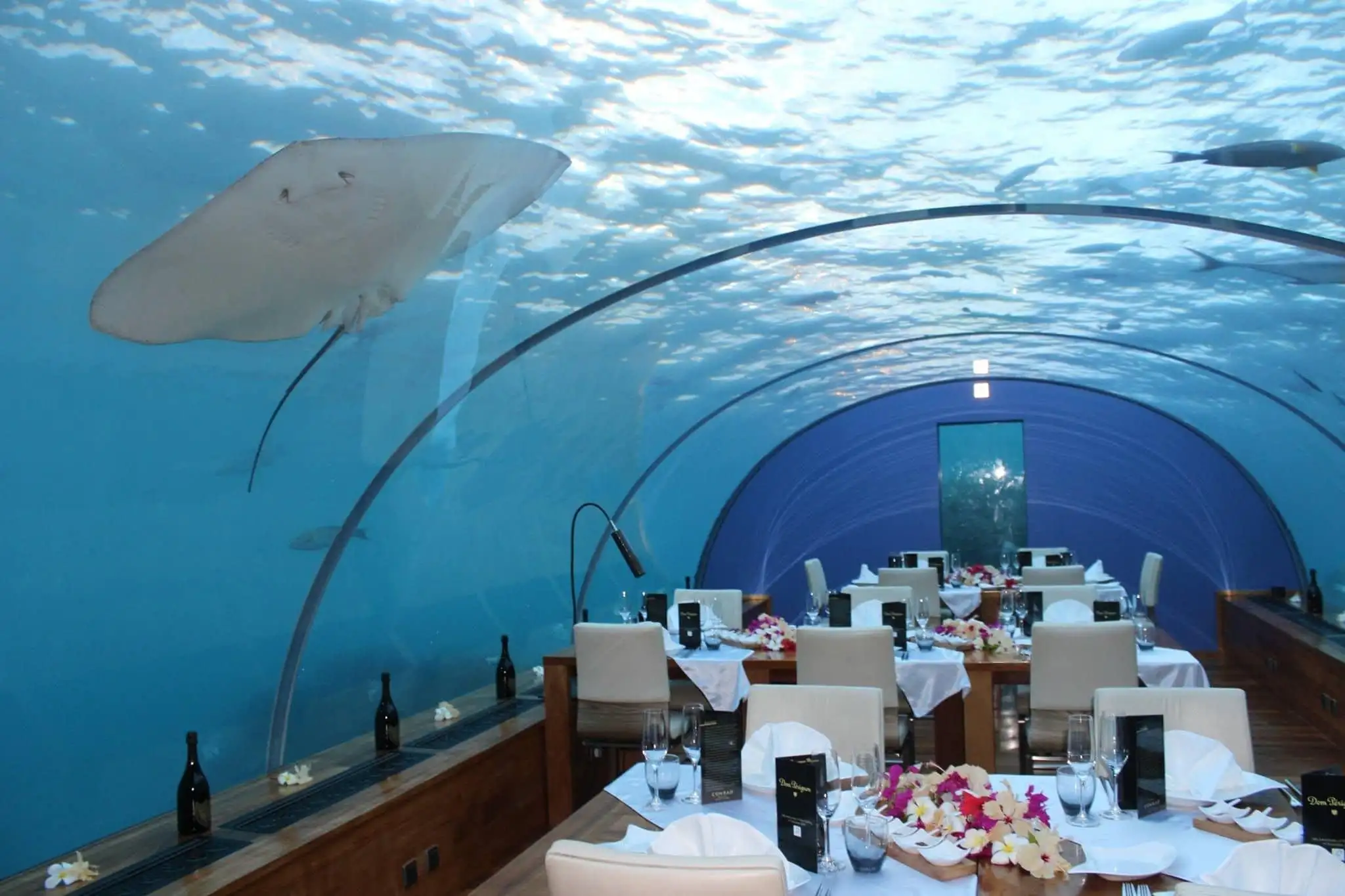
The Maldives is one of the world’s best destinations for snorkeling and scuba diving because of its crystal-clear waters, colorful coral reefs, and rich marine life. Snorkeling is perfect for beginners and casual tourists. You can swim near the surface and enjoy the underwater scenery without special diving certification. Scuba diving allows you to explore deeper underwater areas with professional equipment and instructors.
 Ari Atoll
Ari Atoll, also known as Alif or Alifu Atoll, is one of the largest and most visited coral atolls in the Maldives, located about 100 kilometers west of Malé. It is celebrated for its pristine islands, turquoise lagoons, and world-class diving and snorkeling opportunities that attract travelers and marine researchers alike. Ari Atoll spans roughly 89 km north to south and 30 km wide, enclosing a vast oval lagoon dotted with more than 80 islands, of which about 28 are resorts and 18 are inhabited. The landscape features lush tropical vegetation, sandy beaches, and rich coral reefs. Nearby smaller atolls such as Rasdhoo and Thoddoo extend its cultural and ecological diversity.
Malé Atoll
Malé Atoll is a natural atoll in the central part of the Maldives archipelago in the Indian Ocean. It is notable as the administrative and economic heart of the country, containing the capital city, Malé, and the nation’s primary international gateway. As with much of the Maldives, Malé Atoll faces rising sea levels and reef degradation from climate change and coastal development. Conservation efforts focus on coral restoration and sustainable tourism to preserve its delicate marine ecosystem.