
Travel to Mongolia

 4 photos
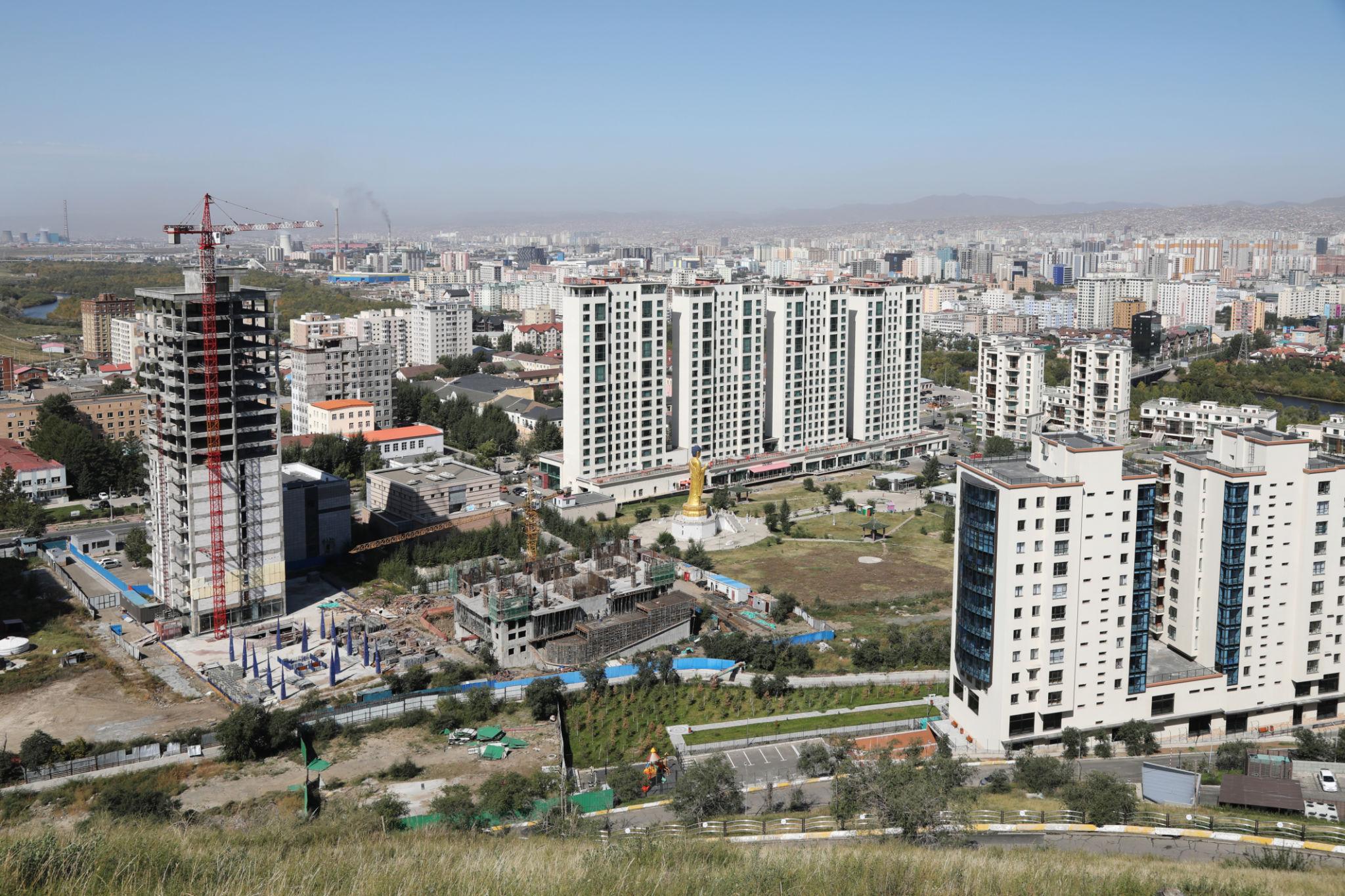
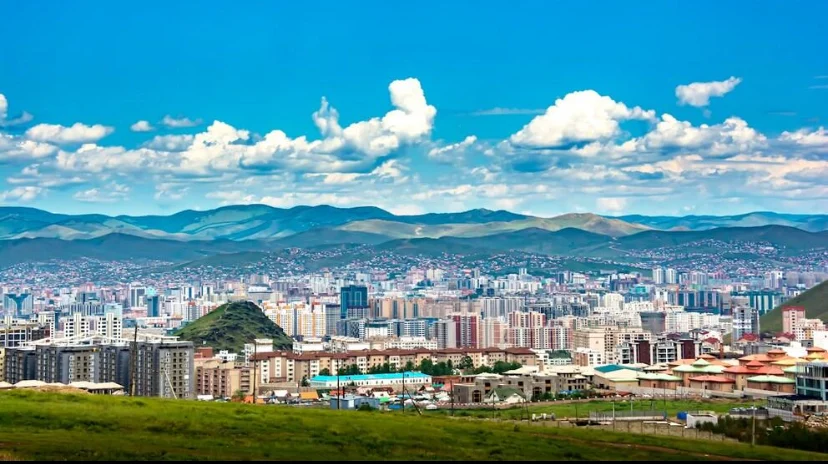
Mongolia is a landlocked country in East and Central Asia, bordered by Russia to the north and China to the south. Known for its vast steppes, nomadic heritage, and rugged natural beauty, it is one of the least densely populated nations on Earth and a symbol of the traditional pastoral lifestyle.
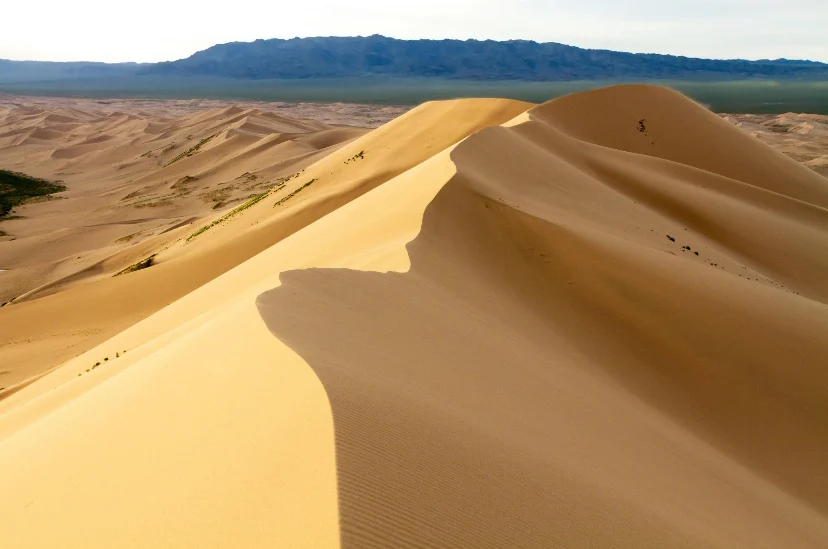
Mongolia’s landscape is dominated by steppe grasslands, the Gobi Desert in the south, and mountain ranges such as the Altai in the west. The country experiences a harsh continental climate, with cold winters and warm summers. Natural resources like coal, copper, and gold are abundant, driving much of its economic growth.
Mongolia’s economy relies heavily on mining and livestock agriculture. Copper and coal exports, particularly to China, dominate trade. While mining fuels rapid GDP growth during commodity booms, the economy remains vulnerable to global price fluctuations and climate impacts on herding.
Mongolia maintains a balanced foreign policy known as the “third neighbor” approach, fostering ties with democracies like the United States and Japan while managing relations with Russia and China. It is recognized for its commitment to democracy and peacekeeping within a challenging geopolitical environment.
Historically, Mongolia was the heart of the Mongol Empire, established in the 13th century under Genghis Khan. The empire once stretched from Eastern Europe to the Korean Peninsula. In the modern era, Mongolia declared independence from China in 1911 and became a Soviet-aligned socialist state in 1924. Democratic reforms began in 1990, leading to a multi-party system.