
Travel to Philippines

 4 photos
The Philippines, officially the Republic of the Philippines, is an archipelagic country in Southeast Asia composed of over 7,600 islands. It is known for its rich biodiversity, vibrant culture blending Eastern and Western influences, and a rapidly growing economy. The nation plays a key role in regional politics and global labor migration.
The islands were part of extensive trade networks before Spanish colonization in 1565, which introduced Christianity and centralized governance. After over 300 years under Spain, the Philippines became a U.S. colony in 1898 following the Spanish–American War. It gained full independence on July 4, 1946. This layered colonial past shaped its legal, political, and cultural institutions.
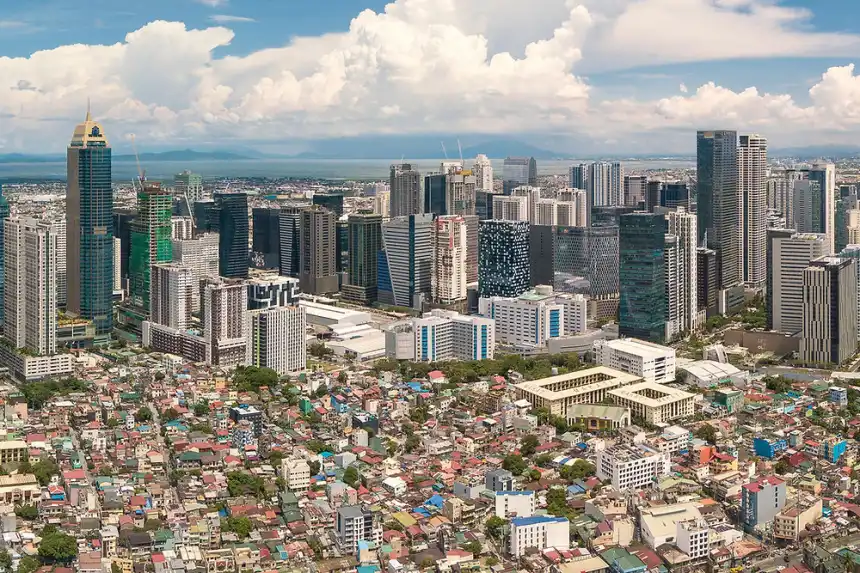
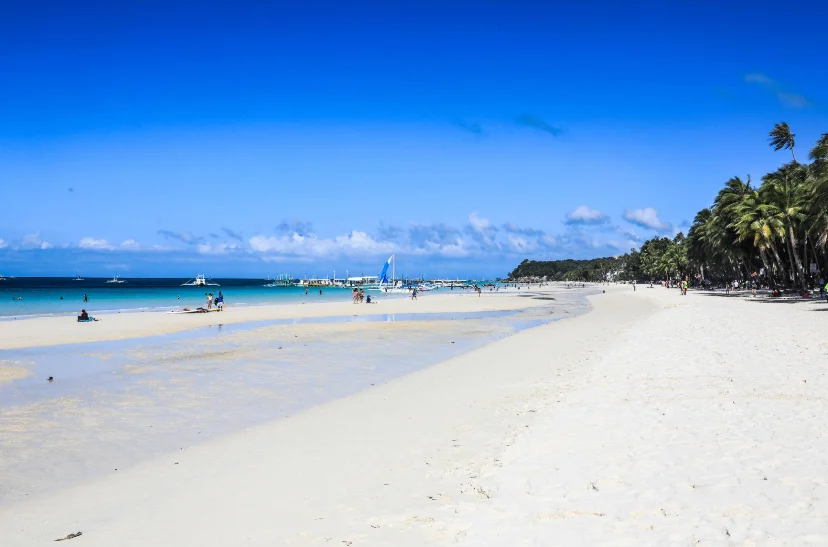
The Philippines is a vibrant archipelago of over 7,000 islands where turquoise waters, lush mountains, and lively cities blend into a rich tropical paradise. From the dramatic limestone cliffs of Palawan to the rolling Chocolate Hills of Bohol, its landscapes feel almost unreal in their beauty. The country’s culture is a colorful fusion of indigenous traditions, Asian influences, and Spanish heritage, visible in its architecture, festivals, and cuisine. Festivities like Sinulog and Ati-Atihan bring streets alive with music, dance, and devotion. In Manila, history and modern life meet within ancient walls and towering skylines, while rural provinces preserve a slower, more traditional rhythm. Filipinos are known for their warmth, resilience, and strong sense of community, often welcoming visitors like family. With its island charm, cultural richness, and natural wonders, the Philippines stands as a destination full of energy, diversity, and unforgettable experiences.
The Philippine economy is classified as emerging and newly industrialized, with key sectors including services, remittances, business process outsourcing (BPO), manufacturing, and agriculture. Millions of Overseas Filipino Workers (OFWs) contribute significantly through remittances. Despite persistent inequality, the nation has shown consistent GDP growth over recent decades.
Filipino culture is a blend of indigenous, Malay, Spanish, American, and Asian influences. Predominantly Catholic, the Philippines celebrates colorful festivals, music, and cuisine that reflect its diverse heritage. English and Filipino are widely used, making the population among the most bilingual in Asia.