
Travel to Singapore
 4 photos
Singapore is a sovereign island city-state in Southeast Asia, officially known as the Republic of Singapore. Renowned for its economic dynamism, efficient governance, and multicultural society, it stands as one of the world's leading financial and trade hubs.
Located at the southern tip of the Malay Peninsula, Singapore comprises one main island and over 60 smaller islets. Its strategic position along major sea routes has long made it a critical maritime gateway. Despite its small land area of about 730 km², the nation supports a dense yet highly urbanized population with a mix of Chinese, Malay, Indian, and other ethnic communities.
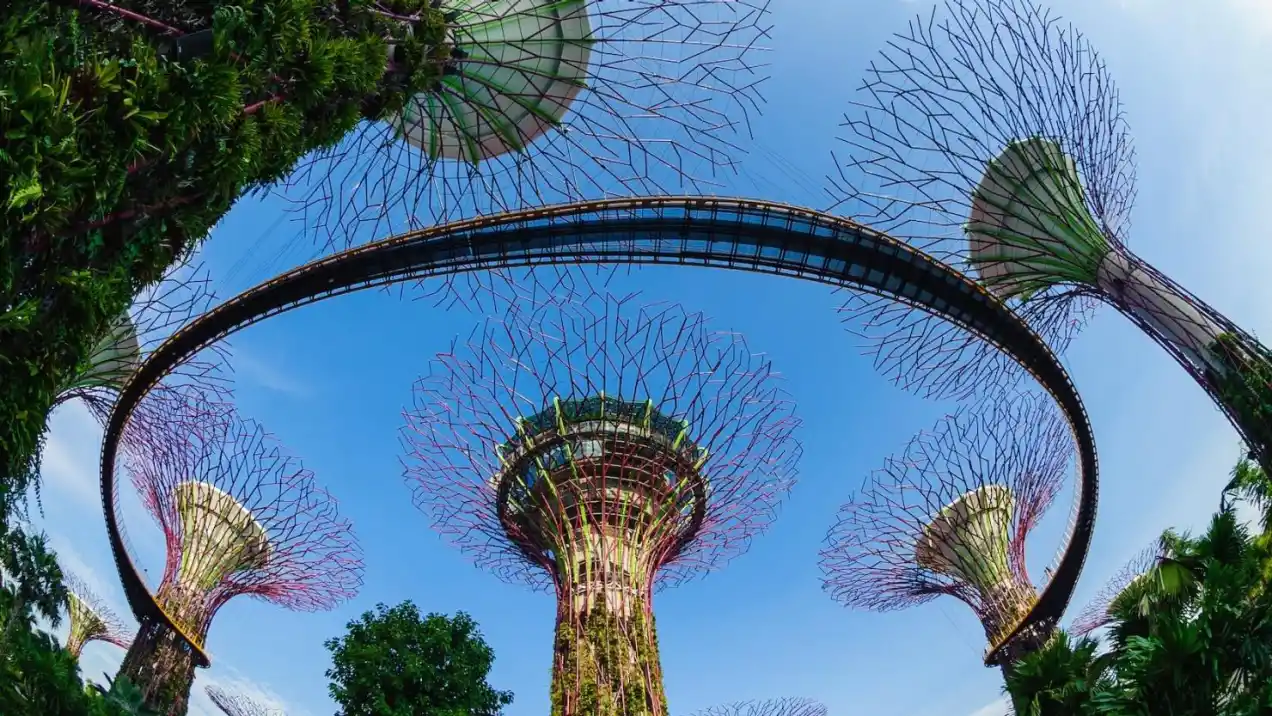
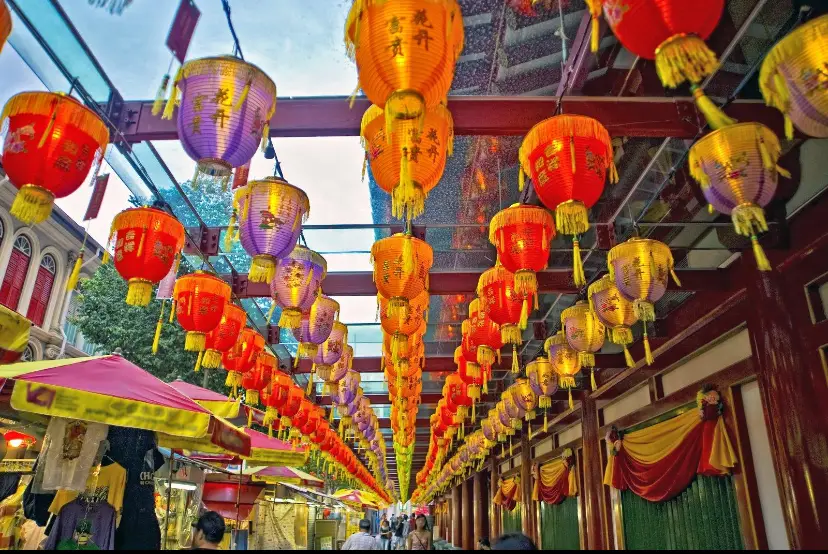
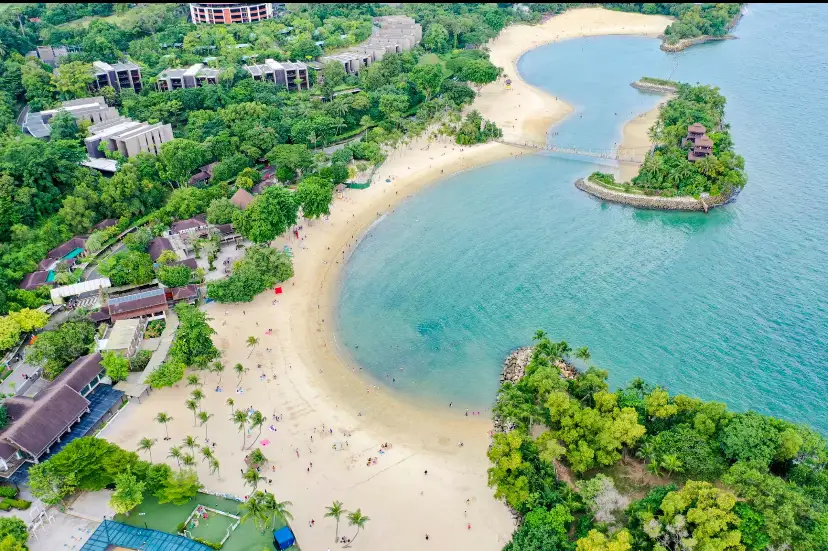
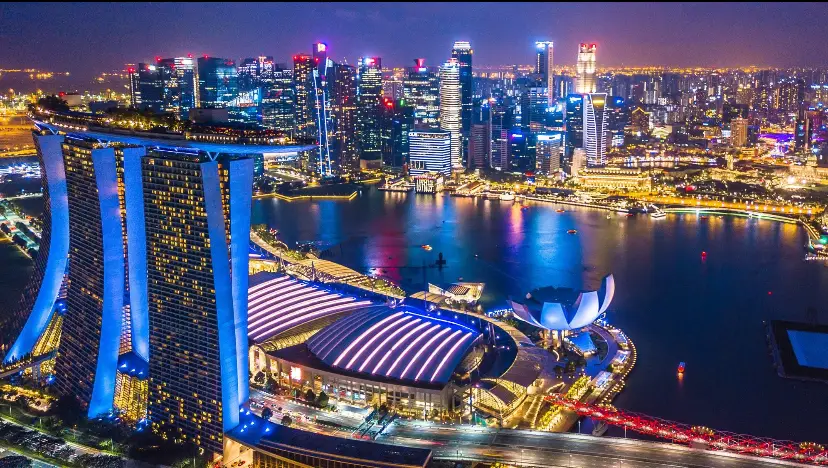
Originally a British trading post established in 1819 by Sir Stamford Raffles, Singapore became part of Malaysia in 1963 before gaining full independence in 1965. Under the leadership of Lee Kuan Yew, it transformed from a developing port into a global economic powerhouse through industrialization, education, and strategic foreign investment. Singapore is a dazzling city-state where innovation and nature exist side by side in perfect balance. Rising from a once small trading port, it has become one of the world’s most advanced and efficient nations. Its skyline shines with futuristic architecture like Marina Bay Sands, while lush greenery weaves through every corner, from rooftop gardens to nature reserves. The city is a cultural mosaic, shaped by Chinese, Malay, Indian, and global influences, reflected in its festivals, languages, and rich street food scene. Hawker centres serve dishes bursting with flavour, from chicken rice to laksa, making food a national passion. Clean streets, safe neighborhoods, and world-class infrastructure define daily life. Yet beyond its modern image, Singapore also preserves heritage districts like Chinatown and Kampong Glam, where history still breathes. With its harmony of technology, culture, and nature, Singapore stands as a powerful example of how a modern city can thrive sustainably.