
Travel to United Arab Emirates
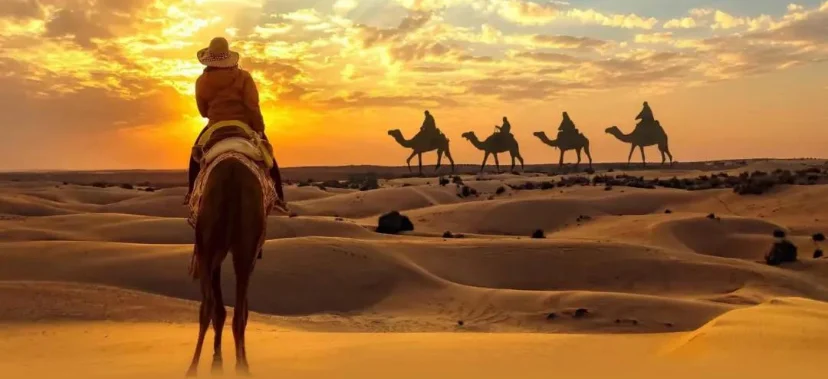

 3 photos
The United Arab Emirates (UAE) is a federation of seven emirates located on the Arabian Peninsula in the Middle East. It is known for its rapid modernization, economic diversification, and global cities such as Dubai and Abu Dhabi. The UAE plays a key role in regional politics, trade, and energy markets.
The UAE lies along the southeastern coast of the Arabian Gulf and the northwestern coast of the Gulf of Oman. It consists of seven emirates: Abu Dhabi, Dubai, Sharjah, Ajman, Umm Al-Quwain, Ras Al Khaimah, and Fujairah. Abu Dhabi, the largest emirate, contains most of the country’s oil reserves, while Dubai is a major global trade and tourism hub.
The UAE is a constitutional federation with a president and a council of rulers representing each emirate. Its governance blends traditional leadership with modern institutions. Citizens form a small minority of the population, with expatriate workers comprising the majority, contributing to a multicultural society.
Hotels in United Arab Emirates
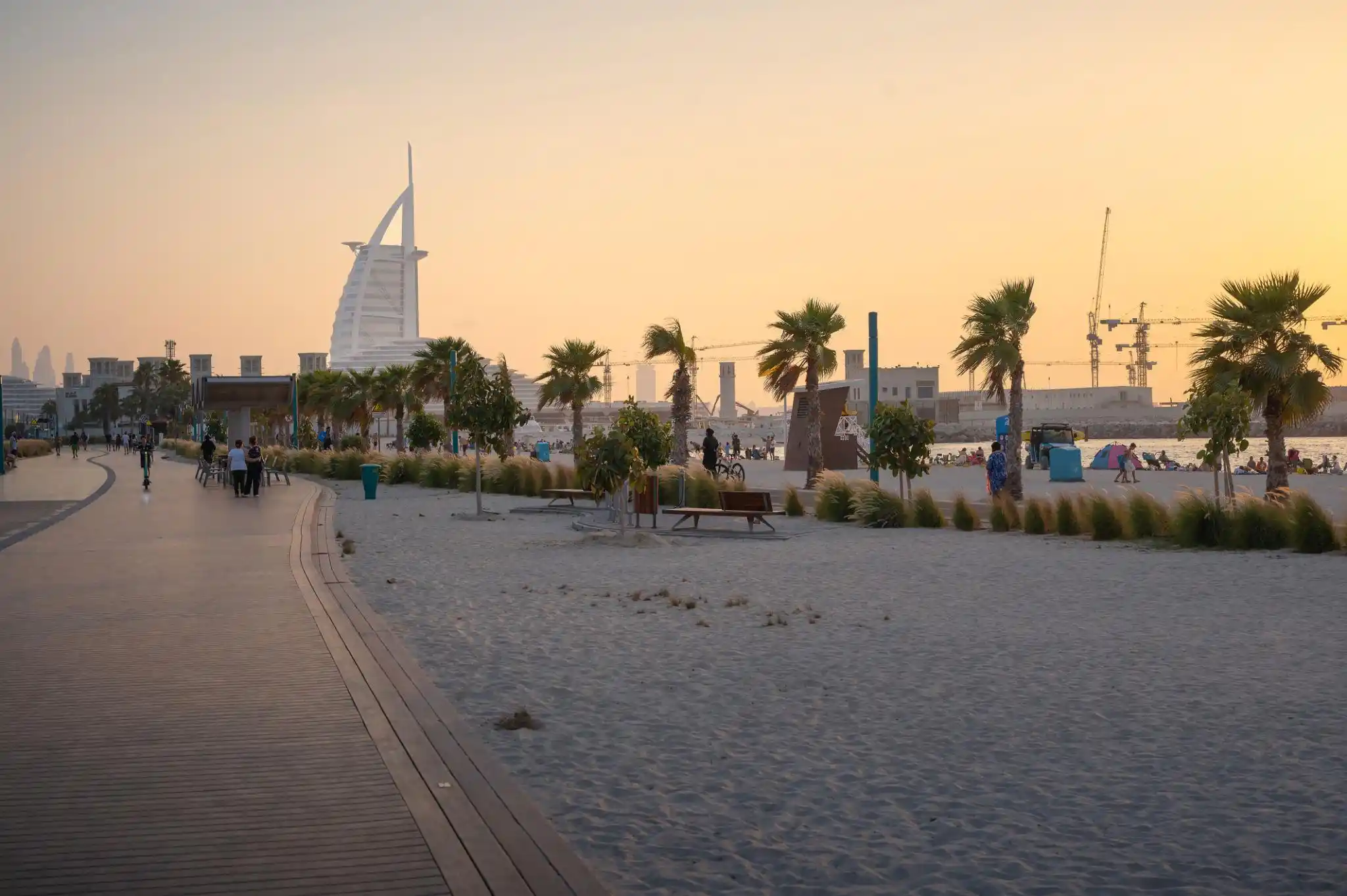 Jumeirah Beach
Jumeirah Beach is a renowned public beach in Dubai, United Arab Emirates, stretching along the Arabian Gulf’s western coast. Celebrated for its white sand, turquoise waters, and striking backdrop of the Burj Al Arab, it is one of Dubai’s most visited coastal attractions offering recreation, relaxation, and iconic city views. Jumeirah Beach extends parallel to Jumeirah Road (D94), easily accessible from central Dubai. The beach is lined with changing rooms, showers, shaded rest areas, cafés, and lifeguard stations. Jogging and cycling tracks, wheelchair access routes, and family zones make it inclusive and well-organized. Public parking and nearby transport links, including buses and metro connections, enhance convenience.
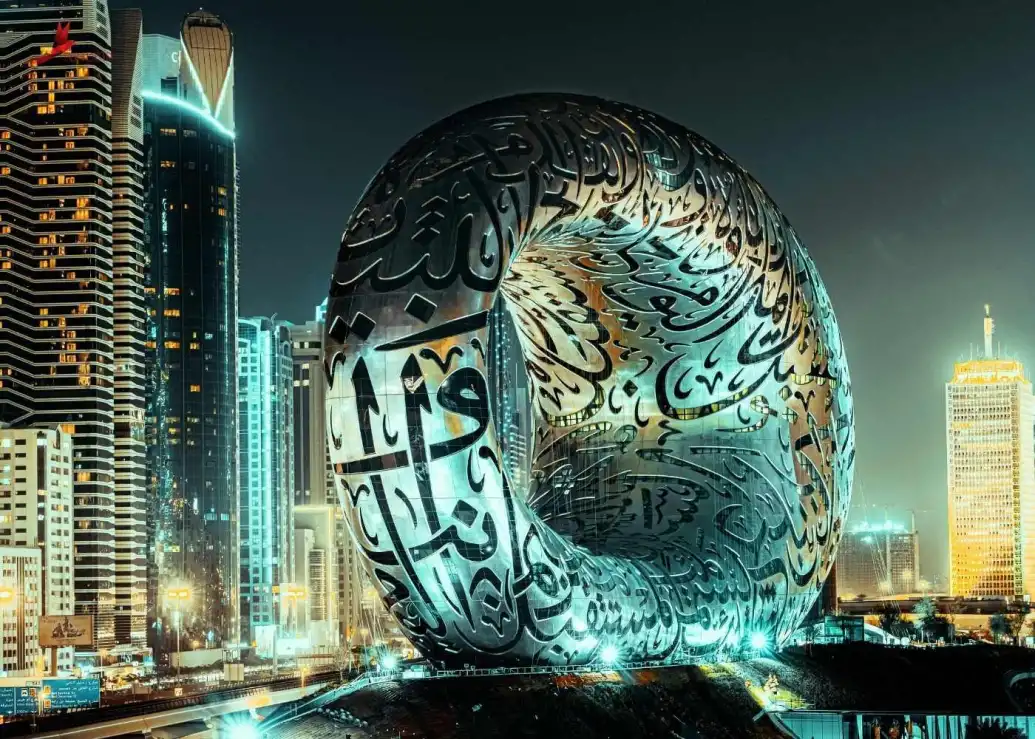 Museum of the Future
The Museum of the Future is an iconic exhibition space and research hub in Dubai dedicated to innovation and emerging technologies. Opened in 2022, it explores potential future scenarios across science, AI, sustainability, and human development through immersive, themed installations. The museum’s torus-shaped structure, with a hollow center representing “the unknown,” is clad in stainless steel panels inscribed with Arabic calligraphy of quotes by Sheikh Mohammed bin Rashid Al Maktoum. Designed by Killa Design, it showcases parametric engineering and 3D modeling, making it a landmark of futuristic architecture.
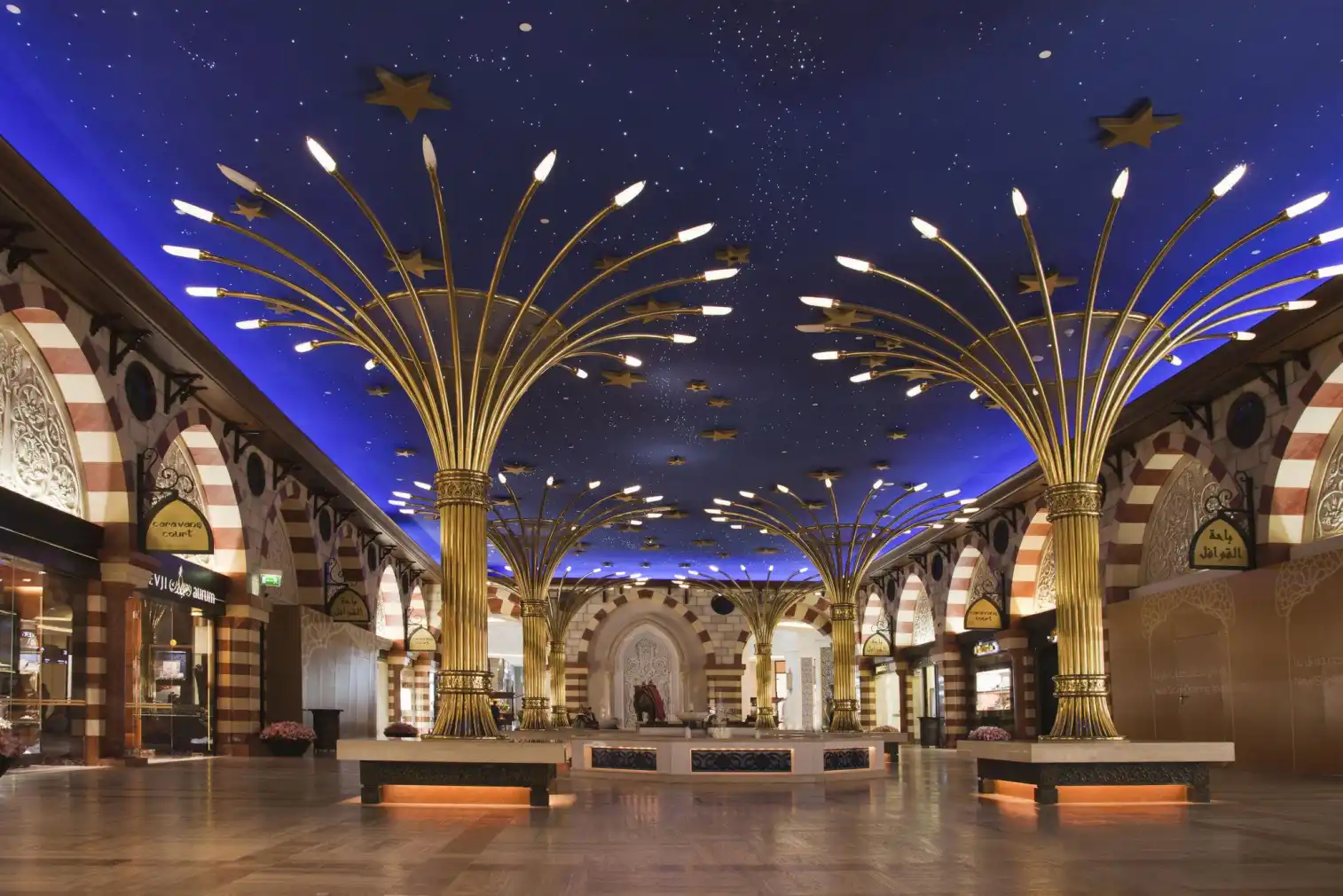 The Dubai Mall
The Dubai Mall is one of the world’s largest shopping and entertainment complexes, located in Downtown Dubai, United Arab Emirates. Opened in 2008, it serves as a central attraction within the Burj Khalifa precinct, drawing tens of millions of visitors annually for luxury retail, leisure, and cultural experiences. Situated next to Burj Khalifa Lake, the mall anchors the Downtown Dubai district. Its design integrates modern architecture with vast open atriums and natural light. A large promenade connects directly to the Dubai Fountain, offering scenic views and outdoor dining options. Proximity to key hotels and residential towers enhances its role as a mixed-use urban hub.
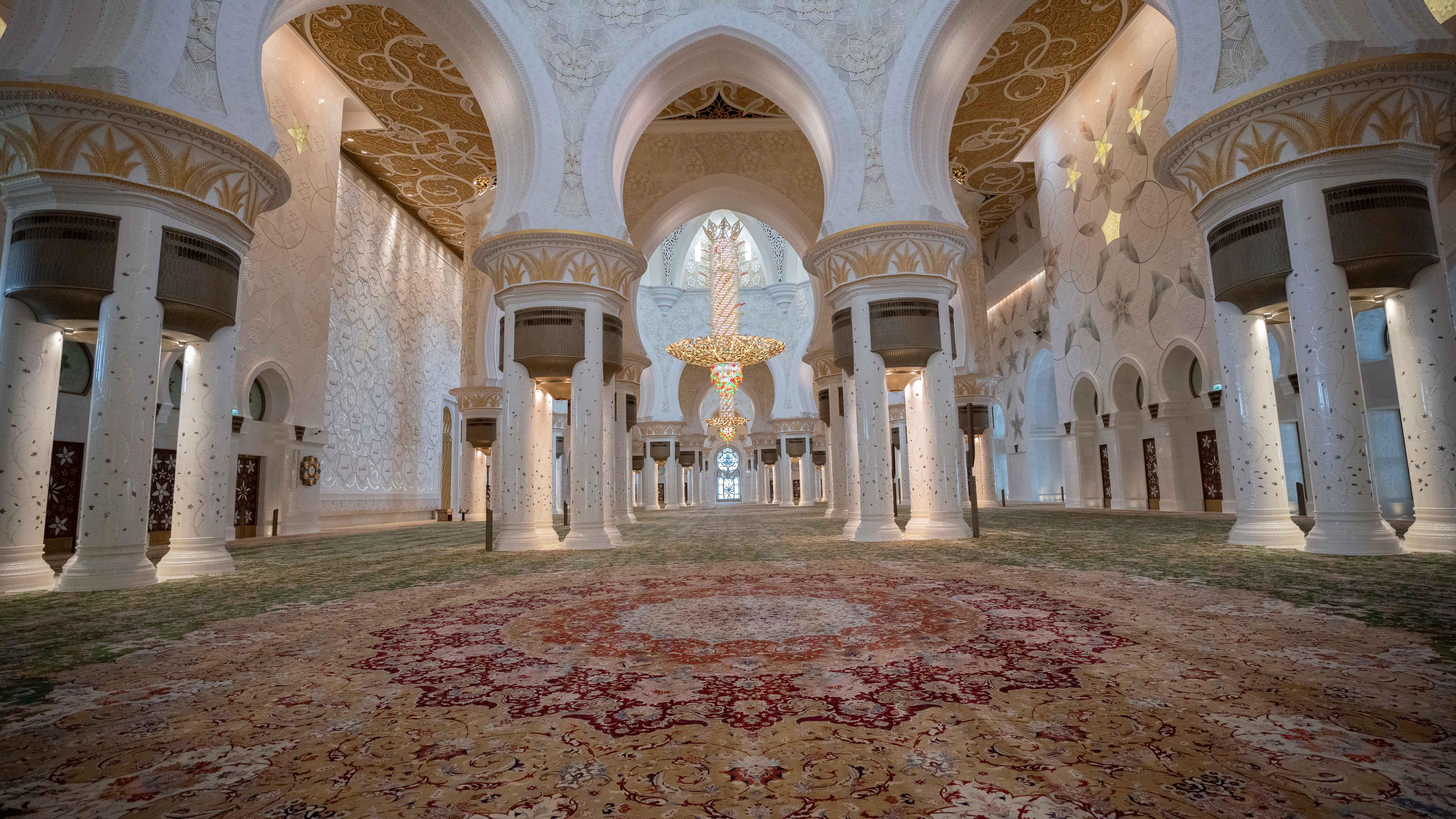 Sheikh Zayed Grand Mosque
The Sheikh Zayed Grand Mosque in Abu Dhabi, United Arab Emirates, is one of the world’s largest and most architecturally significant mosques. Completed in 2007, it serves as both a place of worship and a symbol of cultural unity, attracting millions of visitors annually for its grandeur and design excellence. The mosque blends traditional Islamic art with modern construction techniques. Its 82 domes, more than 1,000 columns, and four 107-meter-high minarets reflect influences from Persian, Mughal, and Moorish architecture. White Greek and Macedonian marble clads much of the structure, symbolizing purity and unity. The prayer hall’s ornate floral mosaics, crystal chandeliers, and the world’s largest hand-knotted carpet showcase exceptional craftsmanship.
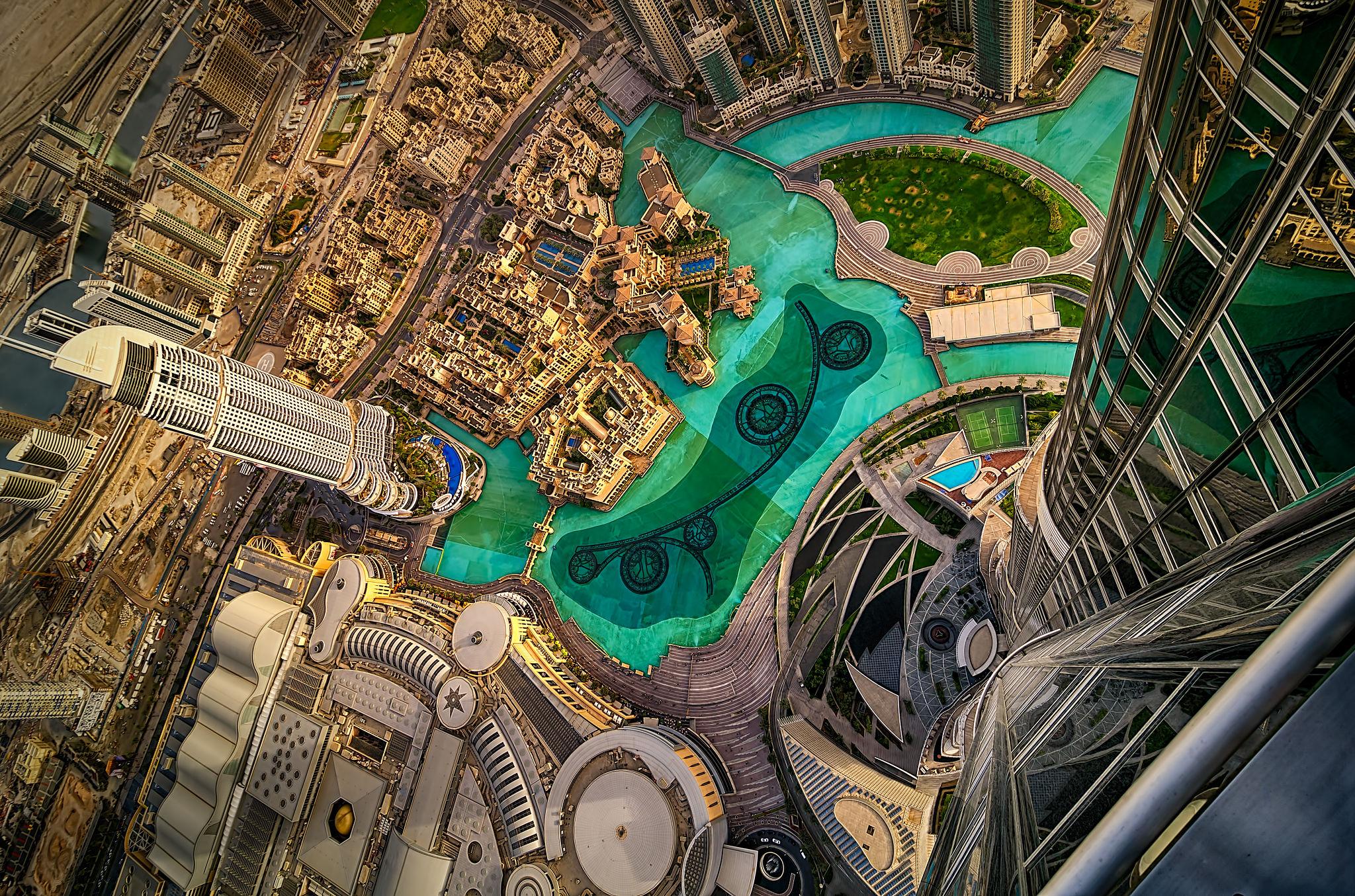 Burj Khalifa
The Burj Khalifa is a mixed-use skyscraper in Dubai, United Arab Emirates, recognized as the world’s tallest structure. Completed in 2010, it symbolizes Dubai’s rapid urban development and ambition, combining architectural innovation with luxury residential, hotel, and commercial spaces. The tower’s design draws inspiration from the Hymenocallis desert flower and traditional Islamic architecture. A central hexagonal core supports three wing-like structures that taper as the building ascends. Construction began in 2004, involving more than 12,000 workers and using reinforced concrete and aluminum cladding to withstand desert temperatures and wind loads.