
Travel to Albania

 4 photos
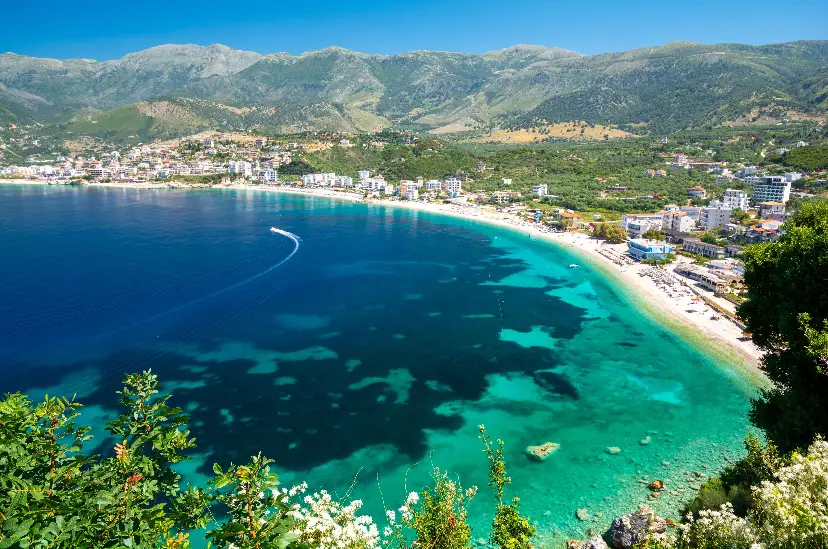
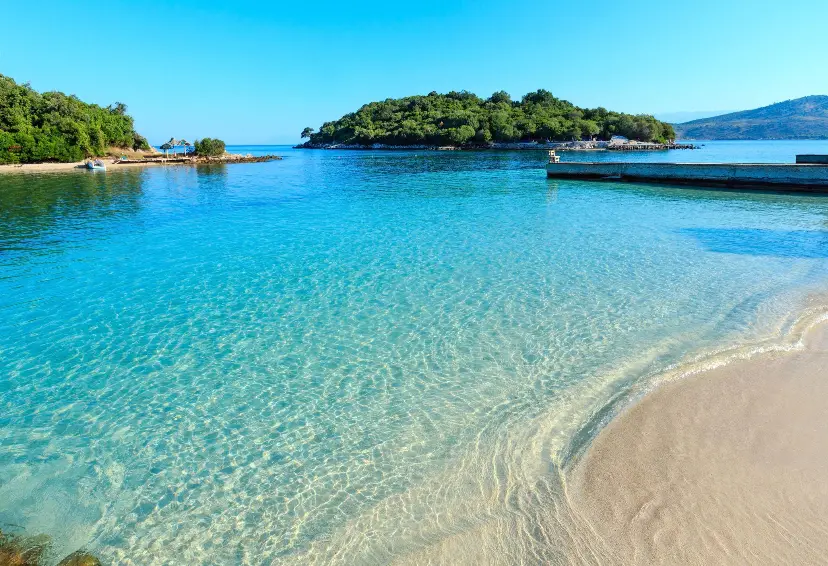
Albania is a small but culturally rich country located in Southeastern Europe on the Balkan Peninsula. It shares borders with Montenegro to the northwest, Kosovo to the northeast, North Macedonia to the east, and Greece to the south. The country also has a long coastline along the Adriatic and Ionian Seas, making it a popular tourist destination known for its beautiful beaches and crystal-clear waters.
The capital and largest city of Albania is Tirana, which serves as the nation’s political, economic, and cultural center. Tirana is famous for its colorful buildings, lively atmosphere, museums, and modern cafes. Other important cities include Durrës, the country’s main port city; Shkodër, known for its historical significance; and Vlorë, where Albania declared its independence in 1912.
Albania covers an area of about 28,748 square kilometers and has a population of roughly 2.7 million people. The official language is Albanian, one of the oldest languages in Europe and a unique branch of the Indo-European language family. Most Albanians are multilingual and often speak English, Italian, or Greek as second languages.
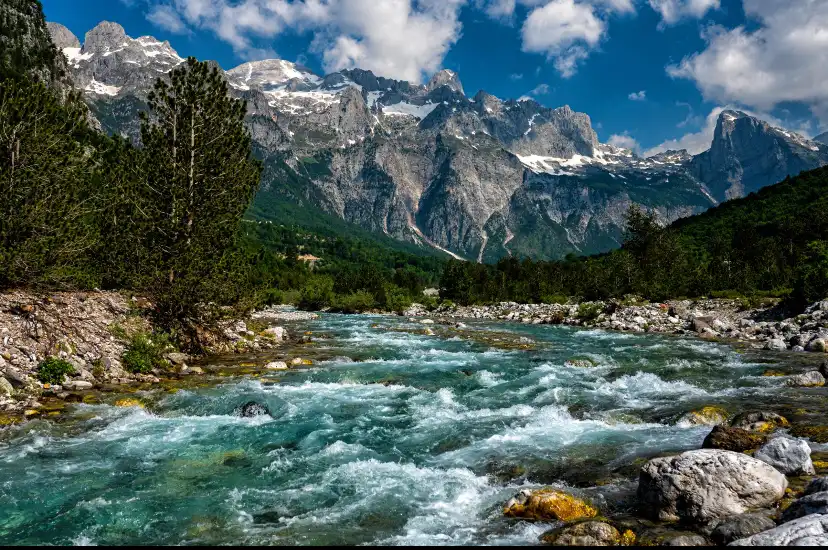
The country’s landscape is remarkably diverse despite its small size. Northern Albania is dominated by the rugged Albanian Alps, while the central region consists of fertile plains and rolling hills. The south is famous for its stunning beaches and picturesque villages along the Albanian Riviera. Albania is also home to numerous rivers, lakes, and national parks that support a wide variety of plant and animal life.
Historically, Albania has a rich and complex past. It was inhabited by ancient Illyrian tribes before becoming part of the Roman and Byzantine Empires. In the 15th century, the national hero Skanderbeg led a long resistance against the Ottoman Empire and remains a symbol of Albanian identity and independence. Albania later spent nearly five centuries under Ottoman rule before declaring independence in 1912.
During the 20th century, Albania experienced periods of monarchy, occupation during the Second World War, and decades of communist rule under Enver Hoxha. Since the early 1990s, the country has transitioned to a democratic system and a market economy. Today, Albania is a candidate for membership in the European Union and has been a member of the North Atlantic Treaty Organization since 2009.
Tourism has become one of Albania’s fastest-growing industries. Visitors are attracted by its historic towns, ancient castles, Mediterranean climate, and affordable travel costs. The country’s hospitality, delicious cuisine, and natural beauty continue to earn it recognition as one of Europe’s emerging travel destinations. Albania successfully combines a rich cultural heritage with modern development, making it a fascinating nation with a promising future.