
Travel to Austria
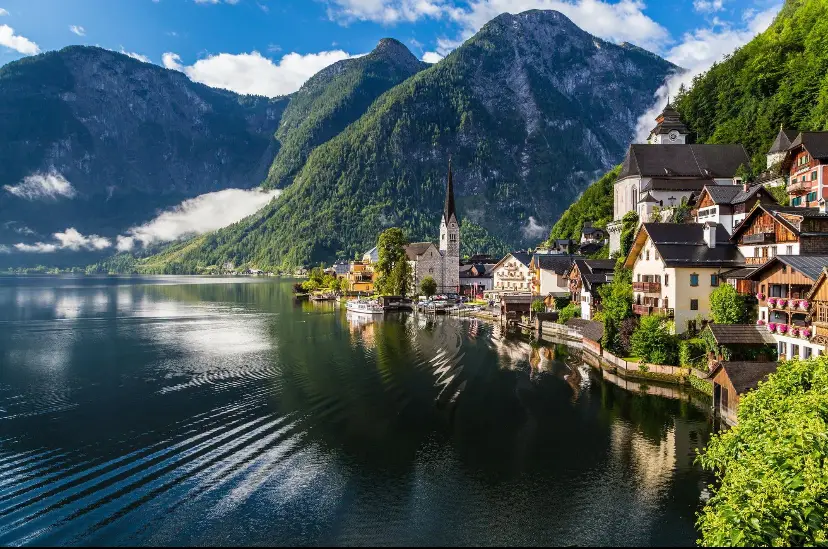
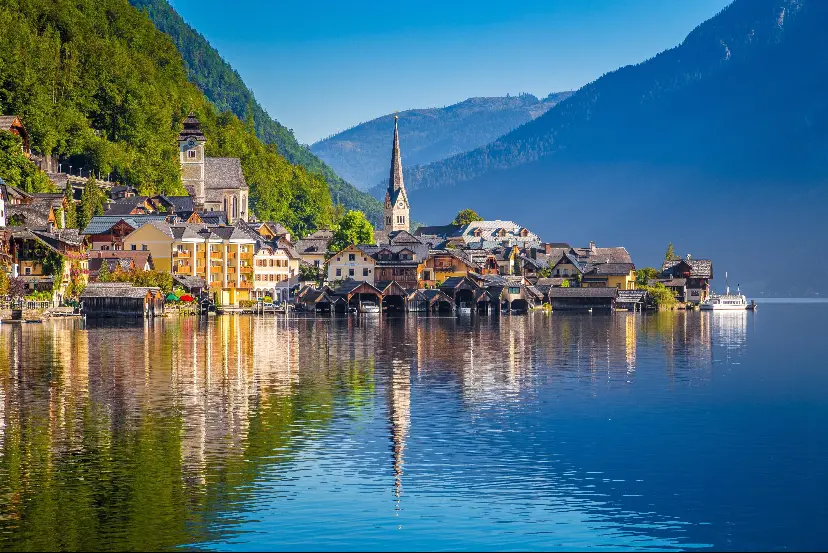
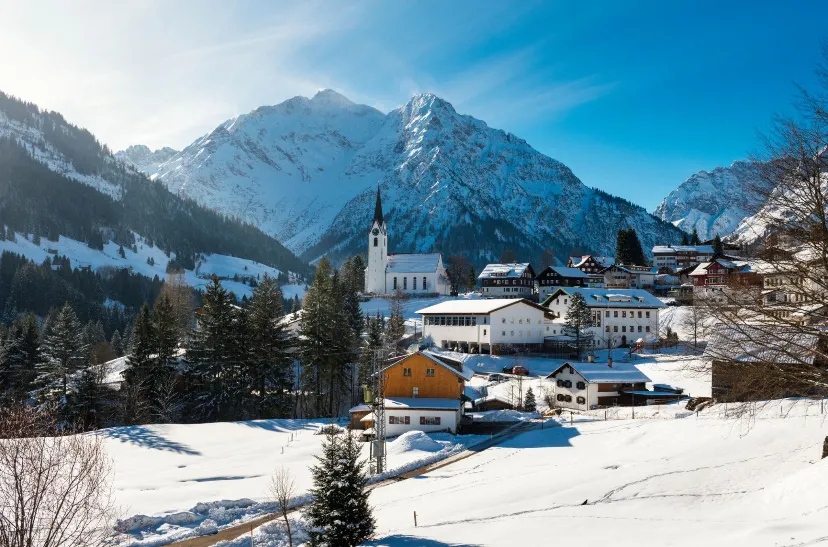
 4 photos
Austria is a landlocked country located in Central Europe. It is bordered by eight countries: Germany, Czech Republic, Slovakia, Hungary, Slovenia, Italy, Switzerland, and Liechtenstein. Covering an area of about 83,879 square kilometers, Austria has a population of around 9 million people. The country is renowned for its rich history, breathtaking alpine scenery, classical music heritage, and high quality of life.
The capital and largest city of Austria is Vienna. Vienna is often ranked among the world’s most livable cities due to its excellent infrastructure, healthcare, and cultural attractions. The city is famous for its grand palaces, elegant architecture, coffee houses, and vibrant arts scene. Other important cities include Graz, known for its universities and historic center; Salzburg, the birthplace of Mozart; and Innsbruck, a major center for winter sports.
Austria’s landscape is dominated by the majestic Alps, which cover nearly two-thirds of the country. The mountains provide excellent opportunities for skiing, hiking, mountaineering, and other outdoor activities. Austria is also home to beautiful lakes, rivers, and valleys that attract millions of tourists every year. One of the country’s most picturesque locations is Hallstatt, a charming lakeside village famous for its scenic beauty and historic significance.
German is the official language of Austria, although regional dialects are widely spoken. The majority of Austrians identify as Christians, with Roman Catholicism being the largest denomination. Austria is known for its strong traditions, including folk music, dance, and festivals that celebrate local customs and heritage.
Austria has a long and influential history. For centuries, it was the center of the powerful Habsburg monarchy, which ruled vast territories across Europe. The country played a major role in European politics and culture for hundreds of years. Following the collapse of the empire after the First World War, Austria became a republic in 1918. After the Second World War, it regained full independence in 1955 and has since developed into a stable and prosperous democracy.
The Austrian economy is highly developed and diverse. Key industries include manufacturing, tourism, engineering, agriculture, and financial services. The country is especially known for producing machinery, vehicles, and high-quality consumer goods. Tourism is also a major source of income, with visitors drawn to Austria’s ski resorts, historic cities, and cultural festivals.
Austria has made significant contributions to music and the arts. Famous composers such as Wolfgang Amadeus Mozart, Franz Schubert, and Johann Strauss II were born there, helping establish the country as a global center of classical music.
Today, Austria is recognized for its economic prosperity, political stability, stunning natural landscapes, and rich cultural heritage. Its combination of history, innovation, and scenic beauty makes it one of the most admired countries in Europe.