
Travel to Belgium


 4 photos
Belgium is a small country in Western Europe, but its size hides a surprising depth of history, culture, and identity. Positioned between France, Germany, the Netherlands, and Luxembourg, it has long acted as a crossroads of European life. This location has shaped almost everything about Belgium: its languages, its politics, its architecture, and even its way of thinking about itself. To understand Belgium is to understand a place where different worlds constantly meet and overlap, sometimes harmoniously and sometimes with tension.
Geographically, Belgium covers a compact area, yet it contains a remarkable variety of landscapes. In the north lies Flanders, a mostly flat region with fertile soil, canals, and densely populated cities. In the south is Wallonia, which is more rural and hilly, especially in the Ardennes region, where forests, rivers, and rolling hills dominate the scenery. The contrast between these two regions is not just physical but also cultural and linguistic. The north speaks mainly Dutch (often referred to locally as Flemish), while the south speaks French. There is also a small German-speaking community in the east, making Belgium one of the most linguistically diverse countries in Europe.
Culturally, Belgium is known for its rich artistic heritage. The country has produced famous painters such as Pieter Bruegel the Elder and René Magritte, each representing different eras and styles. The Flemish Primitives of the 15th century were among the first masters of detailed oil painting in Europe, while surrealism found a strong voice in Belgian art in the 20th century. Architecture also reflects this diversity, with Gothic cathedrals, Art Nouveau buildings by architects like Victor Horta, and modern structures standing side by side.
Socially, Belgium is known for its high standard of living, strong healthcare system, and well-developed infrastructure. Education is widely accessible, and universities in cities like Leuven and Ghent have strong international reputations. Public transport is efficient, and cities are generally well-connected by rail and road networks.
Hotels in Belgium
 Antwerp Bike Tours
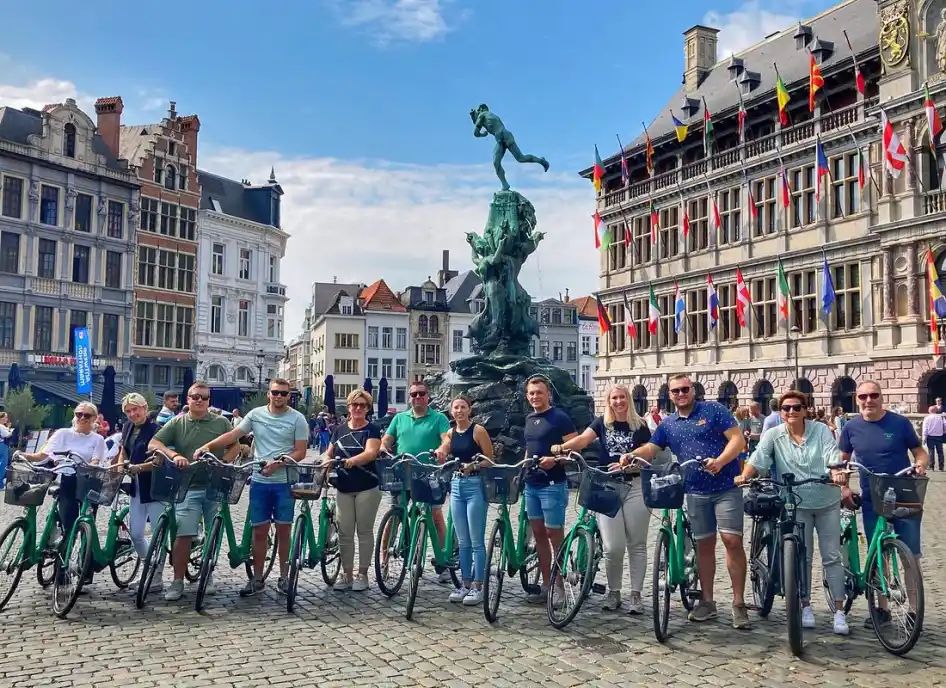
Spin through the city and discover top attractions on two wheels on this 3-hour Antwerp bike tour. Select your route, then hop onto your bicycle to begin exploring with your guide. Cycle through the bustling dockyards district, admire medieval buildings and Art Nouveau architecture, enjoy rooftop views over the city or spin along subterranean cycleways. With options to suit groups of families and friends alike, you’re sure to see sides of Antwerp many visitors miss. Upgrade your tour to include chocolate, beer, or fish tastings, or simply enjoy the night or a day out with the kids. This is a public tour which means that people from all over the world might join our tours. Primary language for public tours is English due to international groups.
 Magical Delft and the Keukenhof Estate: Tulips Galore
Visiting Delft and the Keukenhof Estate in spring feels like stepping into a living painting made entirely of colour, water, and light. It’s one of the most iconic seasonal experiences in the Netherlands, where tulips don’t just grow they dominate the landscape in waves of vibrant patterns. Delft is a small, elegant city filled with quiet canals, cobblestone streets, and historic buildings glowing in soft light. The atmosphere is peaceful and refined, with a strong sense of history. In spring, Delft becomes even more atmospheric. Window boxes overflow with flowers, and the city feels like a gentle introduction to the explosion of colour waiting nearby.
Visiting Artisan Chocolatiers in Brussels & Bruges
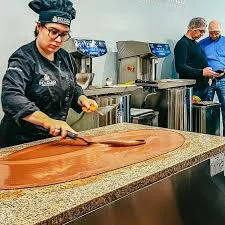
Walking through Brussels, especially around the Grand Place and the Galeries Royales Saint-Hubert, you don’t just “buy chocolate” you step into small galleries of craftsmanship. Behind elegant glass windows, artisan chocolatiers carefully arrange rows of pralines, truffles, ganaches, and chocolate bars, each piece looking like a miniature sculpture. The smell hits you first: warm cocoa, roasted hazelnuts, caramel, and fresh butter. In Bruges, chocolate feels even more magical because the setting is already like a fairytale. Cobblestone streets, canals, and medieval houses create the backdrop for dozens of small artisan chocolatiers. Here, walking into a chocolate shop often feels like entering a family workshop that has existed for generations. Many chocolatiers still make everything in small batches by hand, using traditional recipes.
 Visit Bruges
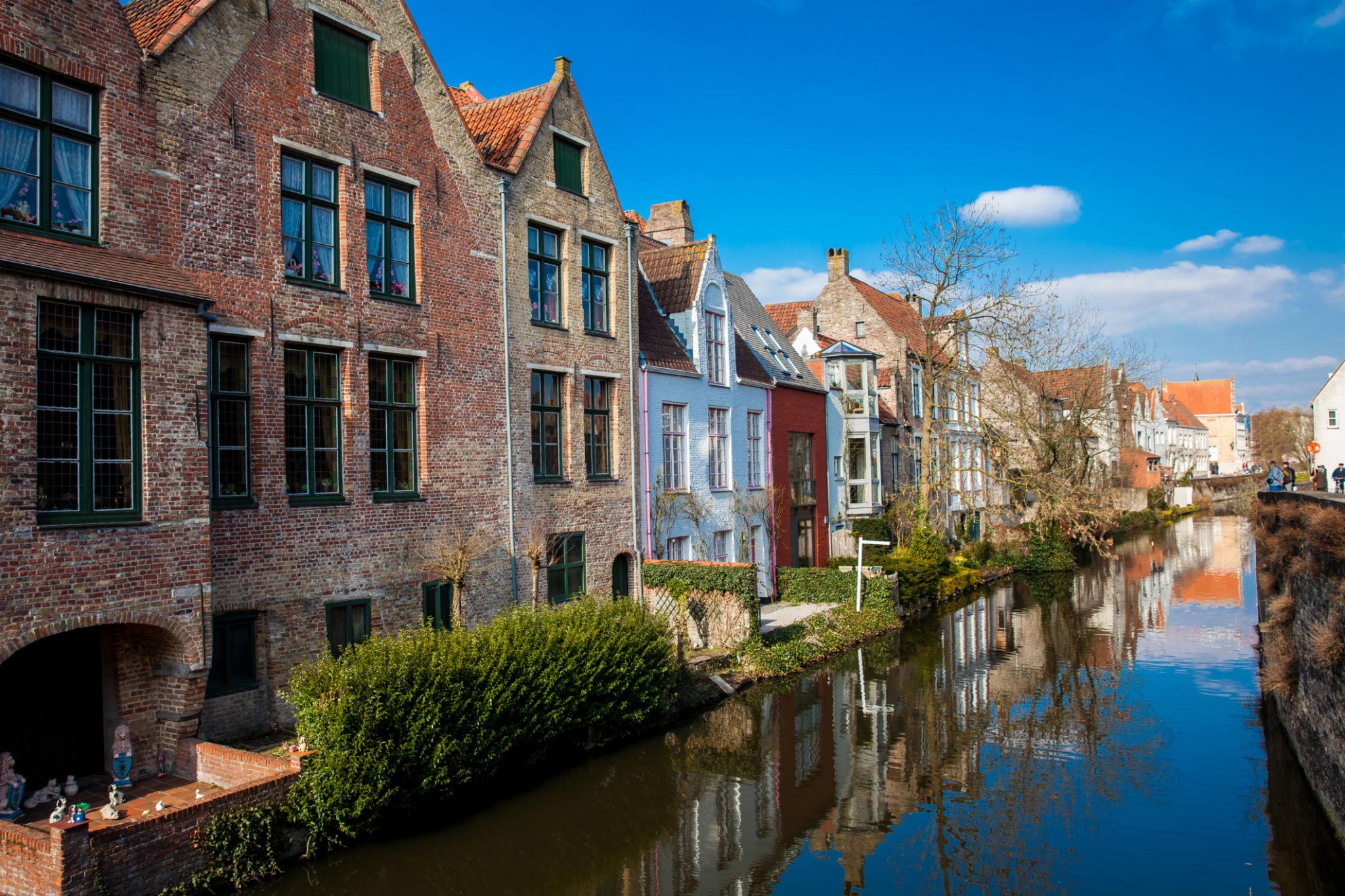
Bruges is a historic canal city in northwest Belgium’s Flanders region, often called the “Venice of the North.” Renowned for its cobblestone lanes, Gothic architecture, and intricate network of waterways, Bruges offers one of Europe’s most remarkably preserved medieval urban landscapes. Its entire city center has been designated a UNESCO World Heritage Site. Bruges rose to prominence between the 13th and 15th centuries as a key trading hub of the Hanseatic League. Its access to the sea through the Zwin waterway enabled vast commercial success and patronage of the arts. Artists such as Jan van Eyck and Hans Memling helped make the city a cradle of the Flemish Primitives. When maritime access declined, Bruges entered a long period of stagnation, which paradoxically helped preserve its medieval core. Romantic revival and careful restoration in the 19th and 20th centuries returned the city to international prominence.
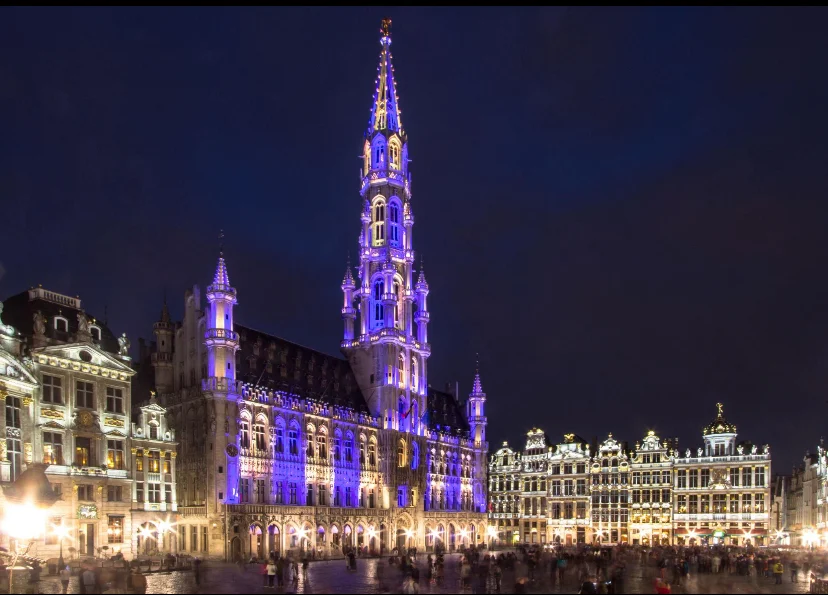
Brussels is the capital and largest city of Belgium, serving as the country’s political and administrative center. It is also the de facto capital of the European Union, hosting key EU institutions such as the European Commission, the European Council, and part of the European Parliament. Brussels began as a small settlement on the banks of the Senne River in the 10th century. It grew into a major trade center during the Middle Ages and was successively ruled by the Burgundians, Habsburgs, and later the French and Dutch. Since Belgium’s independence in 1830, Brussels has been its capital, reflecting a blend of French and Flemish cultural influences. Brussels is officially bilingual, with French and Dutch used in administration and education. However, French is predominant in everyday use. Its multilingual environment and international institutions contribute to a diverse population, with over half of residents born abroad.