
Travel to Bosnia and Herzegovina

 4 photos
Bosnia and Herzegovina is a country located in Southeastern Europe on the Balkan Peninsula. It shares borders with Croatia to the north and west, Serbia to the east, and Montenegro to the southeast. Although it has only a small stretch of coastline along the Adriatic Sea, Bosnia and Herzegovina is known for its mountainous landscapes, rich cultural heritage, and fascinating history. The country covers an area of about 51,200 square kilometers and has a population of approximately 3.2 million people.
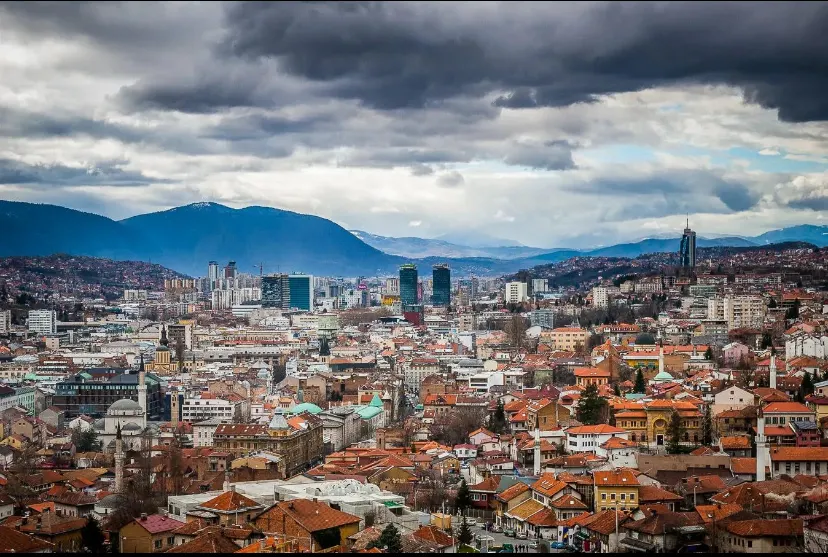
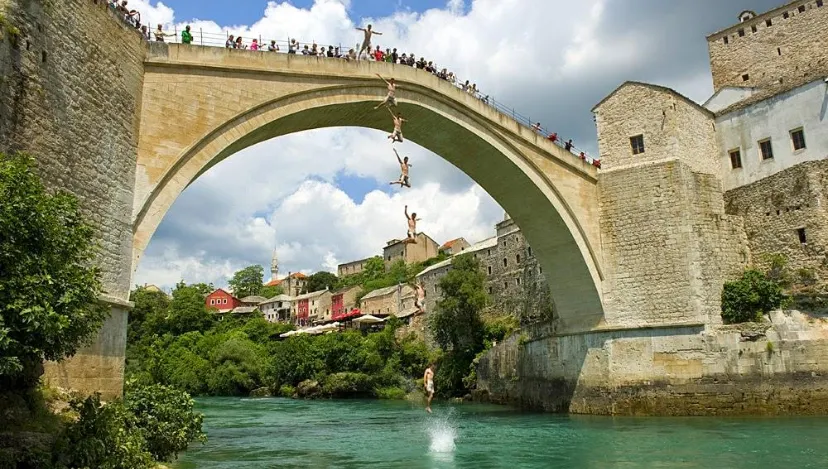
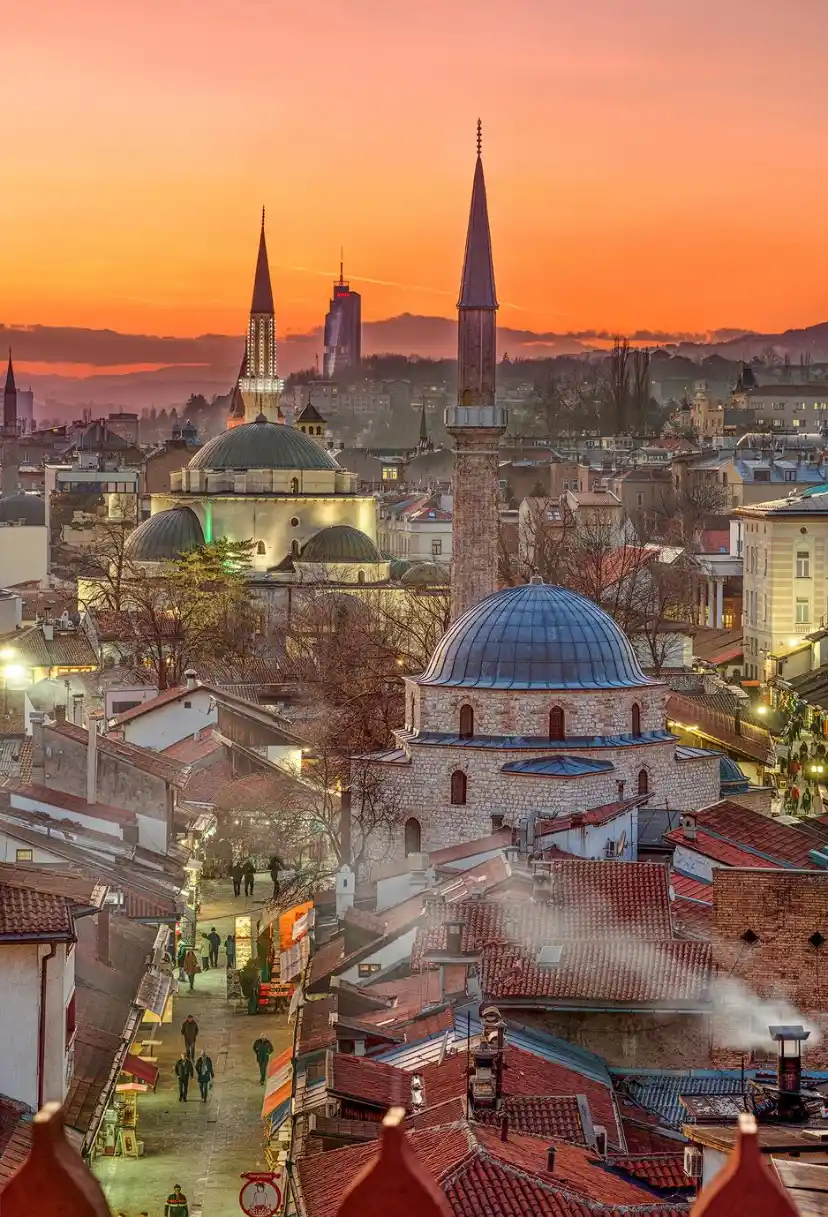
The capital and largest city is Sarajevo. Often called the “Jerusalem of Europe,” Sarajevo is famous for its multicultural atmosphere, where mosques, churches, and synagogues stand close to one another. The city combines Ottoman, Austro-Hungarian, and modern architectural styles, reflecting its diverse past. Other important cities include Mostar, known for its iconic old bridge; Banja Luka, an important administrative and economic center; and Tuzla, which is known for its industrial and cultural significance.
Bosnia and Herzegovina is blessed with stunning natural scenery. Much of the country is covered by mountains, forests, and rivers. The Dinaric Alps run across the country and provide excellent opportunities for hiking, skiing, and outdoor recreation. Rivers such as the Neretva River and the Bosna River are important for transportation, tourism, and hydroelectric power generation.
The country is home to three main ethnic groups: Bosniaks, Serbs, and Croats. The official languages are Bosnian, Serbian, and Croatian, which are very similar and are widely understood across the country. Bosnia and Herzegovina is also religiously diverse, with Islam, Eastern Orthodoxy, and Roman Catholicism being the main religions.
Historically, Bosnia and Herzegovina has been influenced by various empires and civilizations. It was part of the Ottoman Empire from the 15th century until the late 19th century, after which it came under the administration of the Austro-Hungarian Empire. The assassination of Archduke Franz Ferdinand in Sarajevo in 1914 triggered the outbreak of the First World War.
Following the breakup of Yugoslavia in the 1990s, Bosnia and Herzegovina experienced a devastating conflict known as the Bosnian War. The war ended with the Dayton Agreement in 1995, establishing the country’s current political structure.
Today, Bosnia and Herzegovina is rebuilding and developing its economy through industries such as tourism, manufacturing, agriculture, and energy production. Visitors are attracted by its historic cities, scenic mountains, and warm hospitality. With its blend of Eastern and Western influences, rich traditions, and remarkable resilience, Bosnia and Herzegovina remains one of the most unique and culturally diverse countries in Europe.