Travel to Estonia

 4 photos
Estonia is a small country located in Northern Europe along the eastern coast of the Baltic Sea. It is one of the three Baltic states, alongside Latvia and Lithuania. Estonia shares land borders with Latvia to the south and Russia to the east, while the Baltic Sea separates it from Finland to the north and Sweden to the west. Covering an area of about 45,300 square kilometers, Estonia has a population of approximately 1.4 million people, making it one of the least populous countries in Europe.
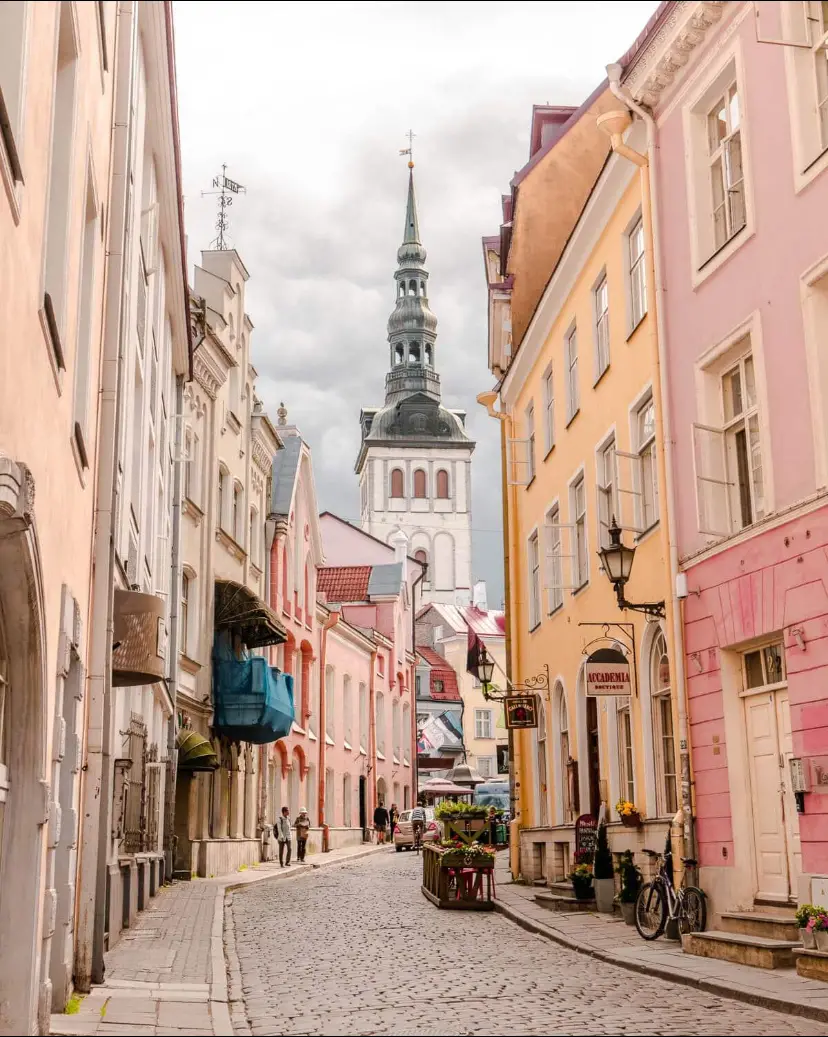
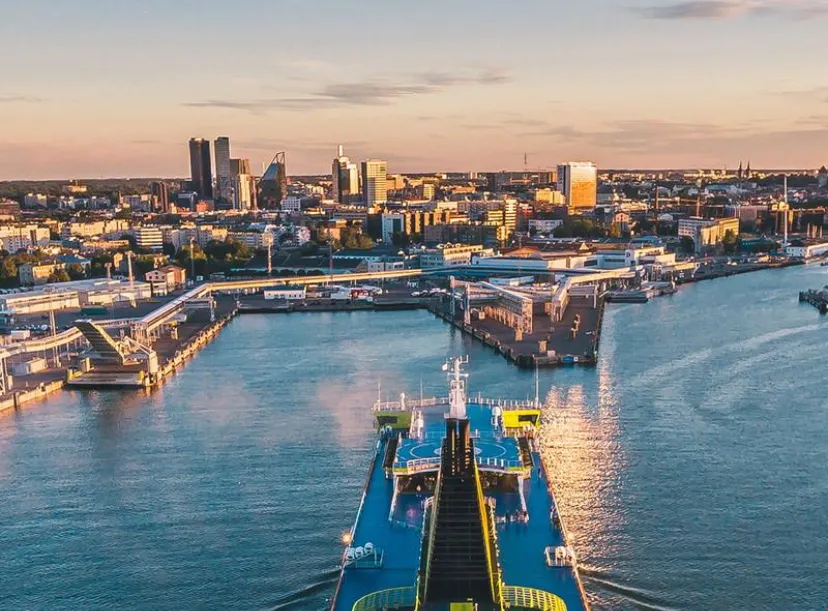
The capital and largest city is Tallinn, situated on the northern coast of the country. Tallinn is famous for its beautifully preserved medieval old town, which is a UNESCO World Heritage Site. The city combines historic charm with modern innovation, featuring cobblestone streets, ancient churches, and a thriving technology sector. Other important cities include Tartu, known as the country’s intellectual and educational center because it is home to the prestigious University of Tartu, and Narva, located near the Russian border.
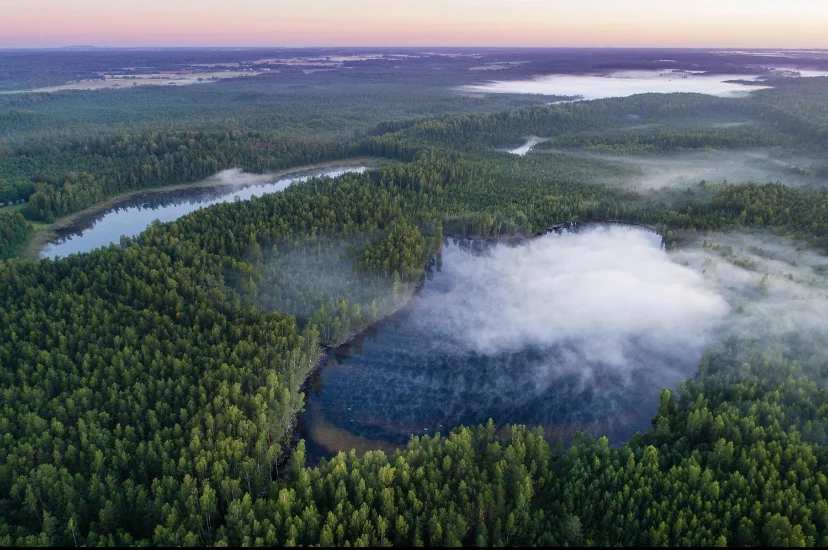
Estonia is known for its natural beauty. Nearly half of the country’s land area is covered by forests, and it has more than 2,000 islands scattered across the Baltic Sea. The landscape features numerous lakes, wetlands, and national parks that support diverse wildlife. Popular outdoor activities include hiking, cycling, birdwatching, and canoeing. Estonia’s relatively untouched natural environment makes it a favorite destination for eco-tourism.
The official language is Estonian, which belongs to the Finno-Ugric language family and is closely related to Finnish. English is widely spoken, especially among younger generations and in urban areas. The country has a rich cultural heritage that includes folk music, dance, festivals, and traditional crafts.
Historically, Estonia has been influenced by many foreign powers. During the Middle Ages, it was ruled by Danish, German, Swedish, and later Russian authorities. In 1918, Estonia declared independence after the First World War. However, during the Second World War, the country was occupied by both Nazi Germany and the Soviet Union. Estonia remained part of the Soviet Union until it regained independence in 1991 following the collapse of the Soviet state.
Since regaining independence, Estonia has undergone rapid economic and social transformation. It is now regarded as one of the world’s most digitally advanced societies. The country pioneered electronic voting, digital government services, and online public administration. Citizens can access many government services electronically, earning Estonia the nickname “e-Estonia.”
Estonia has a modern economy driven by information technology, telecommunications, manufacturing, and services. The country is known for fostering innovation and entrepreneurship, with several successful technology companies originating there. Estonia is also a member of the European Union, the North Atlantic Treaty Organization, and the eurozone.
Today, Estonia is recognized for its efficient governance, strong education system, and commitment to innovation. Despite its small size, it has made a significant impact on the world through technology, digital transformation, and environmental conservation. Its blend of medieval history and modern progress makes Estonia one of Europe’s most fascinating and forward-looking nations.