
Travel to Finland
 4 photos
Finland is a Nordic country located in Northern Europe, known for its vast forests, thousands of lakes, and high quality of life. It shares land borders with Sweden to the west, Norway to the north, and Russia to the east. To the south, it is bordered by the Gulf of Finland, across which lies Estonia. Finland covers an area of about 338,000 square kilometers, making it one of the larger countries in Europe by land area, yet it has a relatively small population of around 5.6 million people.
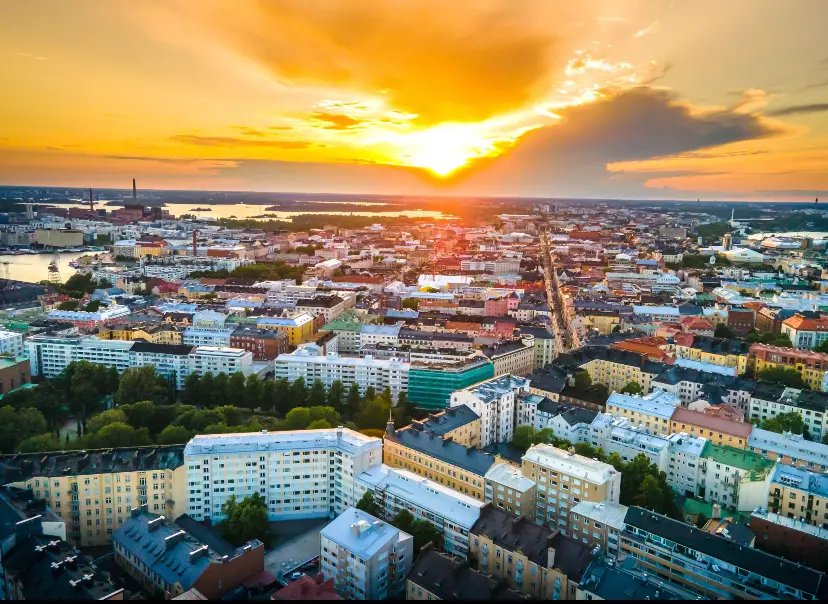
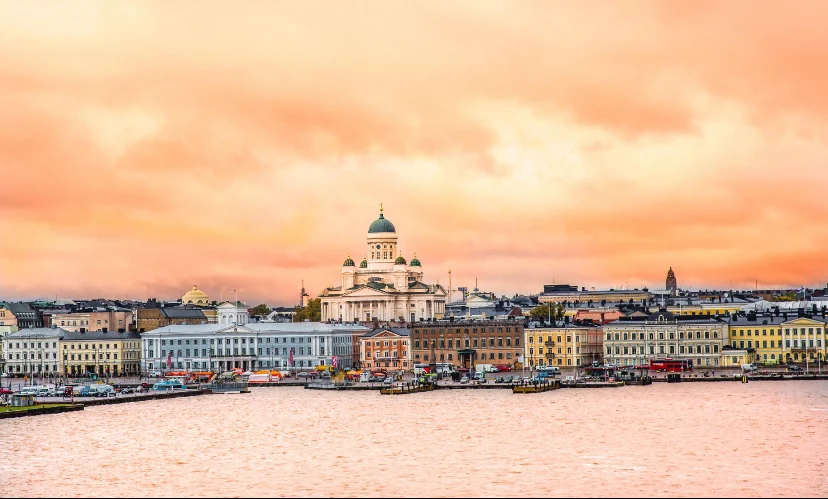
The capital and largest city is Helsinki, located on the southern coast along the Baltic Sea. Helsinki is known for its modern design, seaside architecture, vibrant cultural scene, and efficient public services. It is part of a larger metropolitan area that includes Espoo and Vantaa, forming the country’s main economic hub. Other important cities include Tampere, a major industrial and cultural center located between two large lakes; Turku, the oldest city in Finland and a former capital; and Oulu, known for its technology sector and position as a gateway to northern Finland.
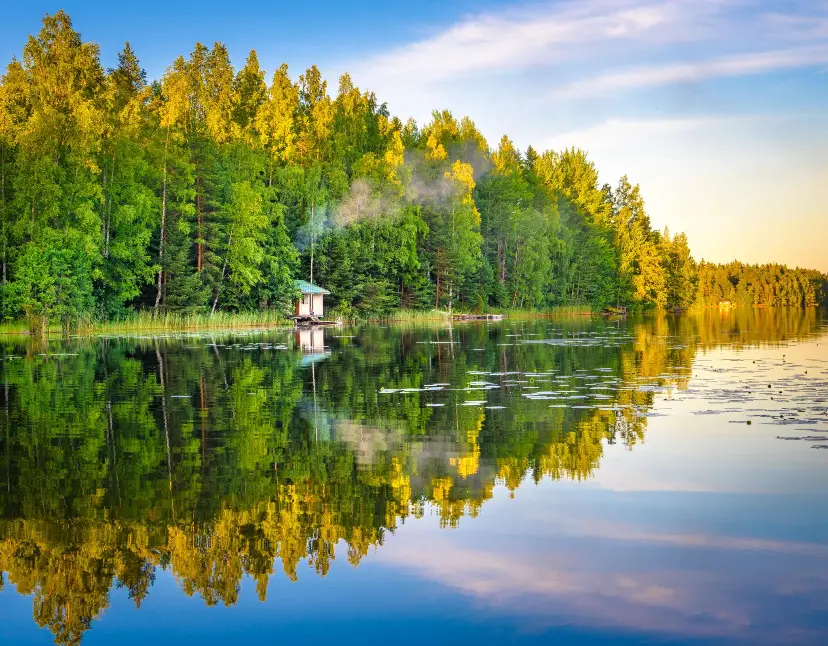
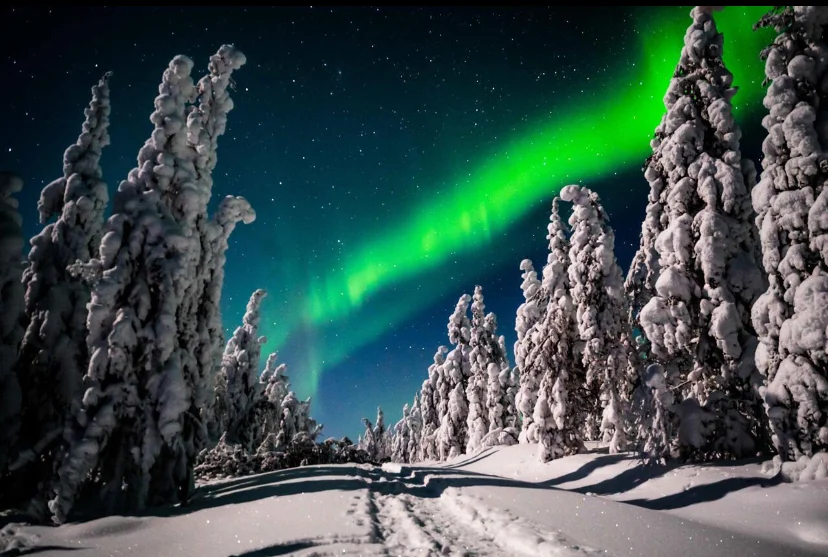
Finland’s natural environment is one of its defining features. The country is often called “the land of a thousand lakes,” although it actually has over 180,000 lakes. Vast forests cover most of the territory, and much of the landscape remains sparsely populated and highly preserved. In the far north lies Lapland, a region famous for its snowy winters, reindeer herding, and the Northern Lights. Finland’s clean air, abundant water resources, and national parks make it a global leader in environmental sustainability.
The official languages are Finnish and Swedish, with Finnish being the majority language and Swedish spoken by a minority, particularly along the coast. English is widely spoken, especially among younger generations. Finnish culture places strong emphasis on equality, education, and connection to nature. One of the most well-known cultural traditions is the sauna, which is an important part of daily life and national identity.
Finland has a rich and complex history. It was part of the Swedish Empire for several centuries, which heavily influenced its legal and cultural systems. In 1809, Finland became an autonomous grand duchy under the Russian Empire. In 1917, following the Russian Revolution, Finland declared independence. The country later fought the Winter War and Continuation War against the Soviet Union during the Second World War, events that shaped its national identity and foreign policy.
Today, Finland is a stable parliamentary republic and is widely recognized for its strong education system, which consistently ranks among the best in the world. The economy is advanced and diversified, with key industries including technology, manufacturing, forestry, and telecommunications. Finland is home to innovative companies and has played a significant role in the development of mobile technology and digital services.
Finland is also known for its high standard of living, low corruption, and strong social welfare system. It is a member of the European Union and, more recently, the North Atlantic Treaty Organization. Its foreign policy emphasizes cooperation, security, and environmental responsibility.
With its combination of pristine nature, advanced society, and strong cultural traditions, Finland is often ranked among the happiest countries in the world. Its balance of modern innovation and deep respect for nature makes it one of the most unique and admired nations in Northern Europe.