
Travel to France


 4 photos
Traveling to France feels like stepping into a place where elegance comes naturally. It’s a country that doesn’t try too hard to impress, it simply does, through its atmosphere, its culture, and the way everyday life is lived. From the streets of Paris to the quiet countryside, there’s a sense of style and rhythm that makes the experience feel both refined and effortless.
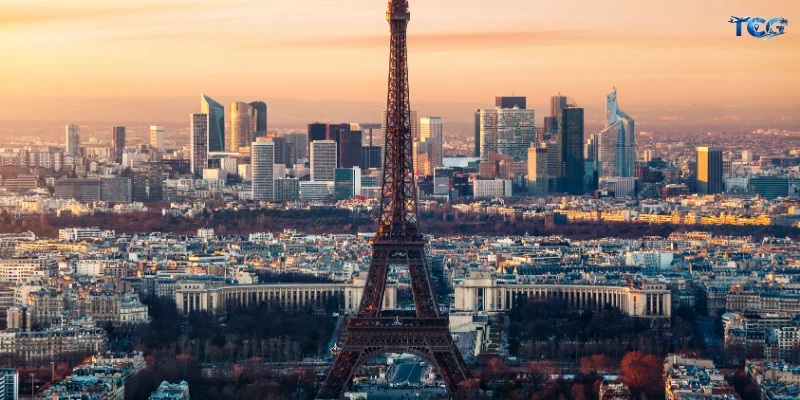
For many travelers, France begins with Paris, a city that carries a global reputation for romance, art, and history. Walking through its streets, you quickly notice how everything feels intentional from the architecture to the cafés and the way people gather and interact. Landmarks like the Eiffel Tower and the Louvre are iconic, but what often stays with visitors are the smaller moments, like sitting at a café, strolling along the Seine, or simply observing the pace of life.
Beyond Paris, France opens up into regions that each offer something different. The French Riviera brings a completely different energy, with its coastline, warm weather, and relaxed lifestyle. Places like Nice and Cannes attract travelers looking for both luxury and leisure, where the sea becomes part of the experience.
In contrast, the countryside offers a slower and more peaceful side of France. Regions like Provence are known for their landscapes, local markets, and quiet charm. It’s a place where time feels less rushed, where you can enjoy simple moments and take in your surroundings without distraction.
France is also deeply connected to its cultural heritage. Museums, historic sites, and architecture are not just preserved but they are part of everyday life. Whether you’re exploring a small village or a major city, there’s always a sense of history present, giving depth to the experience.
Food plays a central role in traveling through France. It’s not just about what you eat, but how you eat. Meals are meant to be enjoyed, not rushed. From fresh pastries in the morning to carefully prepared dishes in the evening, there’s an attention to detail that reflects the country’s appreciation for quality. Each region offers its own specialties, making food an essential part of the journey.
Another part of France’s appeal is how well it balances tradition and modern life. While the country holds on to its heritage, it also offers modern conveniences, efficient transportation, and a high standard of living. Traveling between cities is easy, with trains connecting major destinations smoothly, allowing you to explore different parts of the country without difficulty.
The people in France often come across as reserved at first, but as you spend more time, you begin to notice a deeper appreciation for conversation, culture, and shared experiences. There’s a sense of pride in their way of life, and that reflects in how the country presents itself.
France is also a destination that adapts to different travel styles. It can be romantic, cultural, relaxing, or even adventurous depending on where you go and how you plan your trip. Whether you’re visiting for a short getaway or a longer journey, the country offers a variety of experiences that feel complete and well-rounded.
In many ways, France is not just about the places you visit, but the feeling you carry while you’re there. It encourages you to slow down, to pay attention, and to appreciate the details. It’s a destination that leaves an impression not through intensity, but through consistency, everything simply feels well done.
For travelers looking for a destination that combines beauty, culture, food, and lifestyle in a natural and effortless way, France remains one of the most timeless places to explore.
Hotels in France
 Mont-Saint-Michel
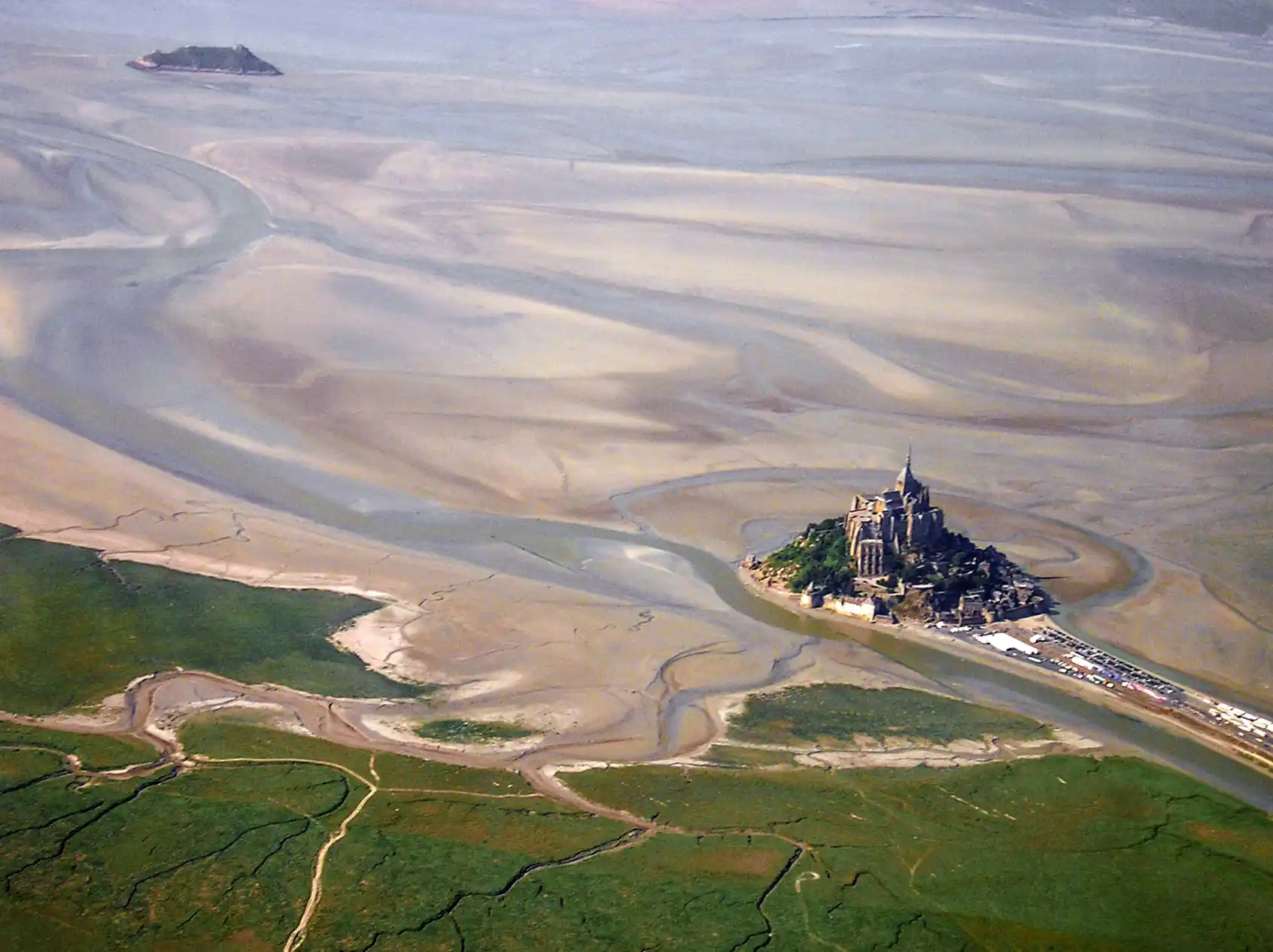
Mont-Saint-Michel is a tidal island commune in Normandy, France, famous for its dramatic medieval abbey rising from the sea. Set in a vast bay with Europe’s highest tides, it has been a place of pilgrimage, military defense, and architectural wonder since the 8th century. Today it is among France’s most visited and photographed sites. According to tradition, Bishop Aubert of Avranches built the first sanctuary on the rocky mount after repeated visions of the Archangel Michael. Benedictine monks established an abbey here in 966, and over centuries Mont-Saint-Michel became a major Christian pilgrimage site nicknamed “the Wonder of the West. Linked to the mainland by a pedestrian bridge since 2014, Mont-Saint-Michel welcomes millions of tourists yearly while maintaining its monastic community. Restoration projects protect its structures and fragile ecosystem under UNESCO oversight. Visitors can walk the medieval lanes, tour the abbey, and observe the bay’s spectacle of tides at dawn or dusk.
 Visit Monaco
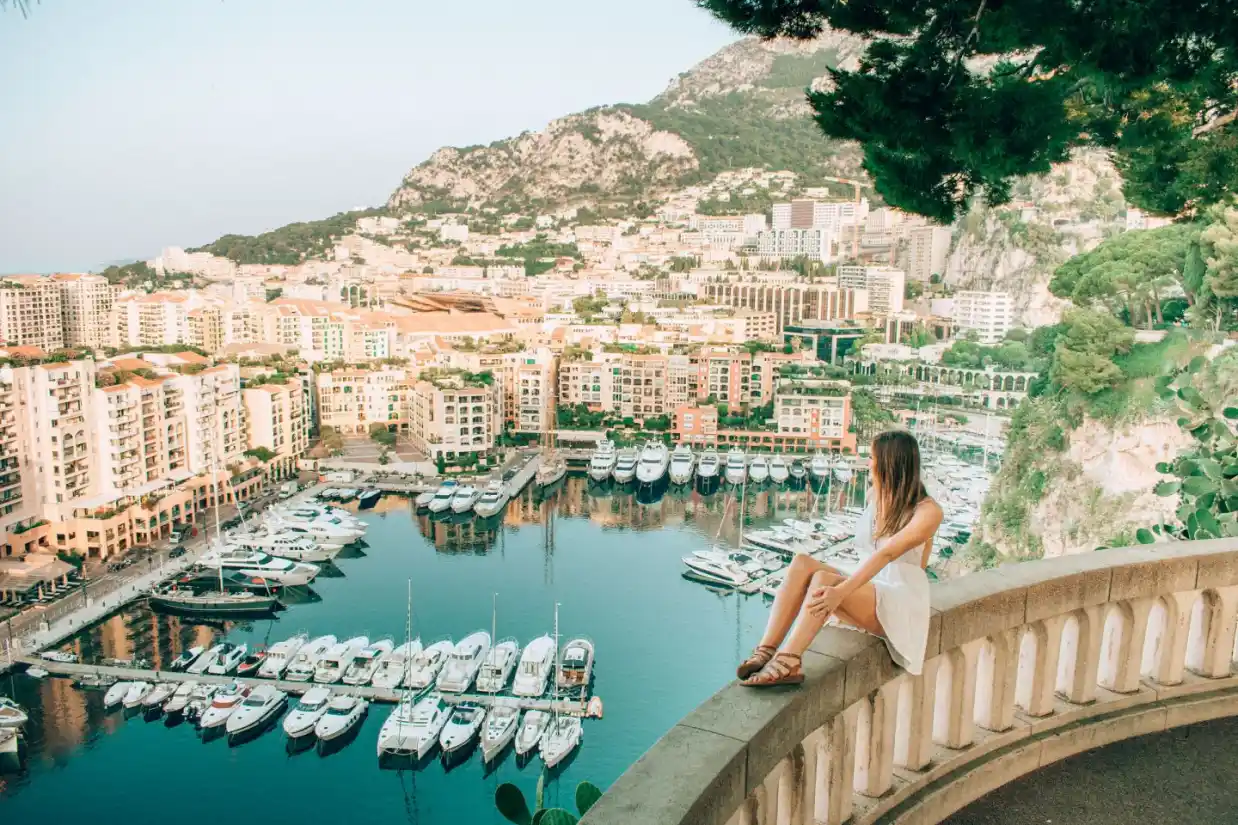
Monaco is a tiny but very luxurious city-state on the French Riviera, famous for yachts, casinos, Formula 1, and stunning sea views. Even though it’s small, you can see a lot in a short time. Despite its glamorous reputation, Monaco is also very safe, orderly, and quiet compared to large cities. It has a Mediterranean climate, mild winters, and sunny summers, which adds to its appeal as a year-round destination. Monaco also has a strong identity tied to events and prestige. The Monaco Grand Prix turns its streets into one of the most famous Formula 1 circuits in the world, and the harbor regularly hosts massive superyachts, especially during summer.
 Palace of Versailles
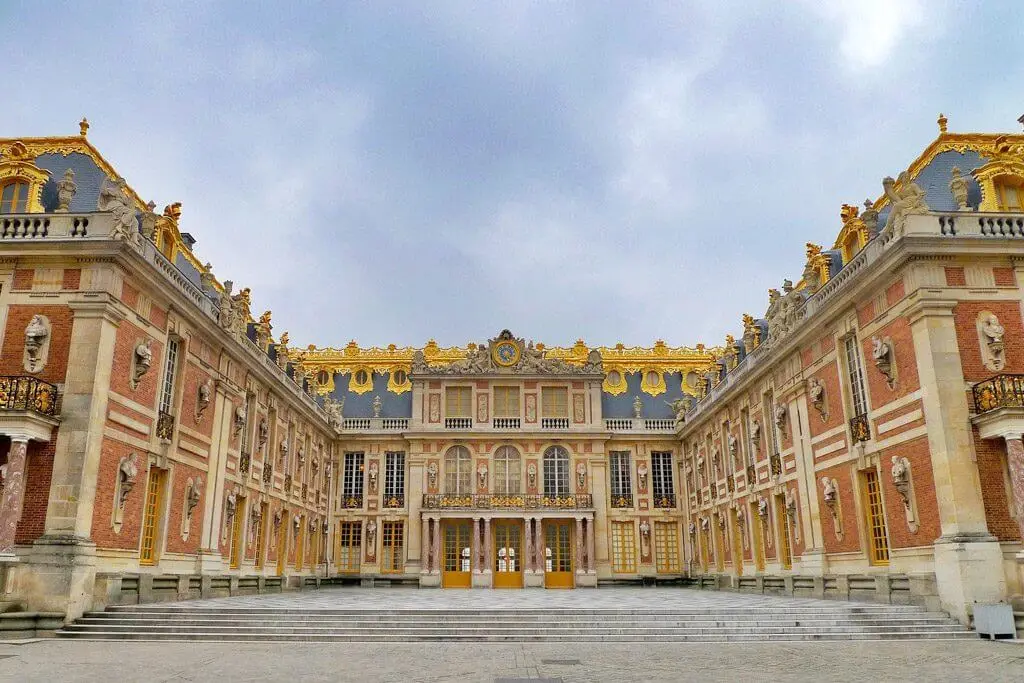
The Palace of Versailles is a grand royal residence and former seat of French political power located in Versailles, France. Built in the 17th century, it exemplifies the height of French classical architecture and court culture under King Louis XIV, symbolizing absolute monarchy and artistic splendor. Originally a modest hunting lodge for King Louis XIII, Versailles was transformed and expanded by his son, Louis XIV, who moved the royal court and government there in 1682. The palace remained the center of political power in France until the French Revolution in 1789, serving as a model for royal courts throughout Europe. Maintained by the French state, the Palace of Versailles undergoes continual restoration to preserve its architecture, artworks, and gardens. It stands as one of France’s most visited cultural landmarks, celebrated for its artistic heritage and historical importance.
 Visit The Iconic Eiffel Tower
The Eiffel Tower is a wrought-iron lattice tower in Paris, France, completed in 1889 as the entrance arch to the Exposition Universelle. Standing on the Champ de Mars beside the Seine River, it is one of the world’s most recognizable landmarks and the most visited paid monument globally. Designed by Gustave Eiffel’s engineering company, the tower was assembled from over 18,000 iron parts and 2.5 million rivets. Initially controversial among artists and intellectuals, it was praised after completion as a marvel of modern engineering and an emblem of French innovation. Construction took just over two years, from 1887 to 1889. The tower has three levels accessible to visitors, featuring restaurants, observation decks, and panoramic views of Paris. Daily illumination by 20,000 lights and special light shows enhance its nighttime appeal. It remains central to French national celebrations such as Bastille Day fireworks.
Visit The Louvre Musuem
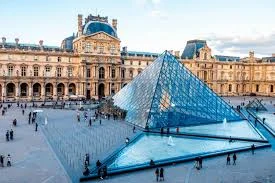
The Louvre Museum (Musée du Louvre) is a world-renowned art museum and historic monument located in Paris, France. Housed in a former royal palace along the Seine River, it is the most visited museum globally and a central landmark of Parisian and global culture. Originally constructed as a fortress in the late 12th century by King Philip II, the Louvre evolved into a royal residence during the Renaissance. After the French Revolution, it became a public museum in 1793. Its iconic glass pyramid entrance, designed by architect I. M. Pei and inaugurated in 1989, symbolizes the museum’s blend of classical and modern design. As both a repository of human heritage and a global cultural icon, the Louvre represents centuries of artistic achievement. It serves as a key symbol of French national identity and a hub for scholarship, conservation, and international art diplomacy. Its collection and architecture attract millions of visitors, solidifying its role as one of the world’s premier cultural destinations.