
Travel to Germany

 4 photos
Traveling to Germany feels like stepping into a place where structure and culture work side by side. It’s a country known for its organization, efficiency, and strong identity, but at the same time, it offers depth, history, and moments of relaxation that make the experience feel complete.
Germany is often seen as practical and modern, but once you begin exploring, you realize there’s much more beneath the surface. Cities, landscapes, and traditions all come together in a way that feels balanced, nothing is rushed, nothing is overly complicated, and everything has its place.
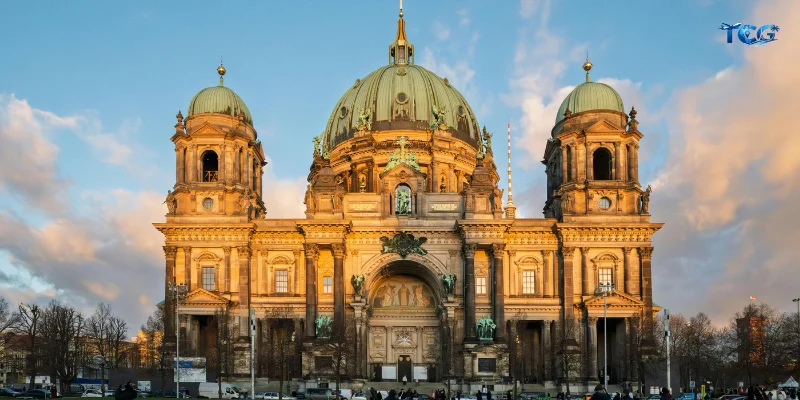
Berlin, the capital, is one of the most interesting starting points. It’s a city shaped by history, but also driven by creativity and change. Walking through Berlin, you’ll notice the contrast between historic landmarks and modern spaces. It’s a place that tells stories through its streets, museums, and architecture, while still feeling alive and evolving.
Munich offers a different experience. It feels more traditional, more rooted in culture and local identity. The city is known for its open squares, classic buildings, and strong connection to Bavarian traditions. It’s also where you begin to see a more relaxed side of Germany, one that values community, food, and shared experiences.
Beyond the cities, Germany opens up into landscapes that are calm, scenic, and easy to enjoy. The countryside is filled with small towns, rolling hills, forests, and rivers that create a peaceful atmosphere. Along the Rhine River, castles sit above vineyards, offering views that feel almost timeless.
One of the most iconic sights in Germany is Neuschwanstein Castle, a place that looks almost unreal when you first see it. Surrounded by mountains and nature, it represents a more romantic side of the country that many travelers don’t initially expect.
Germany is also known for how easy it is to move around. The transportation system is efficient and reliable, making it simple to travel between cities and regions. Trains connect major destinations, allowing you to explore different parts of the country without stress.
Food in Germany is satisfying and straightforward. It’s built around comfort and tradition meals that are filling, familiar, and enjoyable. From local dishes to international cuisine in larger cities, there’s a variety that makes dining easy and accessible.
Another part of the experience is the culture of order and respect. Things tend to run on time, spaces are well-maintained, and there’s a sense of predictability that makes traveling easier. For visitors, this creates a feeling of comfort and reliability.
Germany also offers experiences throughout the year. Seasonal events like Christmas markets bring a completely different atmosphere, while festivals such as Oktoberfest create a lively and social environment. These moments add personality and variety to the overall experience.
For travelers from the United States, Germany is a destination that feels manageable. It’s different enough to be interesting, but structured enough to feel easy to navigate. Whether you’re visiting for history, culture, business, or leisure, the country provides a well-rounded experience.
Germany is also flexible in how it can be experienced. You can focus on cities, explore nature, dive into history, or simply enjoy the lifestyle and pace. It adapts to what you’re looking for without feeling overwhelming.
In many ways, Germany offers a kind of travel that feels steady and dependable, yet still engaging. It doesn’t rely on extremes to impress — instead, it delivers consistency, depth, and a sense of place that stays with you.
For travelers looking for a destination that combines history, structure, culture, and scenic beauty, Germany remains one of the most reliable and rewarding places to explore.
Hotels in Germany
 Ski At The Zugapitze
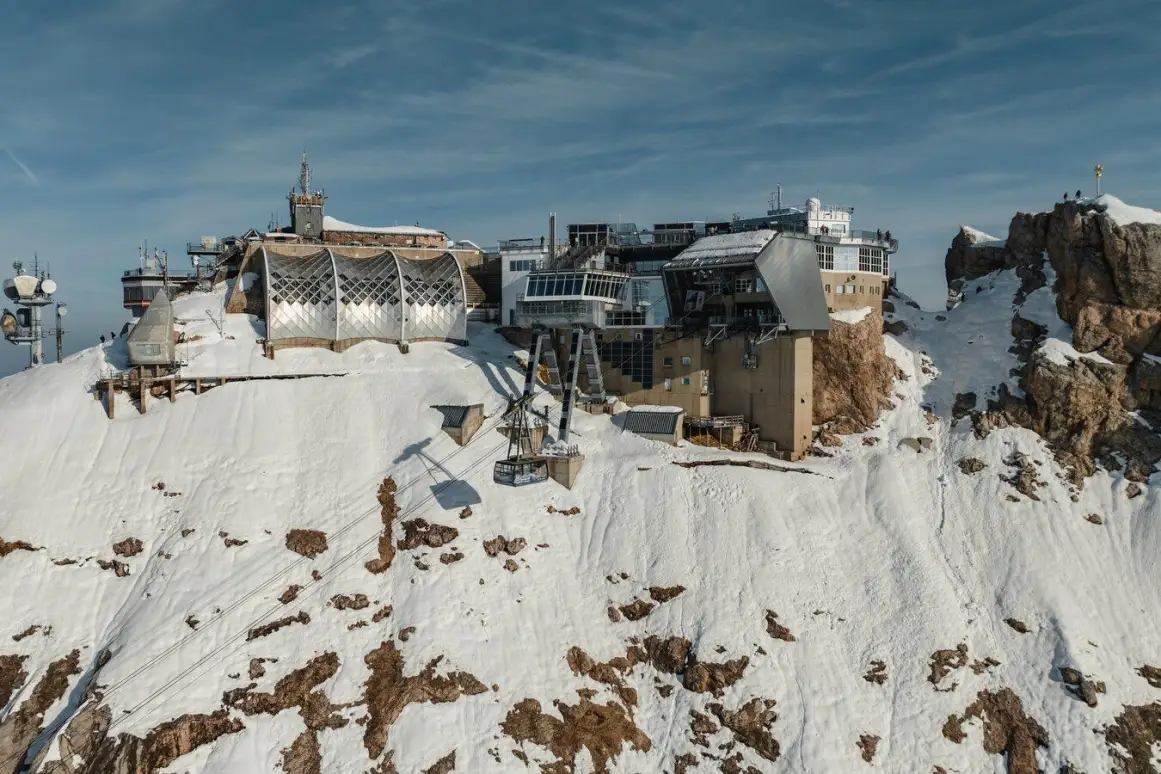
Zugspitze is the highest mountain in Germany, reaching 2,962 meters (9,718 feet) above sea level in the Bavarian Alps near the border with Austria. It is a major destination for skiing, mountaineering, and panoramic sightseeing, offering views of more than 400 Alpine peaks across several countries. Visitors can reach the summit by several routes. The cogwheel Zugspitzbahn ascends from Garmisch-Partenkirchen to the Zugspitzplatt plateau, where a cable car connects to the summit. The Eibsee Cable Car (Seilbahn Zugspitze), rebuilt in 2017, offers a direct ascent with dramatic views over Lake Eibsee and the Alps. Zugspitze is one of Germany’s most popular year-round tourist destinations. In winter, it hosts the country’s highest ski resort, while in summer it attracts hikers, climbers, and sightseers. The summit area includes observation terraces, restaurants, and a border-crossing point between Germany and Austria.
 Visit The Cologne Catherdral
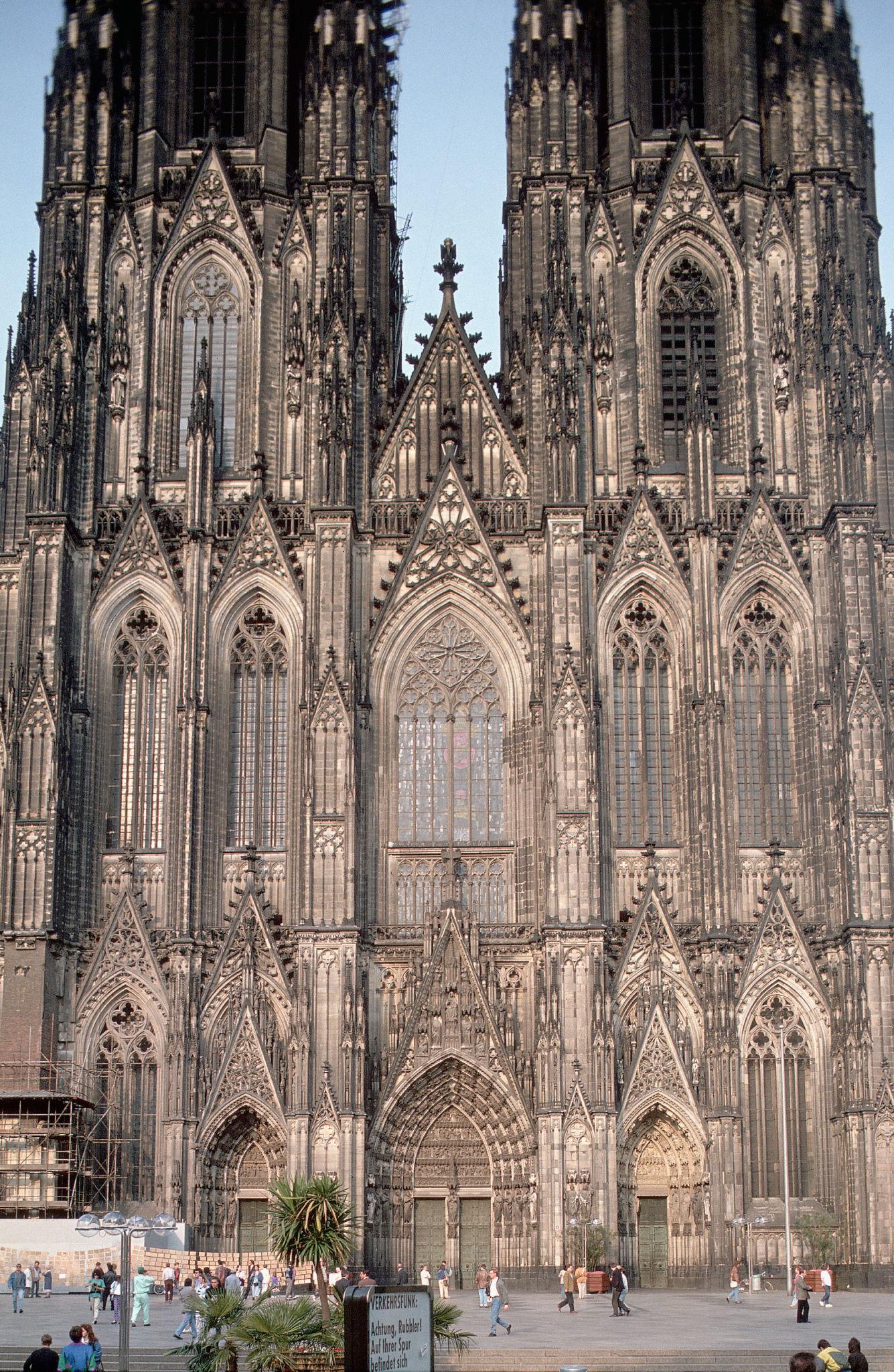
Cologne Cathedral (German: Kölner Dom, officially the High Cathedral of Saint Peter) is a monumental Gothic church in Cologne, Germany. With twin spires rising 157 meters, it dominates the Rhine skyline and stands as one of Europe’s largest and most visited cathedrals, a symbol of both faith and resilience. Designated a UNESCO World Heritage Site in 1996, it attracts more than six million visitors annually. Serving as seat of the Archbishop of Cologne, the cathedral remains an active Catholic church hosting daily Masses, pilgrimages, and concerts by the renowned Kölner Domchor. It embodies both Cologne’s Christian heritage and its civic identity; its image is the city’s emblem and a central site for events such as the Cologne Carnival. Continuous restoration by the cathedral’s Dombauhütte maintains its intricate sandstone façade against pollution and weathering. The building is open daily (generally 6 a.m.–8 p.m.); visitors may climb 533 steps to a 100-meter viewing platform overlooking the Rhine. Entry is free, with optional tickets for the tower and treasury.
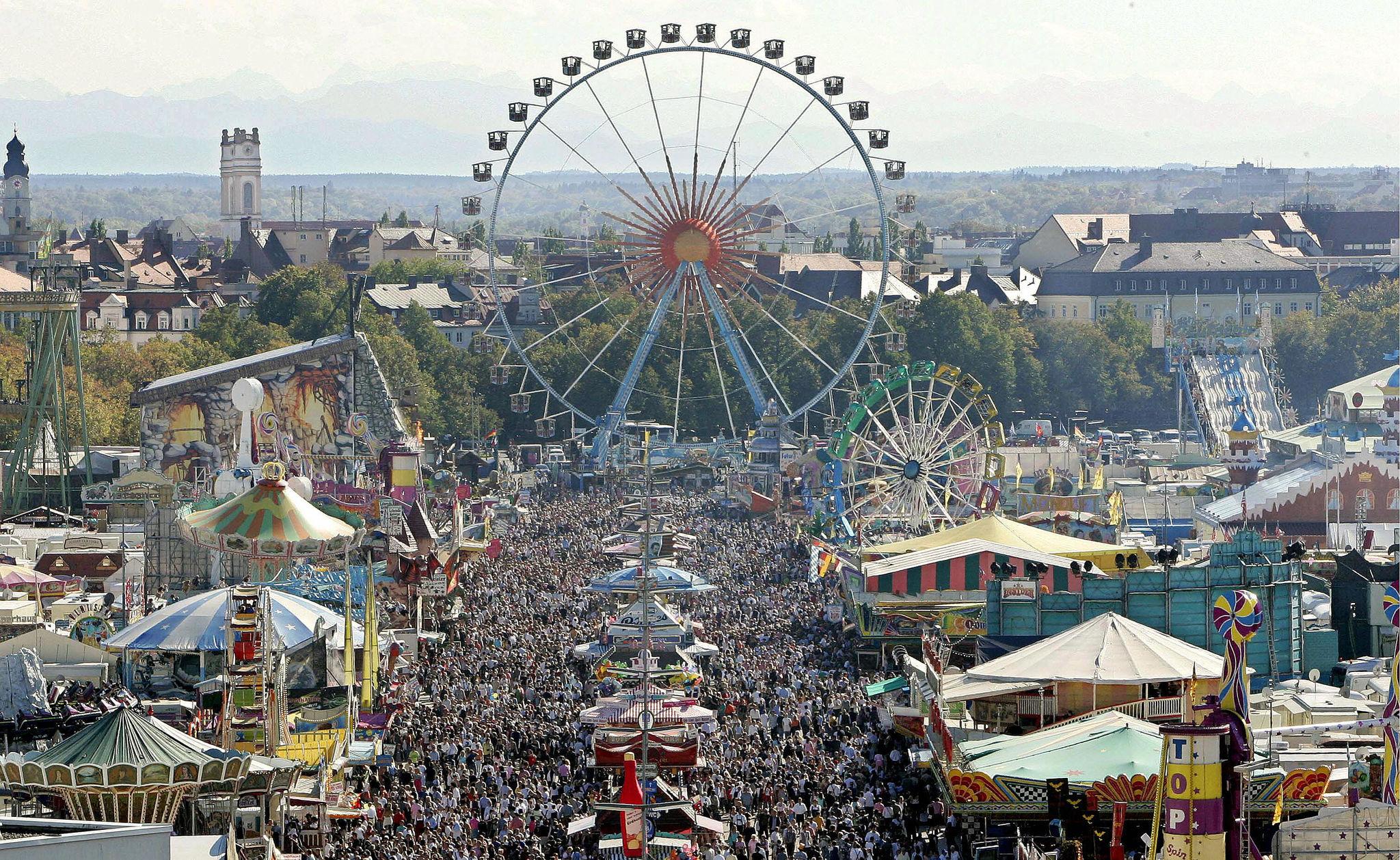 Oktoberfest
Oktoberfest is a world-famous beer festival and folk celebration held annually in Munich, Germany. Originating in the early 19th century, it has become the largest Volksfest (beer and folk festival) in the world, attracting millions of visitors for its traditional Bavarian culture, music, cuisine, and beer tents. Oktoberfest began in 1810 as a public celebration of the marriage between Crown Prince Ludwig (later King Ludwig I) and Princess Therese of Saxe-Hildburghausen. The festivities were so successful that Munich decided to repeat them annually. The event evolved from horse races into a broader folk festival featuring beer tents and traditional Bavarian entertainment. Oktoberfest showcases Bavarian heritage through dirndl and lederhosen attire, brass bands, and folk dances. The festival begins with a ceremonial parade and the mayor’s symbolic tapping of the first beer keg, declaring “O’zapft is!” (“It’s tapped!”). Parades, rides, and family days balance the beer-centric celebrations. Oktoberfest has inspired numerous imitations worldwide, from Cincinnati to Tokyo. These events replicate elements of Munich’s celebration, promoting German beer culture internationally while adapting to local customs. Despite its global reach, the Munich Oktoberfest remains the authentic and largest version, symbolizing Bavarian hospitality and festivity.
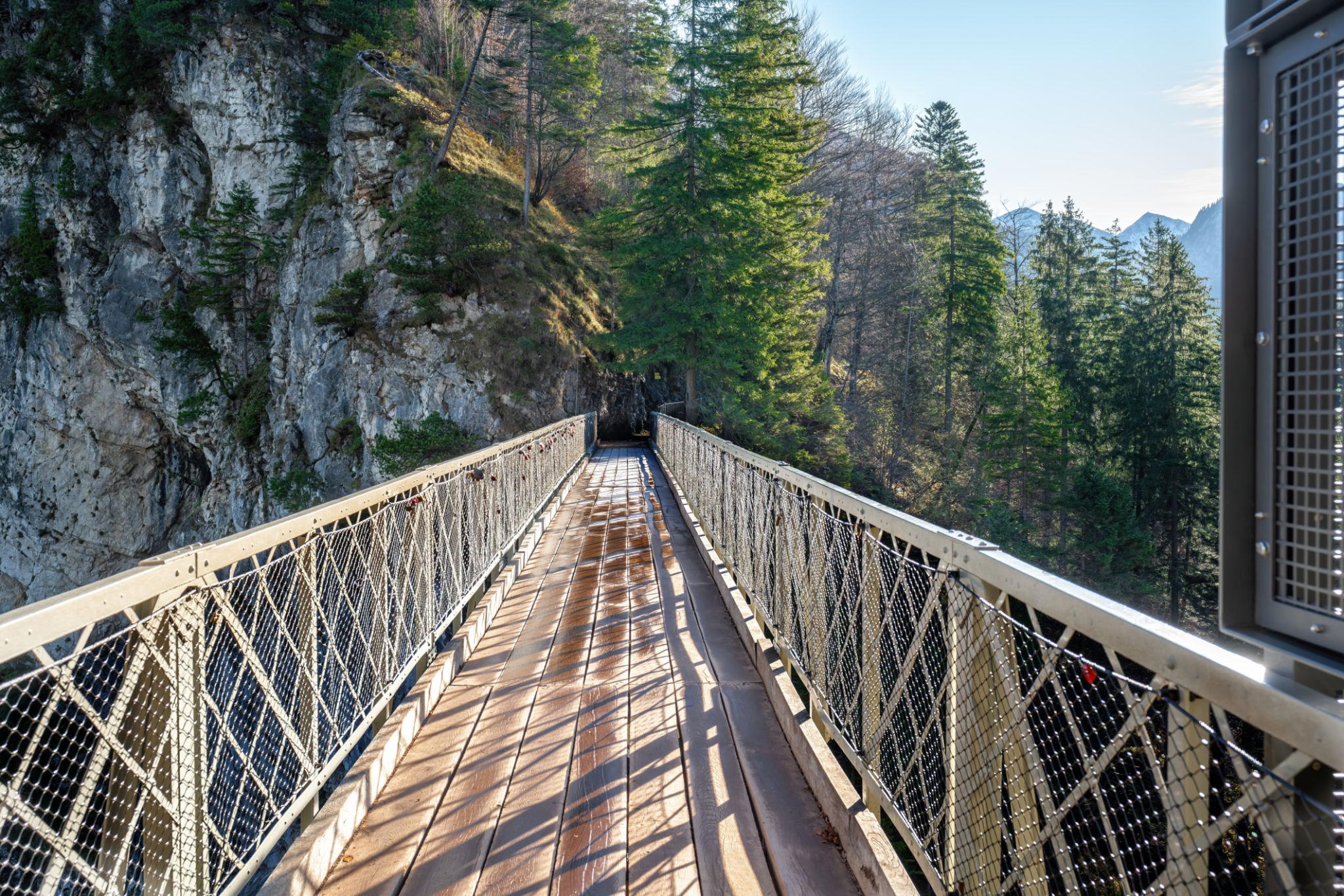 The famous Neuschwanstein Castle
Neuschwanstein Castle is a 19th-century hilltop palace in Bavaria, Germany, commissioned by King Ludwig II as a private retreat and homage to composer Richard Wagner. Rising above the village of Hohenschwangau near Füssen, it exemplifies romantic historicism and is among the most photographed landmarks in the world. Its fairy-tale silhouette inspired The Walt Disney Company’s Cinderella Castle. Neuschwanstein lies about 120 km southwest of Munich. Visitors reach it via train to Füssen and local bus 73 or 78 to Hohenschwangau. The steep final approach (30–40 min walk) can be replaced by a shuttle bus or carriage. The most iconic panorama is from Marienbrücke (Mary’s Bridge) spanning the Pöllat Gorge. Alternative vistas include trails beyond the bridge, Tegelberg Mountain (cable-car summit), and lake reflections at Alpsee or Schwansee. Neuschwanstein epitomizes 19th-century Romantic nationalism and the late monarch’s pursuit of artistic escapism. Its image, reproduced in films, advertising, and Disney Parks, symbolizes idealized medieval Europe. Despite its tragic origin, the castle remains a central icon of Bavarian identity and one of Germany’s leading tourist destinations.
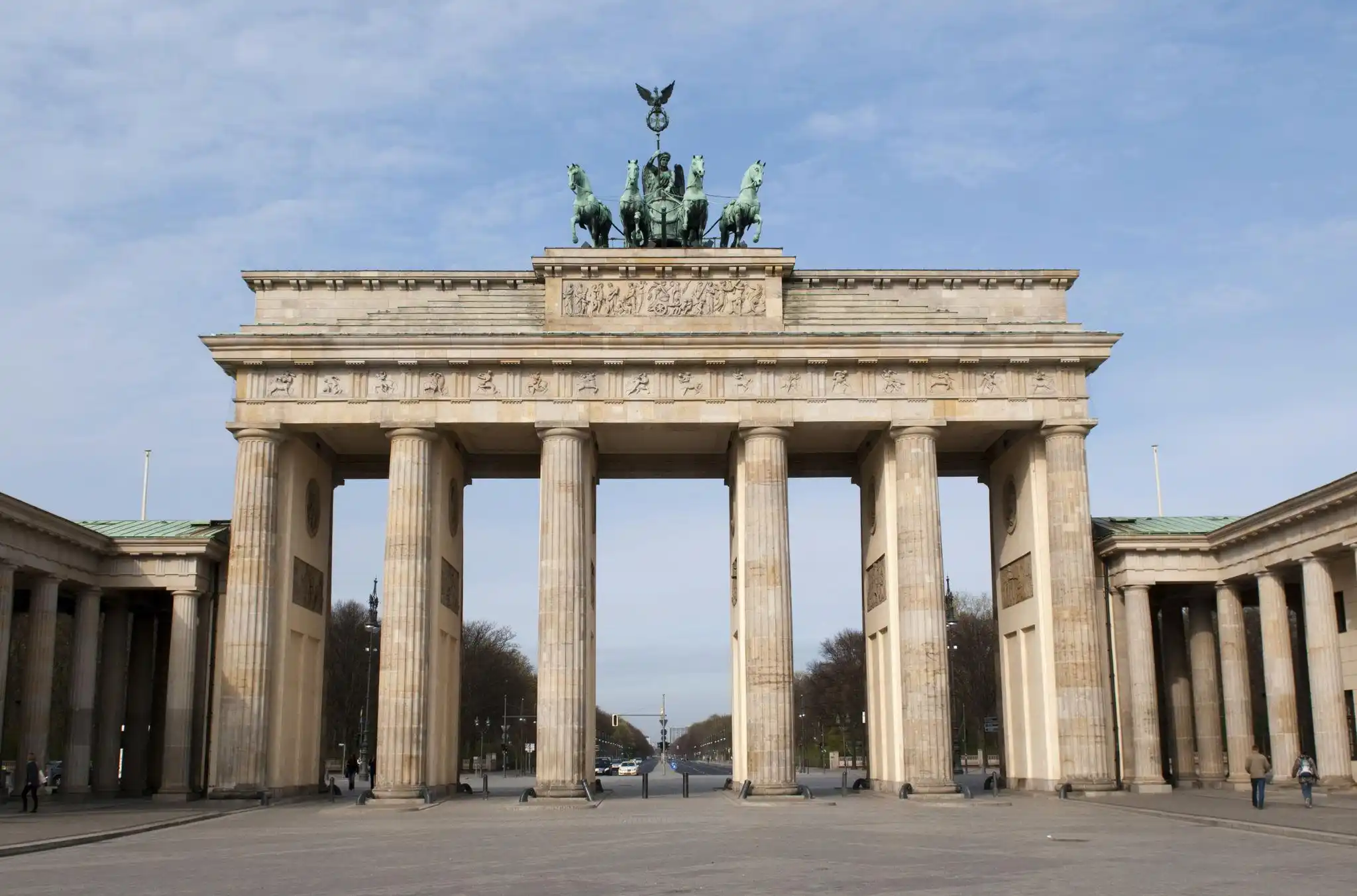 Visit The Brandeburg Gate
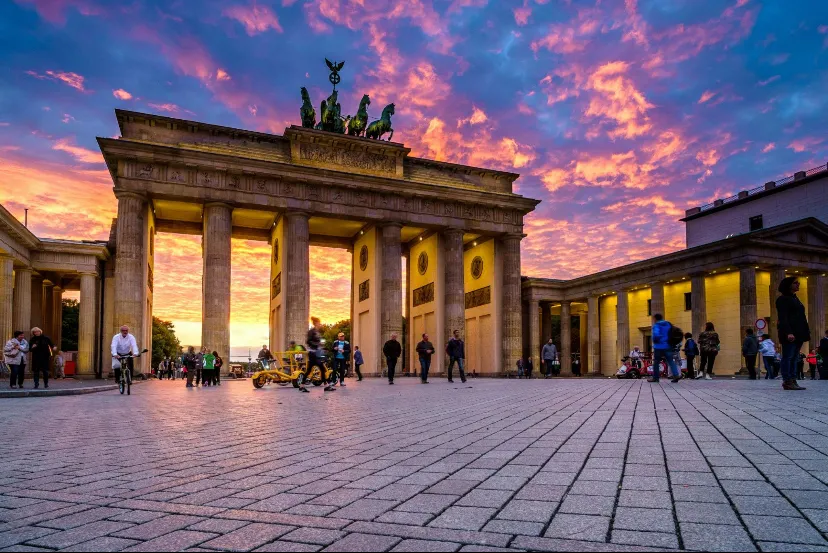
The Brandenburg Gate (German: Brandenburger Tor) is a neoclassical triumphal arch in Berlin, Germany. Built in the late 18th century, it is the city’s most famous monument and a potent symbol of both Germany’s turbulent history and its reunification after the Berlin Wall fell. In 1793, sculptor Johann Gottfried Schadow added the Quadriga, a bronze chariot drawn by four horses and driven by Victoria, goddess of victory. Napoleon Bonaparte seized the statue as a war trophy in 1806, taking it to Paris; it was triumphantly returned in 1814 after his defeat, becoming a national symbol of resilience. The Quadriga was destroyed during World War II and later recast in 1958 from surviving molds. Restored in 2002, the Brandenburg Gate anchors Pariser Platz and is flanked by embassies and the historic Hotel Adlon Kempinski Berlin. It hosts major events such as Berlin’s New Year’s Eve celebrations and the Berlin Marathon finish line. Open around the clock and free to visit, the monument continues to embody Berlin’s motto: “Unity through diversity.”