
Travel to Hungary

 4 photos
Hungary is a landlocked country located in Central Europe in the Carpathian Basin. It shares borders with Austria to the west, Slovakia to the north, Ukraine to the northeast, Romania to the east, Serbia to the south, Croatia and Slovenia to the southwest. Covering about 93,000 square kilometers, Hungary has a population of roughly 9.6 million people. It is known for its rich history, unique language, thermal baths, and architectural beauty.
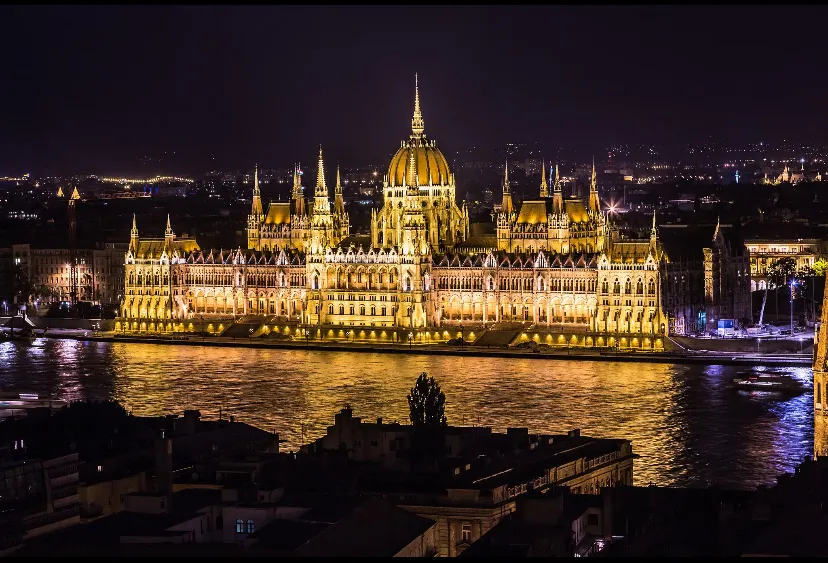
The capital and largest city is Budapest, which is divided by the River Danube into two parts: Buda and Pest. Buda is known for its hills and historic castle district, while Pest is the flat, bustling center of government, business, and culture. Budapest is famous for landmarks such as the Hungarian Parliament Building, Buda Castle, and the Chain Bridge, making it one of Europe’s most visually striking capitals.
Other important cities include Debrecen, a major cultural and educational hub; Szeged, known for its sunshine and universities; and Miskolc, an industrial and regional center.
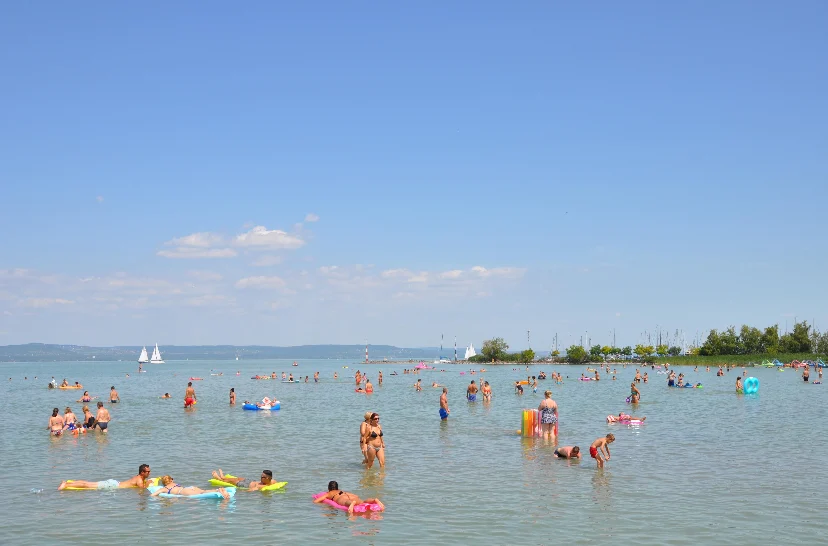
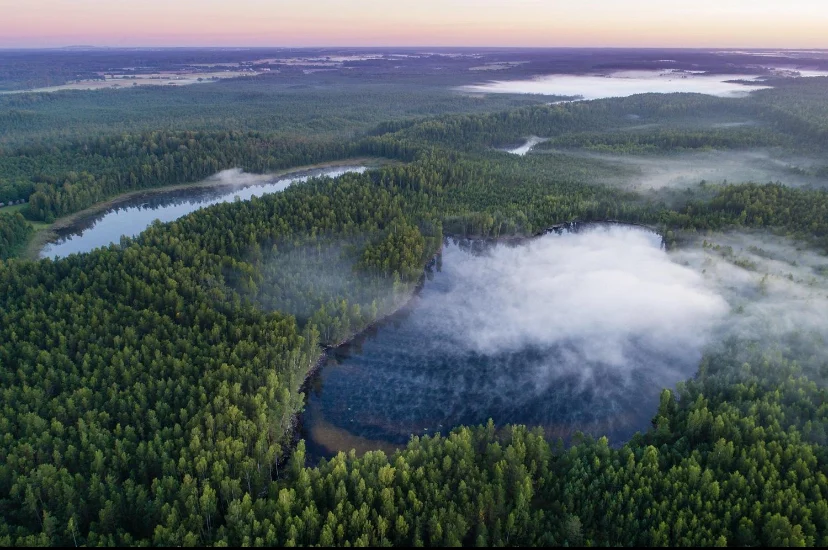
Hungary’s landscape is mostly flat plains, especially in the Great Hungarian Plain, known as the Alföld. The country also features rolling hills, rivers, and lakes. One of its most famous natural attractions is Lake Balaton, a popular summer destination for swimming, sailing, and tourism. Hungary also has numerous thermal springs, which have made it famous for spa culture since Roman times.
The official language is Hungarian, or Magyar, which is part of the Finno-Ugric language family and is unrelated to most neighboring languages. This makes it unique in Europe. Most Hungarians also speak English or German as second languages. The country has a strong cultural identity shaped by centuries of history and tradition.
Hungary has a long and complex history. It was founded in 1000 AD when King Stephen I of Hungary established the Christian Kingdom of Hungary. The country later became part of the Ottoman Empire in the 16th and 17th centuries in many regions, followed by integration into the Austro-Hungarian Empire.
After the First World War, the Treaty of Trianon significantly reduced Hungary’s territory, shaping its modern borders and national identity. Following the Second World War, Hungary became a socialist state under Soviet influence as part of the Eastern Bloc. In 1956, the country experienced the Hungarian Revolution of 1956, which was eventually suppressed. In 1989, Hungary peacefully transitioned to democracy after the fall of communism.
Today, Hungary has a mixed economy based on manufacturing, automotive production, agriculture, tourism, and services. It is home to several international companies and is an important manufacturing hub in Europe. Tourism also plays a major role, with visitors attracted to Budapest’s architecture, historic towns, and thermal baths.
Hungary is a member of the European Union and the North Atlantic Treaty Organization. With its blend of historical depth, cultural richness, and modern development, Hungary remains one of the most distinctive countries in Central Europe.