
Travel to Iceland

 3 photos
Iceland is a Nordic island nation in the North Atlantic Ocean, located between Greenland and Norway. Known as the “Land of Fire and Ice,” it is distinguished by its glaciers, volcanoes, geysers, and geothermal springs. Despite its Arctic latitude, the Gulf Stream gives it a surprisingly temperate climate and supports its high living standards and tourism-based economy. Iceland covers roughly 103,000 square kilometers, with glaciers and cooled lava each occupying about one-tenth of its surface. Situated on the Mid-Atlantic Ridge, it hosts around 200 volcanoes and frequent earthquakes, including the active Hekla and Eyjafjallajökull systems. Vast geothermal and hydroelectric resources make Iceland nearly energy-independent, fueling both homes and heavy industry.
Hotels in Iceland
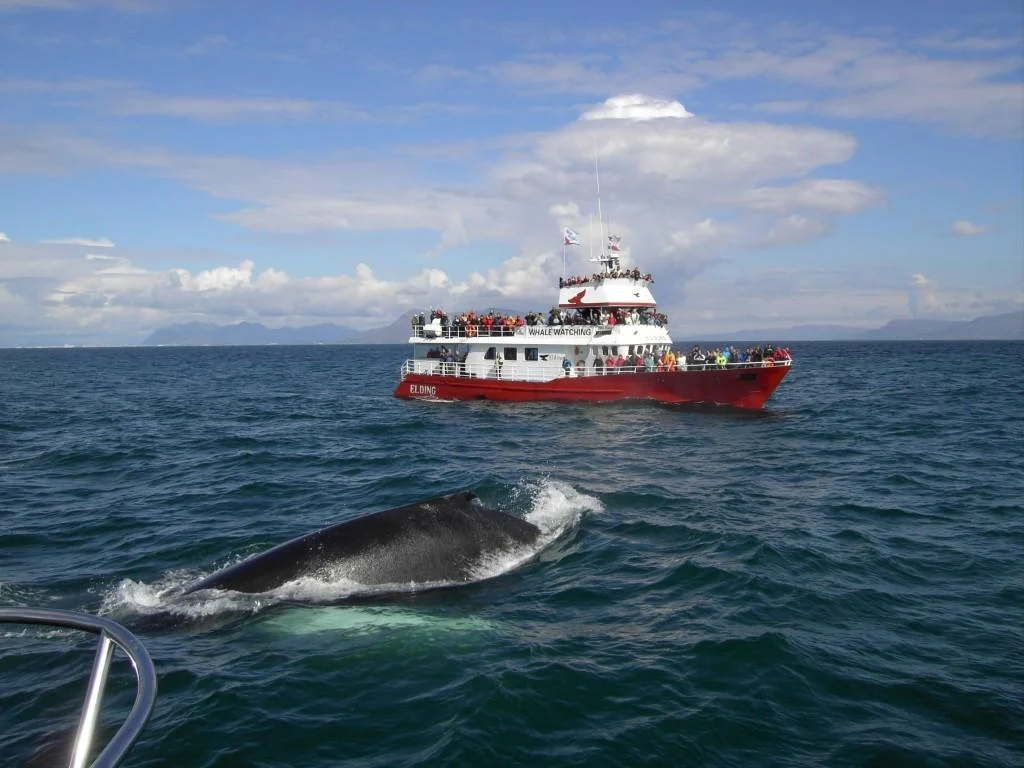 Go whale watching from Husavík
Husavík is a coastal town in northern Iceland, situated on the eastern shore of Skjálfandi Bay. Known as Iceland’s “whale-watching capital,” it serves as a major center for marine tourism, culture, and regional commerce in the Norðurland eystra region. Húsavík lies at the mouth of the river Búðará and overlooks Skjálfandi Bay, an area rich in marine life. The surrounding landscape includes mountains, geothermal fields, and access to major natural attractions such as the Diamond Circle route, including Ásbyrgi canyon and Dettifoss waterfall.
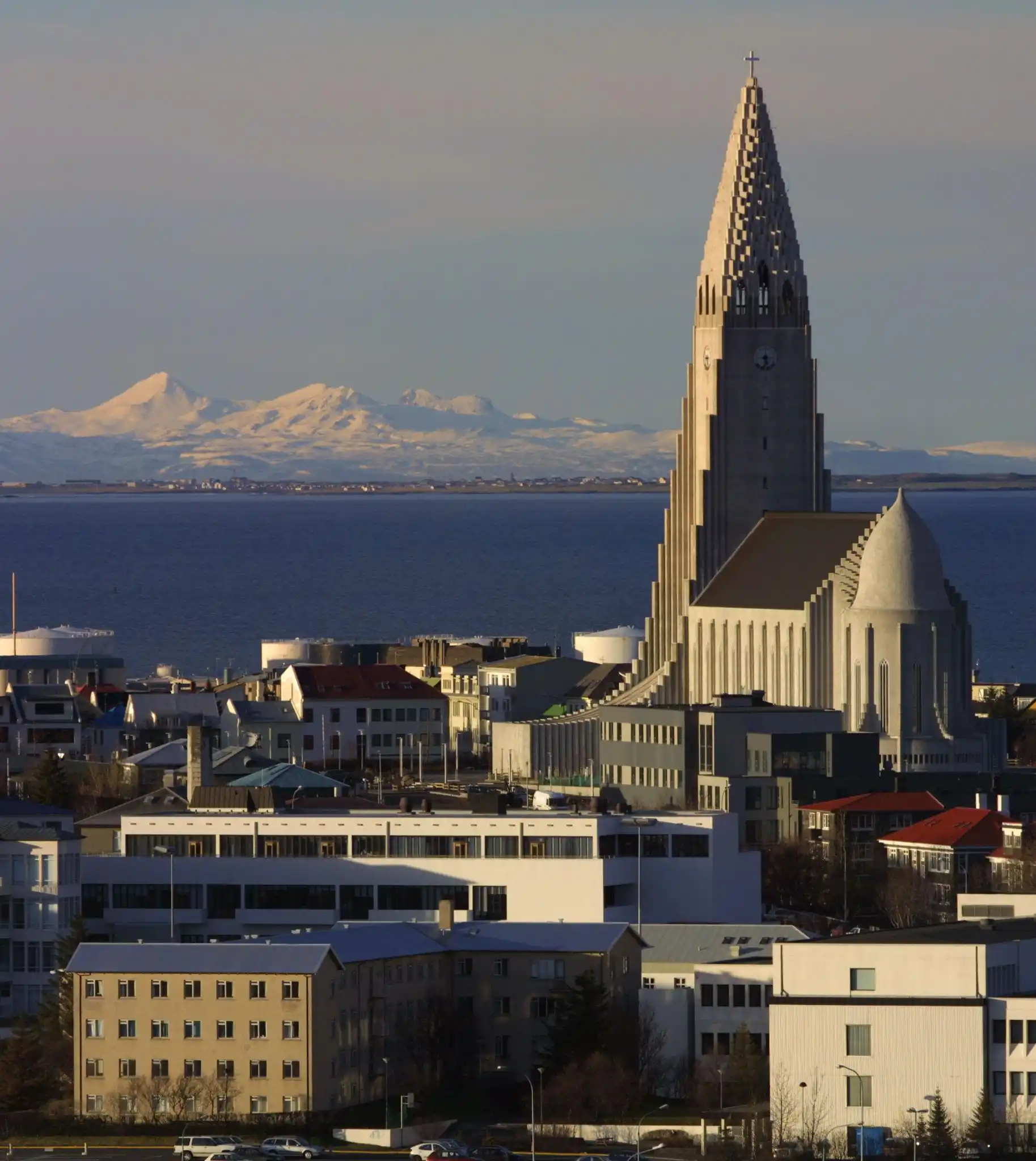 See Hallgrímskirkja
Hallgrímskirkja is a Lutheran parish church in Reykjavík, Iceland, and one of the country's most recognizable landmarks. Completed in 1986, it dominates the capital’s skyline with its striking Expressionist architecture inspired by Iceland’s basalt lava flows. The church serves both as a place of worship and a major tourist attraction. Hallgrímskirkja was designed by state architect Guðjón Samúelsson, who sought to echo the forms of Icelandic nature, particularly basalt columns and mountain landscapes. Its stepped concrete façade rises in a tapering tower, culminating in a cross visible across Reykjavík. The interior is minimalist, featuring a large pipe organ with over 5,000 pipes, built by German organ builder Johannes Klais Orgelbau.
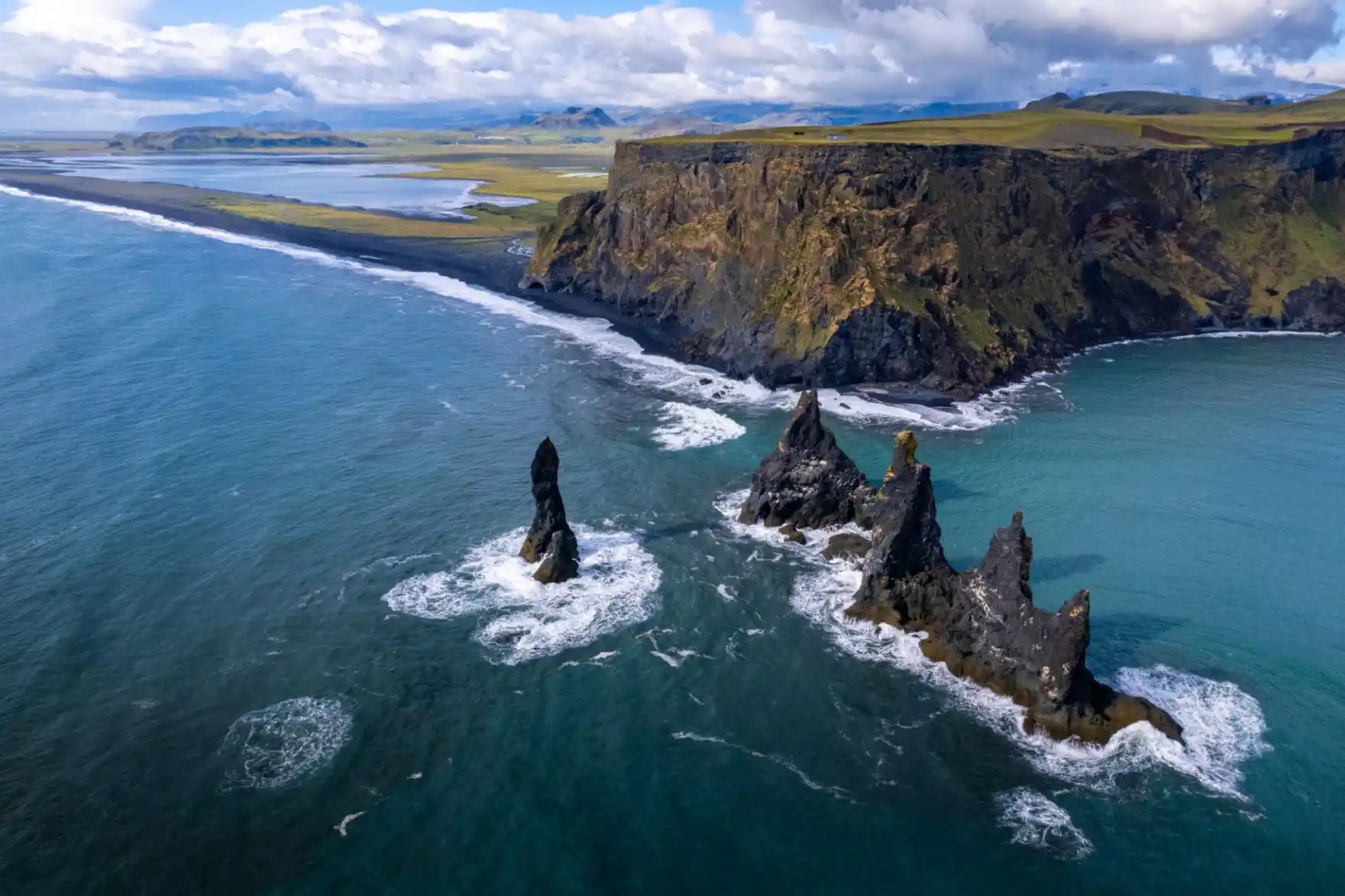 Reynisfjara
Reynisfjara is a dramatic black sand beach located on Iceland’s southern coast near the village of Vík í Mýrdal. Known for its striking basalt columns, powerful Atlantic waves, and unique volcanic sand, it is one of the country’s most photographed natural attractions. Reynisfjara’s beauty is matched by its hazards. The North Atlantic surf produces unpredictable “sneaker waves” that can surge far up the shore, making it one of Iceland’s most dangerous beaches. Visitors are strongly advised to stay well back from the waterline and heed warning signs at all times.
 Jökulsárlón Glacier Lagoon
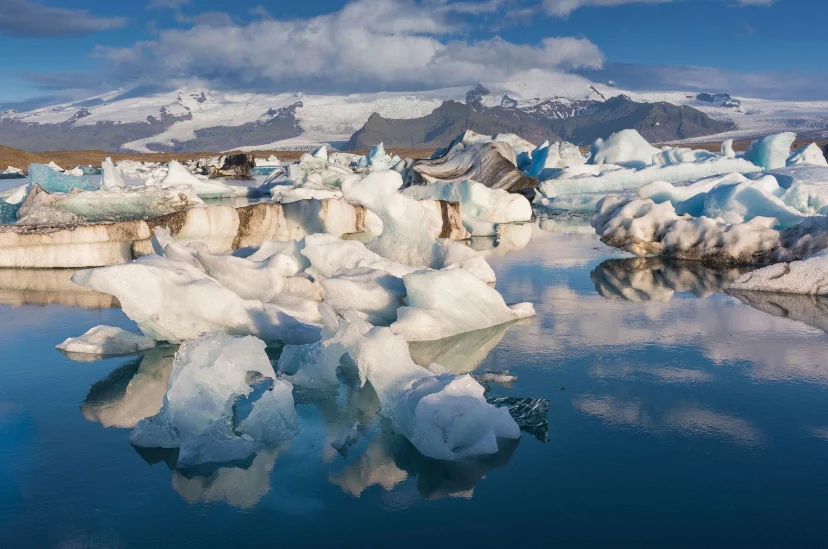
Jökulsárlón Glacier Lagoon is a large glacial lake in southeastern Iceland, located at the edge of Vatnajökull National Park. Formed from the retreat of the Breiðamerkurjökull glacier, it is renowned for its surreal landscape of floating icebergs and proximity to the Atlantic Ocean. The lagoon is one of Iceland’s most visited natural attractions. Jökulsárlón began forming in the 1930s as global warming caused Breiðamerkurjökull, an outlet of Vatnajökull, to retreat. The meltwater accumulated in a depression carved by the glacier, creating the lagoon. Icebergs calve from the glacier front and drift toward the sea, creating a dynamic, ever-changing environment of blue and white ice.
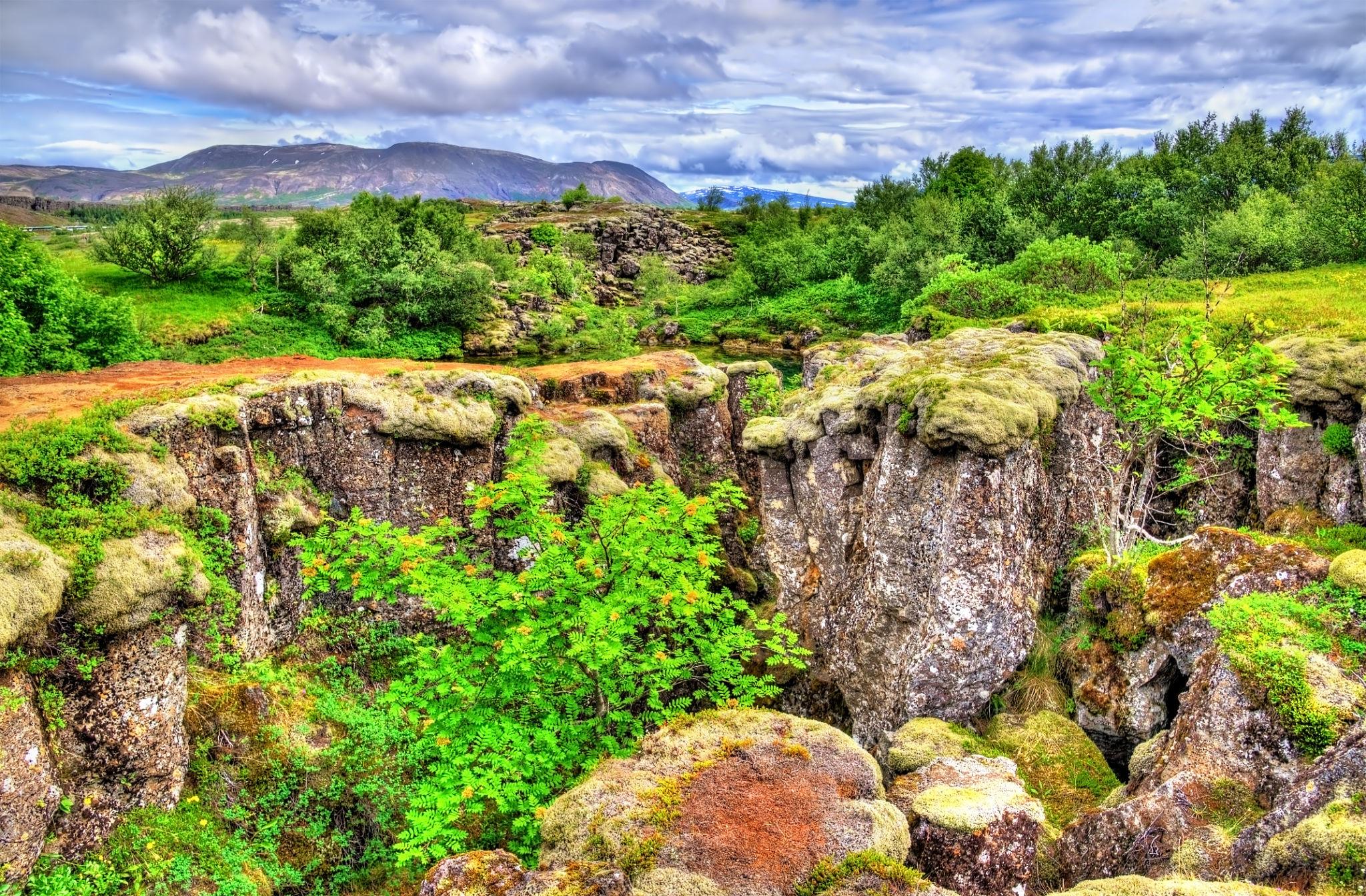 Thingvellir National Park
Thingvellir National Park is a protected natural and historical site in southwestern Iceland. It lies in a rift valley marking the boundary between the North American and Eurasian tectonic plates. The park is renowned for its dramatic geology, cultural heritage, and designation as a UNESCO World Heritage Site. Thingvellir sits atop the Mid-Atlantic Ridge, where continental drift visibly separates the North American and Eurasian plates. The resulting rift valley contains striking rock formations, lava fields, and fissures filled with clear glacial water. This landscape offers one of the few places on Earth where the effects of plate tectonics are easily observable above sea level.