
Travel to Ireland

 4 photos
Ireland is an island nation located in the North Atlantic Ocean, west of Great Britain. It occupies most of the island of Ireland, with the remaining northeastern part forming Northern Ireland. Ireland is known for its lush green landscapes, deep cultural traditions, and strong literary and musical heritage. It covers an area of about 70,273 square kilometers and has a population of roughly 5.2 million people.
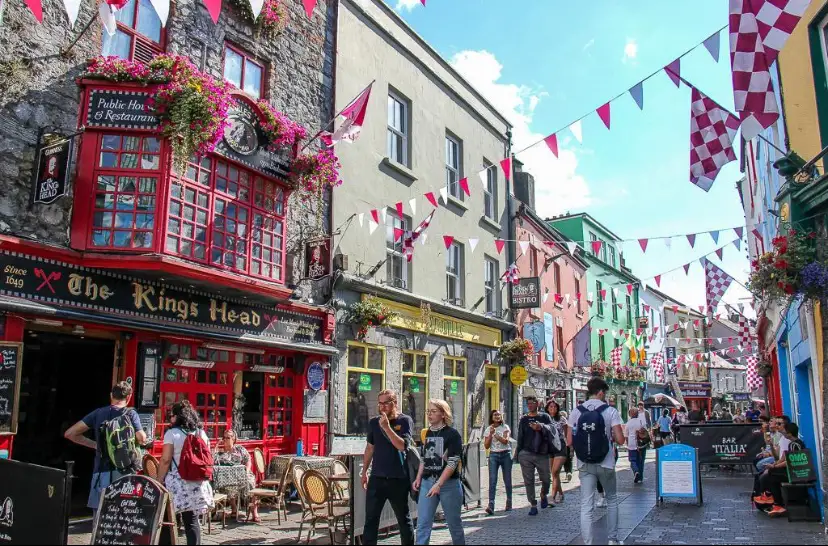
The capital and largest city is Dublin, located on the east coast along the River Liffey. Dublin is the country’s political, economic, and cultural center. It is known for its historic landmarks such as Trinity College, Dublin Castle, and lively districts filled with pubs, music, and literature. Other major cities include Cork, an important port and cultural hub; Galway, known for festivals and Irish language culture; and Limerick, a historic city on the River Shannon.
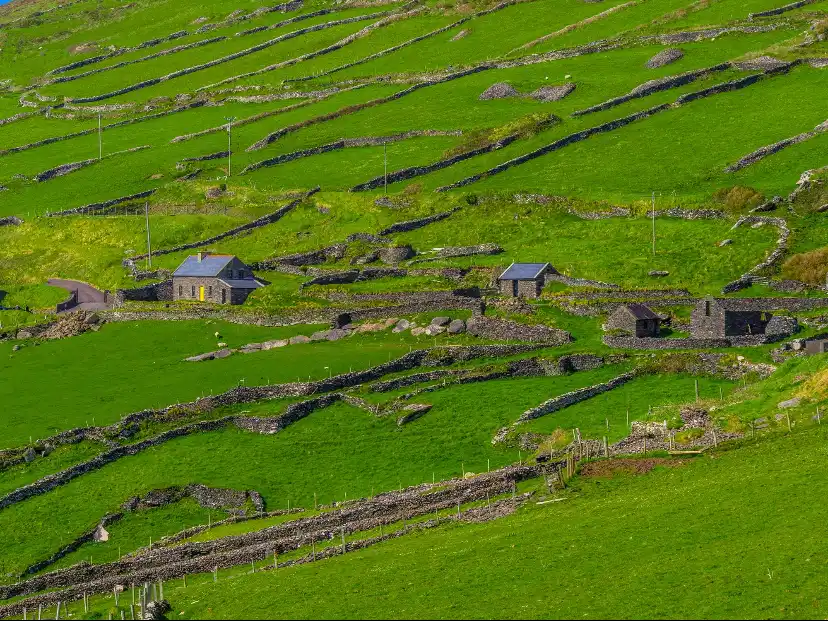
Ireland’s landscape is famous for its green countryside, rolling hills, and rugged coastline. The climate is mild and wet due to Atlantic winds, which helps create the country’s signature green scenery. One of Ireland’s most famous natural landmarks is the Cliffs of Moher, which rise dramatically above the Atlantic Ocean. The country also has many lakes, peat bogs, and national parks that support diverse wildlife.
The official languages are Irish (Gaeilge) and English, with English being the most widely spoken. Irish is an important symbol of national identity and is still spoken in certain regions known as the Gaeltacht. Irish culture is strongly associated with music, dance, storytelling, and folklore. Traditional Irish music, featuring instruments like the fiddle, tin whistle, and bodhrán, remains popular both locally and internationally.
Ireland has a long and complex history. It was inhabited by Celtic tribes in ancient times and later became influenced by Christianity through early saints such as Saint Patrick. From the 12th century onward, Ireland came under increasing control of England, eventually becoming part of the United Kingdom of Great Britain and Ireland.
A long struggle for independence culminated in the early 20th century, leading to the establishment of the Irish Free State in 1922 after the Anglo-Irish Treaty. In 1949, Ireland officially became a republic and left the Commonwealth.
Today, Ireland has a highly developed economy known for its strong technology, pharmaceutical, and financial sectors. Many global companies have European headquarters in Dublin due to favorable business policies. Agriculture, especially dairy and beef farming, also remains important to the economy.
Ireland is a member of the European Union, but it is not part of NATO. The country is known for its political stability, high education levels, and strong social welfare system.
Modern Ireland is often recognized for its cultural influence, economic success, and global diaspora. Millions of people around the world claim Irish ancestry, contributing to Ireland’s strong international presence. With its combination of natural beauty, rich history, and vibrant culture, Ireland remains one of Europe’s most distinctive and admired nations.