
Travel to Italy


 4 photos
Traveling to Italy feels like stepping into a place where beauty is part of everyday life. It’s not just in the famous landmarks, but in the small details, the streets, the architecture, the food, and the way people live. There’s a natural rhythm to Italy that invites you to slow down, take your time, and truly enjoy each moment.
Italy is one of those destinations that offers something meaningful no matter what kind of traveler you are. Whether you’re visiting for history, food, relaxation, or culture, the experience feels complete. From the very beginning, there’s a sense that you’re somewhere special, somewhere that has been shaping art, design, and lifestyle for centuries.
Rome, the capital, is often the starting point. It’s a city where history surrounds you at every turn. Ancient ruins, grand buildings, and open squares exist alongside modern life, creating a contrast that feels both powerful and natural. Walking through Rome doesn’t feel like visiting a museum — it feels like living inside history.
Beyond Rome, Italy continues to reveal different sides of itself. Florence offers a more artistic and refined atmosphere, known for its deep connection to the Renaissance and its influence on art and culture. Venice, with its canals and quiet walkways, feels almost like a world of its own because its calm, unique, and unforgettable.
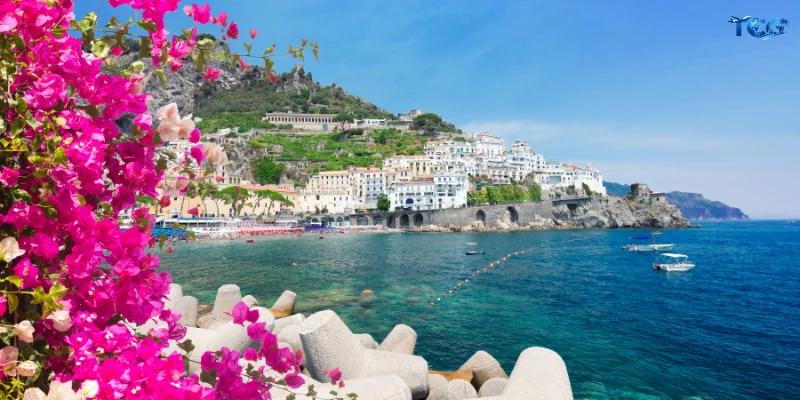
Then there’s the coastline. The Amalfi Coast stands out for its dramatic views, colorful towns, and relaxed pace. It’s a place where the landscape does most of the talking, where every view feels like something you want to remember. Along the coast and across the country, you’ll find destinations that are perfect for slowing down and enjoying the moment.
Food is a central part of the Italian experience. It’s simple, fresh, and deeply rooted in tradition. Meals are not rushed, they are meant to be enjoyed. Whether it’s pasta in a small local restaurant, pizza in a busy city, or a quiet meal overlooking the countryside, the food becomes part of the memory you take with you.
The Italian countryside offers yet another side of the country. Regions like Tuscany provide rolling hills, vineyards, and a peaceful atmosphere that feels far removed from busy city life. It’s ideal for travelers who want space, quiet, and a deeper connection to the environment.
What also makes Italy stand out is the way people approach life. There’s an appreciation for quality, for time, and for experiences. It reflects in everything from how meals are prepared to how cities are designed. Visitors often find themselves adjusting to this pace, becoming more present and more relaxed as the journey continues.
Getting around Italy is relatively easy, with trains connecting major cities efficiently. This makes it possible to explore multiple destinations within one trip without too much effort. Whether you’re planning a short visit or a longer stay, Italy allows you to move comfortably while still experiencing different regions.
Italy is also a destination that suits different types of travel. It can be romantic, cultural, adventurous, or simply relaxing depending on how you plan your trip. Whether you’re traveling alone, as a couple, or with family, there’s always something that fits your style.
In many ways, Italy is not just a place you visit but it’s a place you feel. It leaves an impression through its atmosphere, its people, and the experiences it offers. It’s easy to understand why so many travelers return again and again.
For anyone looking for a destination that combines history, beauty, food, and lifestyle in one journey, Italy remains one of the most rewarding places to explore.
Hotels in Italy
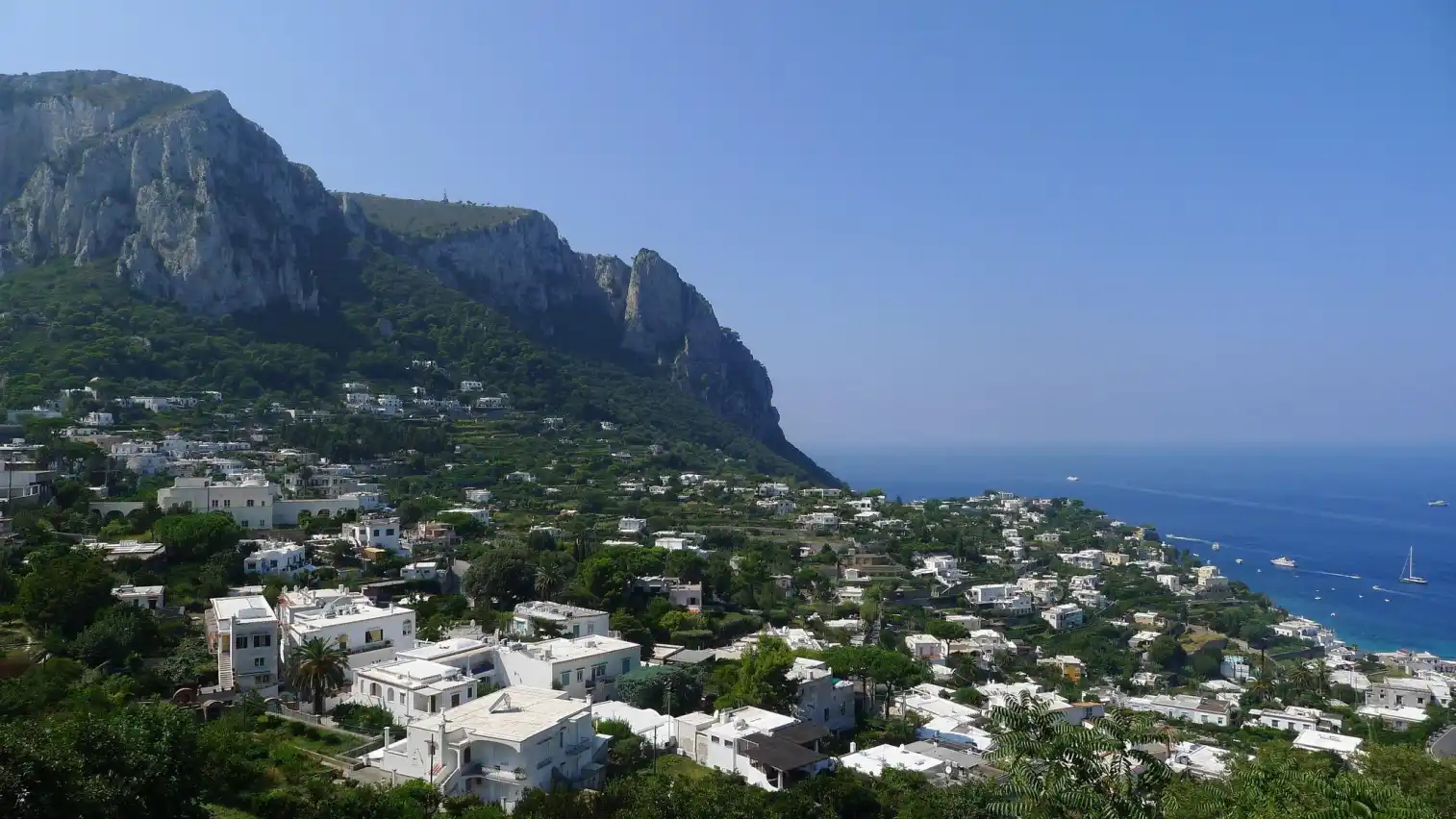 Capri
Capri
Capri is a small island in the Tyrrhenian Sea off the Sorrentine Peninsula, in southern Italy. Known for its dramatic cliffs, upscale villas, and legendary natural beauty, it has been a coveted retreat since Roman times and remains a top Mediterranean tourist destination. Capri’s history stretches back to ancient Greece, but it flourished under the Roman Empire. Emperor Tiberius built several villas here, notably Villa Jovis, which served as an imperial residence. Through the centuries, it attracted artists, writers, and aristocrats, later becoming a bohemian enclave and luxury retreat. Today, Capri is synonymous with Mediterranean elegance. Visitors flock to see the Blue Grotto’s illuminated waters, the Faraglioni rock formations, and chic streets like Via Camerelle. The island offers boutique hotels, fine dining, and artisan sandal workshops. Seasonal tourism drives its economy, with summer months drawing celebrities and travelers worldwide.
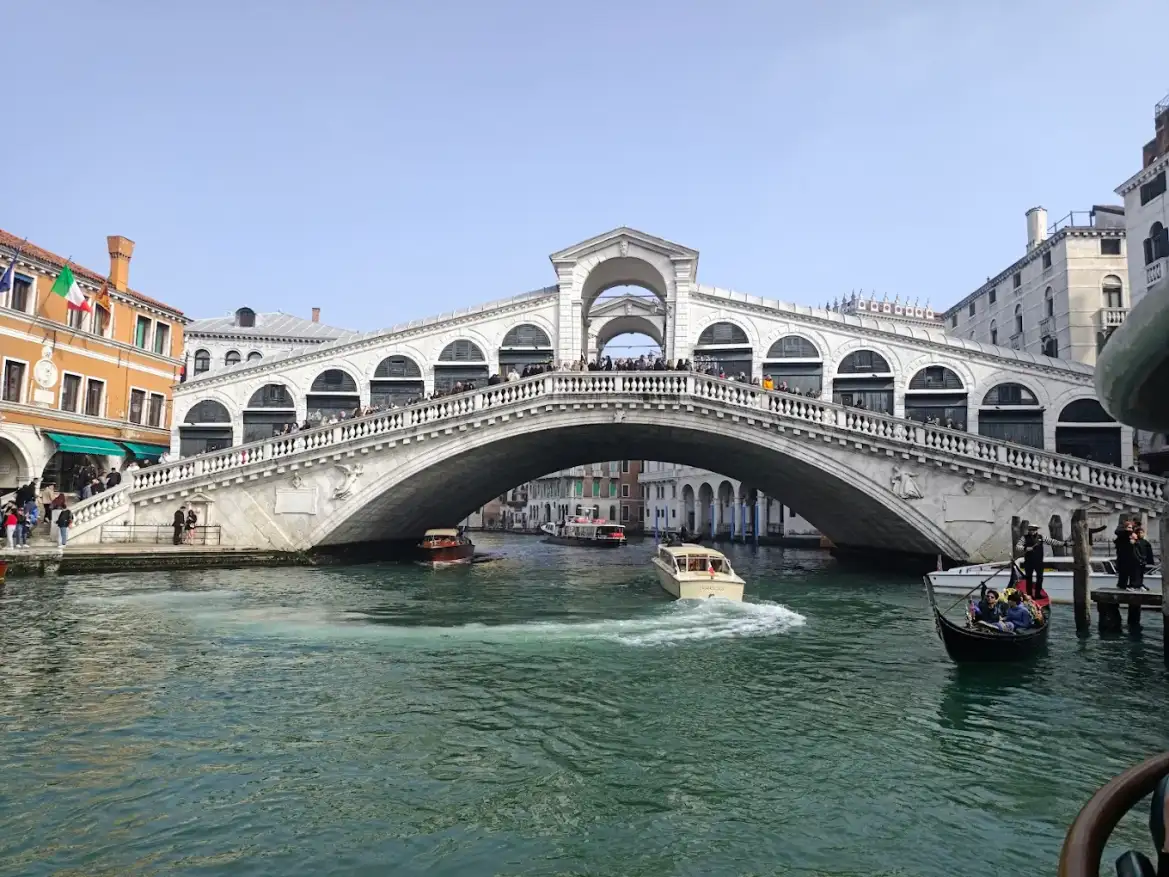 Rialto Bridge
The Rialto Bridge is a historic stone arch bridge spanning the Grand Canal in Venice, Italy. Completed in 1591, it is one of the city’s most iconic landmarks and the oldest of the four bridges crossing the Grand Canal. Its distinctive design and central location make it a major pedestrian route and popular tourist attraction. The bridge consists of a single elegant stone arch lined with rows of shops on either side of a central portico. Its balanced symmetry and use of Istrian stone create both durability and beauty. The design cleverly accommodates Venice’s boat traffic, with a wide central span rising high above the canal. The Rialto Bridge has long symbolized Venice’s mercantile history and resilience. It features prominently in art and literature, including works by Canaletto and William Shakespeare. Today, it remains one of Venice’s most photographed sites, connecting the districts of San Marco and San Polo while preserving its original role as a commercial and social hub.
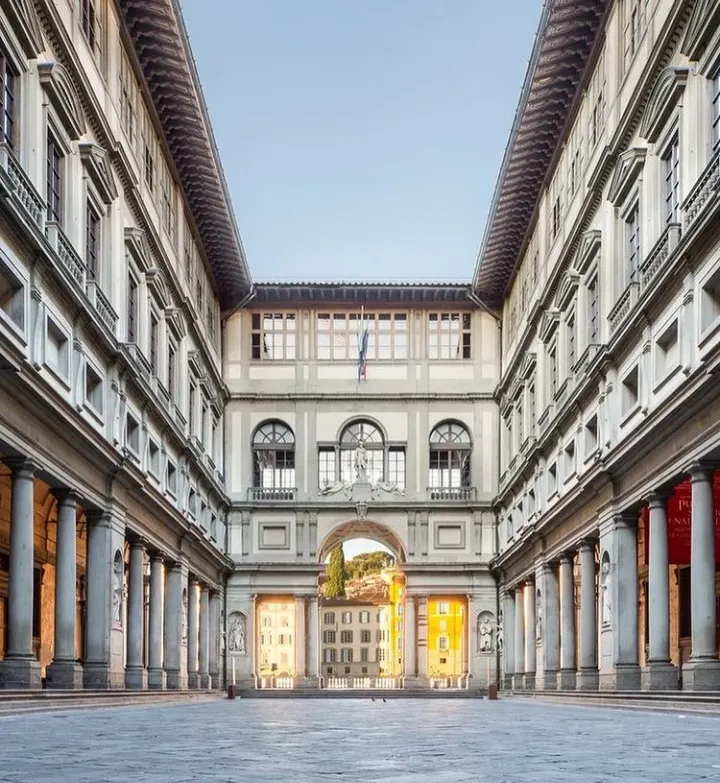 Uffizi Gallery
The Uffizi Gallery (Galleria degli Uffizi) is a world-renowned art museum in Florence, Italy, celebrated for housing the most comprehensive collection of Italian Renaissance masterpieces. Located near the Piazza della Signoria, it is one of the oldest and most visited art museums globally, attracting millions of visitors annually. The Uffizi preserves one of the most significant assemblages of Renaissance art, organized chronologically by school and style. Iconic works include Sandro Botticelli’s The Birth of Venus and Primavera, Leonardo da Vinci’s Annunciation, Michelangelo’s Doni Tondo, Raphael’s Madonna of the Goldfinch, and Titian’s Venus of Urbino. The museum also showcases masterpieces by Giotto, Caravaggio, and European masters such as Rembrandt and Dürer. The Uffizi connects to the Pitti Palace and Boboli Gardens via the elevated Vasari Corridor, built in 1565 to allow the Medici family to move privately between their residence and government offices. Together these sites now form the Uffizi Galleries complex, a major cultural hub spanning both sides of the Arno River.
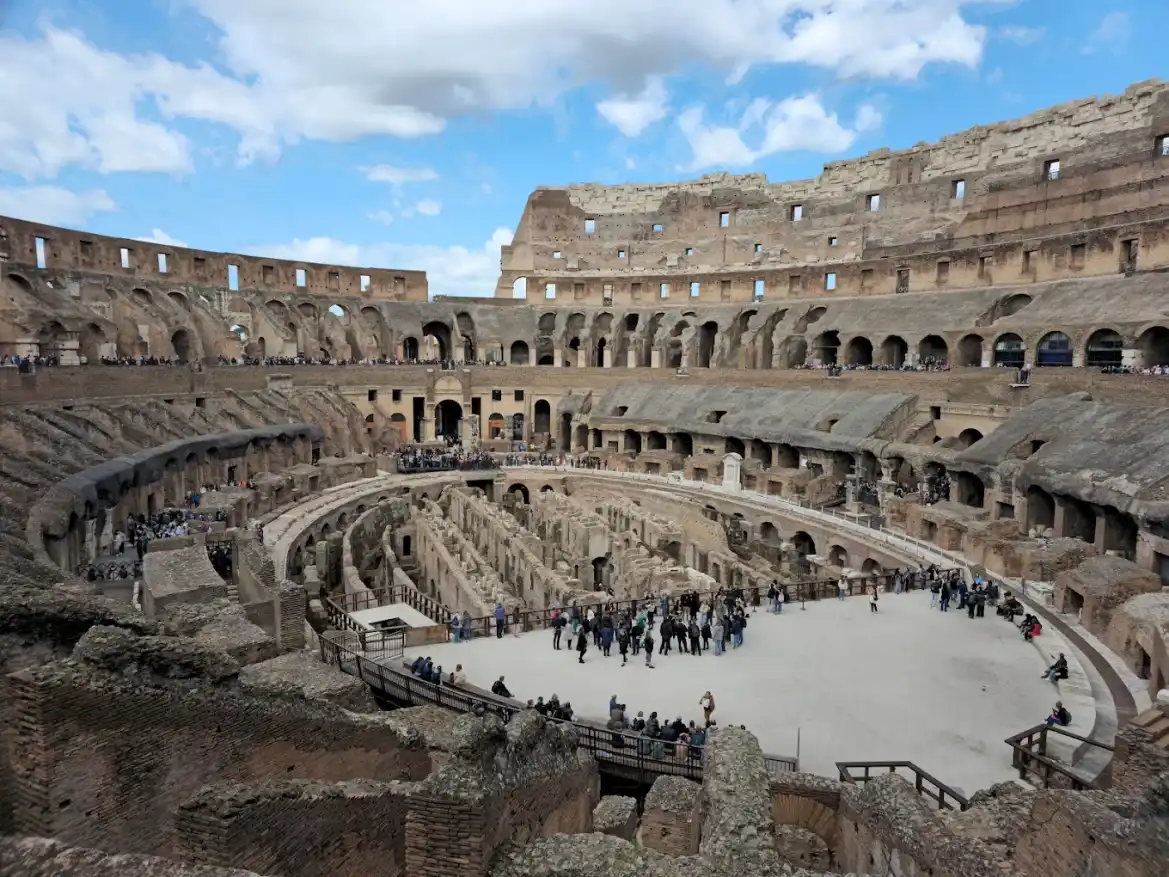 The Colosseum
The Colosseum is an ancient amphitheater in the center of Rome, Italy, and one of the most iconic monuments of the Roman Empire. Completed in the 1st century CE, it exemplifies Roman engineering and architectural innovation and remains a symbol of the city’s imperial heritage. The amphitheater hosted gladiatorial combats, animal hunts, mock sea battles, and public spectacles celebrating imperial power. Although damaged by earthquakes and later stone reuse, it endures as a potent emblem of ancient Rome. Today, it draws millions of visitors annually and serves as a global symbol against capital punishment. Ongoing restoration efforts aim to stabilize the Colosseum’s structure and recover lost details of its arena. It stands as both an archaeological site and a cultural icon, illustrating Rome’s lasting influence on architecture, entertainment, and heritage preservation.
Toss A Coin In The Trevi Fountain
The Trevi Fountain (Italian: Fontana di Trevi) is an 18th-century Baroque masterpiece in central Rome, Italy. Set against the Palazzo Poli, it is the city’s largest and most famous fountain, celebrated worldwide for its theatrical sculpture, flowing water, and the enduring ritual of coin tossing that promises a return to Rome. The fountain marks the terminus of the Aqua Virgo aqueduct, commissioned by Marcus Vipsanius Agrippa in 19 BC to supply Rome with pure water. After papal projects by Pope Urban VIII and Gian Lorenzo Bernini stalled, Pope Clement XII launched a 1730 design contest won by Roman architect Nicola Salvi. His vision fused architecture and sculpture into a triumphal-arch façade ornamented with mythological figures symbolizing the power and abundance of water.A comprehensive restoration completed in 2015 cleaned and reinforced the structure, installing LED lighting for nighttime illumination. Access is free and typically open day and night, though regulated during maintenance. The fountain continues to draw millions of visitors annually as a symbol of Rome’s artistic grandeur and timeless romance.