
Travel to Latvia
 4 photos
Latvia is a country in Northern Europe, located in the Baltic region. It is one of the three Baltic states, alongside Estonia to the north and Lithuania to the south. Latvia shares borders with Russia to the east and Belarus to the southeast, while the Baltic Sea lies to the west. The country covers an area of about 64,600 square kilometers and has a population of around 1.8 million people, making it one of the less densely populated countries in Europe.
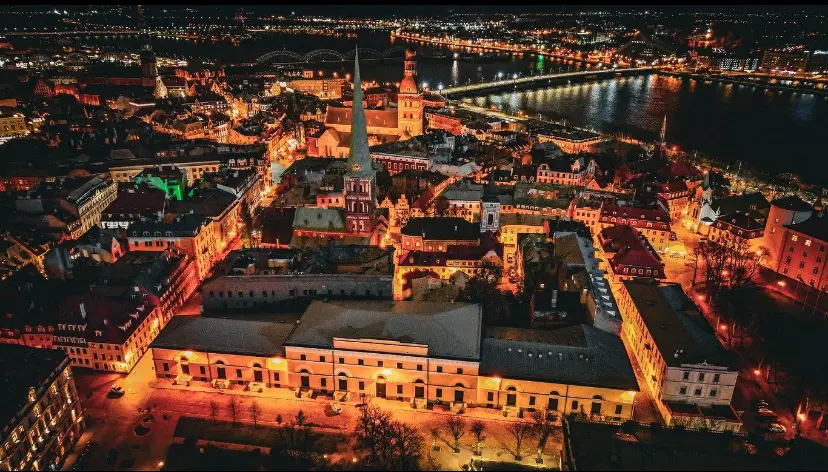
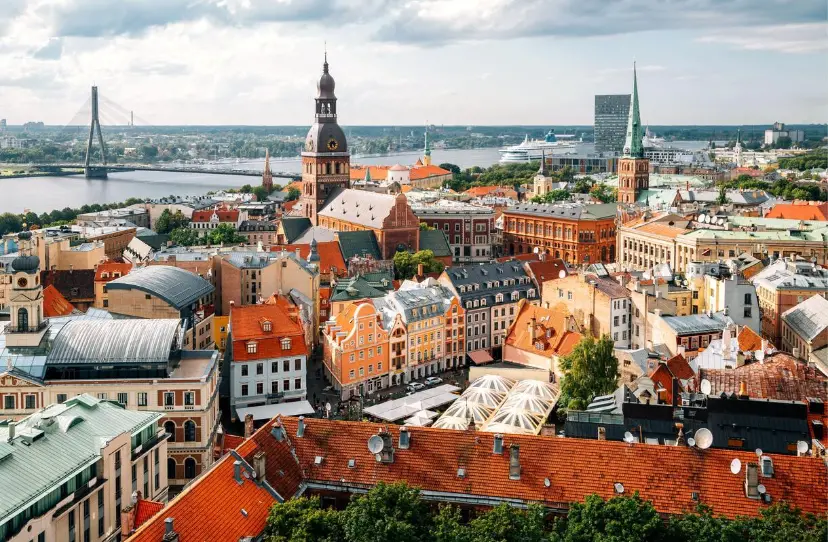
The capital and largest city is Riga, located on the Gulf of Riga along the Baltic coast. Riga is the political, economic, and cultural heart of the country and is famous for its well-preserved historic center, which is a UNESCO World Heritage Site. The city is known for its Art Nouveau architecture, medieval old town, and vibrant cultural life. Other important cities include Daugavpils, an industrial and cultural center; Liepāja, known for its port and music scene; and Jelgava, an important administrative hub.
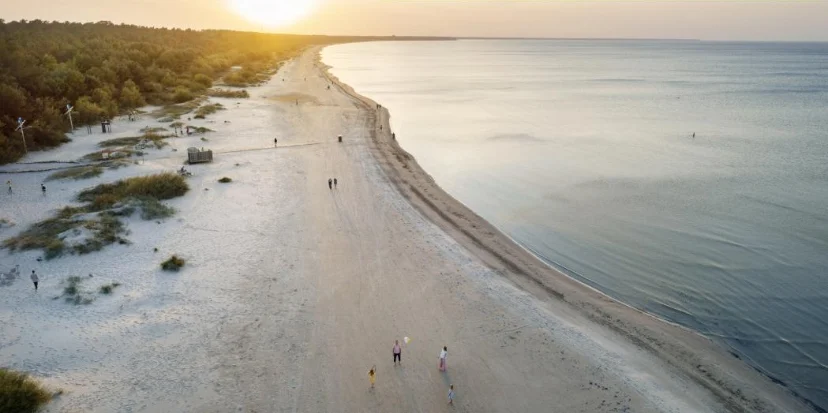
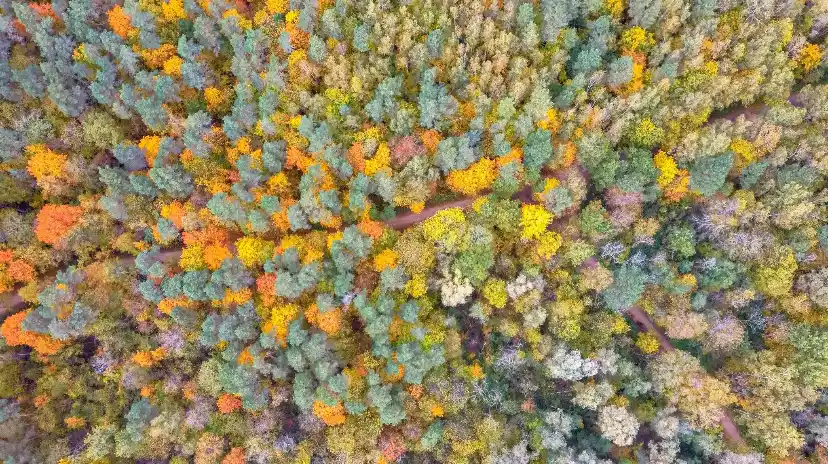
Latvia has a diverse natural landscape characterized by forests, rivers, lakes, and a long coastline along the Baltic Sea. Nearly half of the country is covered in forests, making it one of the greenest countries in Europe. Latvia also has many protected nature reserves and national parks that preserve its rich biodiversity. The coastal town of Jūrmala is famous for its sandy beaches and wooden architecture, attracting tourists especially during the summer months.
The official language is Latvian, one of only two surviving Baltic languages, the other being Lithuanian. Russian is also widely spoken, particularly among older generations and in urban areas. Latvian culture is deeply rooted in folk traditions, including songs, dances, and festivals. The country is especially known for its Latvian Song and Dance Festival, which is one of the largest choral events in the world and a key symbol of national identity.
Latvia has a complex history shaped by various foreign powers. In medieval times, it was influenced by German crusader states, followed by periods under Polish-Lithuanian, Swedish, and Russian rule. After the First World War, Latvia declared independence in 1918. However, it was occupied by the Soviet Union during the Second World War and remained part of the USSR until it regained independence in 1991 following the collapse of the Soviet state.
Today, Latvia has a modern, open-market economy based on services, manufacturing, transportation, and information technology. Its strategic location on the Baltic Sea makes it an important transit hub between Western Europe and Eastern markets. The country has developed strong banking, logistics, and digital service sectors.
Latvia is a member of the European Union, the North Atlantic Treaty Organization, and the eurozone. It is known for its democratic institutions, growing economy, and commitment to environmental sustainability.
With its combination of medieval history, rich cultural traditions, and modern development, Latvia stands out as one of the most unique and culturally vibrant countries in the Baltic region.