
Travel to Luxembourg
 4 photos
Luxembourg is a small but highly developed country located in Western Europe. It is bordered by Belgium to the west and north, Germany to the east, and France to the south. Despite covering an area of only about 2,586 square kilometers, Luxembourg plays an important role in European politics, finance, and international cooperation. The country has a population of around 670,000 people and is known for its high standard of living, strong economy, and multicultural society.
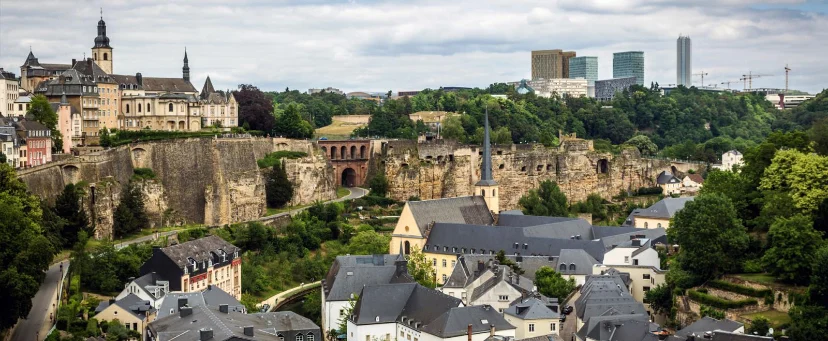
The capital city, Luxembourg City, is the country’s largest urban center and serves as an important financial hub. The city is famous for its historic fortifications, picturesque valleys, and modern European institutions. Luxembourg City’s old quarters and fortifications have been recognized as a UNESCO World Heritage Site because of their historical significance and excellent preservation.
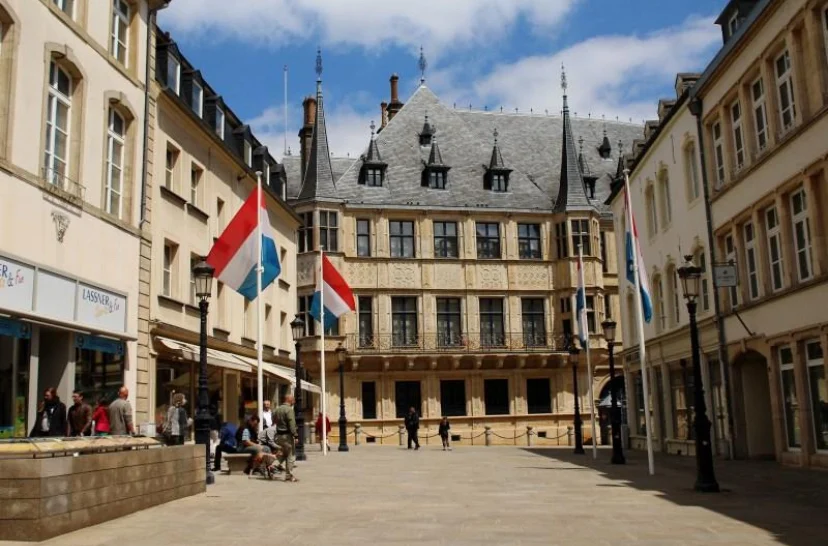
Luxembourg has a constitutional monarchy, meaning it is ruled by a monarch whose powers are limited by a constitution. The current head of state is the Grand Duke, making Luxembourg the world’s only remaining sovereign grand duchy. The country operates under a parliamentary democracy, with elected representatives responsible for making laws and governing the nation.
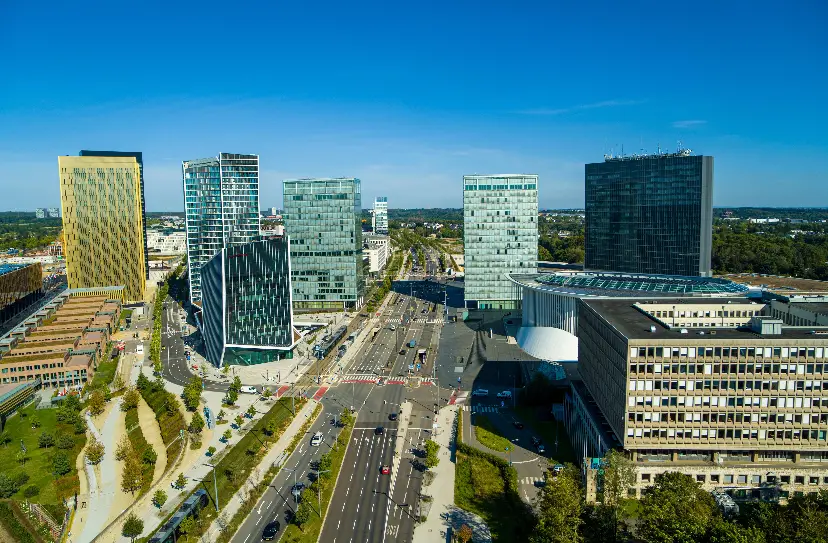
The economy of Luxembourg is one of the strongest in the world. It has a highly developed financial sector and is a major center for banking and investment services. Many international companies and financial institutions have offices in the country due to its stable political environment and favorable business conditions. Besides finance, industries such as steel production, technology, logistics, and telecommunications also contribute significantly to the economy.
Luxembourg is a multilingual country. The three official languages are Luxembourgish, French, and German. Most residents speak multiple languages, reflecting the country’s diverse culture and international connections. The education system encourages language learning from an early age, helping citizens communicate effectively across Europe and beyond.
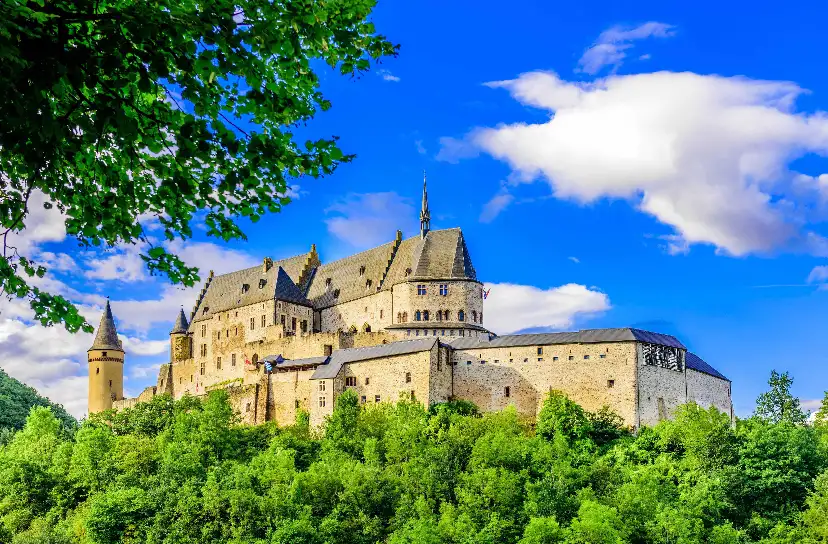
The country’s landscape consists of rolling hills, forests, rivers, and charming villages. Northern Luxembourg, known as the Ardennes region, features scenic countryside and outdoor recreational opportunities. One of the country’s most famous landmarks is Vianden Castle, a beautifully restored medieval castle that attracts visitors from around the world.
Luxembourg is also a founding member of several important international organizations, including the European Union, NATO, and the United Nations. Its central location in Europe has helped it become an important center for diplomacy and international cooperation.
In conclusion, Luxembourg is a small nation with a significant global presence. Its strong economy, multilingual population, rich history, and active role in international affairs make it one of Europe’s most unique and prosperous countries. Despite its size, Luxembourg continues to have a substantial influence on regional and global developments.