
Travel to Malta

 4 photos
Malta is a small island nation located in the central Mediterranean Sea, south of Italy. Despite its small size, Malta has a rich history, strategic location, and vibrant culture that have made it one of Europe’s most fascinating countries. The country consists of three main inhabited islands: Malta, Gozo, and Comino. Together, they cover an area of about 316 square kilometers and are home to more than half a million people, making Malta one of the most densely populated countries in the world.
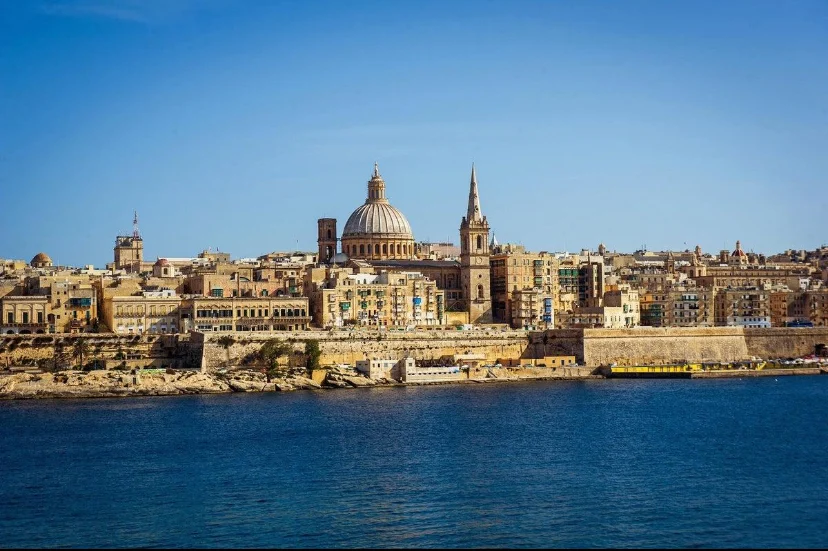
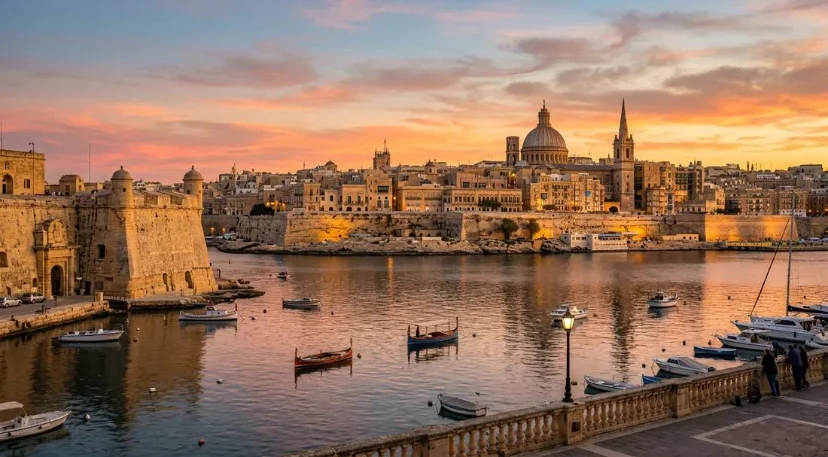
The capital city of Malta is Valletta, a historic city known for its beautiful architecture, narrow streets, and impressive fortifications. Valletta was founded by the Knights of St. John in the sixteenth century and is recognized as a UNESCO World Heritage Site. The city contains many landmarks, including churches, palaces, museums, and gardens that reflect Malta’s long and complex history.
Malta has been inhabited for thousands of years and possesses some of the oldest free-standing structures in the world. Ancient temple complexes such as Ħaġar Qim and Mnajdra date back more than 5,000 years. Throughout history, Malta has been influenced by numerous civilizations, including the Phoenicians, Romans, Arabs, Normans, and the Knights of St. John. Because of its strategic position in the Mediterranean, the islands have often served as an important military and trading center.
Malta gained independence from the United Kingdom in 1964 and became a republic in 1974. Today, it operates as a parliamentary republic with a democratic system of government. Malta joined the European Union in 2004 and adopted the euro as its official currency in 2008.
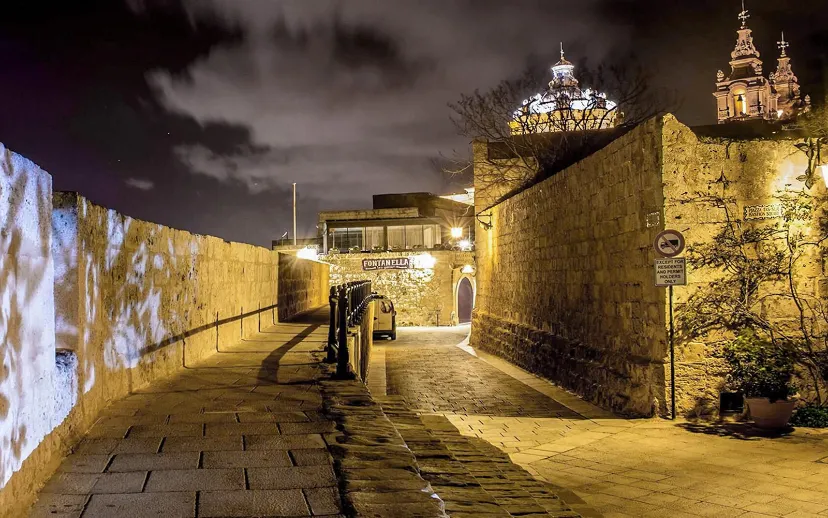
The Maltese economy is highly developed and relies on several sectors, including tourism, financial services, information technology, shipping, and manufacturing. Tourism is particularly important, attracting millions of visitors each year who come to enjoy the country’s sunny climate, historic sites, and crystal-clear waters. Popular attractions include the Blue Lagoon, the ancient city of Mdina, and the stunning coastal scenery found throughout the islands.
The official languages of Malta are Maltese and English. Maltese is unique among European languages because it has Semitic origins while incorporating many Italian and English influences. English is widely spoken and used in business, education, and government, making communication easy for international visitors.
Malta enjoys a Mediterranean climate characterized by hot, dry summers and mild winters. This pleasant weather, combined with beautiful beaches and cultural attractions, contributes to its popularity as a tourist destination.
In conclusion, Malta is a small nation with an extraordinary history and cultural heritage. Its ancient monuments, strategic location, strong economy, and beautiful landscapes make it one of the Mediterranean’s most remarkable countries. Although limited in size, Malta has played a significant role in regional history and continues to be an important member of the European community.