
Travel to Moldova


 4 photos
Moldova is a landlocked country located in Eastern Europe, situated between Romania to the west and Ukraine to the north, east, and south. Although it is one of Europe’s smaller countries, Moldova is known for its rich cultural heritage, fertile agricultural land, and long tradition of winemaking. The country covers an area of approximately 33,846 square kilometers and has a population of around 2.5 million people.
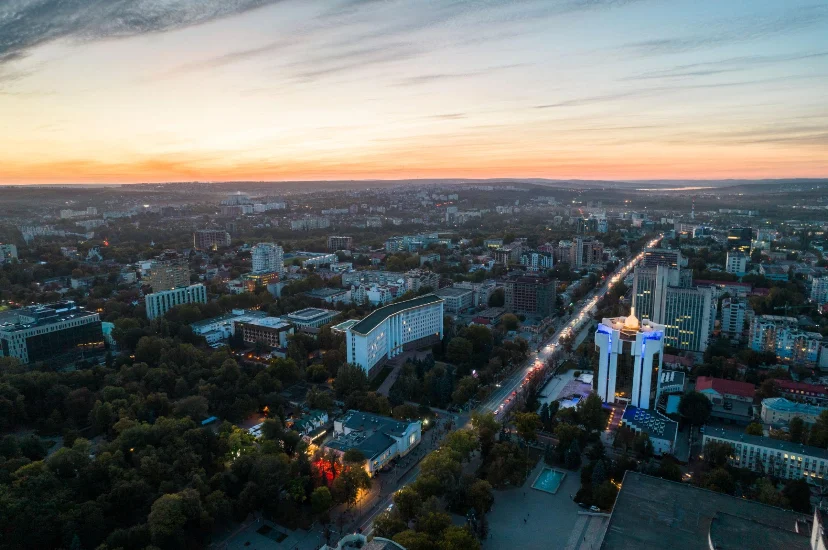
The capital and largest city is Chișinău, which serves as the country’s political, economic, and cultural center. Chișinău is known for its green parks, Soviet-era architecture, museums, theaters, and universities. It is home to a significant portion of the country’s population and plays a central role in Moldova’s development.
Moldova has a long and complex history. The territory was once part of the medieval Principality of Moldavia and later came under the control of various empires, including the Ottoman Empire and the Russian Empire. In the twentieth century, it became part of the Soviet Union as the Moldavian Soviet Socialist Republic. Following the collapse of the Soviet Union, Moldova declared independence in 1991 and has since worked to strengthen its democratic institutions and economy.
The country is a parliamentary republic with a democratic system of government. Since independence, Moldova has faced economic and political challenges, but it has also pursued reforms aimed at improving governance, strengthening international relations, and promoting economic growth. Moldova maintains close ties with European countries and has sought greater integration with European institutions.
Agriculture plays a major role in the Moldovan economy. The country’s fertile soil and favorable climate make it well suited for growing grapes, fruits, vegetables, and grains. Moldova is particularly famous for its wine industry and is considered one of the oldest wine-producing regions in the world. Vast underground wine cellars such as Cricova Winery and Mileștii Mici attract visitors from around the globe and contribute significantly to the national economy.
The official language is Romanian, although Russian is also widely spoken in some regions. Moldovan culture reflects influences from Romanian, Slavic, and other European traditions. Folk music, dance, traditional clothing, and local festivals remain important aspects of national identity. Hospitality and family values are deeply rooted in Moldovan society.
Moldova’s landscape consists of rolling hills, forests, rivers, and vineyards. One of its most famous attractions is Orheiul Vechi, a historical and archaeological complex featuring ancient cave monasteries and stunning natural scenery. Other notable landmarks include monasteries, fortresses, and picturesque rural villages that showcase the country’s rich heritage.
Despite economic challenges, Moldova continues to develop and modernize. Investments in infrastructure, education, and technology are helping to create new opportunities for future growth. Tourism has also gained importance as more visitors discover the country’s historic sites, wine culture, and natural beauty.
In conclusion, Moldova is a country with a rich history, strong cultural traditions, and a deep connection to agriculture and winemaking. Though relatively small, it offers unique historical landmarks, beautiful landscapes, and a resilient population that continues to shape the nation’s future.