
Travel to Montenegro
 4 photos
Montenegro is a small country located in Southeastern Europe on the Balkan Peninsula. It is bordered by Croatia to the west, Bosnia and Herzegovina to the northwest, Serbia to the northeast, Kosovo to the east, and Albania to the southeast. The country also has a beautiful coastline along the Adriatic Sea. Covering an area of about 13,812 square kilometers, Montenegro is one of Europe’s smaller nations, with a population of approximately 620,000 people.
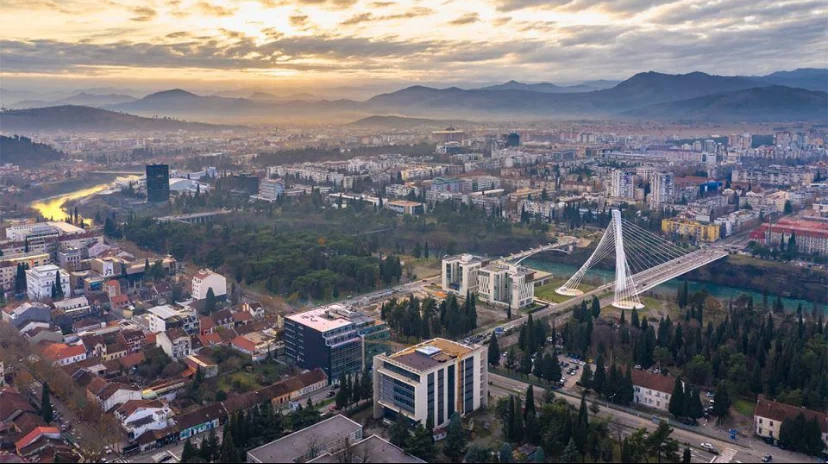
The capital city is Podgorica, which serves as the country’s political, economic, and administrative center. While Podgorica is the largest city, Montenegro’s historic royal capital is Cetinje, a city known for its cultural heritage, museums, and historical importance.
Montenegro has a long and fascinating history. Throughout the centuries, the region was influenced by the Romans, Byzantines, Venetians, and Ottomans. Due to its mountainous terrain, many parts of Montenegro maintained a degree of independence even during periods of foreign rule. In the nineteenth century, Montenegro gained international recognition as an independent state. It later became part of various South Slavic states, including Yugoslavia. In 2006, Montenegro held a referendum and peacefully regained full independence.
Today, Montenegro is a parliamentary republic with a democratic political system. The country has pursued closer ties with European institutions and became a member of the NATO in 2017. It is also a candidate for membership in the European Union.
One of Montenegro’s greatest strengths is its natural beauty. The country is known for dramatic mountains, crystal-clear lakes, deep river canyons, and stunning coastal scenery. The Bay of Kotor is one of the most famous attractions in the country and is often considered one of the most beautiful bays in Europe. The medieval town of Kotor, located along the bay, is a UNESCO World Heritage Site and attracts visitors from around the world.
Tourism plays a vital role in Montenegro’s economy. Coastal destinations such as Budva, Herceg Novi, and Bar are popular for their beaches, historic sites, and vibrant atmosphere. Inland, visitors explore the breathtaking Durmitor National Park, which offers hiking, skiing, and opportunities to experience Montenegro’s rugged wilderness.
The official language is Montenegrin, though Serbian, Bosnian, Albanian, and Croatian are also spoken. The country’s culture reflects a blend of Mediterranean and Balkan influences. Traditional music, folk dances, religious festivals, and local cuisine remain important aspects of everyday life.
Montenegro’s economy relies on tourism, services, agriculture, and energy production. While it faces some economic challenges, investments in infrastructure and tourism continue to support development and growth.
In conclusion, Montenegro is a small but remarkable country known for its stunning landscapes, rich history, and cultural diversity. From the mountains of Durmitor to the shores of the Adriatic Sea, Montenegro offers a unique combination of natural beauty and historical significance, making it one of the most attractive destinations in the Balkans.